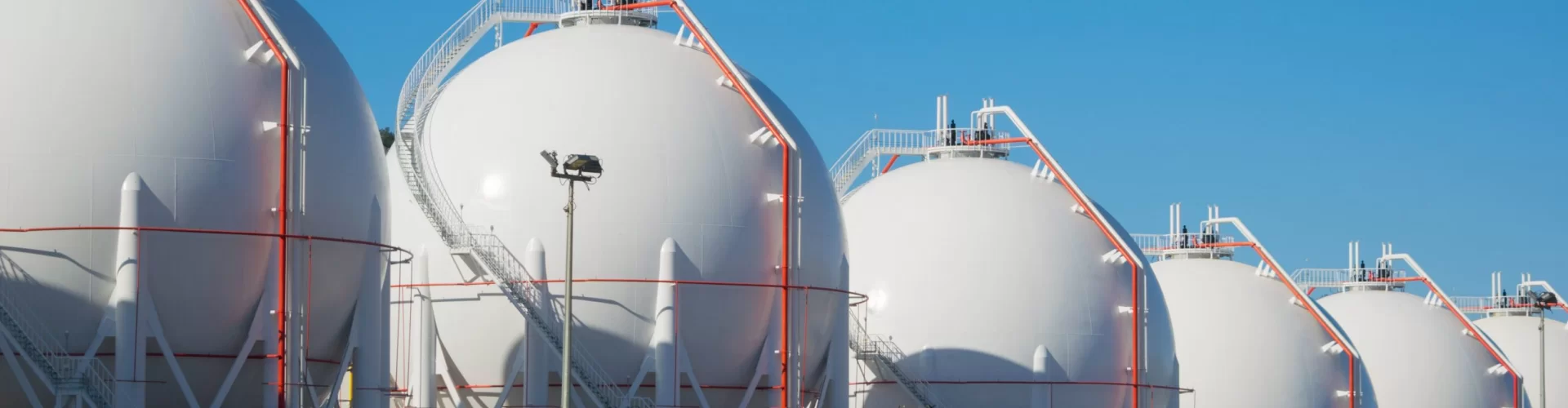
The transition toward cleaner energy sources has accelerated the demand for efficient storage and transport solutions, placing the lightweight cng cylinder at the forefront of industrial innovation. By leveraging advanced composite materials, these cylinders significantly reduce the dead weight of vehicles and stationary storage systems, directly improving fuel efficiency and operational agility.
Globally, the shift toward Compressed Natural Gas (CNG) is driven by the need to reduce carbon emissions and lower the cost of energy logistics. The integration of a lightweight cng cylinder allows for higher payload capacities in transport and easier deployment in remote areas, making green energy more accessible and economically viable.
Understanding the technical evolution of these storage vessels is crucial for engineers and fleet managers alike. From the material science of carbon fiber wrapping to the safety protocols of high-pressure containment, the development of the lightweight cng cylinder represents a pivotal leap in the quest for sustainable, high-performance industrial gas management.
Global Context and the Demand for Lightweight CNG Cylinders
In the current global energy landscape, the pressure to decouple economic growth from carbon emissions has never been higher. According to standards aligned with ISO and global energy agencies, the adoption of natural gas as a bridge fuel is critical. However, the traditional reliance on heavy steel tanks created a significant "weight penalty," reducing the efficiency of transport vehicles and increasing the energy required for logistics.
The emergence of the lightweight cng cylinder addresses this challenge by replacing monolithic steel with Type 3 and Type 4 composite structures. By reducing the tare weight of the storage system, industries can maximize the amount of gas transported per trip, thereby lowering the total cost of ownership and reducing the overall carbon footprint of the supply chain.
Defining the Lightweight CNG Cylinder in Modern Industry
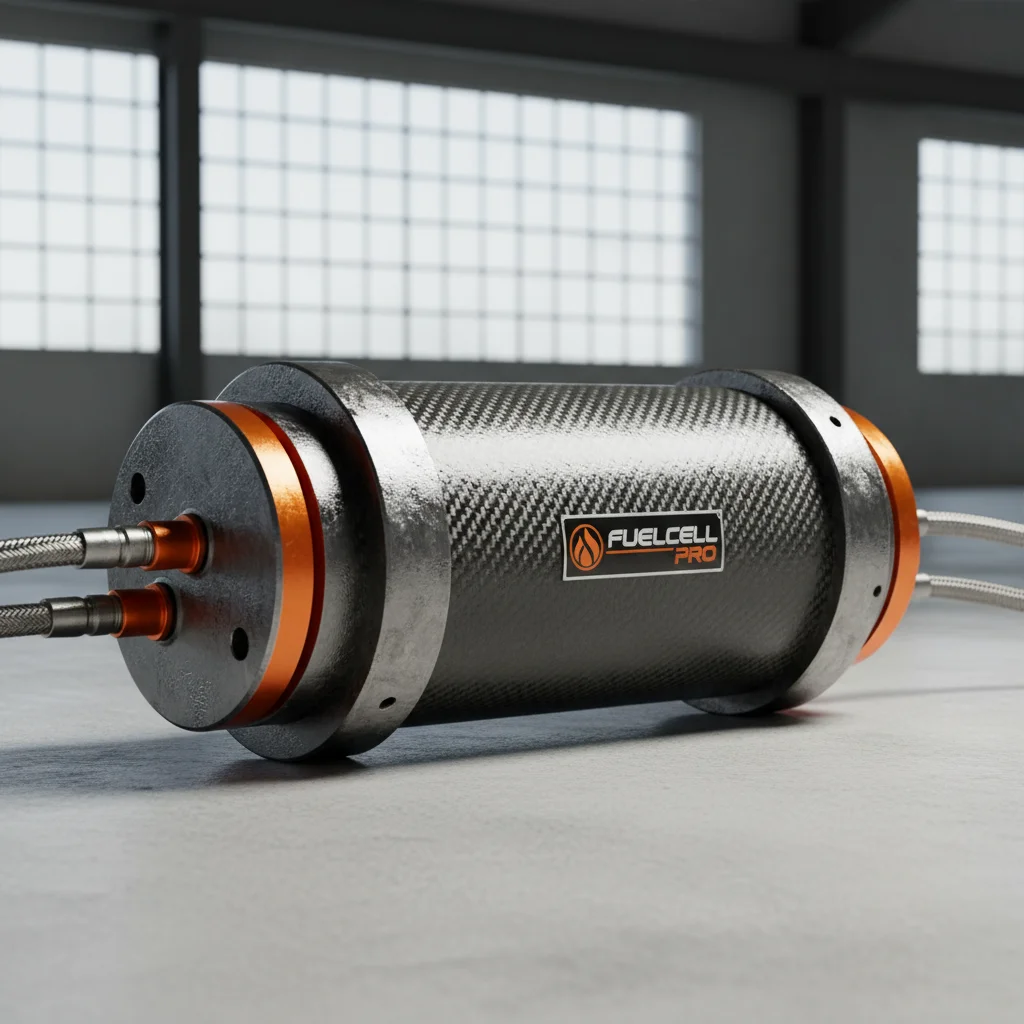
A lightweight cng cylinder is a high-pressure storage vessel engineered using advanced materials—typically a combination of a non-metallic or thin-metal liner reinforced with carbon fiber or glass fiber composites. Unlike traditional steel cylinders, these composite vessels are designed to withstand extreme internal pressures while remaining a fraction of the weight of their predecessors.
In modern industry, this technology is more than just a weight-saving measure; it is an enabling technology for the "Virtual Pipeline" concept. This allows natural gas to be transported to remote industrial zones or residential areas that lack physical pipeline infrastructure, ensuring that clean energy is not limited by geography.
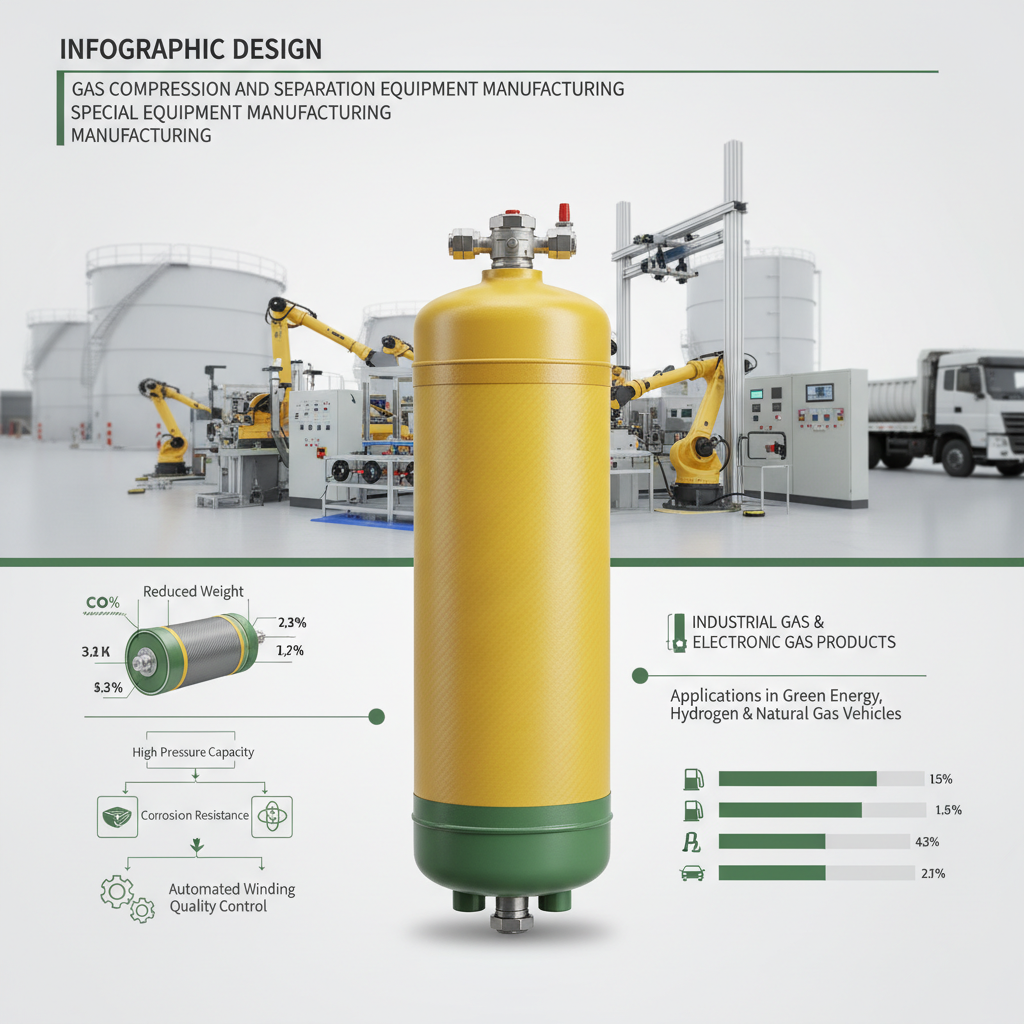
Furthermore, these cylinders are integrated into a broader ecosystem of Green Energy and Industrial Gas products. By optimizing the strength-to-weight ratio, the lightweight cng cylinder enables the transition toward hydrogen-ready infrastructures, providing a blueprint for the next generation of zero-emission fuel storage.
Core Components and Material Engineering
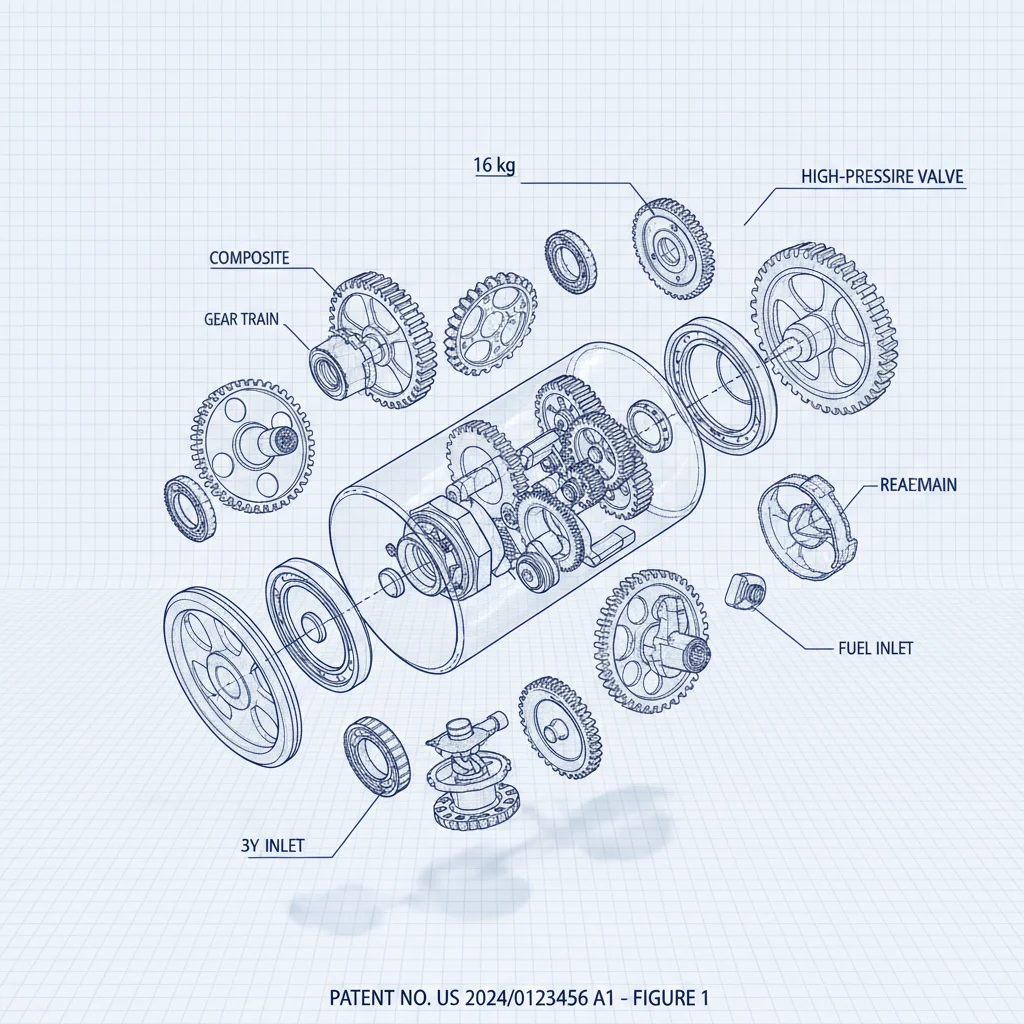
The structural integrity of a lightweight cng cylinder relies on a sophisticated multi-layer approach. The inner liner serves as the primary gas permeation barrier, while the outer composite wrap provides the necessary hoop strength to contain pressures often exceeding 20 MPa. This synergy ensures that the cylinder remains leak-proof under varying thermal conditions.
Material selection is the most critical factor in the production of a lightweight cng cylinder. High-tensile carbon fiber is typically wound around the liner using precision filament winding machines. This process allows engineers to optimize the fiber angle, ensuring that the vessel can handle longitudinal and radial stresses with minimal material waste.
Beyond the fiber and liner, the boss—the metal neck of the cylinder—must be perfectly integrated to prevent stress concentrations at the opening. Through advanced bonding techniques, the lightweight cng cylinder achieves a seamless transition between the rigid valve interface and the flexible composite body, enhancing overall safety and durability.
Performance Metrics and Efficiency Gains
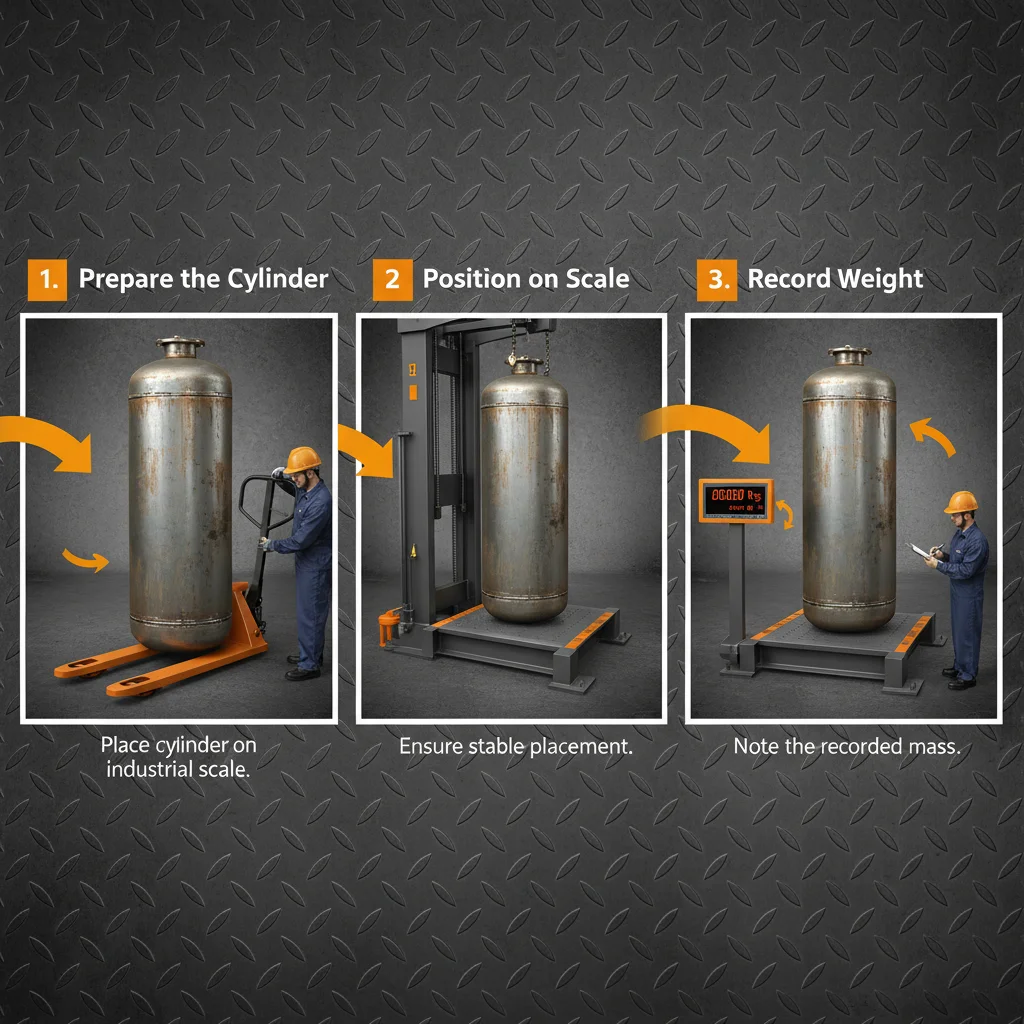
When evaluating the performance of a lightweight cng cylinder, the primary metric is the "gravimetric efficiency"—the ratio of the weight of the stored gas to the total weight of the cylinder. By shifting from steel to composites, this efficiency is drastically improved, allowing vehicles to carry more fuel without increasing the gross vehicle weight.
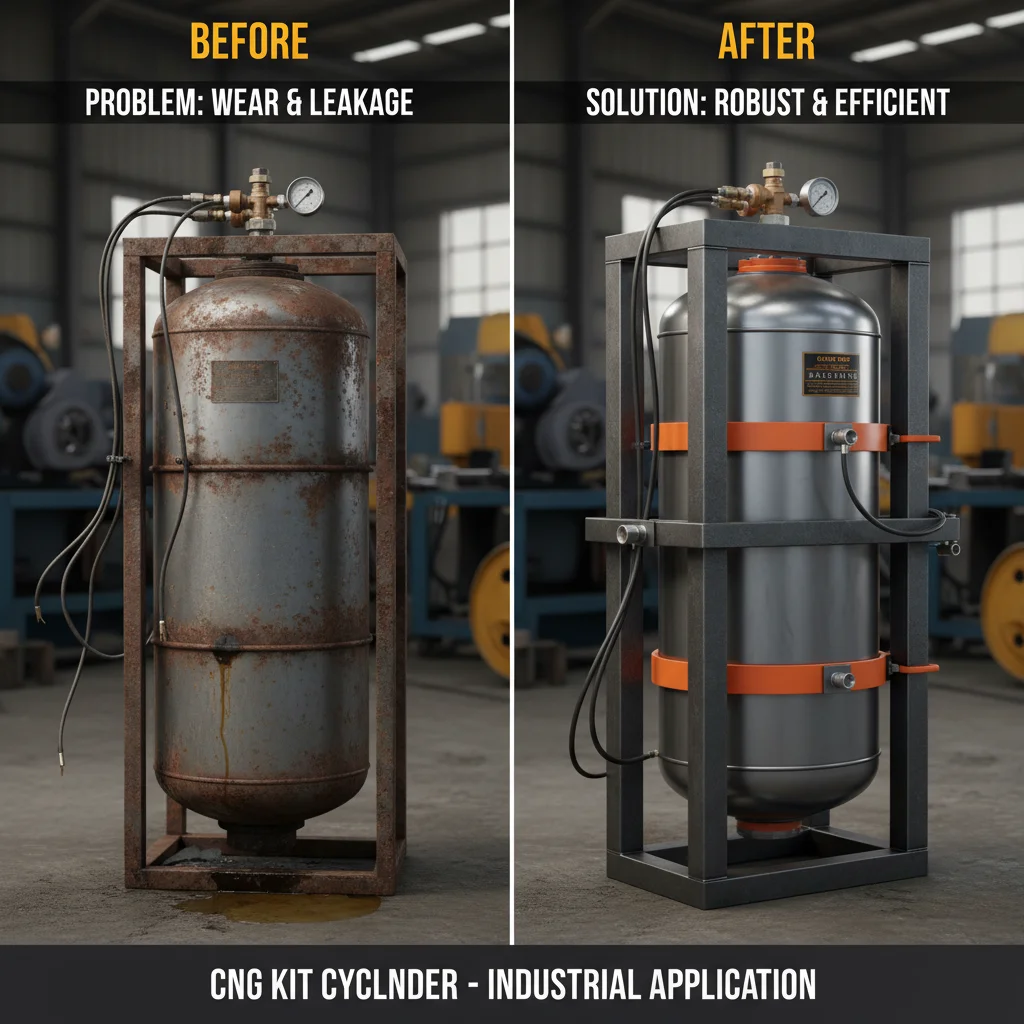
Additionally, the corrosion resistance of these materials provides a significant advantage over metallic tanks. Because the outer layers are non-metallic, they are impervious to rust and chemical degradation, which extends the operational lifespan of the lightweight cng cylinder and reduces the frequency of costly maintenance cycles.
Comparative Efficiency of Gas Storage Solutions
Global Applications and Real-World Use Cases
The versatility of the lightweight cng cylinder is evident in its diverse application across various sectors. In the logistics industry, heavy-duty trucks equipped with these cylinders can travel longer distances without refueling, reducing the number of stops and increasing the speed of delivery. This is particularly vital in regions like Southeast Asia and Latin America, where road infrastructure may be underdeveloped.
Beyond transport, these cylinders are indispensable in remote industrial zones—such as mining camps or off-grid construction sites—where they serve as portable energy hubs. By deploying a fleet of lightweight cng cylinder bundles, companies can provide a stable power source for generators and heating systems without the need for permanent pipeline installation.
Long-Term Value and Sustainability Impact
The adoption of a lightweight cng cylinder yields tangible economic benefits through the reduction of fuel consumption. Because the vehicle's tare weight is lower, the engine works less to move the same payload, resulting in a direct decrease in operational costs. This logical economic incentive drives faster corporate adoption of CNG technology.
From a sustainability perspective, the use of these cylinders facilitates the transition from diesel to cleaner-burning natural gas. This shift drastically reduces nitrogen oxides (NOx) and particulate matter, improving air quality in urban centers. The longevity of composite materials also means fewer cylinders are discarded over time, reducing the industrial waste associated with tank replacement.
Ultimately, the trust and safety provided by rigorous testing (such as burst tests and cycle tests) ensure that the lightweight cng cylinder is not just an innovation in weight, but a gold standard in reliability. This reliability provides peace of mind to operators and regulators, fostering a more stable transition toward a hydrogen-integrated future.
Future Innovations in Gas Storage Technology
The future of the lightweight cng cylinder is closely tied to the evolution of material science, specifically the development of thermoplastic liners. Unlike traditional thermoset resins, thermoplastics can be recycled at the end of the cylinder's life, aligning the product with the principles of a circular economy.
Furthermore, the integration of IoT sensors—embedded directly into the composite wrap—will allow for real-time structural health monitoring. This "smart" lightweight cng cylinder would be able to alert operators to micro-fractures or pressure anomalies before they become critical, moving maintenance from a scheduled basis to a predictive one.
As we move toward a hydrogen economy, the lessons learned from CNG storage are being applied to create high-pressure hydrogen vessels. The specialized coating techniques used to prevent gas permeation in a lightweight cng cylinder are providing the foundation for the ultra-high-pressure tanks required for hydrogen-powered aviation and shipping.
Comparative Analysis of CNG Cylinder Technology Generations
| Cylinder Type |
Material Composition |
Weight Efficiency |
Primary Use Case |
| Type 1 (Steel) |
All-Steel Alloy |
Low (2/10) |
Stationary Storage |
| Type 2 (Hoop-Wrapped) |
Steel + Glass Fiber |
Medium (5/10) |
Small Commercial Vehicles |
| Type 3 (Lined) |
Aluminium + Carbon Fiber |
High (8/10) |
High-Performance Transport |
| Type 4 (Composite) |
Polymer + Carbon Fiber |
Ultra-High (10/10) |
Heavy-Duty Logistics |
| Smart Composite |
Carbon Fiber + IoT Sensors |
Ultra-High (10/10) |
Predictive Maintenance Fleets |
| Recyclable Thermoplastic |
TP Liner + Carbon Fiber |
High (9/10) |
Circular Economy Projects |
FAQS
Unlike steel cylinders, which can fail catastrophically through fragmentation or sudden rupture, a composite lightweight CNG cylinder is designed to fail gracefully. The fiber layers are engineered to contain the pressure even if the inner liner leaks, and they typically exhibit a "leak-before-break" behavior, providing a critical safety margin for operators.
Depending on the type, weight savings can be dramatic. A Type 4 lightweight CNG cylinder can be up to 70% lighter than a Type 1 steel cylinder of the same capacity. This reduction translates directly into higher payload capacities for trucks and improved fuel economy for transport fleets.
While CNG and hydrogen are different gases, the material science used in lightweight CNG cylinders—specifically carbon fiber winding—is the foundation for hydrogen storage. However, hydrogen requires a more specialized, non-permeable liner due to its smaller molecular size, but the general "lightweight" architectural approach remains the same.
Most composite lightweight CNG cylinders are designed for a service life of 15 to 20 years, depending on the operating environment and frequency of refill cycles. Regular inspections and adherence to ISO safety standards ensure they maintain their integrity throughout this period.
The initial manufacturing cost is higher than steel due to the price of carbon fiber and the precision of filament winding. However, the total cost of ownership is lower because of the increased fuel efficiency, higher payload capacity, and reduced maintenance costs over the life of the vessel.
Maintenance primarily involves periodic visual inspections for outer shell damage and pressure testing at certified intervals. Because they are corrosion-resistant, they require far less chemical treatment than steel, making the maintenance process simpler and more environmentally friendly.
Conclusion
The evolution of the lightweight cng cylinder represents a critical intersection of material science and environmental stewardship. By drastically reducing the weight of gas storage systems, these composite vessels have unlocked new efficiencies in transport and energy distribution, enabling a more flexible and sustainable "Virtual Pipeline" for natural gas and other industrial gases.
Looking forward, the integration of smart monitoring and recyclable materials will further solidify the role of the lightweight cng cylinder as a cornerstone of the green energy transition. For businesses seeking to optimize their logistics and reduce their carbon footprint, investing in advanced composite storage is no longer an option—it is a strategic necessity. Visit our website: www.enricgroupsjz.com