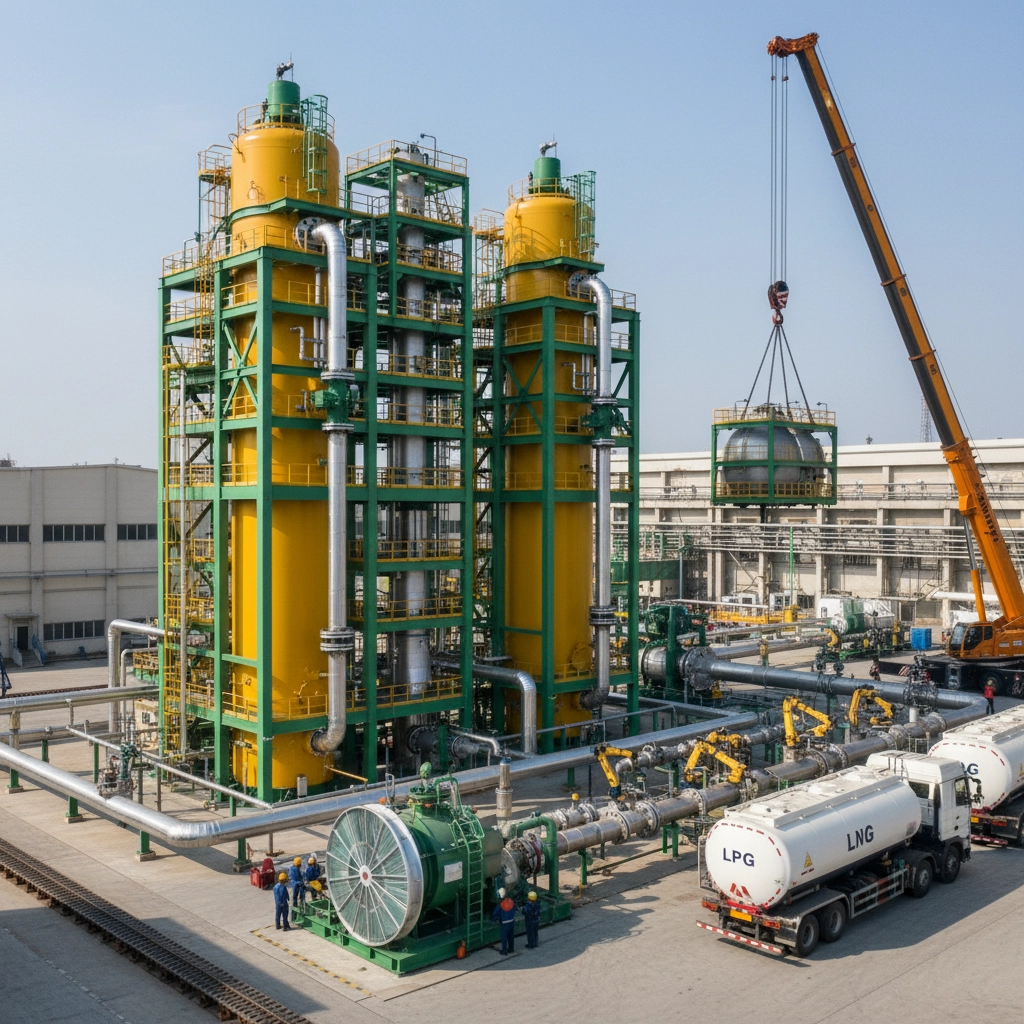
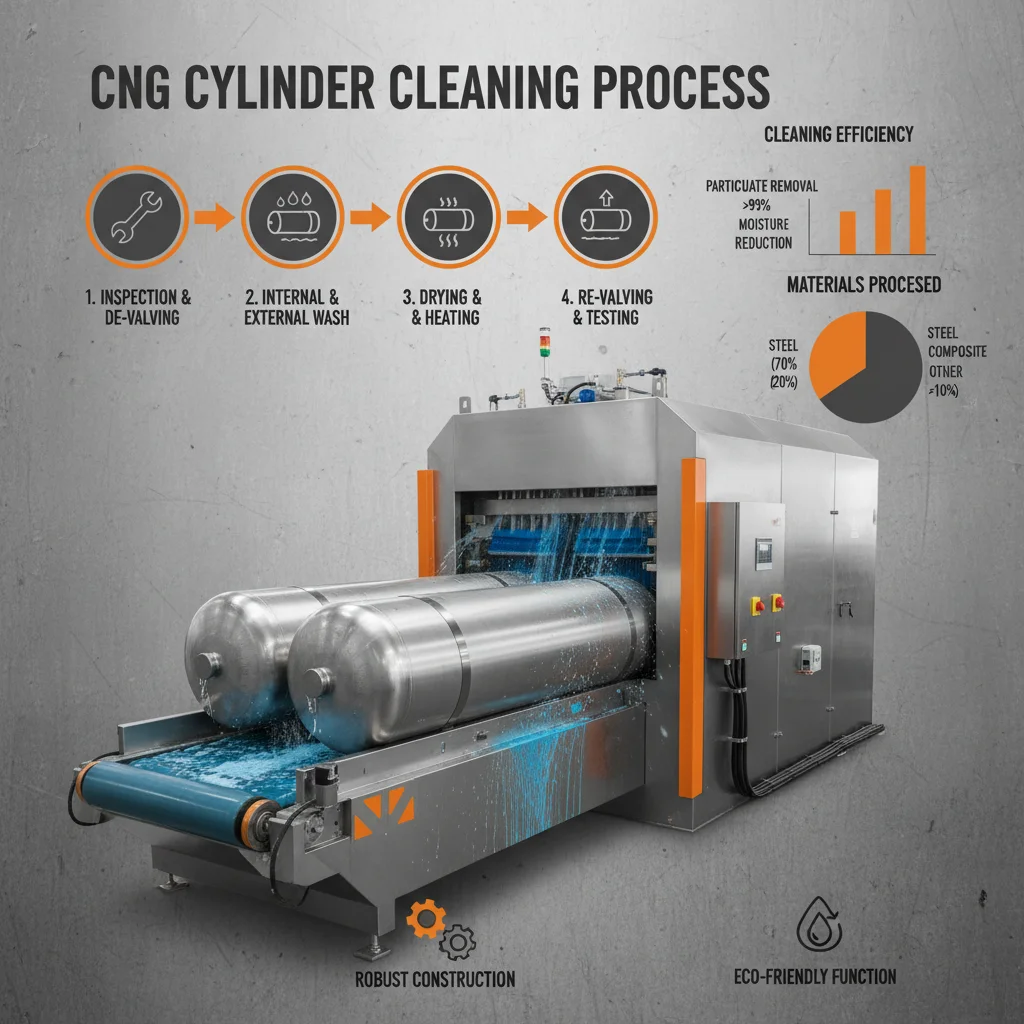
The transition toward cleaner energy sources has accelerated the demand for advanced storage solutions, placing the fiber cng cylinder at the forefront of industrial gas logistics. As global industries shift away from heavy, corrosive steel tanks, these composite structures provide a lightweight yet incredibly strong alternative for transporting Compressed Natural Gas (CNG). By leveraging the high tensile strength of carbon fiber, these cylinders allow for higher storage pressures and significantly increased payloads, making the transport of green energy more economically viable.
Understanding the mechanics and application of a fiber cng cylinder is crucial for operators in the chemical and energy sectors who aim to optimize their supply chains. These cylinders are not merely containers but engineered pressure vessels that integrate polymer liners with composite overwraps to prevent leaks and resist fatigue. This technological leap addresses the critical challenge of "last-mile" delivery in regions where pipeline infrastructure is absent, ensuring that clean fuel reaches remote industrial sites efficiently.
From a global perspective, the adoption of fiber-reinforced cylinders reflects a broader commitment to sustainability and safety standards defined by ISO and other international regulatory bodies. By reducing the dead weight of transport vehicles, the fiber cng cylinder effectively lowers the overall carbon footprint of the logistics process. This comprehensive guide explores the technical specifications, global applications, and future innovations that make these composite cylinders indispensable to the modern energy landscape.
Global Relevance of Fiber CNG Cylinder Technology
The global energy transition is currently facing a significant logistical bottleneck: how to move high-pressure gases without the prohibitive weight of traditional steel. The fiber cng cylinder has emerged as the definitive solution, aligning with UN Sustainable Development Goals by enabling the distribution of lower-emission fuels to underdeveloped regions. In markets across Asia and Africa, these composite cylinders are replacing outdated infrastructure, allowing for a modular "virtual pipeline" approach that bypasses the need for multi-billion dollar piping projects.
Furthermore, the industry is seeing a massive shift toward Type 3 and Type 4 cylinders, which utilize aluminum or plastic liners wrapped in carbon fiber. This shift is driven by the need for higher energy density and improved safety profiles. As international standards like ISO 11119 evolve, the fiber cng cylinder is becoming the benchmark for reliability in the transportation of industrial gases, hydrogen, and natural gas, ensuring that the global shift toward green energy is not hindered by the limitations of material science.
Defining the Fiber CNG Cylinder and its Industry Role
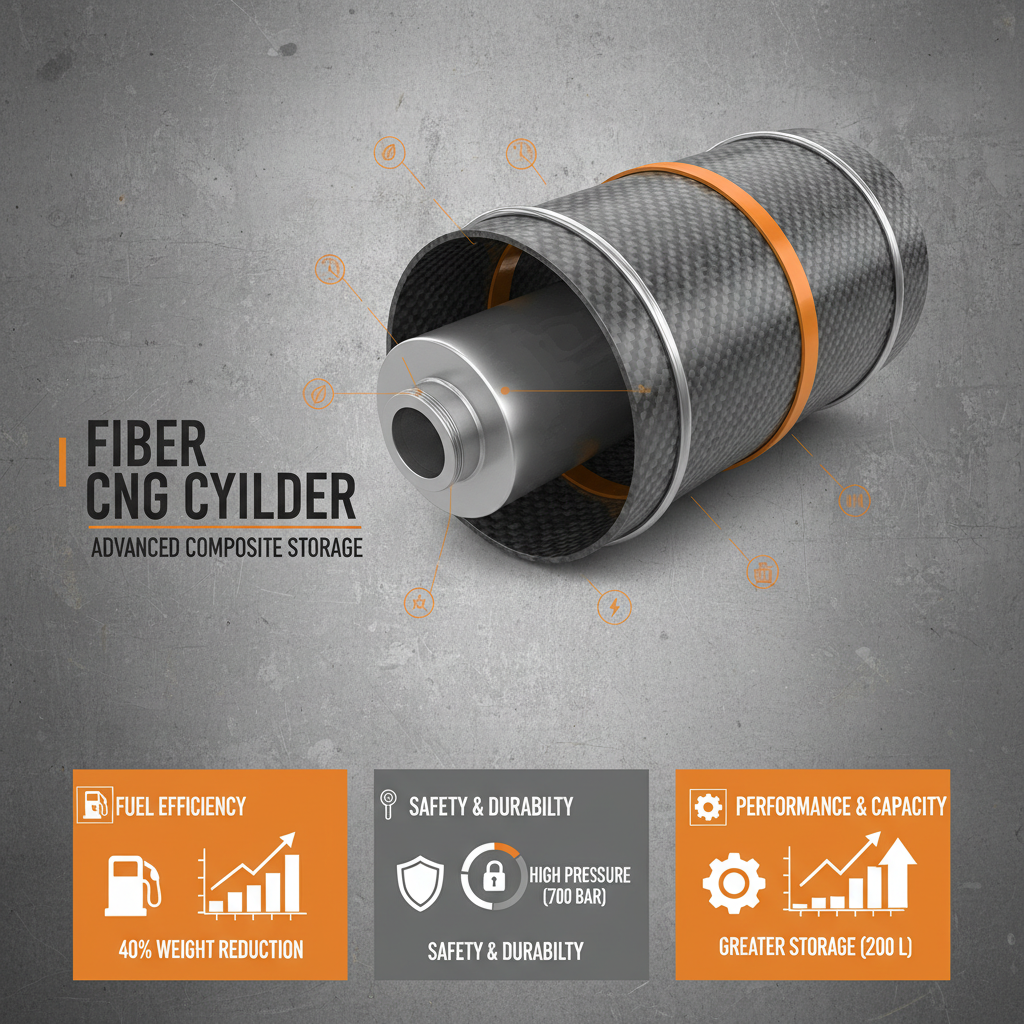
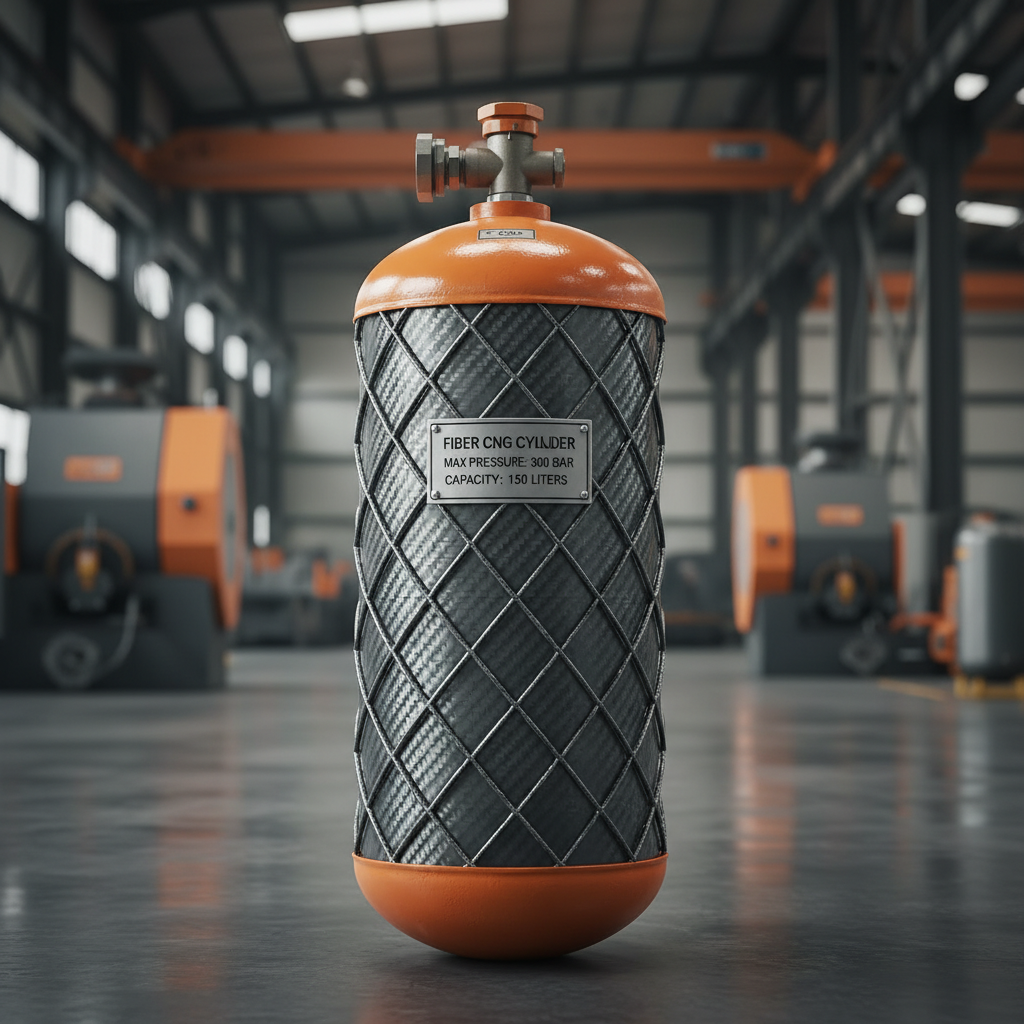
At its core, a fiber cng cylinder is a high-pressure storage vessel constructed from a combination of a gas-tight inner liner and a high-strength outer shell made of composite materials, typically carbon fiber or glass fiber reinforced polymer (CFRP/GFRP). Unlike traditional steel tanks, which rely on the thickness of the metal for strength, fiber cylinders utilize the exceptional tensile strength of the fiber wrap to withstand internal pressures often exceeding 20 MPa or even 25 MPa.
In the context of modern industry, these cylinders serve as the critical link between gas production plants and end-users. In the "Virtual Pipeline" model, bundles of fiber cng cylinders are mounted on trailers, allowing for the flexible transport of gas to factories, power plants, or remote residential clusters. This adaptability is essential for the "Industrial Gas & Electronic Gas Products" category, where purity and pressure stability are paramount for the functioning of sensitive manufacturing equipment.
Beyond simple transport, the fiber cng cylinder represents a humanitarian advancement. In disaster-prone areas or post-relief operations, the ability to deploy lightweight, high-capacity fuel storage allows NGOs and governments to provide heating and energy to displaced populations without needing heavy machinery to install permanent infrastructure. This versatility transforms the cylinder from a piece of equipment into a tool for social and economic resilience.
Core Components and Engineering Factors
The structural integrity of a fiber cng cylinder depends on the synergy between its liner and the composite wrap. The liner—whether made of high-grade aluminum or a specialized high-density polyethylene (HDPE)—acts as the primary gas barrier, preventing permeation. This ensures that the stored natural gas does not leak through the porous structure of the composite fibers, maintaining the pressure required for industrial applications.
The "wrapping" process is where the true strength of the fiber cng cylinder is forged. Using automated filament winding technology, carbon fibers are impregnated with a resin matrix and wound around the liner in precise geometric patterns. This process allows engineers to optimize the strength-to-weight ratio, ensuring the cylinder can handle extreme pressure spikes while remaining light enough to be handled by standard industrial equipment.
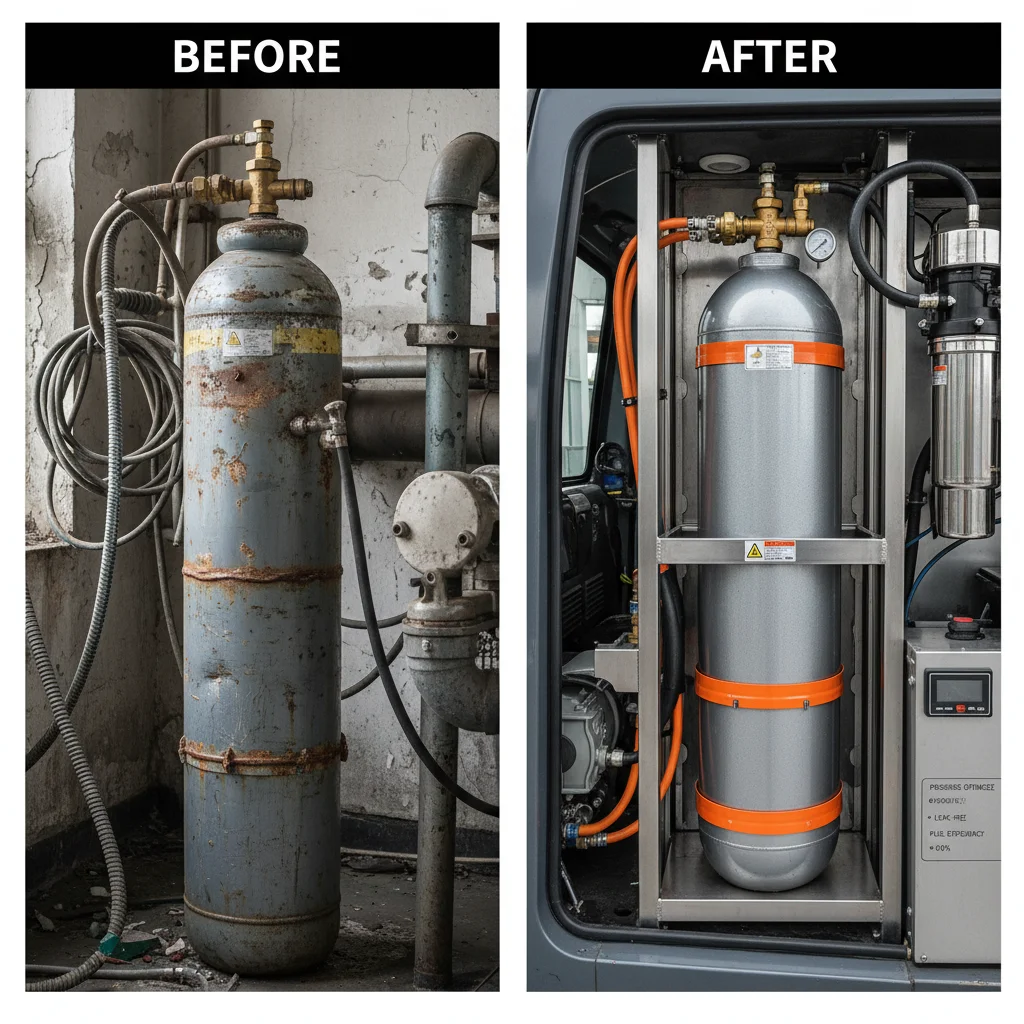
Durability and corrosion resistance are the final key factors. Unlike steel, which is prone to oxidation and rust—especially in coastal or humid industrial environments—the composite materials in a fiber cng cylinder are inherently inert. This eliminates the need for frequent interior coatings and reduces the risk of catastrophic failure due to material fatigue, significantly extending the operational lifespan of the vessel.
Performance Metrics and Efficiency Gains
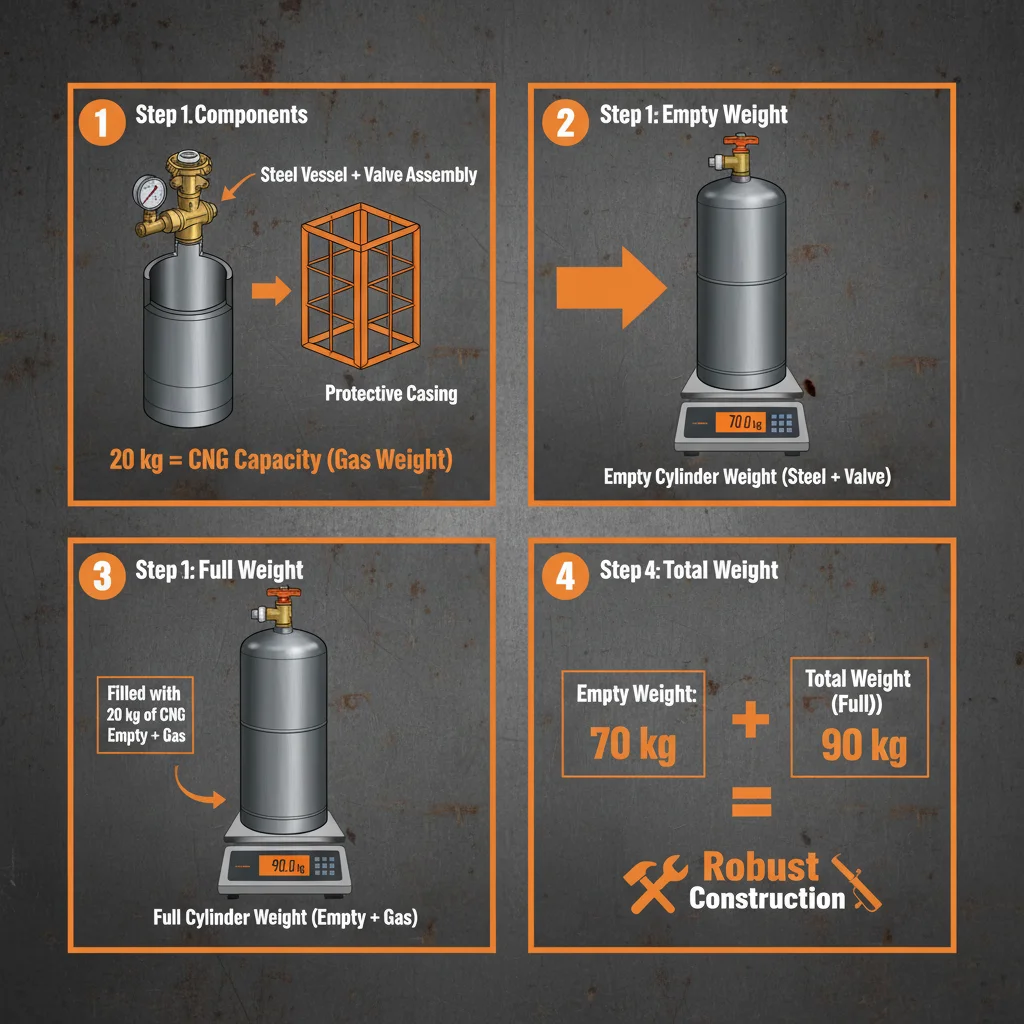
When comparing storage solutions, the primary metric is the "gas-to-weight ratio." A fiber cng cylinder offers a dramatic improvement over steel, often reducing the container weight by up to 70% while holding the same or greater volume of gas. This allows transport trucks to carry significantly more fuel per trip, reducing the number of rotations required and lowering fuel costs for the logistics provider.
Moreover, the safety factor of composite cylinders is engineered into the material's failure mode. While steel cylinders can fail through brittle fracture or sudden rupture, a carbon-fiber wrapped fiber cng cylinder is designed to exhibit a more controlled failure pattern, often leaking slowly rather than exploding under extreme stress. This inherent safety feature reduces the insurance premiums for operators and increases the trust of regulatory agencies.
Comparative Performance Analysis of Fiber CNG Cylinder Types
Global Applications and Real-World Use Cases
The application of the fiber cng cylinder spans across diverse industries. In the "Chemicals" and "Green Energy" sectors, these cylinders are used to transport high-purity industrial gases to laboratories and production plants. For instance, in Southeast Asia, many remote factories that lack natural gas pipeline access rely on "CNG tube trailers" filled with fiber cylinders to maintain their production schedules without switching to more polluting diesel generators.
Beyond industrial use, these cylinders are pivotal in the transition to Hydrogen energy. Because hydrogen molecules are smaller and more prone to leakage than methane, the advanced liners of a fiber cng cylinder can be adapted to store hydrogen at extremely high pressures (up to 70 MPa). This is currently being deployed in hydrogen-powered bus fleets and heavy-duty trucking in Europe and China, proving that the technology is scalable across different gas types.
Long-Term Value: Safety, Sustainability, and ROI
Investing in a fiber cng cylinder provides a compelling Return on Investment (ROI) when viewed through the lens of operational efficiency. While the initial procurement cost may be higher than that of steel, the reduction in transport weight leads to lower fuel consumption and decreased wear and tear on vehicle chassis. Over a five-year operational cycle, the savings in logistics costs typically far outweigh the initial capital expenditure.
From a sustainability perspective, the use of composite cylinders supports the "circular economy." By enabling the widespread use of Natural Gas—a bridge fuel—these cylinders help industries transition away from coal and heavy oil. The reduced weight of the fiber cng cylinder also means that the transport vehicles themselves emit fewer greenhouse gases, creating a positive feedback loop of environmental benefit.
Finally, there is the emotional value of safety and trust. For companies transporting hazardous high-pressure gases through populated areas, the enhanced rupture resistance of fiber composites provides peace of mind. The ability to certify these cylinders under strict international safety protocols ensures that employees and the public are protected, safeguarding the company's reputation and reducing legal liabilities.
Future Trends in Composite Gas Storage
The future of the fiber cng cylinder lies in the integration of "Smart Monitoring" systems. We are seeing the emergence of embedded sensors within the composite layers that can monitor stress, temperature, and fatigue in real-time. This transition toward "Industry 4.0" allows for predictive maintenance, where a cylinder can signal the need for inspection before any physical defect becomes visible, virtually eliminating the risk of unplanned downtime.
Material science is also evolving toward the use of thermoplastic composites. Unlike the thermoset resins currently used, thermoplastics can be reheated and reshaped, making the fiber cng cylinder fully recyclable at the end of its life cycle. This removes the "landfill problem" associated with old carbon fiber structures and aligns the product with the strictest global environmental regulations.
Furthermore, the convergence of Natural Gas and Hydrogen storage is accelerating. Future designs are focusing on "universal" composite shells that can handle varying gas types with minimal liner adjustments. As the world moves toward a hydrogen economy, the foundational technology of the fiber cng cylinder will be the bedrock upon which the next generation of energy distribution is built.
Technical Comparison of Fiber CNG Cylinder Materials and Standards
| Cylinder Type |
Liner Material |
Weight Efficiency |
Lifespan Rating |
| Type 2 Fiber |
Steel + Hoop Wrap |
Moderate (5/10) |
15 Years |
| Type 3 Fiber |
Aluminum Liner |
High (8/10) |
20 Years |
| Type 4 Fiber |
Polymer Liner |
Very High (10/10) |
25 Years |
| Carbon High-Press |
Advanced Alloy |
Extreme (9/10) |
20 Years |
| Glass-Fiber Mix |
Plastic Liner |
Moderate (6/10) |
15 Years |
| Industrial Hybrid |
Mixed Composite |
High (7/10) |
18 Years |
FAQS
Fiber CNG cylinders are designed with a composite structure that prevents the "shrapnel effect" seen in steel tank failures. In the event of an extreme over-pressure scenario, the carbon fiber layers tend to fail progressively or leak, rather than shattering into dangerous fragments. Additionally, they are immune to rust and corrosion, which are the primary causes of thinning walls and subsequent bursts in traditional steel cylinders.
Depending on the "Type" (Type 2, 3, or 4), the operational lifespan generally ranges from 15 to 25 years. Type 4 cylinders, which use polymer liners, often have the longest lifespan because they are completely immune to internal corrosion. Regular hydrostatic testing and visual inspections every 3-5 years are recommended to ensure the composite wrap remains intact and the liner is functioning perfectly.
While the initial purchase price is higher than steel, the long-term operational costs are significantly lower. The primary savings come from increased payload capacity per trip—meaning fewer deliveries are needed to move the same volume of gas. For small businesses in the "Virtual Pipeline" network, this leads to a reduction in fuel, labor, and vehicle maintenance costs, typically resulting in a full ROI within 2 to 3 years.
Yes, the fiber cng cylinder architecture is highly adaptable. With adjustments to the liner material (to prevent gas permeation), these cylinders are used extensively for Industrial Gases, Electronic Gases, and most notably, Hydrogen. Hydrogen requires higher pressures and specialized liners to prevent "hydrogen embrittlement," a challenge that the advanced polymer liners of Type 4 composite cylinders are specifically designed to solve.
You should look for compliance with international standards such as ISO 11119 (for composite cylinders) and DOT (Department of Transportation) or TPED (Transportable Pressure Equipment Directive) certifications. These certifications ensure that the cylinder has undergone rigorous burst testing, fatigue cycling, and environmental stress tests, guaranteeing that the vessel can safely handle the rated working pressure in real-world conditions.
Maintenance focuses on the exterior composite shell. Avoid exposing the cylinder to extreme mechanical impacts or caustic chemicals that could degrade the resin matrix. Regular cleaning and visual checks for "fraying" or "delamination" of the carbon fiber are essential. Furthermore, ensuring that the valves are replaced according to the manufacturer's schedule prevents leaks and preserves the internal pressure integrity of the vessel.
Conclusion
The fiber cng cylinder represents a paradigm shift in how we store and transport high-pressure energy. By combining the gas-tight properties of advanced liners with the incredible strength of carbon fiber, these vessels have solved the age-old conflict between weight and capacity. From enhancing the efficiency of the virtual pipeline to pioneering the transport of hydrogen, the composite cylinder is more than just a container—it is an enabling technology for a cleaner, safer, and more flexible global energy infrastructure.
Looking forward, the integration of smart sensors and recyclable thermoplastics will further solidify the role of fiber cylinders in a sustainable industrial ecosystem. For enterprises looking to optimize their gas logistics or transition to green energy, investing in high-quality composite storage is no longer an option but a strategic necessity. We invite you to explore how our advanced solutions can transform your energy supply chain. Visit our website: www.enricgroupsjz.com