The global energy landscape is undergoing a seismic shift toward cleaner, more efficient fuel sources, and at the heart of this transition lies the versatile trio of lpg png cng. These gaseous fuels provide a critical bridge between traditional carbon-heavy hydrocarbons and the ultimate goal of a zero-emission future. By optimizing how we store, transport, and utilize these gases, industries can significantly reduce their carbon footprint while maintaining the high energy density required for heavy-duty industrial processes.
Understanding the nuances between liquefied petroleum gas, piped natural gas, and compressed natural gas is no longer just a technical requirement for engineers; it is a commercial imperative. As global regulations tighten around emissions and energy efficiency, the ability to seamlessly integrate lpg png cng into existing infrastructure allows companies to pivot quickly toward green energy without sacrificing operational reliability or incurring prohibitive capital expenditures.
From residential heating and automotive fuel to complex chemical synthesis and industrial power generation, the application of lpg png cng is ubiquitous. This guide delves into the technical specifications, strategic advantages, and future innovations of these gas solutions, providing a comprehensive roadmap for stakeholders in the specialized equipment manufacturing sector looking to enhance their energy logistics and distribution networks.
Global Relevance of LPG PNG CNG
On a global scale, the adoption of lpg png cng represents a strategic shift toward energy security and environmental stewardship. According to data aligned with ISO standards and International Energy Agency trends, the transition from coal and heavy fuel oils to cleaner gaseous fuels has led to a measurable decrease in particulate matter and SOx emissions in industrial zones. This shift is particularly evident in developing economies where the rapid deployment of gas infrastructure provides a scalable path to industrialization without the catastrophic pollution levels seen in the 20th century.
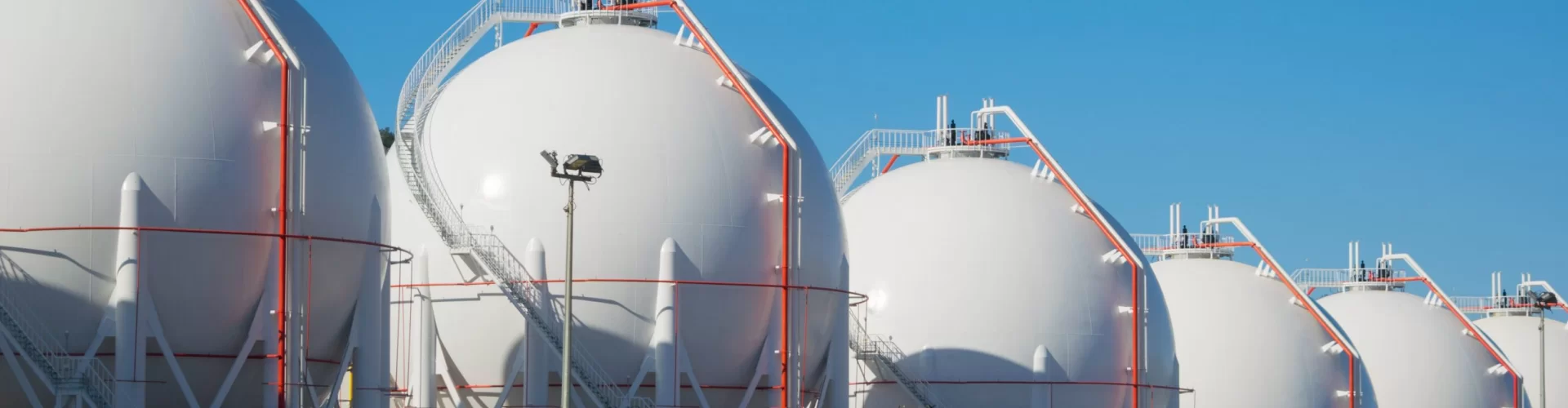
However, the primary challenge remains the "last-mile" delivery of these fuels. While piped natural gas (PNG) is ideal for urban centers, remote industrial sites often struggle with accessibility. This is where the synergy of LPG and CNG becomes vital, offering portable and high-pressure alternatives that ensure continuous energy flow regardless of geographical constraints. By leveraging a diversified portfolio of lpg png cng, nations can insulate their economies from the volatility of single-source energy supplies.
Defining the LPG PNG CNG Ecosystem
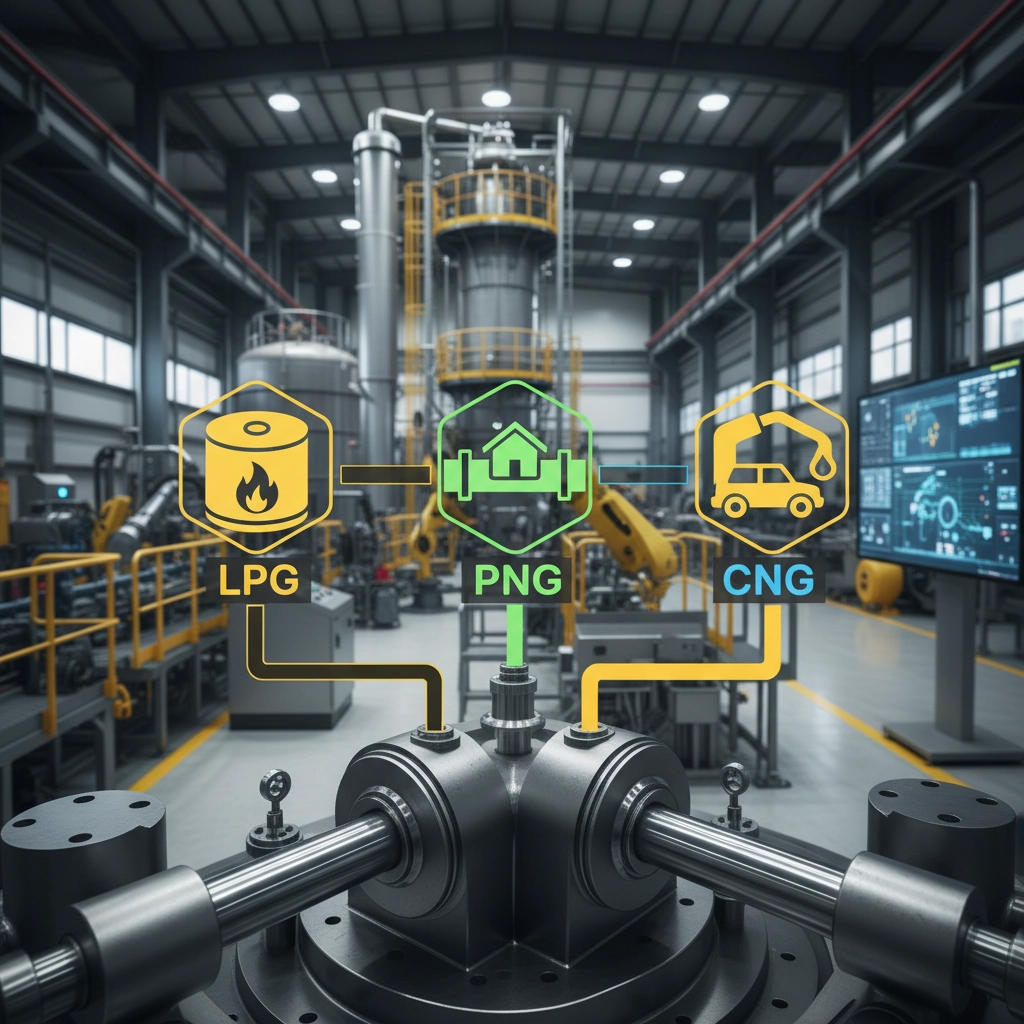
To understand the ecosystem, we must first distinguish between the three. LPG (Liquefied Petroleum Gas) is primarily composed of propane and butane, easily liquefied under moderate pressure for cylinder storage. PNG (Piped Natural Gas) is methane-based and delivered via a sophisticated network of underground pipelines directly to the end-user. CNG (Compressed Natural Gas) is natural gas compressed to less than 1% of its volume at standard ambient temperature and pressure, making it an ideal fuel for transportation and mobile power.
These three fuels are not competitors but complementary tools in a modern energy toolkit. In a typical industrial setup, PNG might provide the baseline energy for large boilers, while lpg png cng solutions like LPG are used for specialized high-heat processes or as a backup system to ensure zero downtime. This multi-modal approach ensures that the energy supply is resilient, redundant, and optimized for cost.
From a humanitarian and developmental perspective, these gases facilitate the "Clean Cooking" and "Clean Power" initiatives globally. By replacing biomass and charcoal with lpg png cng, millions of households and small-scale industries reduce indoor air pollution and deforestation, proving that the technical application of these gases has a profound social impact beyond mere industrial output.
Core Components of Gas Infrastructure
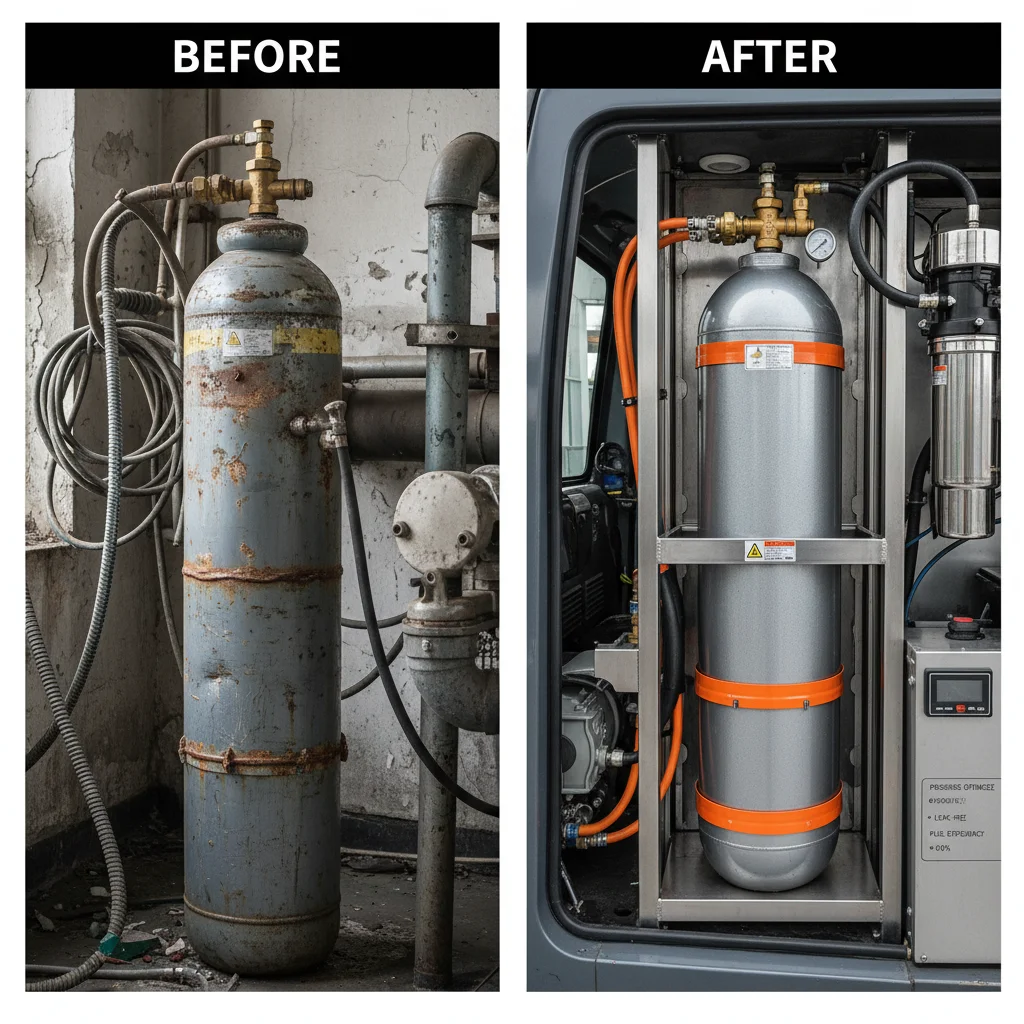
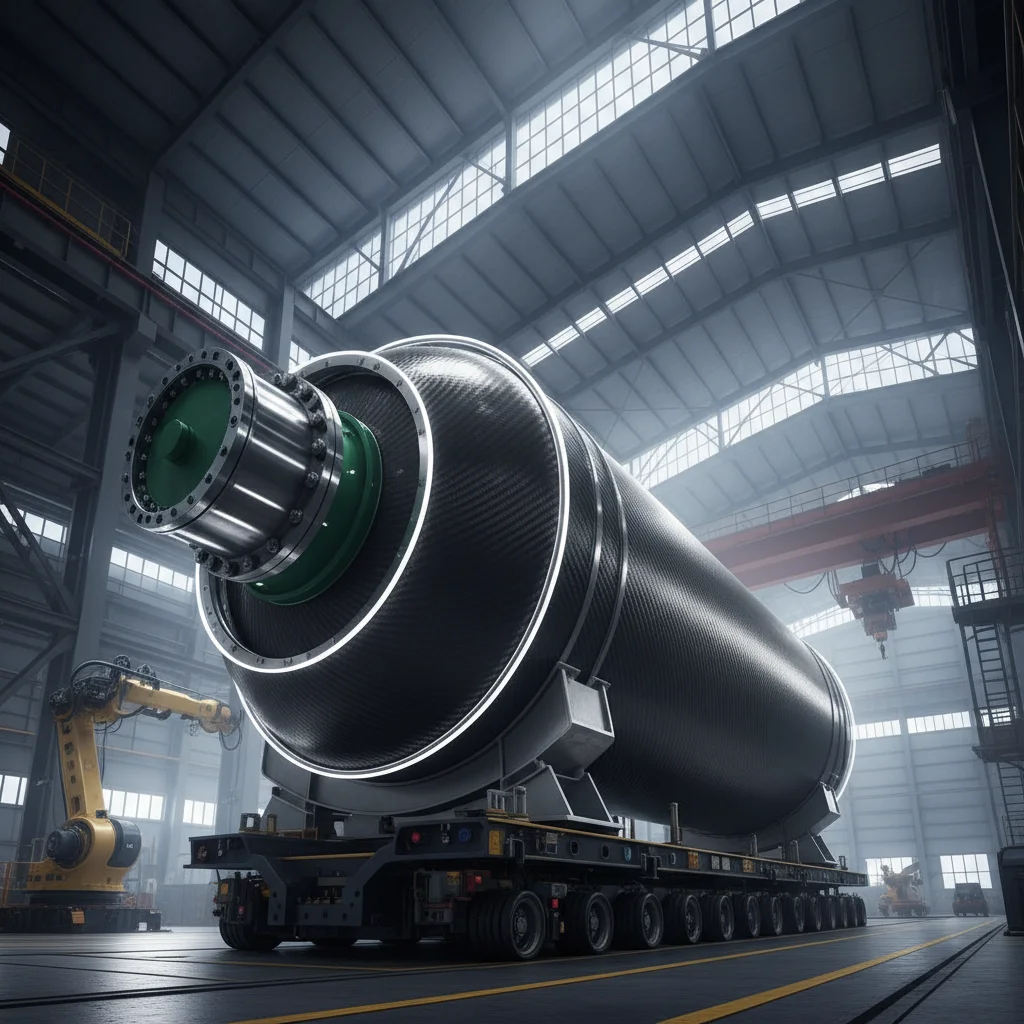
The reliability of lpg png cng systems depends on several core engineering components. First is Material Integrity; since these gases are stored at varying pressures and temperatures, the use of high-grade alloy steels and composite materials is non-negotiable to prevent leaks and stress corrosion cracking.
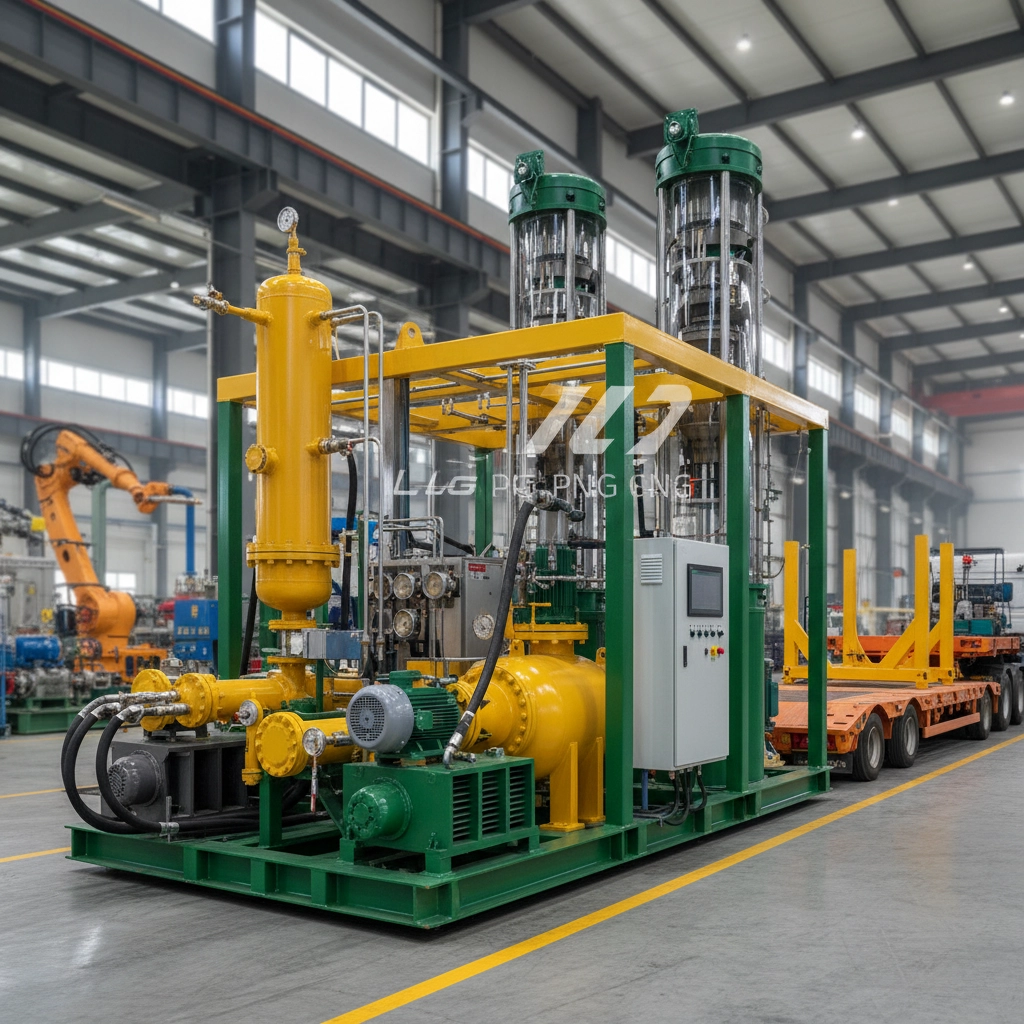
Second is Scalability and Modularity. Modern gas stations and industrial hubs now utilize modular skid-mounted systems for lpg png cng. This allows operators to increase their storage or compression capacity by simply adding new modules rather than rebuilding the entire facility, drastically reducing downtime and capital risk.
Finally, Precision Control Systems play a pivotal role. Digital pressure regulators, automated leak detection sensors, and SCADA integration ensure that the flow of lpg png cng is maintained within strict safety margins. These systems transform dry industry parameters into a safe, manageable, and highly efficient energy stream.
Performance Metrics and Efficiency
When evaluating the efficiency of lpg png cng, engineers focus on energy density and carbon intensity. CNG offers an excellent balance for transport, whereas LPG provides superior energy per unit of volume in liquid form. PNG remains the gold standard for cost-efficiency in high-volume, stationary applications due to the elimination of the bottling and transportation cycle.
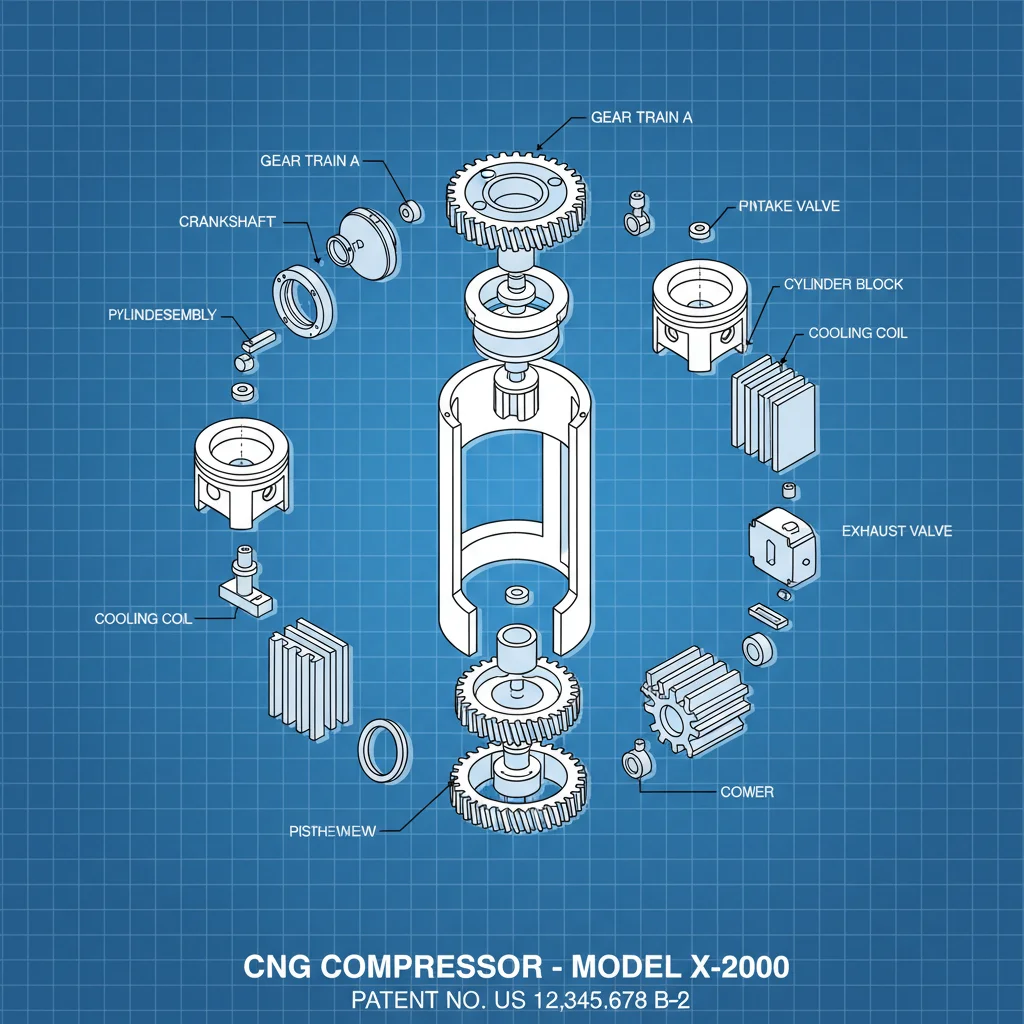
The operational efficiency is further enhanced by the integration of cryogenic technology and advanced compression ratios. By optimizing the compression cycle for lpg png cng, manufacturers can reduce the energy required for refueling and distribution, thereby increasing the net energy gain of the entire supply chain.
Comparative Performance Ratings of Gas Delivery Methods
Global Industrial Applications
In real-world contexts, the application of lpg png cng is diverse. In Southeast Asia and Africa, LPG cylinders are the primary drivers of residential energy transitions. Meanwhile, in the industrial corridors of Europe and North America, PNG fuels massive chemical plants and glass manufacturing facilities, providing a steady, high-volume heat source that is critical for continuous production cycles.
More specialized use cases are found in remote mining zones or post-disaster relief operations. In these scenarios, mobile CNG refueling stations and LPG vaporizers allow for the rapid deployment of power and heating where permanent infrastructure is non-existent. This flexibility makes lpg png cng an essential component of disaster resilience and remote industrial exploration.
Strategic Advantages of Gas Integration
The transition to lpg png cng offers a dual advantage: economic viability and environmental sustainability. Logistically, the ability to switch between these fuels allows companies to hedge against price spikes in any single commodity. For instance, a factory might utilize PNG as its primary source but maintain an LPG backup to avoid costly production halts during pipeline maintenance.
From a sustainability perspective, these gases produce significantly fewer pollutants than diesel or coal. The shift to lpg png cng is often the first step in a corporate "Green Roadmap," allowing firms to achieve immediate emissions reductions while they invest in long-term hydrogen or electric transitions.
Beyond the numbers, there is an element of trust and safety. The use of certified high-pressure vessels and standardized distribution protocols ensures that these energy solutions are not only efficient but safe for the workforce and the community. This reliability builds long-term brand equity for manufacturers who provide the specialized equipment for gas handling.
Future Trends in Gas Technology
Looking ahead, the future of lpg png cng is inextricably linked to the rise of "Green Gases." We are seeing a surge in Bio-CNG and Bio-LPG, where the feedstock is derived from organic waste rather than fossil fuels. This transforms the gas infrastructure into a circular economy tool, capturing methane from landfills and agricultural waste to power the grid.
Digital transformation is also redefining the sector. The integration of IoT (Internet of Things) in lpg png cng storage tanks allows for real-time inventory tracking and predictive maintenance. Sensors can now detect microscopic leaks before they become hazardous, while AI-driven logistics optimize the routing of CNG tankers to minimize fuel consumption during transport.
Furthermore, the synergy between natural gas and hydrogen energy is emerging. Many current lpg png cng pipelines are being tested for "hydrogen blending," where a percentage of hydrogen is added to the natural gas stream. This allows for a gradual transition to a hydrogen economy without requiring a complete overhaul of the existing global pipeline network.
Analysis of LPG, PNG, and CNG Implementation across Various Sectors
|
Fuel Type
|
Primary Sector
|
Deployment Speed
|
Sustainability Score (1-10)
|
| LPG |
Residential / Remote Ind. |
Very Fast |
7 |
| PNG |
Urban Industrial / City |
Slow (Infrastructure) |
8 |
| CNG |
Transportation / Logistics |
Medium |
8 |
| Bio-CNG |
Agricultural / Green Fleet |
Medium |
10 |
| Bio-LPG |
Specialty Chemical |
Fast |
9 |
| Hydrogen Blend |
Heavy Manufacturing |
Slow (Experimental) |
10 |
FAQS
LPG is a liquefied mixture of propane and butane stored in cylinders. PNG is methane delivered via pipelines. CNG is natural gas compressed to high pressure for storage and transport. The choice depends on the location: PNG for urban areas, LPG for portability, and CNG for vehicle fuel and medium-range transport.
Both are safe when managed with professional equipment. CNG is generally safer in the event of a leak because it is lighter than air and dissipates upward. LPG is heavier than air and can pool in low areas. However, modern lpg png cng infrastructure includes automated shut-off valves and sensors that mitigate these risks effectively.
The transition typically involves installing gas conversion kits for engines or upgrading boiler systems. For facilities without pipeline access, installing a CNG daughter station or LPG storage farm provides a viable alternative. Long-term savings are realized through lower fuel costs per unit of energy and reduced carbon taxes.
Yes, Bio-CNG is chemically almost identical to traditional CNG, meaning it can use the same pipelines, compressors, and engines. The primary advantage is the carbon-neutral cycle, as it captures methane that would otherwise enter the atmosphere, making it a superior choice for sustainability-driven enterprises.
Regular hydrostatic testing of cylinders, calibration of pressure relief valves, and ultrasonic leak detection are essential. Implementing a digital monitoring system for lpg png cng helps in predictive maintenance, reducing the risk of unplanned downtime and ensuring compliance with safety regulations.
Look for manufacturers who adhere to international standards such as ASME, ISO, and CE. A reputable provider should offer end-to-end solutions, from storage and compression to distribution and safety monitoring. Evaluating their experience in specialized gas equipment for lpg png cng is key to ensuring system longevity.
Conclusion
In summary, the integrated use of lpg png cng provides a comprehensive solution to the modern world's energy challenges. By balancing the portability of LPG, the stability of PNG, and the efficiency of CNG, industrial operators can build energy systems that are resilient, cost-effective, and environmentally responsible. The technical synergy of these fuels, supported by advanced compression and storage equipment, forms the backbone of the current global transition toward a lower-carbon economy.
As we move toward an era of Bio-gases and hydrogen blending, the importance of high-quality gas infrastructure will only grow. Companies that invest in versatile and modular lpg png cng systems today will be best positioned to adapt to the energy regulations of tomorrow. We encourage you to explore the latest in gas technology and equipment to future-proof your operations. Visit our website: www.enricgroupsjz.com