news

Advanced US Energy Infrastructure with hydrogen storage tank Solutions

Driving the transition to clean energy in North America through high-pressure gas compression and specialized separation equipment.

Advanced US Energy Infrastructure with hydrogen storage tank Solutions

Providing industrial-grade gas storage and separation technologies tailored for the rigorous demands of the United States energy market, ensuring safety, efficiency, and regulatory compliance.

Current State of Gas Equipment in the United States

Analyzing the intersection of shale gas abundance and the shift toward carbon neutrality.

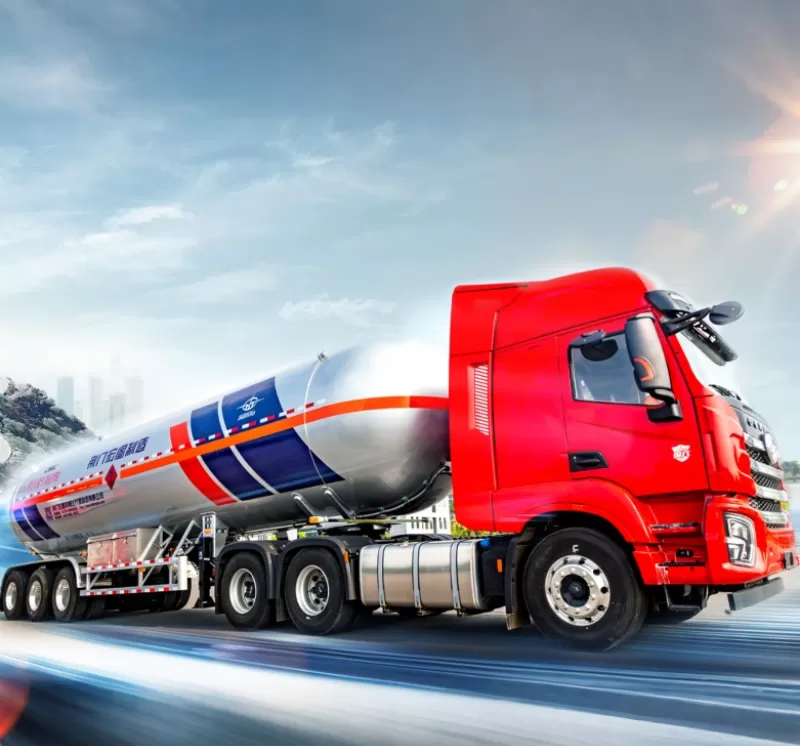
The United States currently faces a dual challenge: managing vast natural gas reserves while aggressively pivoting toward hydrogen and bio-fuels. In regions like Texas and Pennsylvania, the demand for high-performance lng products has surged to facilitate the transport of liquefied natural gas from remote basins to industrial hubs.

Simultaneously, the oil and gas sectors in the Gulf Coast are intensifying their focus on efficiency. The application of advanced demulsifier oil and gas technologies is critical for separating water from crude oil in aging wells, reducing environmental impact and improving recovery rates in harsh climatic conditions.

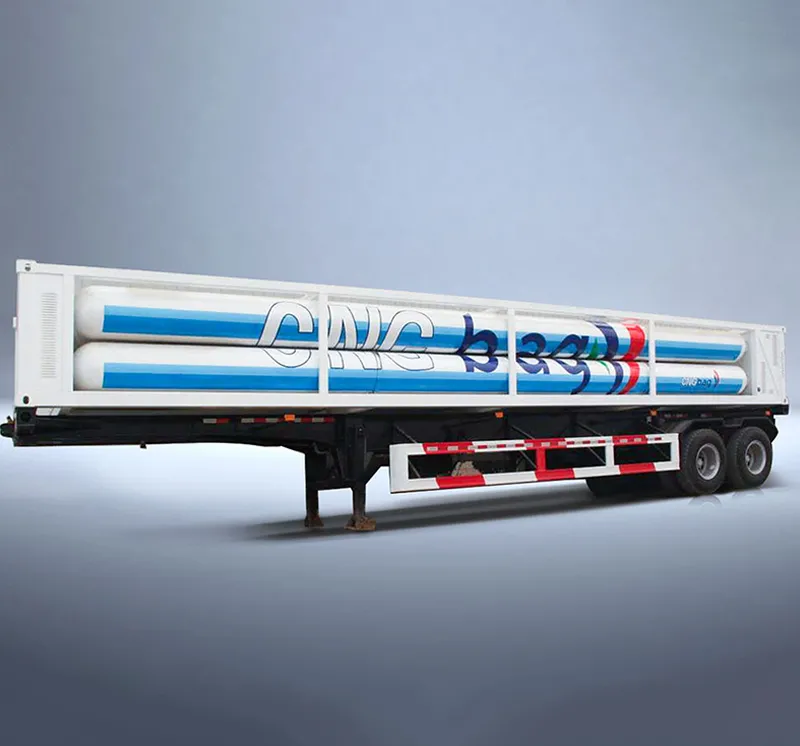
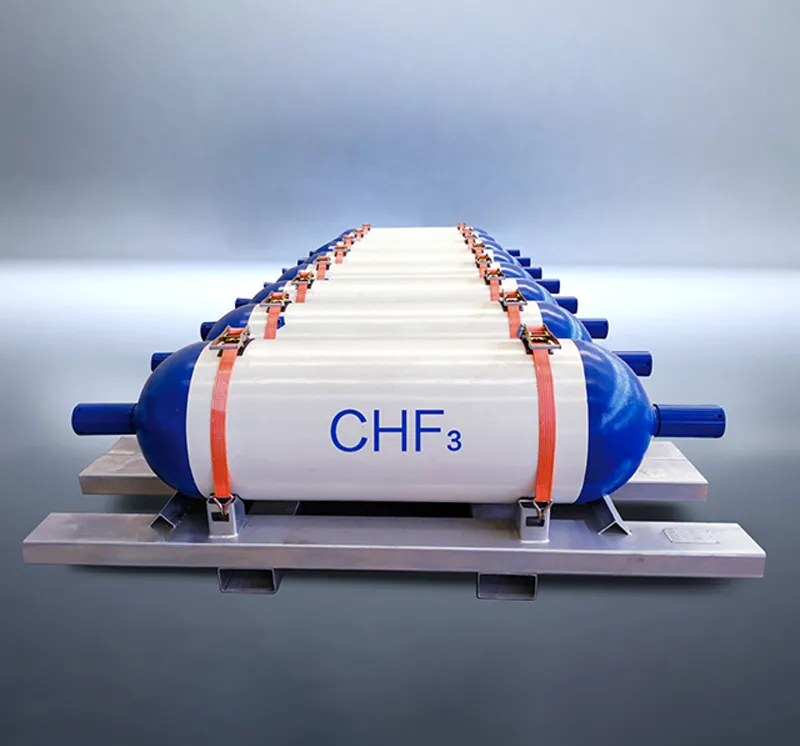
With the federal push for "Hydrogen Hubs," the infrastructure for cng cylinder fleets and large-scale storage is evolving. The market is shifting from traditional steel vessels to composite materials to meet the strict DOT (Department of Transportation) safety standards across North America.
Evolution of Gas Compression and Separation Technology

From legacy mechanical systems to intelligent, low-emission energy storage.

Market Development History

During the late 20th century, the US market relied heavily on heavy-duty steel cylinders and basic centrifugal compressors. The focus was primarily on volume and raw power, with minimal consideration for emission footprints or material fatigue in high-pressure environments.

Between 2010 and 2020, the "Shale Revolution" triggered a massive upgrade in separation equipment. This era saw the integration of sophisticated chemical additives and the widespread adoption of bio lpg gas systems as industries sought to diversify away from pure fossil fuels.

Entering the 2020s, the trajectory shifted toward "Zero Emission." The development of Type IV composite tanks and cryogenic cooling systems has redefined how gases are stored, moving the industry toward the current high-efficiency standards seen in modern US plants.

Future Development Trends

Integration of IoT in Storage

Future systems will feature real-time telemetry for pressure and temperature monitoring to prevent leakage and optimize the lifecycle of storage units.

Next-Gen Composite Materials

The shift toward carbon-fiber reinforced polymers will further reduce the weight of transport units, increasing the payload efficiency for long-haul gas transport.

Synergy of Bio-Gas and Hydrogen

We expect a convergence where existing LPG infrastructure is retrofitted to handle bio-methane and hydrogen blends, reducing the cost of the energy transition.

Industry Trends and Future Outlook

Predicting the technological shifts in US gas processing over the next 5 years.

Hydrogen Economy Acceleration
Massive investment in hydrogen hubs will drive demand for specialized high-pressure storage and transport systems.
Modular Separation Plants
Shift toward skid-mounted, modular units that can be quickly deployed to diverse US oil fields.
Eco-Friendly Chemical Agents
Development of biodegradable demulsifiers to meet tightening EPA regulations.
Bio-LPG Infrastructure
Transitioning residential and industrial heating from fossil LPG to renewable bio-gas sources.

Industry Outlook

Based on Google search trends for "green hydrogen infrastructure" and "carbon capture storage" in the US, the next 3-5 years will see an explosion in the demand for high-pressure containment systems. The market is moving away from centralized hubs toward a distributed energy model.

Efficiency will be the primary driver. Companies that can reduce the energy cost of compression and increase the purity of separation through advanced equipment will dominate the North American landscape.

Localized Application Scenarios in the US

Real-world deployment of gas equipment across different North American industrial zones.

01. Texas Permian Basin Oilfield Separation

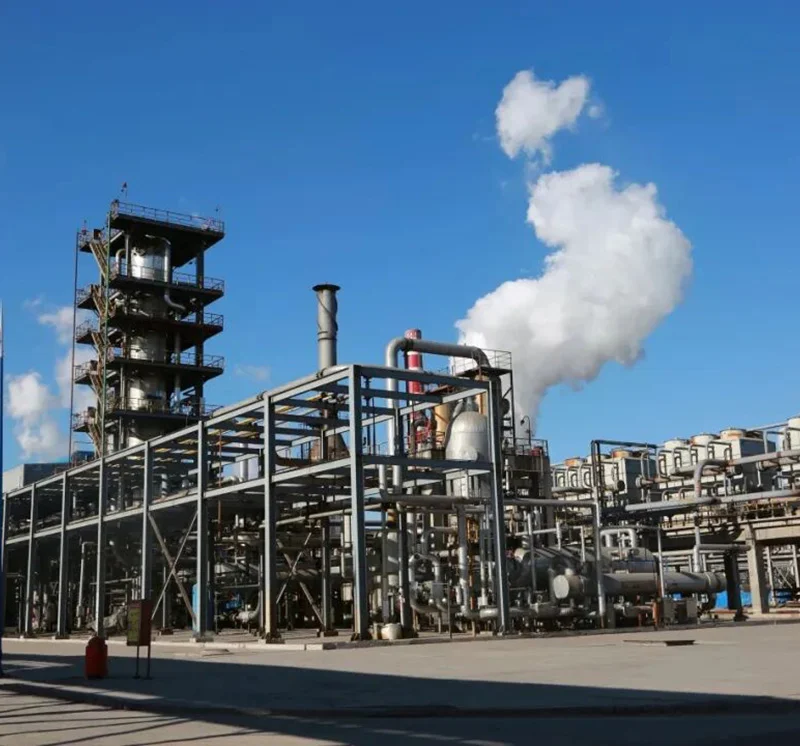
Deployment of high-capacity separators utilizing demulsifier oil and gas agents to handle high-viscosity crude, ensuring rapid water removal for pipeline transport.

02. California Hydrogen Transit Hubs

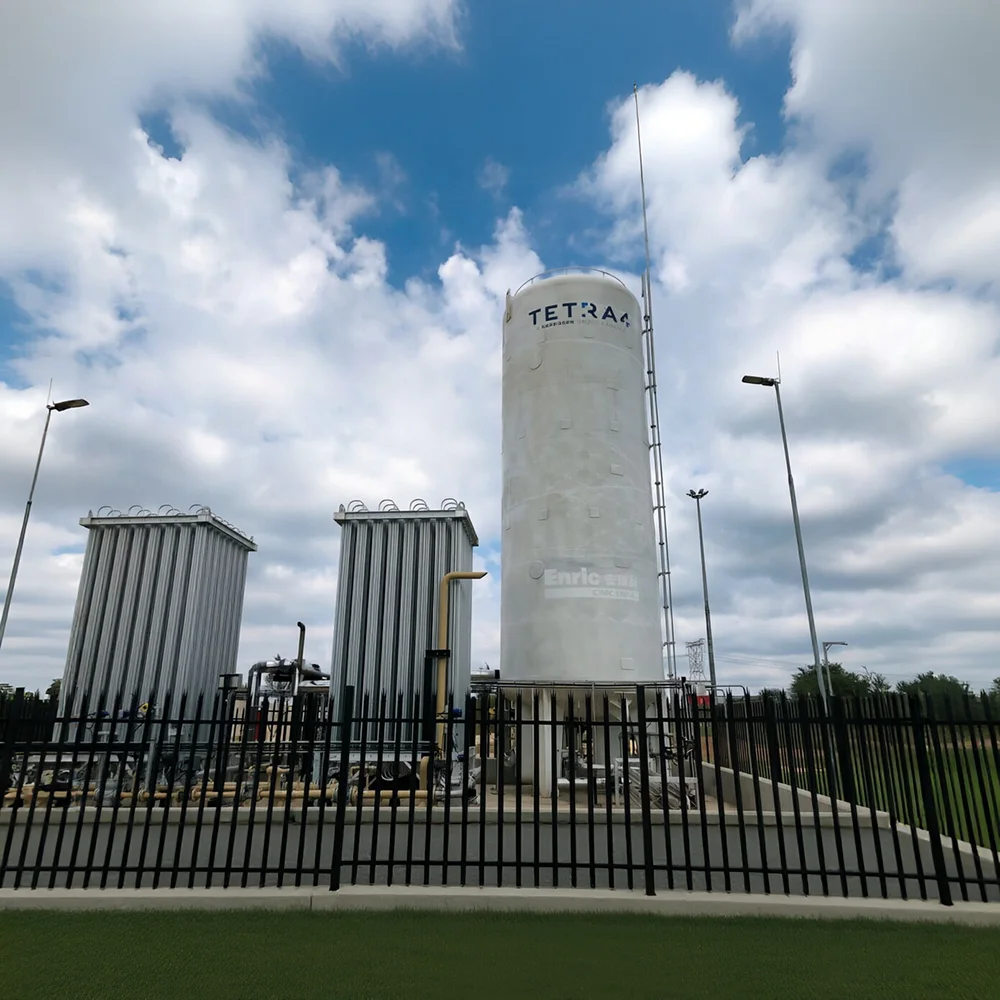
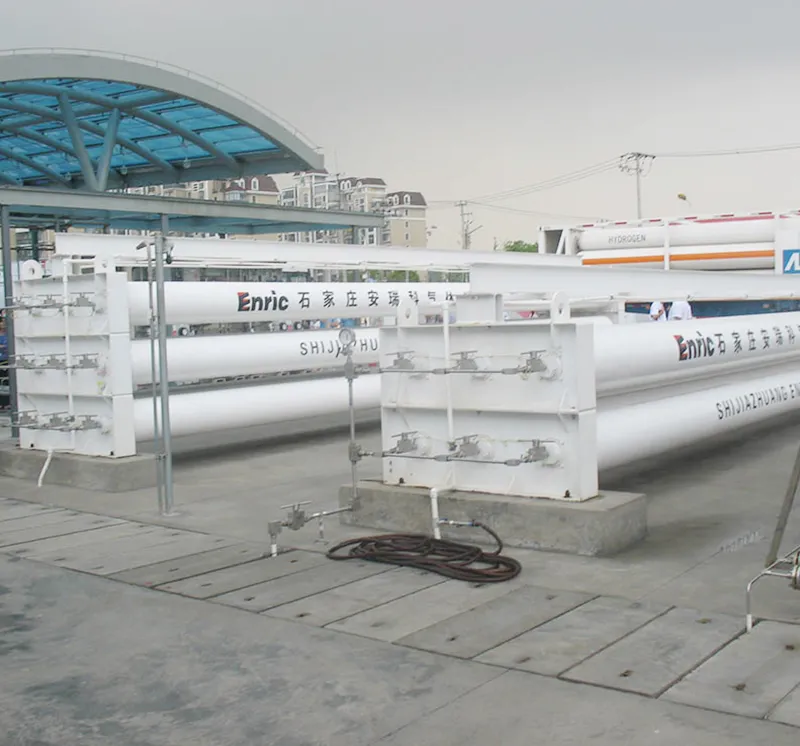
Installing ultra-high pressure hydrogen storage tank arrays at fueling stations to support the state's goal of zero-emission heavy-duty trucking.

03. Midwest Bio-Gas Refineries

Implementing compression systems for bio lpg gas production from agricultural waste, providing a sustainable heating alternative for rural communities.

04. Appalachian Shale Gas Transport

Utilizing a network of cng cylinder bundles for "virtual pipelines" to transport natural gas to industrial sites lacking fixed pipeline access.

05. Gulf Coast LNG Export Terminals

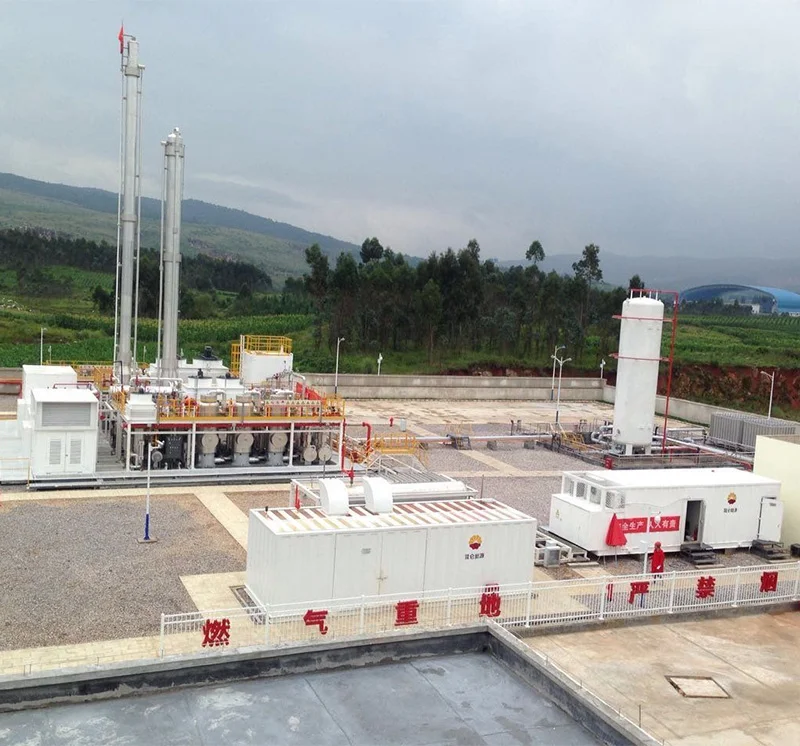
Integration of large-scale lng products including cryogenic storage and loading arms for global energy export.

Brand Story

Global Development Journey of Shijiazhuang Enric Gas Machinery Co., Ltd.

Foundational Engineering

Established with a focus on precision gas machinery, solving the initial pain points of leak-proof high-pressure compression.

Technological Breakthroughs

Developing advanced composite materials for gas storage, significantly reducing weight while increasing safety factors.

Global Market Entry

Expanding into North America and Europe, adapting products to meet ASME and DOT certifications for international compliance.

Green Energy Pivot

Investing in hydrogen and bio-gas technologies to lead the transition toward a carbon-neutral industrial future.

Industry Leadership

Becoming a trusted partner for Fortune 500 energy companies by providing end-to-end gas separation and storage solutions.

Comprehensive Gas Equipment Portfolio for the US Market

Integrated solutions from capture and separation to storage and distribution.

US Energy Equipment FAQ

Expert answers to common technical and regulatory questions in the North American market.

Do your CNG cylinders comply with US DOT safety standards?

Yes, all our high-pressure storage units are engineered and tested to meet or exceed US Department of Transportation (DOT) and ASME standards for safe transport and stationary use.

How do hydrogen storage tanks handle extreme US temperature fluctuations?

Our tanks utilize advanced thermal insulation and composite materials that maintain structural integrity from the freezing winters of Alaska to the heat of Arizona.

What is the efficiency gain when using advanced demulsifiers in oil and gas separation?

Our specialized chemical separation agents can reduce water-in-oil emulsions by up to 99%, significantly lowering processing time and reducing equipment corrosion.

Can your LNG products be integrated into existing pipeline infrastructure?

Our regasification and storage units are designed with modular interfaces, allowing for seamless integration with standard US midstream pipeline configurations.

What are the benefits of Bio LPG gas over traditional LPG in industrial heating?

Bio LPG provides a nearly identical energy profile to traditional LPG but with a significantly lower carbon footprint, helping US firms meet ESG mandates.

How do I maintain high-pressure gas compression equipment in remote areas?

We provide IoT-enabled remote monitoring systems that alert operators to maintenance needs before failure occurs, minimizing downtime in remote US oilfields.

Ready to Upgrade Your Gas Infrastructure?

Contact our expert engineers today for customized energy solutions delivered across the United States.

Contact Us Now

If you are interested in our products, you can choose to leave your information here, and we will be in touch with you shortly.