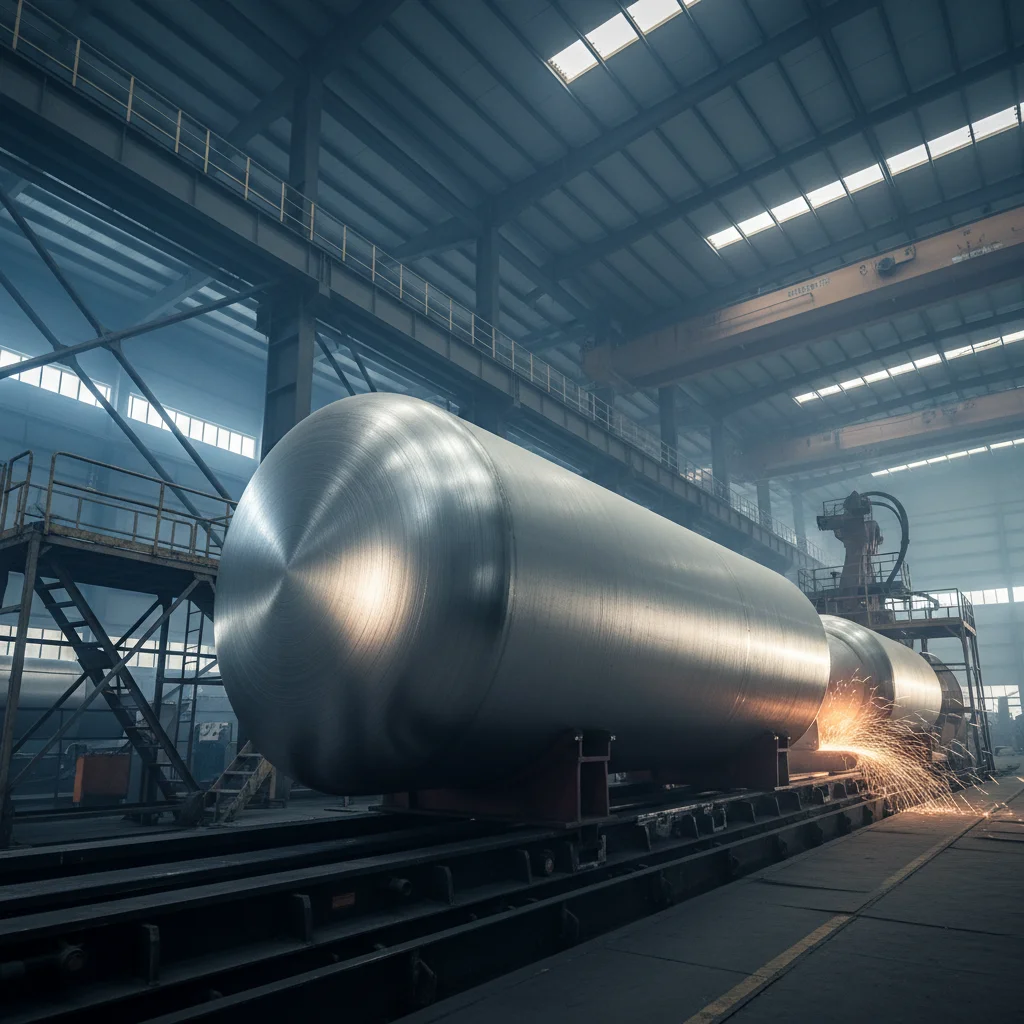
The global transition toward cleaner energy sources has placed a significant spotlight on the efficiency of natural gas logistics, where the cng storage tank serves as a critical bridge. By allowing the compression of natural gas to high pressures, these storage solutions enable the transport of energy to regions lacking pipeline infrastructure, effectively decarbonizing heavy-duty transport and industrial heating.
Understanding the technical nuances of a cng storage tank is essential for operators seeking to maximize volumetric efficiency while adhering to stringent safety standards. From material selection—such as Type IV composite cylinders—to the integration of advanced pressure relief valves, the engineering behind these tanks determines the economic viability of Compressed Natural Gas (CNG) as a primary energy carrier.
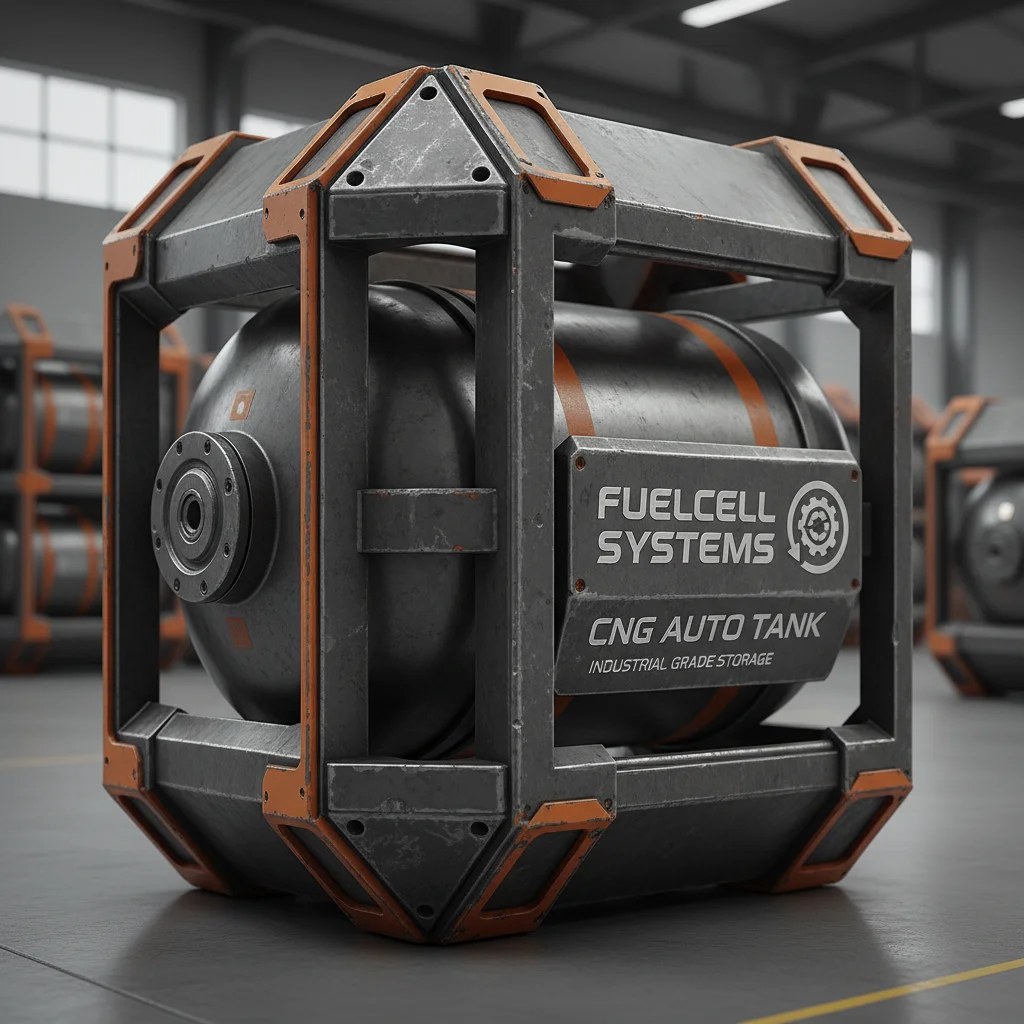
Whether implemented in mobile refueling units or stationary industrial reserves, the modern cng storage tank is no longer just a container but a sophisticated piece of equipment designed for longevity, safety, and high-cycle durability in the most demanding environmental conditions.
Global Industry Context of CNG Storage
The global energy landscape is currently navigating a complex transition from high-carbon fossil fuels to sustainable alternatives. Within this shift, the cng storage tank has emerged as a pivotal technology. According to data from the International Energy Agency (IEA), the adoption of natural gas as a transition fuel is accelerating in emerging economies where the infrastructure for liquid natural gas (LNG) is too costly to deploy rapidly.
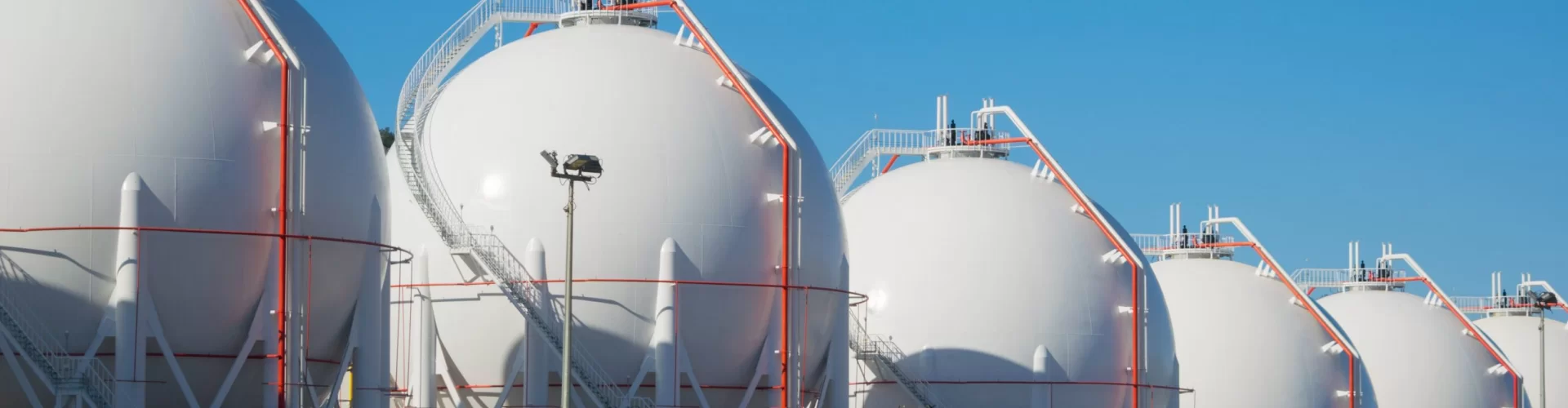
The primary challenge facing the industry is the "last-mile" delivery of energy. While pipelines are efficient for bulk transport, they cannot reach remote industrial sites or scattered refueling stations. This is where the mobility and scalability of a high-pressure cng storage tank become indispensable, allowing for a "virtual pipeline" system that ensures energy security without the need for massive civil engineering projects.
Defining the CNG Storage Tank and Its Purpose
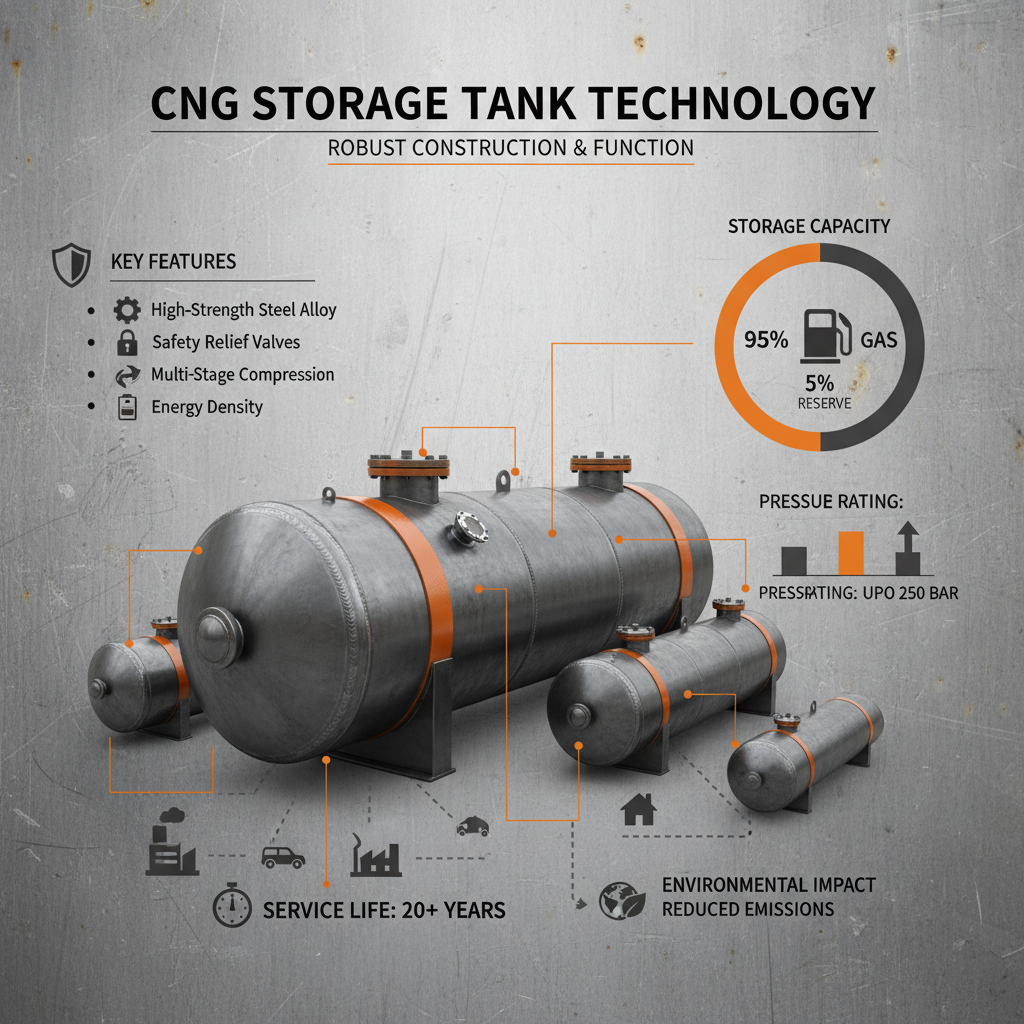
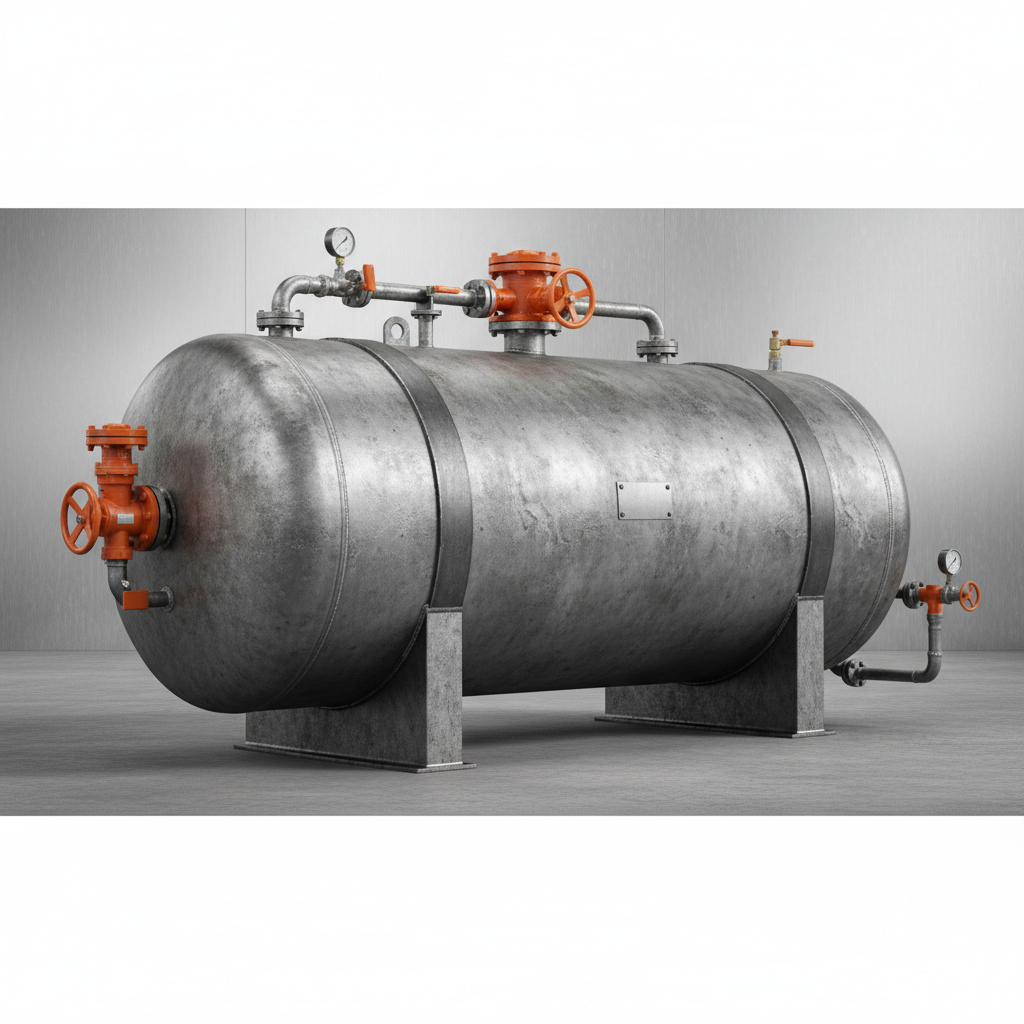
In simple technical terms, a cng storage tank is a high-pressure vessel specifically engineered to hold natural gas compressed to pressures typically ranging from 200 to 250 bar. Unlike standard atmospheric tanks, these vessels must withstand immense internal stress and external environmental pressures, requiring specialized materials like seamless steel or carbon-fiber composites.
The purpose of these tanks extends beyond mere containment. They act as energy buffers in fueling stations, absorbing the peak demand during vehicle refueling hours and smoothing out the supply from the compressor. By stabilizing pressure, the cng storage tank prevents system surges and ensures a consistent flow of gas to the end-user.
From a humanitarian and industrial perspective, these tanks enable the delivery of clean cooking gas and industrial energy to remote regions. By replacing diesel generators or coal-fired boilers with CNG, industries can significantly reduce their carbon footprint, proving that the cng storage tank is a cornerstone of modern green energy logistics.
Core Components and Technical Factors
Durability is the foremost concern when designing a cng storage tank. The vessel must be resistant to fatigue caused by repeated filling and emptying cycles. High-grade alloys and composite overwraps are used to ensure that the tank maintains its structural integrity over a service life that often spans 15 to 20 years.
Safety mechanisms are integrated directly into the cng storage tank system, including Pressure Relief Devices (PRDs) and temperature sensors. These components are designed to fail-safe, ensuring that in the event of an extreme temperature spike or overpressure scenario, the gas is vented safely to prevent catastrophic vessel failure.
Scalability and weight efficiency are also critical. The industry has moved toward Type III and Type IV tanks, which utilize aluminum liners or plastic liners reinforced with carbon fiber. This evolution allows the cng storage tank to store more gas while weighing significantly less, which is vital for mobile transport applications where payload capacity is a priority.
Performance Metrics and Material Efficiency
When evaluating the efficiency of a cng storage tank, engineers focus on the "gravimetric density"—the ratio of the stored gas mass to the total mass of the tank. Higher density means more energy can be transported per trip, reducing operational costs and fuel consumption of the transport vehicle itself.
Another key metric is the cyclic life rating. A high-quality cng storage tank is tested through thousands of pressure cycles to simulate years of real-world use. This ensures that the material does not suffer from microscopic fractures or "creep," maintaining a high safety factor under maximum operating pressure.
Comparative Efficiency of CNG Storage Tank Material Types
Global Applications and Real-World Use Cases
In industrial zones throughout Southeast Asia and Latin America, the cng storage tank is used to create "Virtual Pipelines." Instead of waiting decades for a physical pipeline to be built, companies use fleets of tube trailers equipped with high-capacity storage tanks to deliver gas to factories, providing an immediate shift from heavy fuel oil to a cleaner alternative.
Additionally, in the transport sector, the cng storage tank is integral to the operation of CNG-powered buses and trucks. In cities like Delhi or Istanbul, thousands of public transport vehicles rely on these tanks to operate with lower emissions and lower fuel costs, significantly improving urban air quality and reducing the city's overall carbon footprint.
Long-Term Economic and Environmental Value
The adoption of a high-efficiency cng storage tank provides tangible economic benefits through reduced fuel expenditure. Natural gas is consistently more cost-effective than diesel or gasoline for heavy-duty industrial use. When paired with a durable storage system, the ROI (Return on Investment) is achieved rapidly through lower operating expenses and reduced maintenance of downstream combustion equipment.
From an environmental standpoint, the value is measured in tons of CO2 and NOx avoided. By facilitating the use of CNG, these storage solutions help industries meet strict ISO 14001 environmental standards. The transition enabled by the cng storage tank represents a commitment to sustainability and corporate social responsibility.
Moreover, there is an emotional angle of trust and safety. When a company invests in certified, high-standard storage equipment, it ensures the safety of its workers and the surrounding community. The reliability of a well-engineered cng storage tank builds long-term trust with stakeholders and regulatory bodies.
Future Trends in High-Pressure Storage
The future of the cng storage tank is closely tied to the rise of Bio-CNG and Hydrogen. As the world moves toward carbon neutrality, these tanks are being adapted to store biomethane—produced from organic waste—which makes the energy cycle completely circular. The materials used in current CNG tanks are paving the way for the even higher pressures required by hydrogen storage.
Digital transformation is also hitting the storage sector. We are seeing the integration of "Smart Tanks" equipped with IoT sensors that provide real-time data on pressure, temperature, and structural health via the cloud. This allows for predictive maintenance, where a cng storage tank can signal for an inspection before a potential leak occurs, drastically increasing safety.
Automation in the manufacturing process, such as robotic filament winding for composite tanks, is reducing production costs and increasing precision. As these technologies mature, the cng storage tank will become more accessible to smaller enterprises, further accelerating the global transition to green energy.
Comparison of High-Pressure Storage Technologies for Future Energy
|
Storage Material
|
Pressure Capacity
|
Weight-to-Volume Ratio
|
Lifecycle Sustainability
|
| Steel (Type I) |
200-250 Bar |
Low (Heavy) |
High Recyclability |
| Hoop-Wrapped (Type II) |
250-300 Bar |
Medium |
Moderate |
| Alu-Composite (Type III) |
300-350 Bar |
High |
Medium |
| Polymer-Composite (Type IV) |
350-400 Bar |
Very High |
Lower Recyclability |
| Linerless Composite (Type V) |
400+ Bar |
Ultra High |
Developing |
| Smart-Integrated Tank |
Variable |
High |
Optimized Life |
FAQS
The primary difference lies in the liner material. A Type III cng storage tank uses an aluminum liner reinforced with a carbon fiber composite wrap. A Type IV tank replaces the metal liner with a high-density polymer (plastic) liner, which further reduces the overall weight and eliminates the risk of corrosion, making it ideal for mobile applications and high-humidity environments.
Inspection intervals depend on regional regulations (such as ISO or DOT standards), but typically, a comprehensive visual and pressure test is required every 3 to 5 years. However, modern cng storage tank systems with integrated IoT sensors allow for continuous monitoring, which can extend these intervals by providing real-time data on the vessel's structural health.
Not all tanks are compatible. Hydrogen molecules are much smaller than methane molecules and can permeate through materials that would be airtight for CNG. To store hydrogen, a cng storage tank must be specifically designed with specialized liners and higher pressure ratings (often 350 or 700 bar) to prevent leaks and hydrogen embrittlement of the metal components.
Yes, for "virtual pipeline" projects, using tube trailers equipped with high-capacity cng storage tank units is highly cost-effective. It avoids the massive capital expenditure of laying physical pipes and allows the supplier to quickly scale delivery to new customers or adjust routes based on demand shifts.
Every professional cng storage tank is equipped with a Pressure Relief Device (PRD). If the internal pressure exceeds the maximum allowable working pressure (MAWP) due to overfilling or extreme heat, the PRD will activate, safely venting the gas into the atmosphere to prevent the tank from rupturing.
Temperature significantly affects gas pressure. As temperature rises, the pressure inside the cng storage tank increases. Therefore, tanks must be rated for a specific temperature range, and in extremely hot climates, they may require thermal shielding or specialized pressure management systems to maintain safety and efficiency.
Conclusion
The cng storage tank is far more than a simple pressure vessel; it is a critical catalyst for the global transition toward cleaner, more flexible energy distribution. By combining advanced material science—from seamless steel to lightweight carbon composites—with rigorous safety protocols and digital monitoring, these tanks enable the efficient movement of natural gas to the most remote and demanding industrial locations.
Looking forward, the integration of Bio-CNG and the evolution toward hydrogen-compatible storage will only increase the strategic importance of high-pressure vessel technology. For businesses seeking to reduce their carbon footprint and optimize energy costs, investing in high-quality, certified storage solutions is a vital step toward long-term sustainability and operational resilience. Visit our website for more professional solutions: www.enricgroupsjz.com