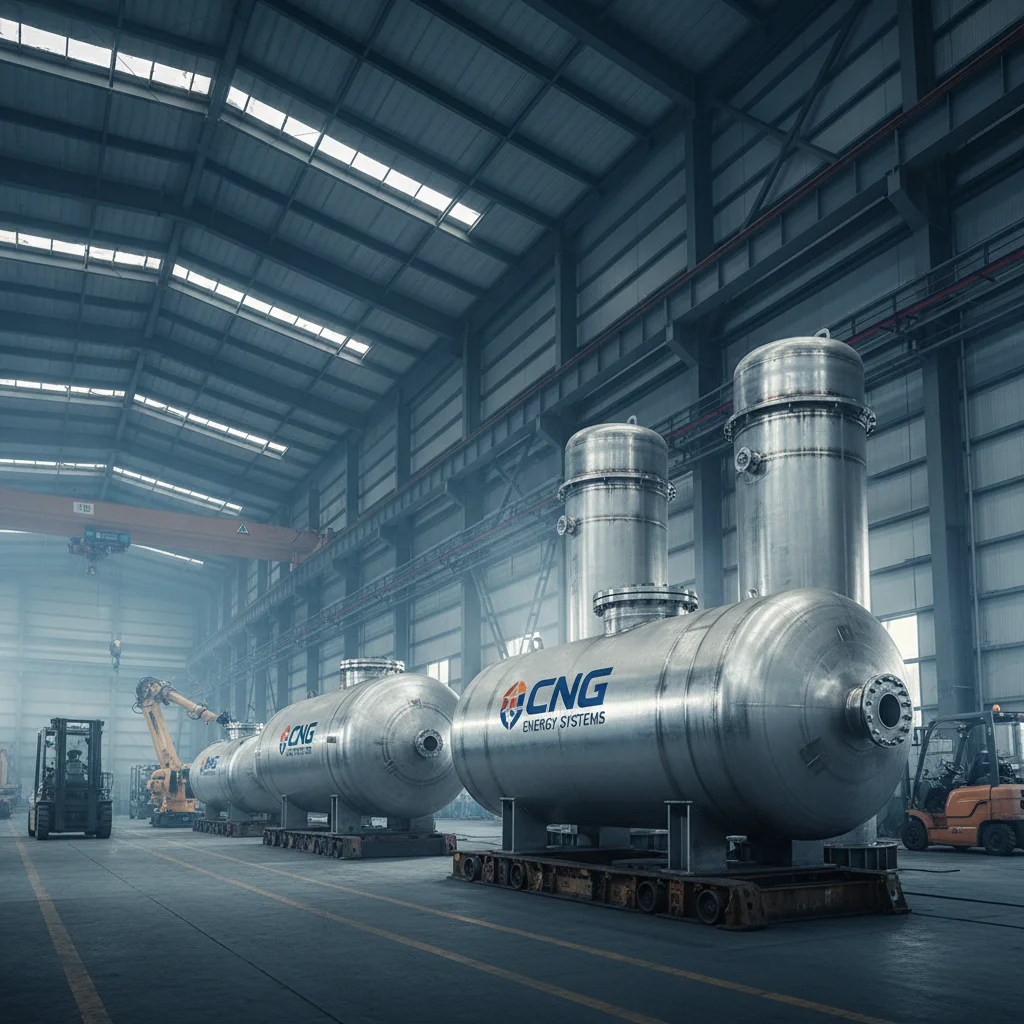
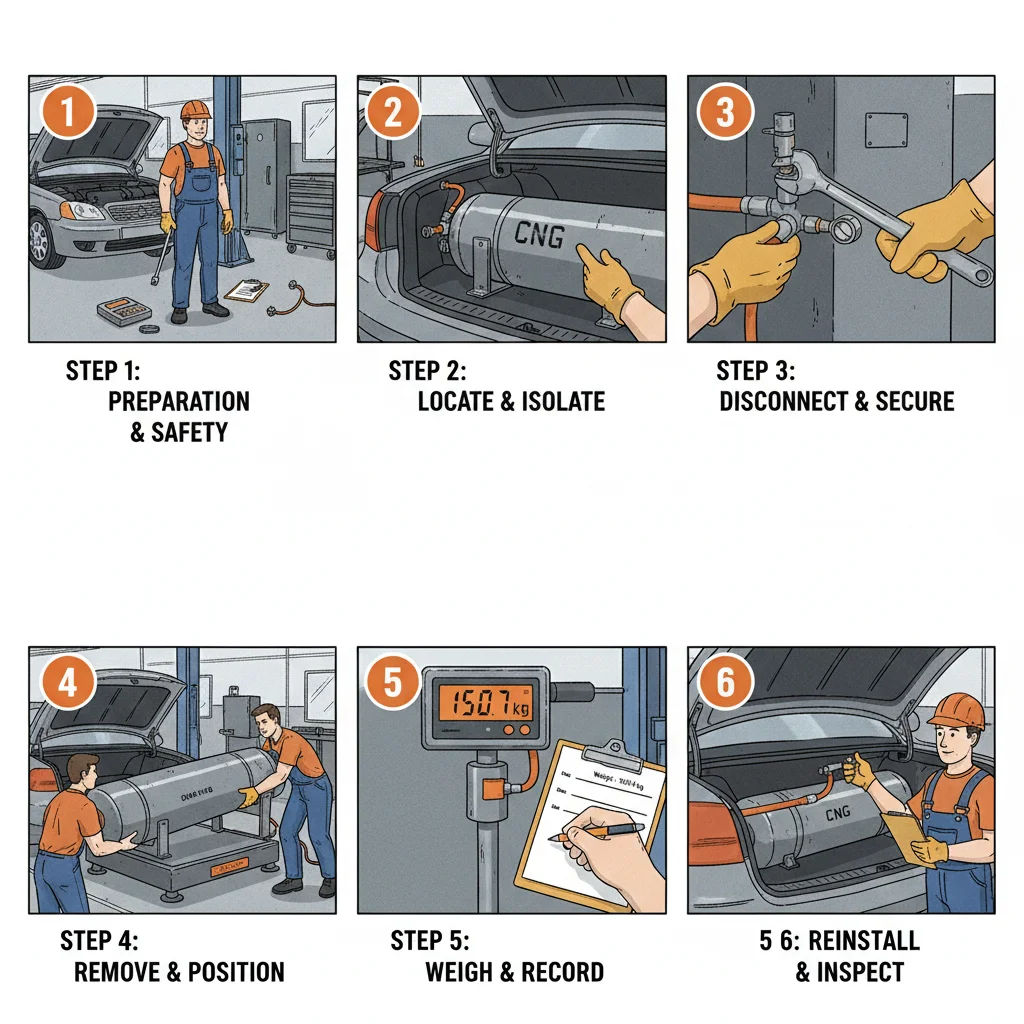
The global transition toward cleaner energy sources has placed a significant spotlight on the infrastructure required to transport and store compressed natural gas. Central to this movement is the cng steel cylinder, a critical component that enables the safe, high-pressure containment of methane for vehicles and industrial applications. By bridging the gap between natural gas pipelines and the end-user, these cylinders facilitate a reduction in carbon emissions compared to traditional liquid fuels.
Understanding the engineering and material science behind a high-quality cng steel cylinder is essential for stakeholders in the green energy sector. From the selection of seamless alloys to the rigorous hydrostatic testing processes, every detail is designed to prevent fatigue and rupture under extreme pressure. As urban centers seek to decarbonize their transport fleets, the reliability of these storage solutions becomes a cornerstone of public safety and operational efficiency.
Beyond mere containment, the evolution of the cng steel cylinder reflects a broader industrial shift toward sustainability and durability. By integrating advanced coatings and precision threading, modern cylinders offer longer service lives and lower maintenance costs. This guide explores the technical nuances, global applications, and future trajectory of steel-based CNG storage, providing a comprehensive overview for engineers and procurement specialists alike.
Global Relevance and Industry Context of CNG Steel Cylinders
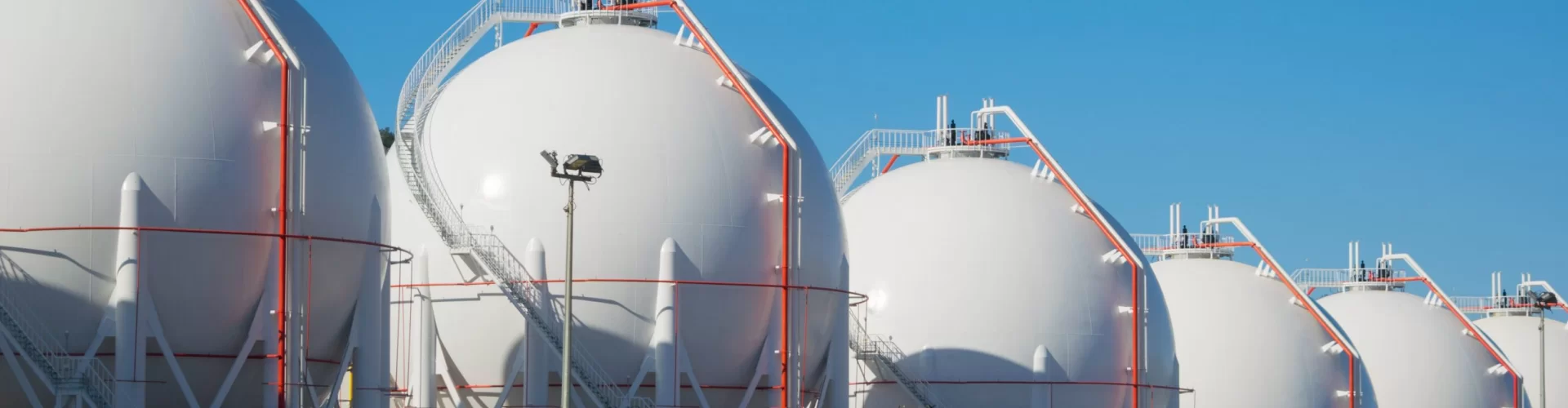
In the current global energy landscape, the cng steel cylinder serves as a vital instrument for energy security and environmental stewardship. According to data aligned with ISO standards for high-pressure vessels, the adoption of CNG (Compressed Natural Gas) has surged in regions where pipeline infrastructure is lagging but natural gas reserves are plentiful. This creates a "virtual pipeline" effect, allowing the movement of clean energy via trucks and trailers.
The primary challenge addressed by the steel cylinder is the inherent volatility and volume of natural gas. Without the structural integrity provided by specialized steel, the energy density required for practical transportation would be unattainable. Consequently, the industry has focused on optimizing the weight-to-strength ratio of these cylinders to ensure that the payload of the gas is maximized without compromising the safety of the transport vehicle or the operators.
Defining the Technical Architecture of CNG Steel Cylinders
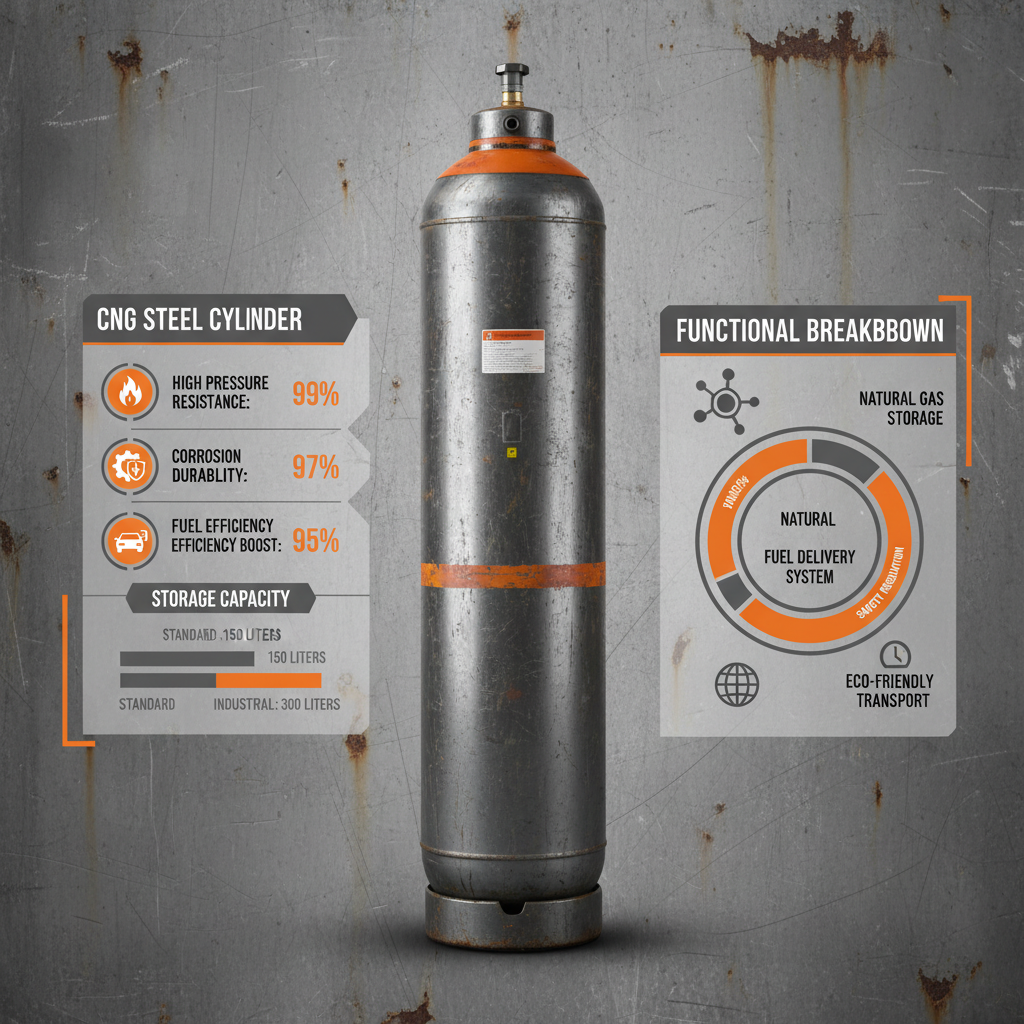
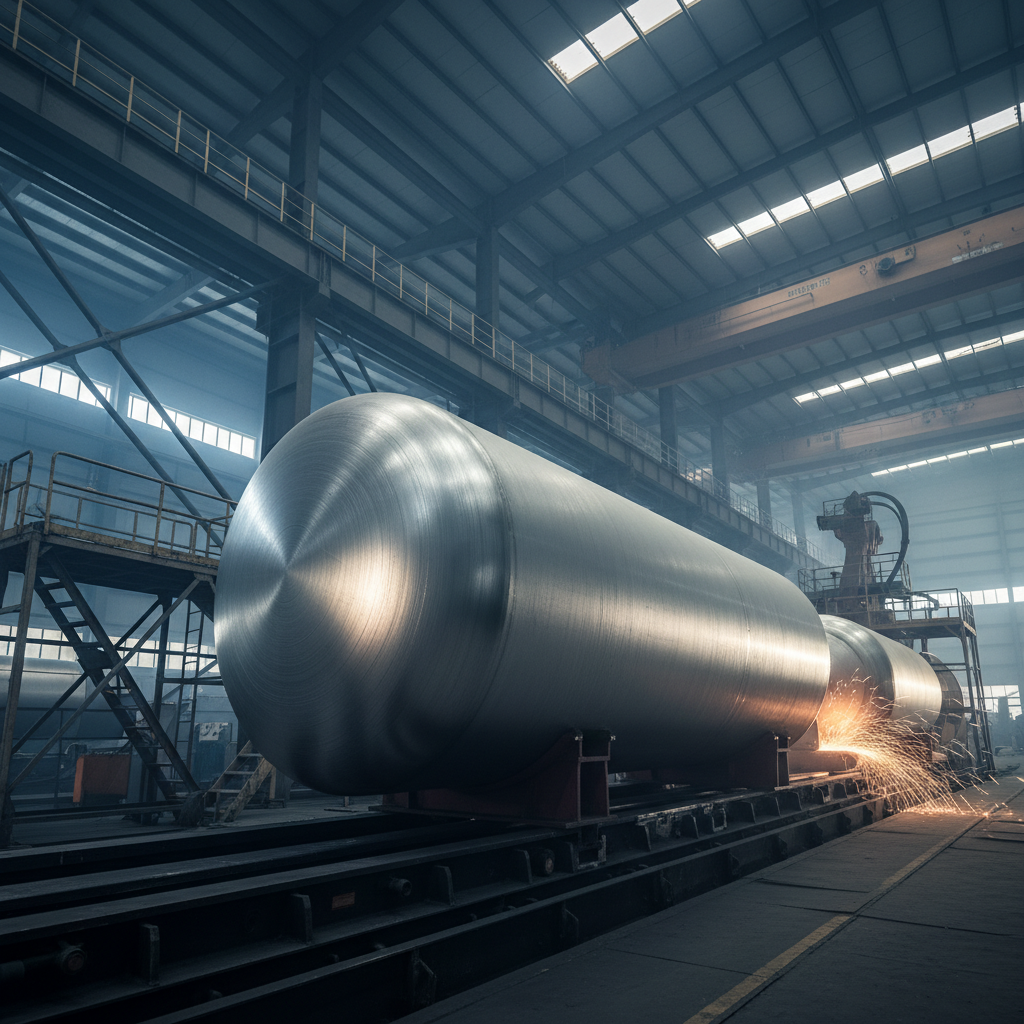
At its most fundamental level, a cng steel cylinder is a high-pressure containment vessel engineered from seamless alloy steel. Unlike standard industrial tanks, these cylinders are designed to withstand working pressures often exceeding 200 bar (approximately 3,000 psi). The manufacturing process involves precise hot-forming and cold-drawing to ensure a uniform wall thickness, which is critical for distributing stress evenly across the vessel's surface.
From a humanitarian and industrial perspective, these cylinders are more than just hardware; they are enablers of energy access. In remote industrial zones or disaster-stricken areas where power grids have failed, the deployment of mobile CNG storage units can provide immediate energy for heating, cooking, and power generation. This flexibility makes the steel cylinder an indispensable asset for rapid-response energy logistics.
The connection between the cylinder and modern industry lies in its adaptability. Whether integrated into a heavy-duty bus, a delivery truck, or a stationary storage bank for a factory, the cng steel cylinder provides a stable, leak-proof environment that adheres to stringent international safety codes (such as DOT or TPED), ensuring that the transition to green energy is both safe and scalable.
Core Components and Performance Factors
The performance of a cng steel cylinder is defined by its material durability. The use of chromium-molybdenum alloy steel ensures that the cylinder can withstand repeated pressurization and depressurization cycles without developing micro-fractures. This fatigue resistance is what allows a cylinder to remain in service for a decade or more, provided it undergoes regular inspections.
Scalability and cost-efficiency are also pivotal. While composite cylinders offer lighter weights, the cng steel cylinder remains the preferred choice for many industrial applications due to its lower initial procurement cost and superior impact resistance. The ability to manufacture these in various capacities allows operators to scale their energy storage based on specific demand profiles.
Finally, the integrity of the valve system and the internal coating cannot be overlooked. A high-grade cng steel cylinder typically features an epoxy-based internal lining to prevent corrosion from moisture or impurities in the gas. This protective layer, combined with precision-engineered valves, ensures that gas leakage is virtually non-existent, maintaining the highest safety standards in hazardous environments.
Global Applications and Real-World Use Cases
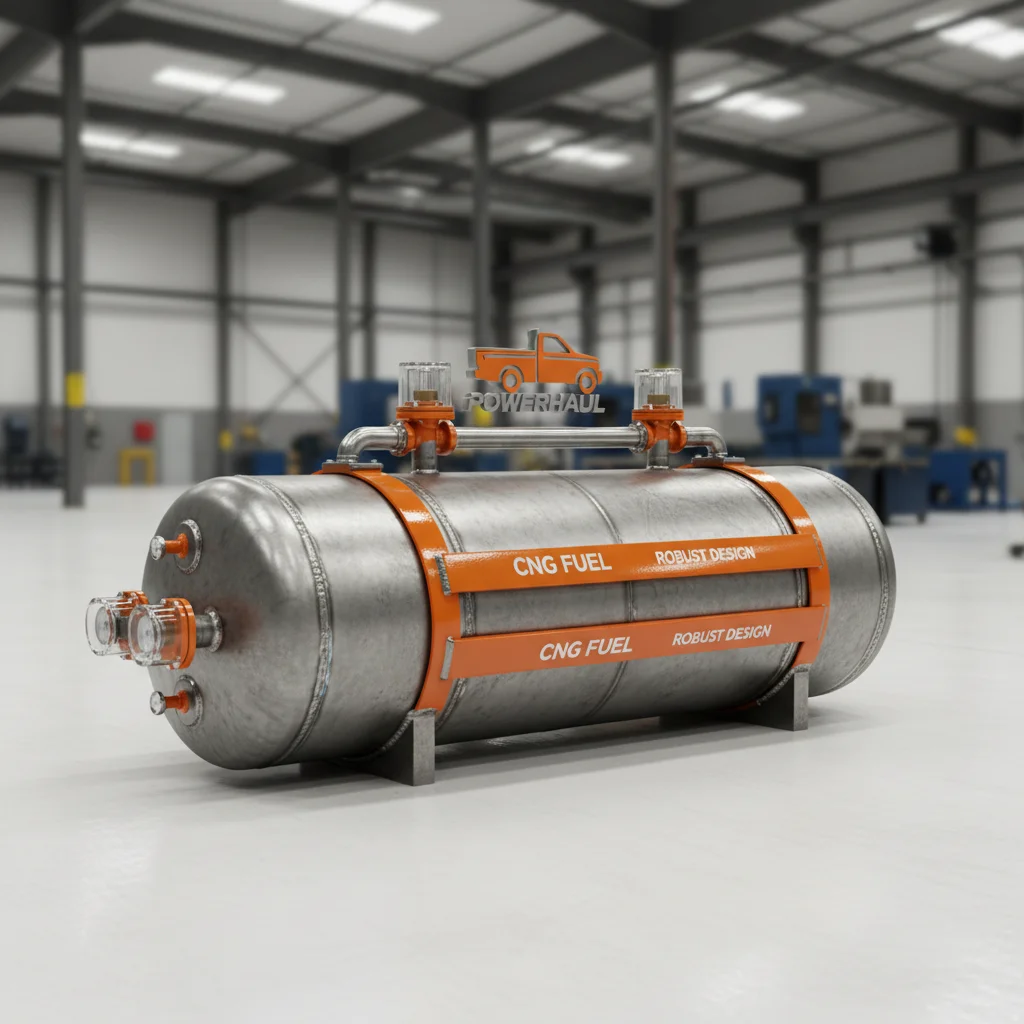
Across the globe, the cng steel cylinder is deployed in a variety of strategic contexts. In Southeast Asia and South America, public transit systems have largely transitioned to CNG-powered buses to combat urban smog. These vehicles rely on banks of steel cylinders mounted on the roof, providing a sustainable alternative to diesel that significantly lowers NOx and particulate matter emissions.
In remote industrial zones, such as mining sites in Australia or oil fields in the Middle East, these cylinders are used in "mother-daughter" station configurations. A large trailer filled with cng steel cylinder units acts as the "mother," transferring gas to smaller "daughter" stations that refuel local equipment. This eliminates the need for expensive pipeline construction in geographically challenging terrain.
Performance Comparison of CNG Steel Cylinder Variants
Long-Term Value and Sustainability Benefits
The long-term value of investing in a high-quality cng steel cylinder extends beyond immediate cost savings. From a sustainability angle, these cylinders enable the use of biogas—methane captured from organic waste—which creates a circular energy economy. By providing a reliable means of storage and transport, steel cylinders help reduce the reliance on carbon-intensive fuels in the heavy-duty transport sector.
Furthermore, the inherent reliability of steel provides peace of mind to fleet operators and safety officers. The predictability of steel's failure modes (typically leaking before catastrophic rupture) allows for safer maintenance schedules. This trust in the hardware fosters innovation, as companies feel confident deploying larger CNG-powered fleets, knowing that their storage solutions are backed by proven metallurgical standards.
Future Trends in CNG Storage Technology
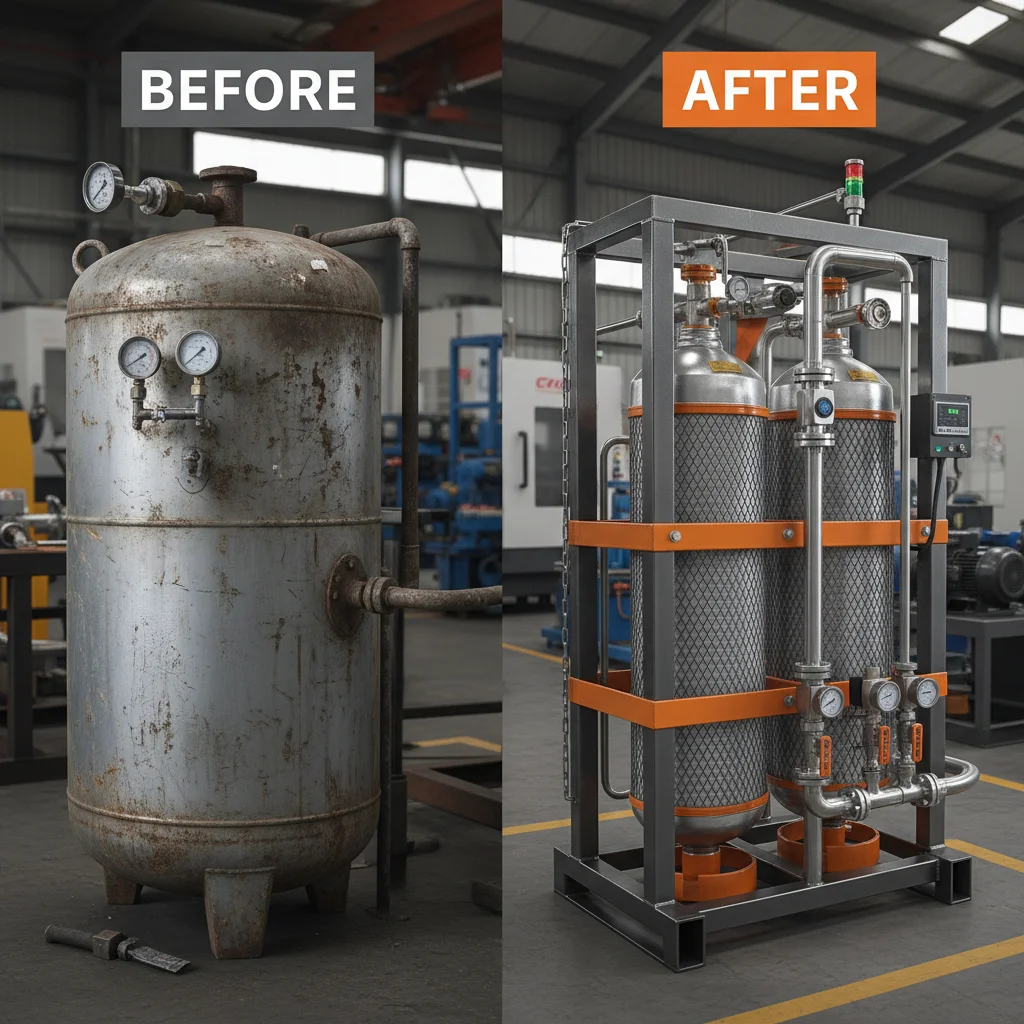
Looking forward, the cng steel cylinder is evolving through the integration of "smart" monitoring systems. The next generation of cylinders will likely feature embedded IoT sensors capable of monitoring pressure, temperature, and structural integrity in real-time. This digital transformation will move the industry from scheduled maintenance to predictive maintenance, further enhancing safety and reducing downtime.
Material science is also playing a role, with researchers developing new alloy compositions that reduce the weight of the steel without sacrificing strength. While carbon fiber will remain a competitor, the goal for steel cylinders is to achieve a "hybrid" efficiency—combining the low cost and robustness of steel with the lightweight properties of advanced polymers.
Additionally, as the world moves toward a hydrogen economy, the cng steel cylinder infrastructure provides a critical learning ground. The high-pressure handling techniques developed for CNG are being adapted for hydrogen storage, ensuring that the expertise in steel containment continues to be relevant in a zero-emission future.
Overcoming Challenges in Cylinder Implementation
Despite their advantages, the implementation of cng steel cylinder systems is not without challenges. The most prominent issue is the weight of the steel, which can reduce the overall payload capacity of a vehicle. To solve this, engineers are optimizing cylinder geometry and using higher-tensile alloys that allow for thinner walls while maintaining the same pressure rating.
Another hurdle is the rigorous regulatory environment. Different countries have varying standards for cylinder certification, which can complicate international trade. The solution lies in the adoption of unified global standards, such as those proposed by ISO, ensuring that a cylinder manufactured in one region is recognized and deemed safe for use in another.
Finally, corrosion remains a constant threat, especially in coastal or humid environments. To overcome this, the industry is moving toward advanced multi-layer powder coatings and zinc-rich primers. These innovations ensure that the cng steel cylinder remains impervious to environmental degradation, extending its operational life and reducing the total cost of ownership.
Technical Analysis and Comparison of CNG Steel Cylinder Implementation Standards
|
Standard Type
|
Pressure Capacity
|
Weight Efficiency
|
Service Life (Years)
|
| Basic Carbon Steel |
150-200 Bar |
Low (6/10) |
15 Years |
| Cr-Mo Alloy Steel |
200-250 Bar |
Medium (7/10) |
20 Years |
| High-Tensile Seamless |
250+ Bar |
High (8/10) |
25 Years |
| Epoxy-Lined Steel |
200 Bar |
Medium (7/10) |
30 Years |
| Industrial Heavy-Wall |
300 Bar |
Low (5/10) |
40 Years |
| Hybrid Steel-Polymer |
200-250 Bar |
Very High (9/10) |
20 Years |
FAQS
Typically, a cng steel cylinder should undergo a visual inspection every year and a comprehensive hydrostatic test every 3 to 5 years, depending on local regulations and the specific ISO or DOT standard it follows. Regular inspections check for external corrosion, valve wear, and structural deformations to ensure the vessel can safely handle high-pressure gas without the risk of failure.
Both are safe when manufactured to standard. However, steel cylinders are generally more resistant to external impacts, abrasions, and high temperatures. Their failure mode is often a slow leak rather than a sudden burst, making them preferable in heavy-duty industrial environments. Composite cylinders are lighter but can be more sensitive to surface damage and extreme heat.
A well-maintained cng steel cylinder can last between 15 and 30 years. The actual lifespan depends on the operating environment (e.g., coastal vs. inland), the frequency of refill cycles, and the quality of the internal corrosion-resistant lining. Adhering to a strict maintenance schedule and using high-grade alloy steel significantly extends the usable life of the vessel.
Not all cng steel cylinders are suitable for hydrogen. Hydrogen atoms are smaller than methane molecules and can cause "hydrogen embrittlement" in certain types of steel, leading to cracks. Only cylinders specifically engineered with hydrogen-compatible alloys and specialized internal coatings can be used for hydrogen storage. Always check the certification and material specs before repurposing.
Corrosion is prevented through a combination of internal and external treatments. Internally, an epoxy or polymer lining is applied to protect the steel from moisture in the gas. Externally, high-durability powder coatings, zinc primers, and periodic repainting are used to shield the metal from salt, humidity, and industrial chemicals, ensuring the wall thickness remains intact.
Steel cylinders are heavier than composite options, which can increase the curb weight of a vehicle and slightly reduce fuel efficiency or payload. However, the lower cost and higher durability often offset this for heavy-duty trucks and buses. Many manufacturers are now using higher-strength alloys to thin the cylinder walls, reducing weight while maintaining a 200-bar pressure rating.
Conclusion
The cng steel cylinder remains a cornerstone of the global transition toward cleaner, more sustainable energy. By providing a robust, cost-effective, and safe method for transporting and storing compressed natural gas, these vessels enable industries to reduce their carbon footprint without sacrificing operational reliability. From the meticulous selection of alloy steels to the implementation of smart monitoring and anti-corrosion coatings, the engineering behind these cylinders ensures that energy can be delivered wherever it is needed most.
As we look toward the future, the integration of IoT and the exploration of hydrogen-compatible materials will further cement the role of high-pressure steel containment in the energy sector. For companies seeking to balance sustainability with economic viability, investing in certified, high-performance steel cylinders is a strategic move toward long-term energy security. To learn more about our industry-leading storage solutions, visit our website: www.enricgroupsjz.com