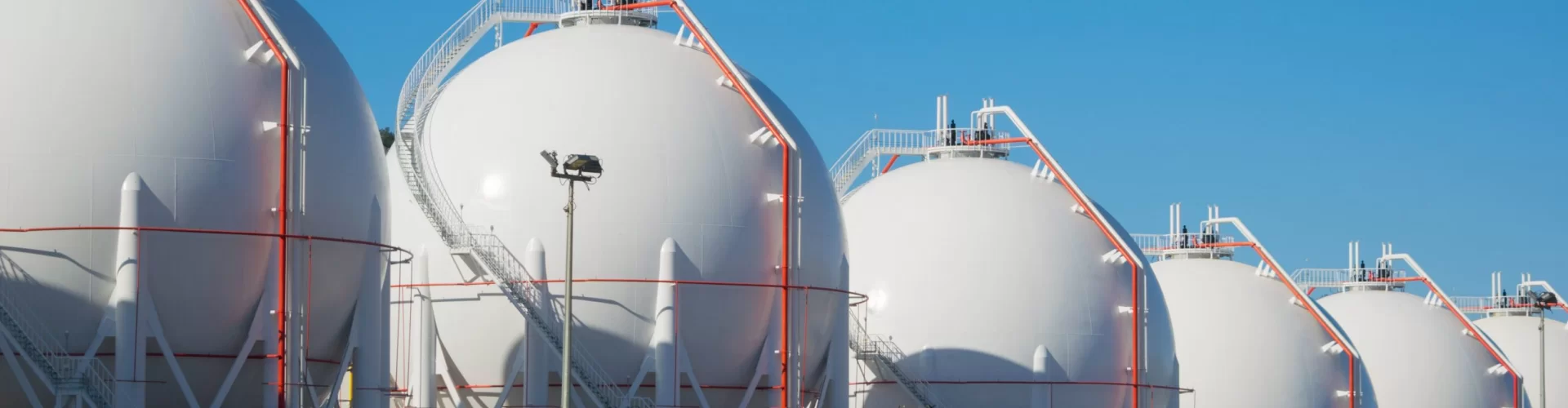
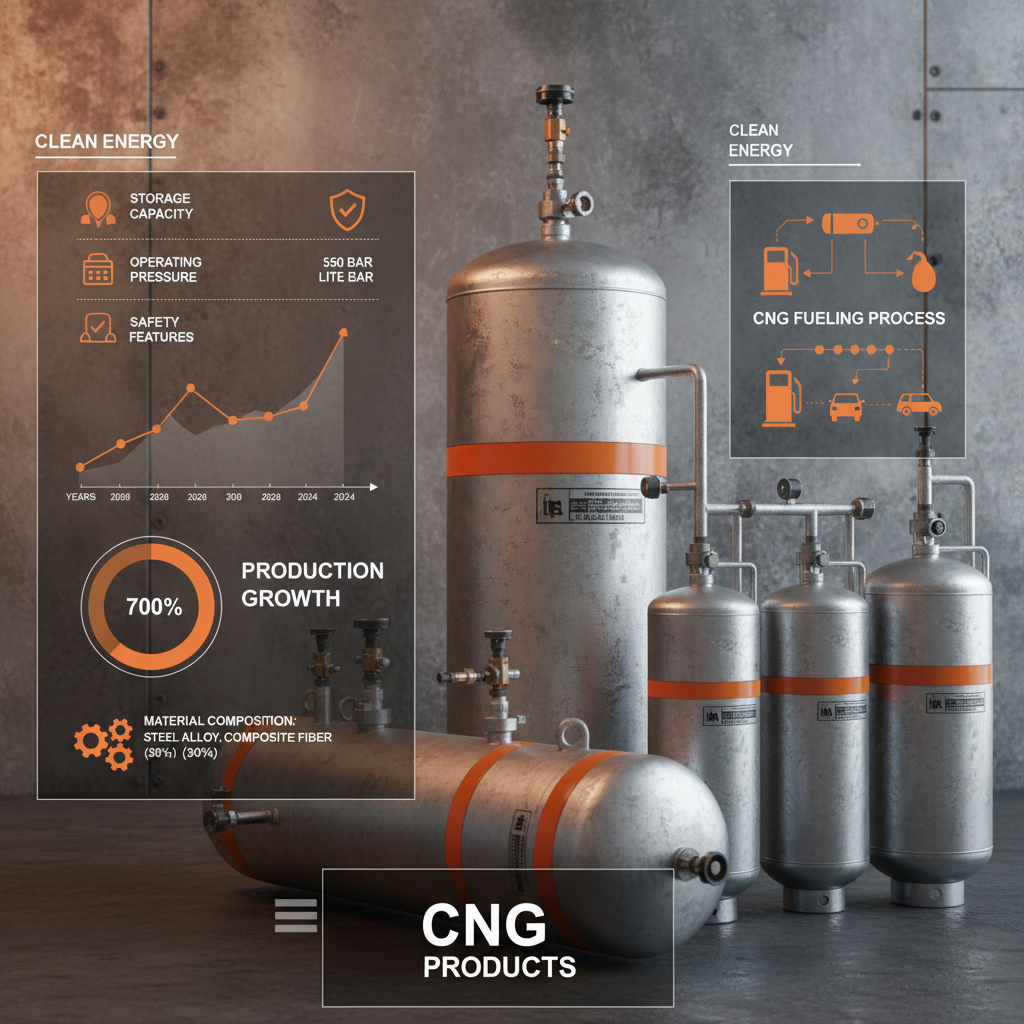
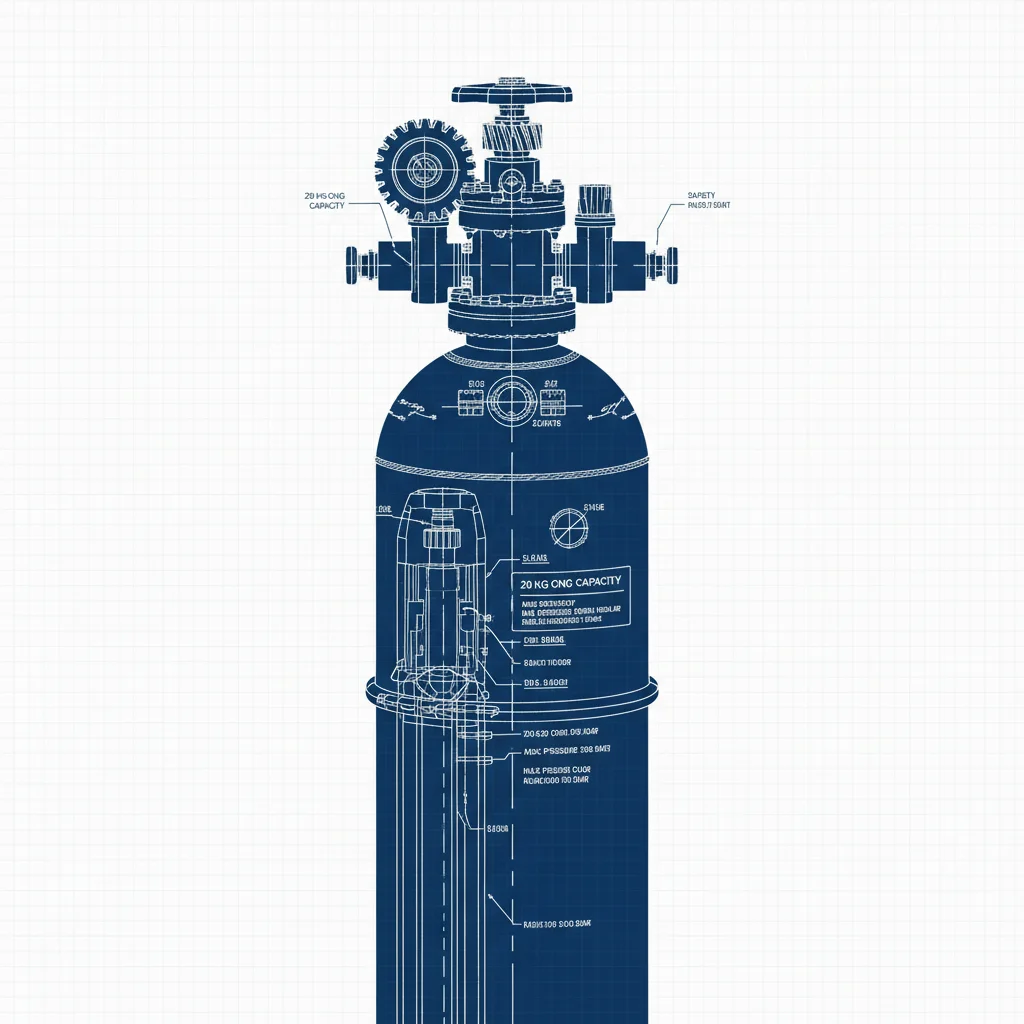
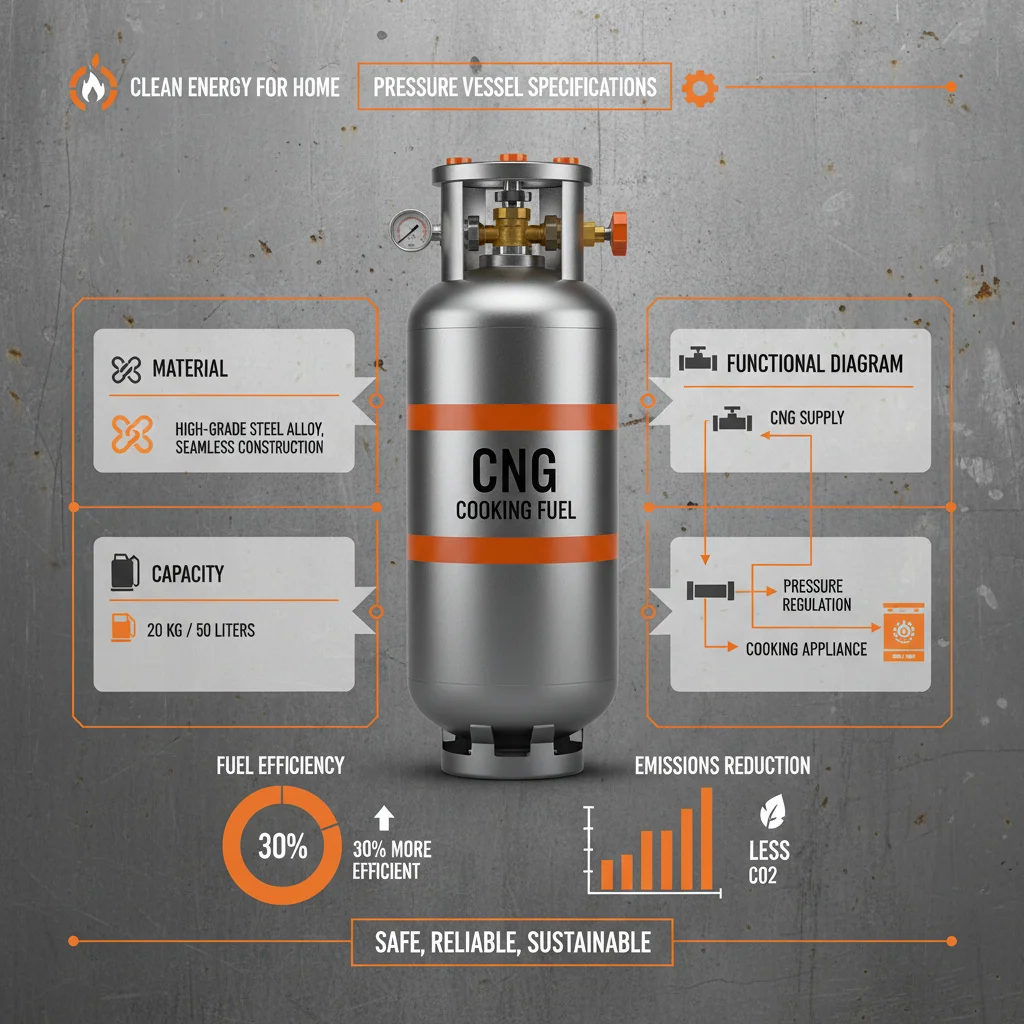
The global shift toward cleaner energy sources has placed cng products at the forefront of industrial and automotive transitions. Compressed Natural Gas (CNG) provides a viable bridge between traditional fossil fuels and a fully decarbonized future, offering a significant reduction in carbon monoxide and nitrogen oxide emissions compared to diesel or gasoline.
Understanding the technical ecosystem of cng products is essential for stakeholders in the green energy sector, as these systems encompass everything from high-pressure compression stations to specialized storage cylinders. As urban centers worldwide implement stricter air quality standards, the demand for efficient gas separation and compression technology continues to surge.
By leveraging advanced materials and precision engineering, modern cng products ensure that energy transport is not only cost-effective but also meets the highest safety benchmarks. This guide explores the intricate balance of durability, scalability, and sustainability that defines the current state of the CNG industry.
Global Relevance of CNG Products
The global energy landscape is undergoing a seismic shift, with cng products playing a pivotal role in reducing the carbon footprint of heavy-duty transport. According to data aligned with ISO standards for gas cylinders, the adoption of CNG has plummeted particulate matter emissions in metropolitan areas, making it a cornerstone of urban environmental policy in Asia and Europe.
Beyond simple fuel replacement, these products address the critical challenge of "last-mile" energy delivery in regions lacking pipeline infrastructure. By utilizing mobile compression and storage units, industries can transport energy to remote sites without the environmental risks associated with liquid fuel spills.
Defining Modern CNG Product Systems
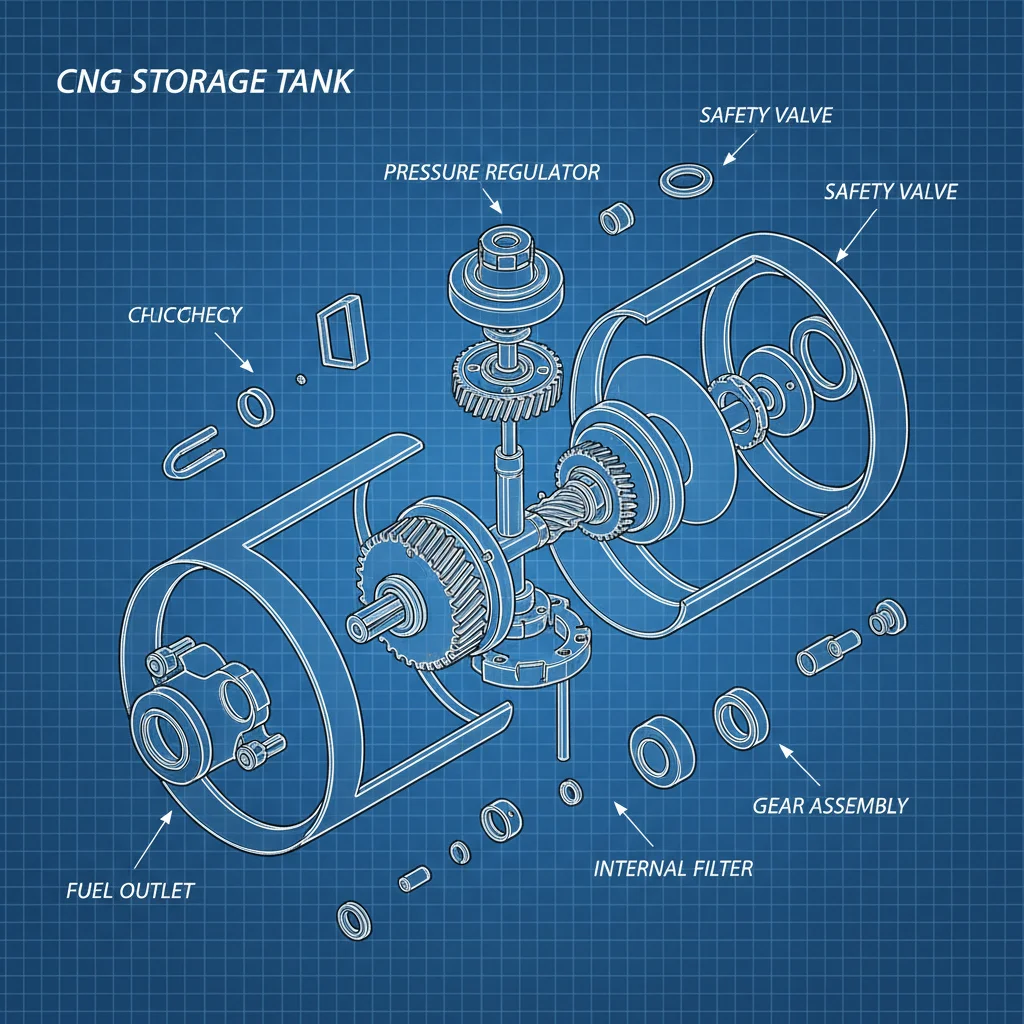
In simple terms, cng products refer to the comprehensive suite of hardware used to compress natural gas to less than 1% of its volume, allowing it to be stored and transported in high-pressure cylinders. This includes the compressors, pressure regulation valves, and the reinforced tanks that ensure safe containment.
The connection to modern industry is profound; as the world moves toward "Hydrogen-Ready" infrastructure, CNG technology serves as the technological predecessor. The expertise gained in handling compressed methane is directly applicable to the deployment of hydrogen energy, creating a seamless transition for industrial gas operators.
From a humanitarian perspective, these systems allow for the deployment of clean cooking and heating energy in disaster-stricken areas where traditional grids have failed. The portability of modular CNG units ensures that essential services can be maintained while minimizing the ecological impact on the local environment.
Core Components and Performance Factors
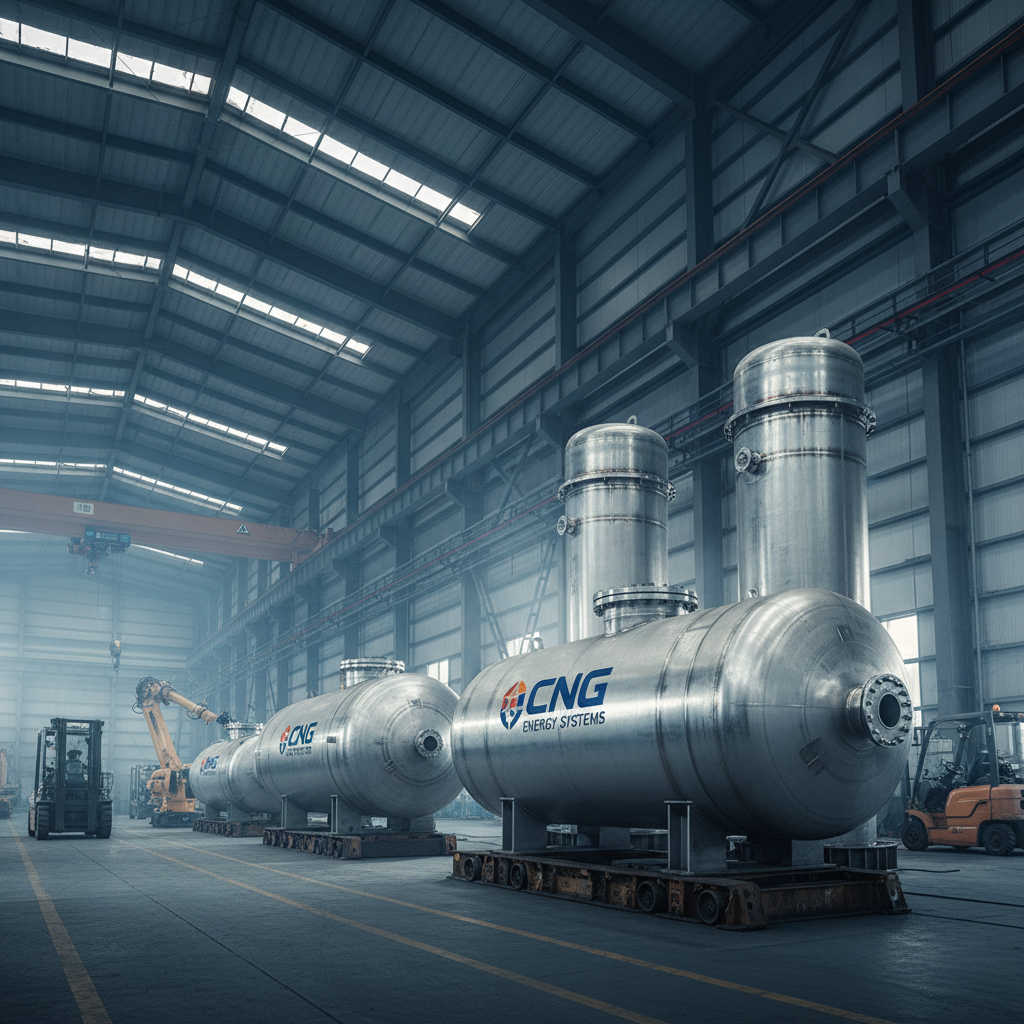
The durability of cng products is primarily determined by the metallurgy of the storage vessels. High-grade carbon steel and composite materials are used to withstand extreme pressure cycles, preventing fatigue and ensuring a service life that spans several decades of rigorous industrial use.
Scalability is another critical factor, where cng products are designed in modular formats. This allows a small-scale filling station to expand into a regional distribution hub without requiring a complete overhaul of the existing compression architecture, thereby optimizing capital expenditure.
Cost efficiency in these systems is achieved through high-precision gas separation and compression ratios. By minimizing energy loss during the compression phase, operators can reduce operational costs, making the transition from diesel to CNG financially attractive for logistics fleets and manufacturing plants.
Industrial Applications and Use Cases
In real-world contexts, cng products are extensively deployed in the heavy-duty transport sector across India and Brazil, where they power thousands of municipal buses and long-haul trucks. This shift not only reduces smog but also stabilizes fuel costs for transport operators.
In remote industrial zones, such as mining camps or offshore platforms, modular CNG units provide a reliable source of power and heat. These solutions eliminate the need for costly pipeline extensions, offering a "plug-and-play" energy source that can be relocated as the project evolves.
Performance Metrics of Various CNG Product Categories
Economic Advantages and Long-Term Value
The tangible benefits of investing in cng products extend beyond simple fuel savings. By reducing dependence on volatile oil markets, companies achieve greater financial predictability. Furthermore, the low maintenance requirements of modern CNG engines, compared to complex diesel particulate filters, lower the total cost of ownership (TCO).
From an emotional and strategic angle, adopting CNG signals a commitment to innovation and environmental stewardship. This builds trust with consumers and regulators alike, positioning a brand as a leader in the transition toward sustainable industrial practices and cleaner air for future generations.
Future Trends in Green Gas Innovation
The next generation of cng products is moving toward the integration of Bio-CNG (Renewable Natural Gas). By capturing methane from agricultural waste, these systems create a circular economy where waste is converted into high-value transport fuel, pushing the carbon footprint toward zero or even negative values.
Digital transformation is also reshaping the industry. IoT-enabled sensors are now being integrated into storage cylinders and compressors to provide real-time telemetry on pressure, temperature, and leak detection. This shift toward predictive maintenance reduces downtime and enhances the overall safety profile of gas infrastructure.
Furthermore, automation in filling stations is reducing human error and increasing throughput. AI-driven algorithms can now optimize compression cycles based on demand patterns, significantly reducing the electricity consumption of the compressors and improving the overall efficiency of the energy chain.
Overcoming Technical Challenges in CNG
Despite the advantages, cng products face challenges regarding energy density. Natural gas, even when compressed, occupies more space than liquid diesel for the same energy output. This typically requires larger storage tanks, which can impact the payload capacity of commercial vehicles.
To solve this, engineers are developing advanced carbon-fiber wrapped cylinders (Type IV tanks) that allow for higher operating pressures without increasing the weight of the vessel. This innovation maximizes the gas-to-weight ratio, making CNG more competitive for long-distance haulage.
Another hurdle is the initial cost of infrastructure. To overcome this, the industry is moving toward "Virtual Pipelines"—the use of mobile cng products to deliver gas via truck to "daughter stations," eliminating the need for expensive underground piping during the early stages of market adoption.
Comparative Analysis of CNG Technology Solutions
|
Technology Type
|
Weight Efficiency
|
Pressure Capacity
|
Lifecycle Cost
|
| Steel Cylinders |
Low |
200-250 Bar |
Very Low |
| Composite Type II |
Medium |
250 Bar |
Moderate |
| Composite Type III |
High |
250-300 Bar |
High |
| Composite Type IV |
Very High |
300+ Bar |
Premium |
| Modular Compressors |
N/A |
Variable |
Moderate |
| Mobile Filling Units |
Medium |
200 Bar |
Low-Medium |
FAQS
CNG products are inherently safer because natural gas is lighter than air. In the event of a leak, the gas dissipates rapidly into the atmosphere rather than pooling on the ground like gasoline or diesel, which significantly reduces the risk of flash fires or ground contamination in industrial settings.
Depending on the material, a high-quality cylinder can last between 15 to 20 years. Composite cylinders generally offer better fatigue resistance, but all cng products must undergo periodic hydrostatic testing and visual inspections to comply with international safety standards like ISO or ASME.
Yes, while the initial investment in vehicle conversion and storage is higher, the lower per-unit cost of natural gas compared to diesel typically results in a return on investment (ROI) within 2-3 years, depending on the annual mileage and local gas pricing.
Many modern cng products are designed with "Hydrogen-Ready" principles. While hydrogen requires different seal materials and higher pressure ratings, the core engineering logic of compression and storage is very similar, making the transition more affordable than building from scratch.
CNG significantly reduces tailpipe emissions of NOx and particulate matter. When combined with Bio-CNG—sourced from organic waste—the process becomes carbon-neutral or even carbon-negative, providing a sustainable alternative to traditional fossil-fuel-based gas.
Modular units act as mobile energy hubs. They can be transported via truck to remote sites, allowing businesses to access natural gas without needing a permanent pipeline, thus drastically reducing the time and cost associated with energy infrastructure deployment.
Conclusion
The integration of cng products into the global energy mix represents a critical step toward industrial sustainability. By combining advanced material science with efficient compression technology, these systems provide a scalable, safe, and economically viable alternative to liquid hydrocarbons, effectively bridging the gap to a zero-emission future.
As we look forward, the evolution toward Bio-CNG and the synergy with hydrogen technology will further enhance the value proposition of these systems. For enterprises seeking to reduce their environmental impact while maintaining operational efficiency, investing in high-quality CNG infrastructure is not just a regulatory necessity but a strategic advantage. Visit our website: www.enricgroupsjz.com