news

Advanced hydrogen storage tank Solutions for Japan's Energy Transition

Leading the way in high-pressure gas compression and separation technology to support Japan's carbon-neutral goals by 2050.

Advanced hydrogen storage tank Solutions for Japan's Energy Transition

Providing cutting-edge gas storage and separation equipment tailored for the rigorous industrial standards and seismic requirements of the Japanese market.

Energy Infrastructure Status in Japan

Navigating the complexities of gas storage and separation in a resource-scarce island nation.

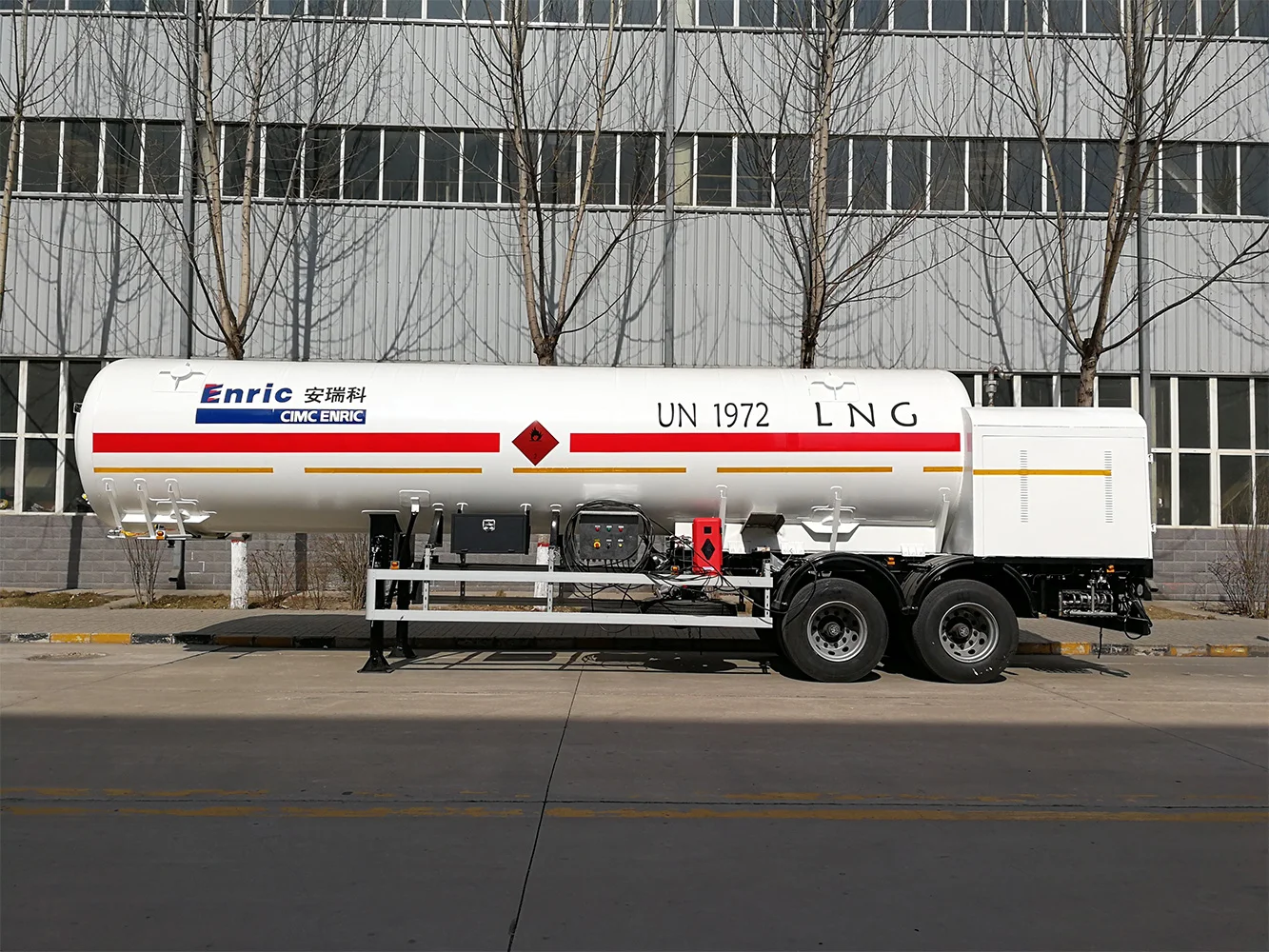
Japan's current energy landscape is characterized by a strategic pivot toward hydrogen and LNG to reduce dependence on fossil fuel imports. The demand for high-performance lng products has surged as the nation upgrades its port terminals and inland distribution networks to ensure energy security.

In the industrial sector, the integration of cng cylinder systems is expanding within logistics hubs to lower urban emissions. However, the strict Japanese Industrial Standards (JIS) and the need for extreme seismic resilience pose significant challenges for equipment manufacturers.

Furthermore, the chemical processing plants in regions like Chiba and Osaka are increasingly seeking advanced demulsifier oil and gas solutions to optimize the separation of water-oil emulsions, enhancing the purity of recovered hydrocarbons in a highly competitive manufacturing environment.
Evolution of Gas Separation & Storage Technology

From conventional steel vessels to next-generation composite materials.

Market Development History

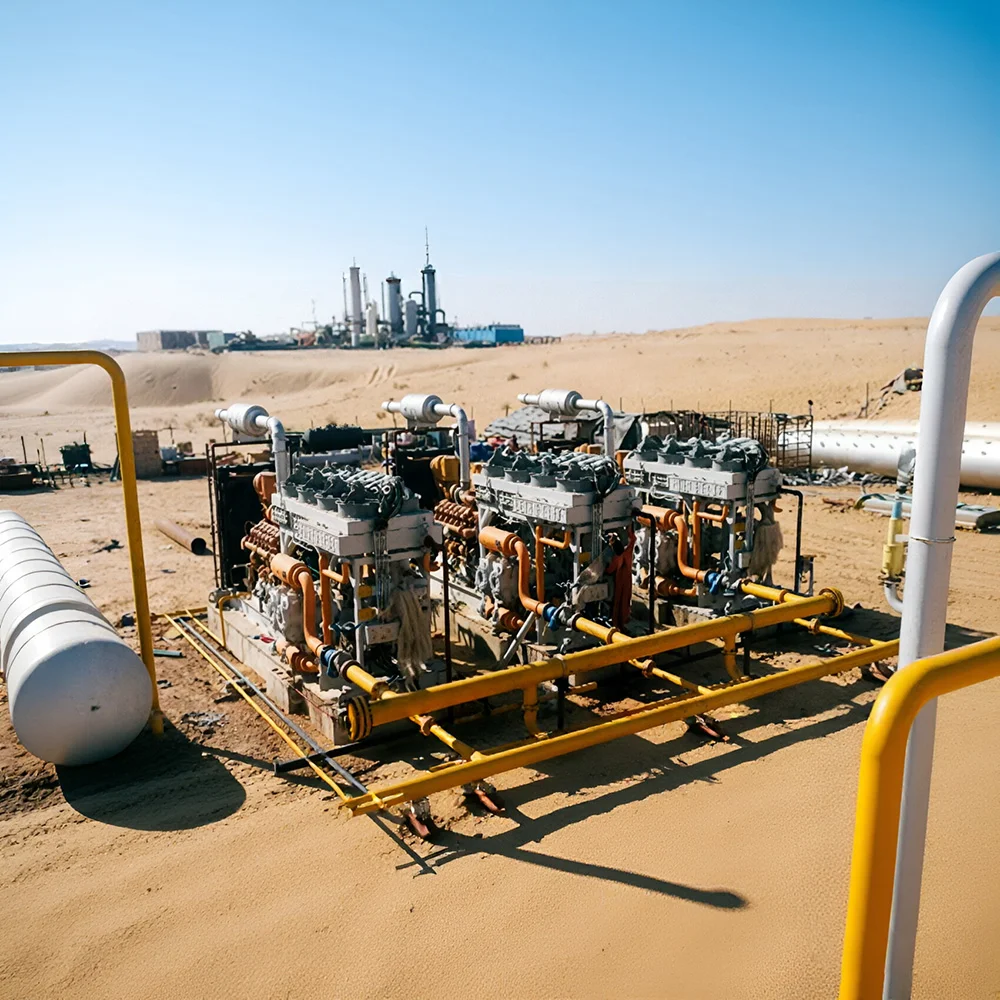
From 1990 to 2010, the Japanese market relied heavily on traditional heavy-walled steel cylinders for industrial gases. The focus was primarily on stability and basic pressure containment for traditional petrochemical operations.

Between 2010 and 2020, a shift occurred toward lightweighting and efficiency. The adoption of Type III and Type IV composite materials allowed for higher pressure storage, facilitating the growth of bio lpg gas as a sustainable alternative for heating and cooking in rural prefectures.

Since 2020, the trajectory has moved toward "Hydrogen Society" infrastructure. The focus has shifted to cryogenic storage and ultra-high-pressure systems, integrating smart sensors for real-time leak detection and pressure monitoring.

Future Development Trends

Liquid Hydrogen Dominance

The trend is moving toward large-scale liquid hydrogen storage to maximize volumetric efficiency for long-distance maritime transport.

Carbon-Neutral Bio-Fuels

Increased investment in bio-gasification plants will drive the demand for specialized compression equipment for renewable gas streams.

AI-Driven Maintenance

Integration of IoT and AI for predictive maintenance of high-pressure vessels to eliminate downtime in critical Japanese manufacturing lines.

Industry Trends and Future Outlook

Strategic directions for gas compression and separation in the Asia-Pacific region.

Decarbonization Acceleration
Rapid transition to zero-emission fuels, increasing demand for ultra-pure hydrogen storage systems.
Composite Material Innovation
Shift toward carbon-fiber reinforced polymers to enhance safety and reduce weight in transport.
Smart Grid Integration
Linking gas storage facilities with renewable energy grids for peak-shaving capabilities.
Circular Economy Focus
Emphasis on recyclable components and low-energy separation processes in chemical plants.

Industry Outlook

Based on current search trends and government policy, the Japanese market is expected to see a 15% annual increase in demand for hydrogen-specific infrastructure over the next 5 years. This will drive the adoption of modular, scalable storage units.

The synergy between bio-fuel development and high-pressure compression will create new niches in the "Green Gas" sector, shifting the industry from traditional oil-based processes to sustainable, bio-based alternatives.

Localized Application Scenarios in Japan

Real-world deployments of gas compression and separation technology across Japanese prefectures.

01. Tokyo Bay Industrial Hydrogen Hubs

Deployment of ultra-high pressure hydrogen storage tank systems to provide fuel for zero-emission heavy-duty trucks and buses within the metropolitan logistics network.

02. Hokkaido Bio-Energy Plants

Integration of compression systems for bio lpg gas derived from agricultural waste, providing sustainable heating solutions for northern rural communities.

03. Osaka Petrochemical Refineries

Installation of advanced demulsifier oil and gas separation units to improve crude oil processing efficiency and meet stringent environmental discharge regulations.

04. Nagoya Automotive Logistics Centers

Implementation of high-capacity cng cylinder arrays for fleet conversion, reducing the carbon footprint of automotive part transport.

05. Yokohama LNG Receiving Terminals

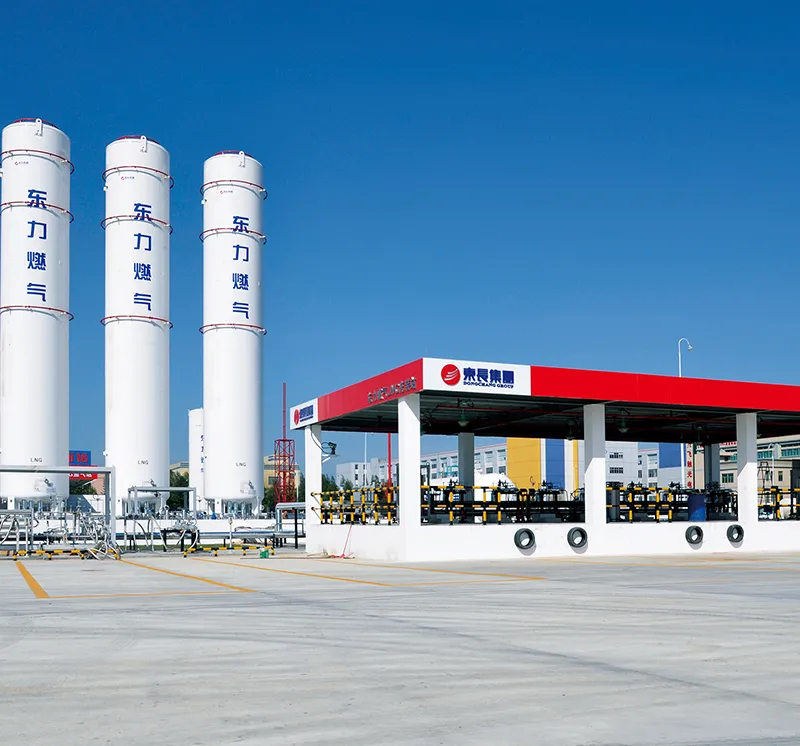
Optimization of lng products regasification and storage equipment to ensure a stable energy supply for the Kanto region's power plants.

Brand Story

Global Development Journey of Shijiazhuang Enric Gas Machinery Co., Ltd.

Foundational Excellence

Established as a specialist in high-pressure gas machinery, focusing on the core engineering of compression and separation systems.

Technical Innovation

Pioneered the use of composite materials in storage vessels to solve the weight-to-pressure ratio pain point for the global gas industry.

Market Expansion

Expanded operations into the Asia-Pacific region, adapting products to meet the rigorous JIS and safety standards of the Japanese market.

Sustainable Transition

Shifted focus toward the "Hydrogen Economy," developing integrated solutions for storage, transport, and refueling infrastructure.

Global Leadership

Currently serving as a key partner for international energy firms, providing end-to-end gas equipment solutions that prioritize safety and efficiency.

Comprehensive Gas Equipment Portfolio for Japan

A full suite of compression, storage, and separation technologies designed for the Japanese industrial ecosystem.

Japan Market FAQ

Answers to common technical and regulatory questions regarding gas equipment.

Do your hydrogen storage tank systems comply with Japanese KHK standards?

Yes, our equipment is designed to align with the High Pressure Gas Safety Act and KHK (KHK High Pressure Gas Safety Institute) certification requirements to ensure maximum safety in Japan.

How does a demulsifier oil and gas system improve refinery efficiency?

Our systems use advanced chemical and mechanical separation to break water-in-oil emulsions, reducing processing time and decreasing the amount of waste sludge produced.

What is the lifespan of a composite CNG cylinder in urban transport?

Our Type IV composite cylinders are designed for a service life of 15-20 years, with integrated fatigue-resistant liners to withstand frequent refill cycles.

Can bio LPG gas be stored using existing LNG products infrastructure?

While some components are compatible, bio LPG requires specific compression ratios and seal materials to prevent degradation from organic impurities.

What seismic protections are integrated into your storage vessels?

We employ reinforced anchoring systems and flexible coupling joints that allow the equipment to absorb seismic energy without compromising pressure integrity.

How is the purity of gas maintained in high-pressure storage?

We use high-grade internal coatings and precision filtration stages during the compression process to prevent contamination and ensure fuel grade purity.

Get Expert Consultation

Contact our engineering team to customize your gas equipment solutions for the specific regulatory and industrial needs of Japan.

Contact Us Now

If you are interested in our products, you can choose to leave your information here, and we will be in touch with you shortly.