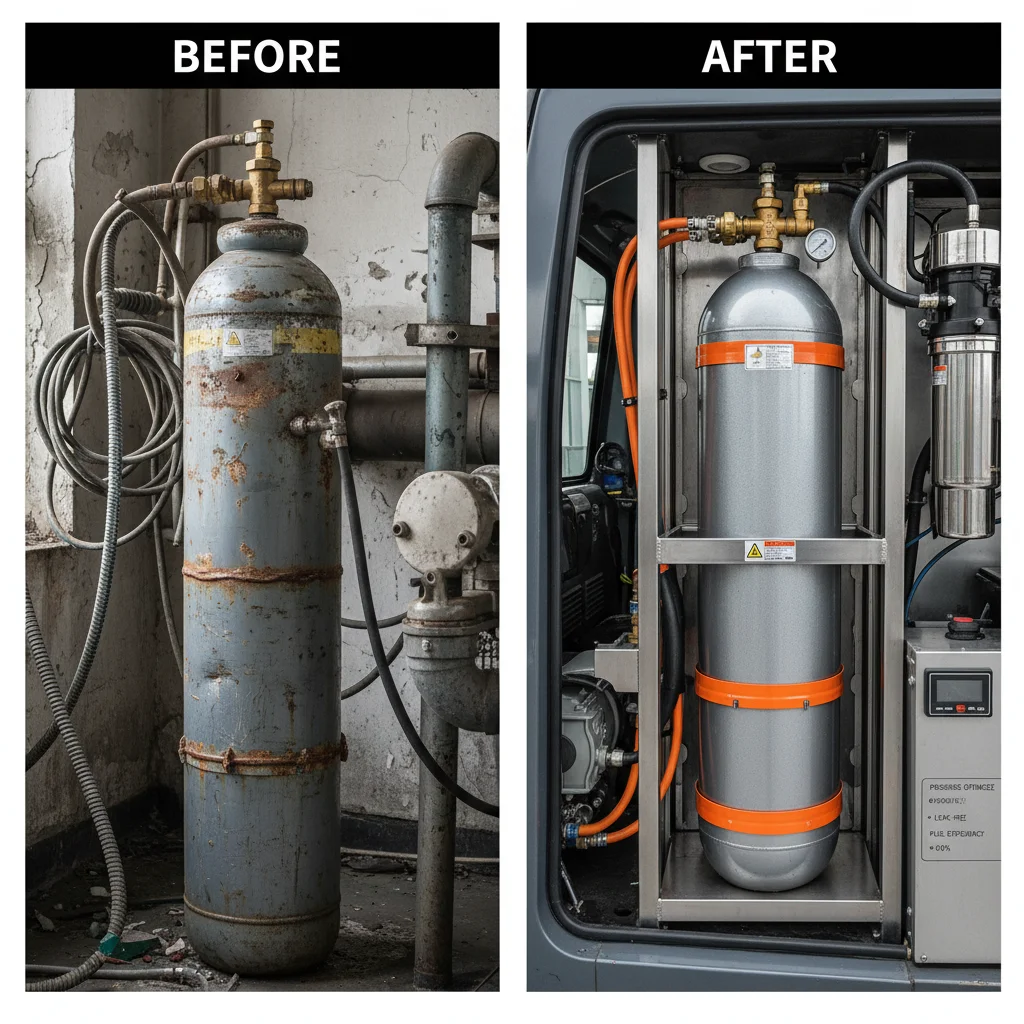
The global transition toward cleaner energy has placed a significant spotlight on the adaptation of commercial and utility vehicles. Among these, cng tanks for pickup trucks have emerged as a pivotal solution for fleet operators and individual owners looking to reduce their carbon footprint without sacrificing the hauling capabilities of their vehicles. By leveraging compressed natural gas, these storage systems allow for a seamless blend of power and sustainability.
Understanding the engineering behind these storage solutions is essential for ensuring safety and maximizing fuel efficiency. The integration of high-pressure vessels into the chassis of a pickup truck requires precision manufacturing and a deep understanding of material science to handle the extreme pressures associated with CNG. As urban emissions regulations tighten worldwide, the demand for reliable and lightweight fuel storage is reaching an all-time high.
Whether it is for municipal service vehicles or rugged industrial applications, the adoption of cng tanks for pickup trucks represents more than just a fuel switch; it is a strategic move toward energy independence and operational cost reduction. This guide explores the technical specifications, global applications, and future innovations that make CNG a viable alternative to traditional diesel and gasoline.
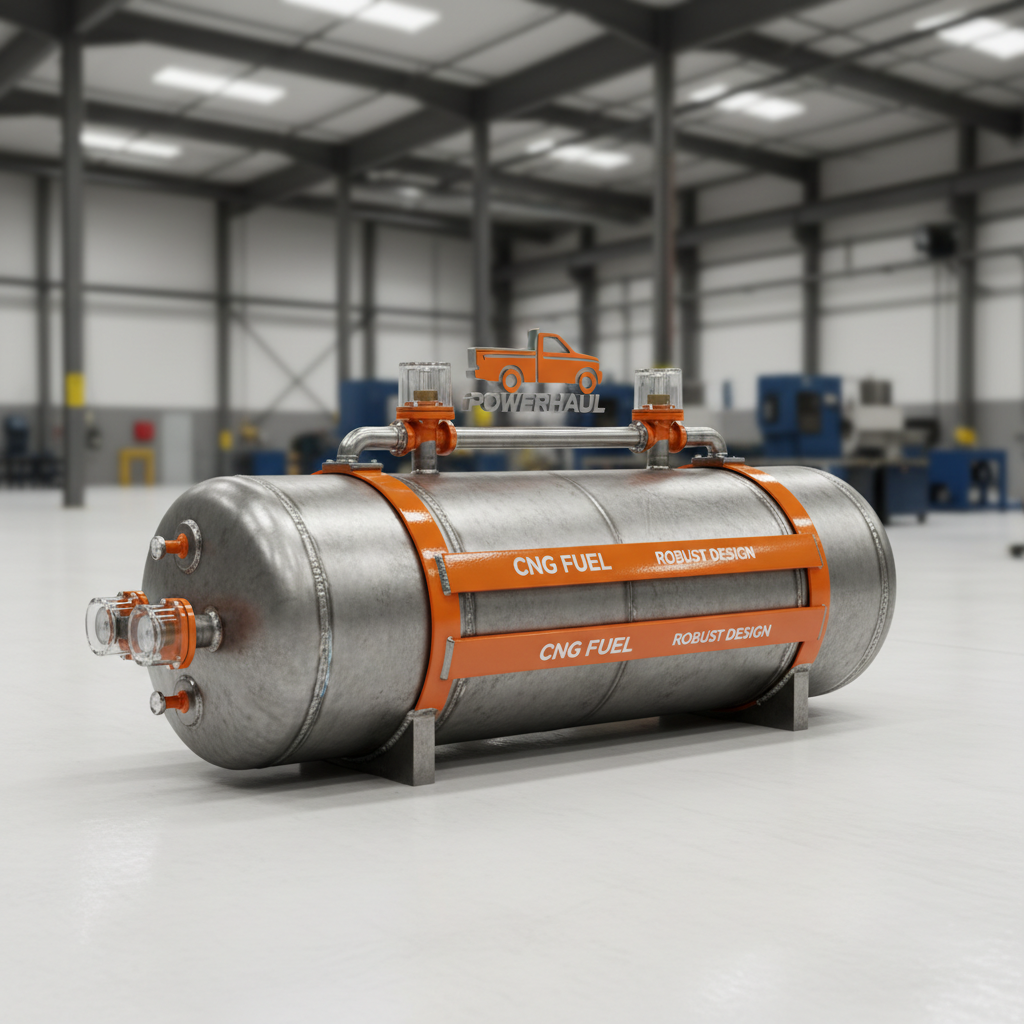
Global Context of CNG Integration in Light Trucks
Across the globe, the push for decarbonization has led to an increase in the adoption of alternative fuels for the transport sector. According to industry trends aligned with ISO standards for pressure vessels, the shift toward cng tanks for pickup trucks is driven by the need to lower nitrogen oxide (NOx) and particulate matter emissions in urban environments. In regions like Southeast Asia and Latin America, where natural gas infrastructure is robust, these conversions are becoming a standard for municipal fleets.
However, the transition is not without challenges. The primary hurdle has always been the trade-off between fuel capacity and cargo space. Early iterations of CNG storage were bulky and heavy, often compromising the utility of the pickup bed. Modern engineering has addressed this through the development of Type 3 and Type 4 composite cylinders, which significantly reduce the weight-to-volume ratio, making CNG a practical choice for heavy-duty pickup applications.
Defining High-Pressure CNG Storage Systems
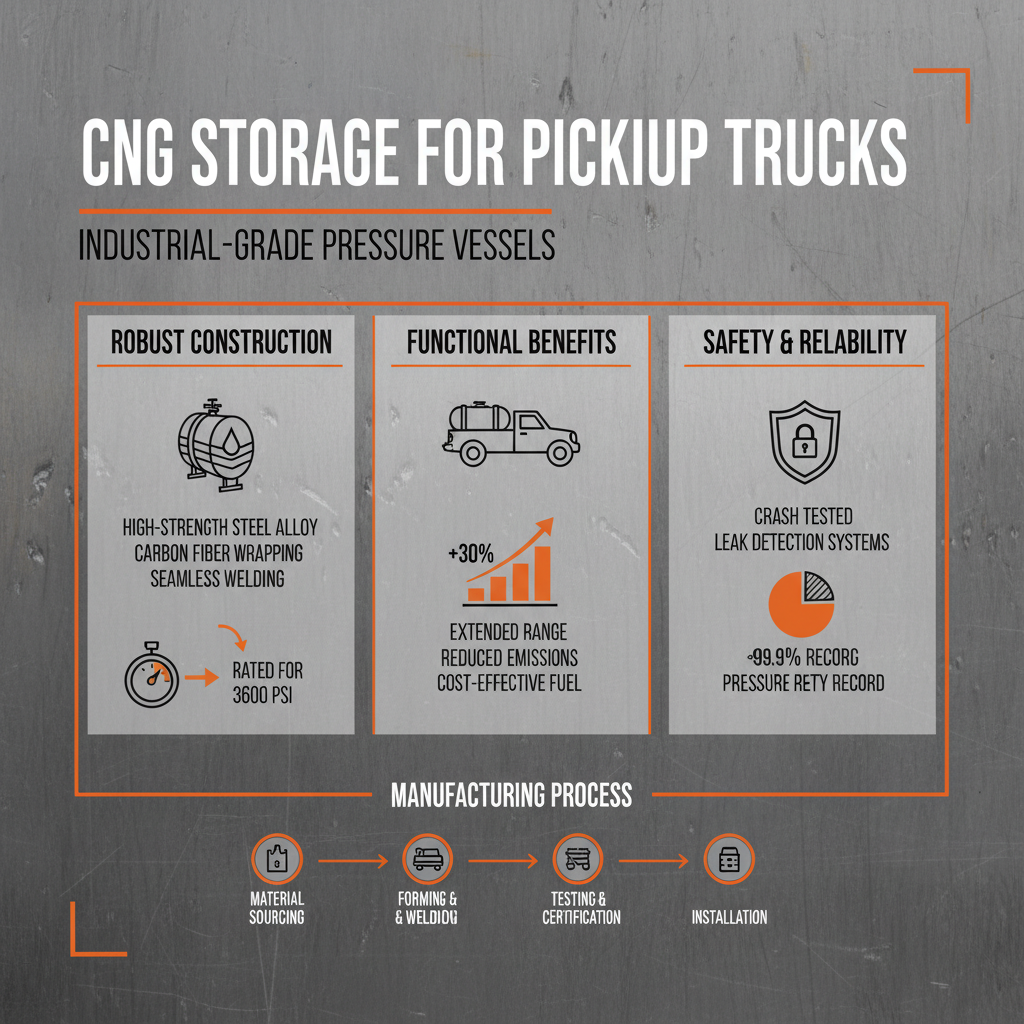
In simple terms, cng tanks for pickup trucks are specialized high-pressure vessels designed to store natural gas—primarily methane—compressed to pressures typically ranging from 3,000 to 3,600 psi. Unlike traditional liquid fuel tanks, these systems must be engineered to withstand extreme internal pressure while remaining resilient to external impacts and temperature fluctuations.
From a modern industrial perspective, these tanks are not merely "fuel containers" but are critical components of a green energy ecosystem. They bridge the gap between the abundance of natural gas reserves and the mobility needs of the workforce. By converting a pickup truck to CNG, industries can reduce their dependence on volatile petroleum markets while utilizing a fuel that is inherently cleaner.
The connection to humanitarian and environmental needs is clear: by lowering the cost per mile and reducing smog-forming emissions, these storage systems enable more affordable logistics in developing regions. This ensures that essential goods and services can be transported across rugged terrains with a lower ecological impact, aligning with global sustainability goals.
Core Components for Maximum Durability
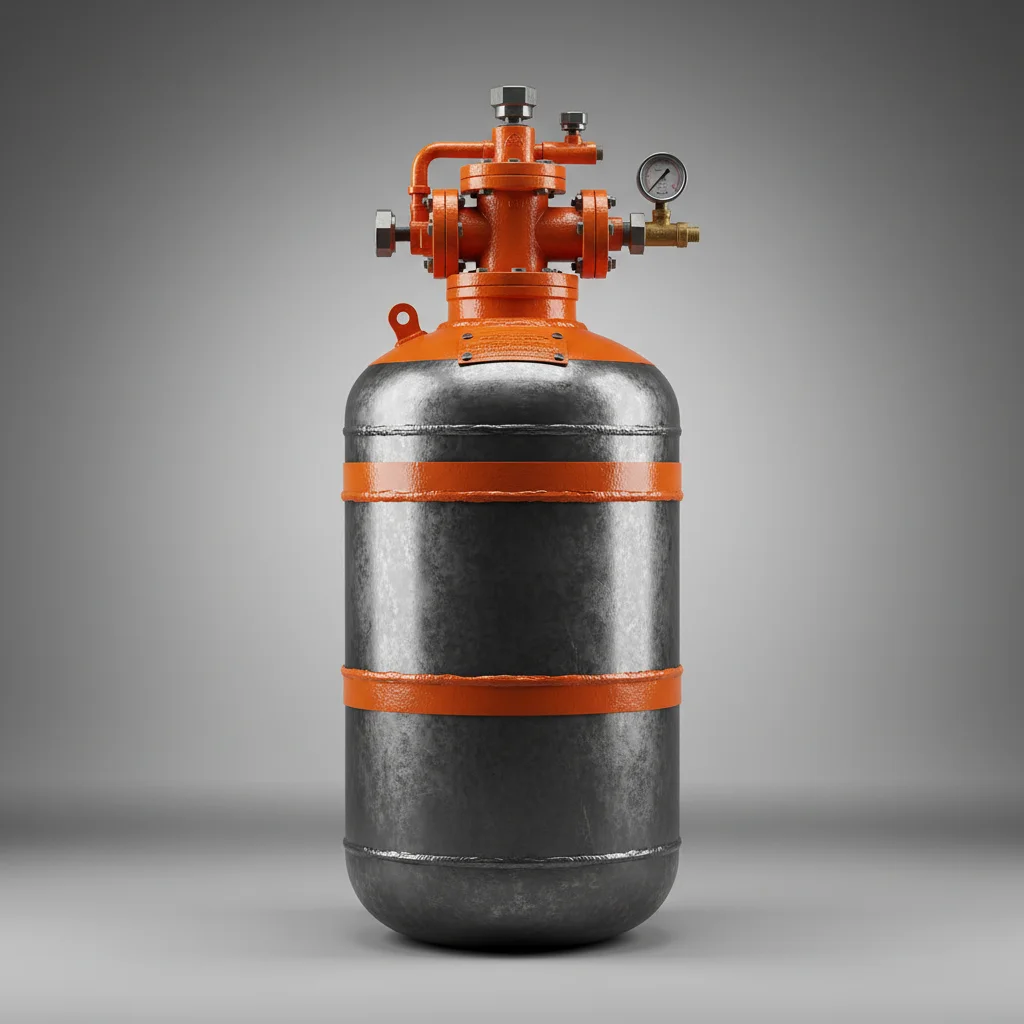
The reliability of cng tanks for pickup trucks depends heavily on the material composition of the cylinder. Most high-end tanks utilize a combination of an aluminum or plastic liner reinforced with carbon fiber or fiberglass winding. This composite structure provides the necessary tensile strength to contain high-pressure gas while keeping the overall weight low enough to avoid affecting the vehicle's suspension.
Another critical factor is the pressure relief device (PRD). In the event of a fire or extreme overheating, the PRD is designed to vent the gas in a controlled manner to prevent a catastrophic tank failure. For cng tanks for pickup trucks, these safety valves are calibrated to strict international safety standards, ensuring that the vehicle remains safe even under the most grueling industrial working conditions.
Finally, the mounting and brackets system plays a vital role in scalability and safety. Because pickup trucks often encounter off-road vibrations and jarring impacts, the tanks must be secured with high-grade steel brackets that prevent movement. This structural integrity ensures that the fuel system does not interfere with other chassis components, maintaining the vehicle's original handling characteristics.
Comparative Performance and Efficiency Metrics
When evaluating cng tanks for pickup trucks, users typically focus on the balance between fuel density, weight, and installation cost. Type 4 tanks (fully composite) offer the highest weight savings and corrosion resistance, whereas Type 2 tanks (steel with hoop wrap) are more cost-effective but significantly heavier.
The efficiency of these systems is measured not just by the amount of gas stored, but by the "usable capacity" after considering the pressure drop during discharge. Advanced storage solutions optimize the inner volume to ensure that the truck can travel longer distances between refills, reducing downtime for commercial operators.
Efficiency Ratings of Different Storage Methods
Global Applications and Industrial Use Cases
The practical application of cng tanks for pickup trucks varies by region. In the United States and Canada, they are frequently used by utility companies for "last-mile" service calls, where the lower fuel cost of CNG significantly reduces operational overhead. In these contexts, the trucks often serve as mobile workshops, requiring a fuel system that is both compact and extremely safe.
In remote industrial zones, such as oil and gas fields or large-scale mining operations, CNG-powered pickups provide a sustainable way to transport personnel and light equipment. By utilizing on-site gas reserves to fuel their fleets via specialized cng tanks for pickup trucks, companies can eliminate the logistical nightmare and cost of trucking in diesel fuel to isolated locations.
Long-Term Value and Sustainability Benefits
The long-term value of investing in cng tanks for pickup trucks extends beyond simple fuel savings. From a logical standpoint, CNG burns cleaner than diesel, which leads to reduced engine wear and longer intervals between oil changes. This lower maintenance requirement increases the overall lifespan of the vehicle, providing a better return on investment for fleet managers.
Beyond the financial metrics, there is a strong emotional and social angle. Businesses that adopt green energy solutions enhance their brand image, signaling a commitment to environmental stewardship. For the driver, the reduced noise and vibration levels associated with CNG engines contribute to a more dignified and less stressful working environment.
Furthermore, the reliability of modern composite tanks ensures peace of mind. Knowing that the fuel system meets rigorous international safety certifications allows operators to focus on their core tasks without worrying about the integrity of their fuel storage. This trust in innovation is what drives the widespread adoption of CNG in the automotive sector.
Future Trends in Tank Material Science
Looking ahead, the evolution of cng tanks for pickup trucks is moving toward "smart tanks." These systems integrate IoT sensors that provide real-time data on pressure, temperature, and structural integrity directly to the driver's dashboard or a remote fleet management center. This digital transformation allows for predictive maintenance, identifying potential leaks or wear before they become safety hazards.
Material science is also advancing with the introduction of nano-composite liners. These new materials aim to further reduce the weight of the tanks while increasing the gas storage density, potentially allowing pickup trucks to travel the same distances as diesel vehicles without needing larger tanks. This breakthrough will make CNG even more competitive against the rise of electric pickup trucks, which often struggle with battery weight and charging times in rural areas.
Moreover, as the world moves toward Bio-CNG (derived from organic waste), the existing infrastructure of cng tanks for pickup trucks will become part of a truly circular economy. The ability to use carbon-neutral fuels within the same hardware ensures that the current transition to CNG is a sustainable bridge to a zero-emission future.
Comparison of CNG Tank Technologies for Pickup Trucks
| Tank Type |
Weight Efficiency |
Corrosion Resistance |
Relative Cost |
| Type 1 (Steel) |
Low (3/10) |
Poor |
Very Low |
| Type 2 (Hoop Wrapped) |
Moderate (5/10) |
Fair |
Low |
| Type 3 (Alu-Liner) |
High (8/10) |
Good |
Medium |
| Type 4 (Composite) |
Excellent (10/10) |
Excellent |
High |
| Nano-Composite (Future) |
Ultra-High (11/10) |
Superior |
Premium |
| Hybrid Systems |
Moderate (6/10) |
Good |
Medium |
FAQS
Depending on the tank type and capacity, CNG storage typically occupies a portion of the truck bed or is mounted underneath the chassis. Type 4 composite tanks are the most space-efficient. Many operators choose under-bed mounting to preserve 100% of the bed's utility, although this may require minor modifications to the vehicle's frame and exhaust system.
Yes, they are designed to be incredibly safe. High-pressure CNG tanks undergo rigorous crash testing and include Pressure Relief Devices (PRDs) that vent gas safely if temperatures rise too high. Because natural gas is lighter than air, any leaked gas dissipates upward quickly, unlike gasoline or diesel which pool on the ground, significantly reducing the risk of fire.
Most certified CNG tanks have a service life of 15 to 20 years. However, they are subject to periodic inspections and recertification processes. Composite tanks (Type 3 and 4) generally last longer and resist corrosion better than steel tanks, making them a more durable long-term investment for industrial pickup fleets.
While most pickup trucks can be converted, the feasibility depends on the available space and the engine's compatibility with CNG. Professional conversion kits are available for most major brands. It is essential to consult a certified engineer to ensure that the weight distribution of the tanks does not exceed the vehicle's Gross Vehicle Weight Rating (GVWR).
Filling a CNG tank is generally similar to filling a gasoline tank, typically taking 5 to 15 minutes depending on the pressure of the filling station. While slightly slower than a low-pressure diesel pump, the efficiency of fast-fill stations makes it highly practical for commercial use, especially when compared to the hours required for EV charging.
Maintenance for the tanks themselves is very low, primarily involving visual inspections and leak checks. In fact, the overall cost of ownership often drops because CNG is typically cheaper than diesel and the cleaner combustion leads to less frequent engine maintenance. The primary cost is the initial investment in the high-quality tank and conversion kit.
Conclusion
The integration of cng tanks for pickup trucks represents a critical intersection of industrial utility and environmental responsibility. By combining advanced composite materials with high-pressure engineering, these systems allow the rugged capabilities of pickup trucks to coexist with the goals of global decarbonization. From reducing operational costs to enhancing urban air quality, the benefits of CNG storage are evident across various industrial and commercial sectors.
As we look toward the future, the move toward smart monitoring and bio-CNG will only further solidify the role of natural gas in the transport sector. For businesses and individuals alike, adopting this technology is a strategic investment in sustainability and efficiency. We encourage you to explore the latest in high-pressure storage solutions to optimize your fleet's performance. Visit our website: www.enricgroupsjz.com