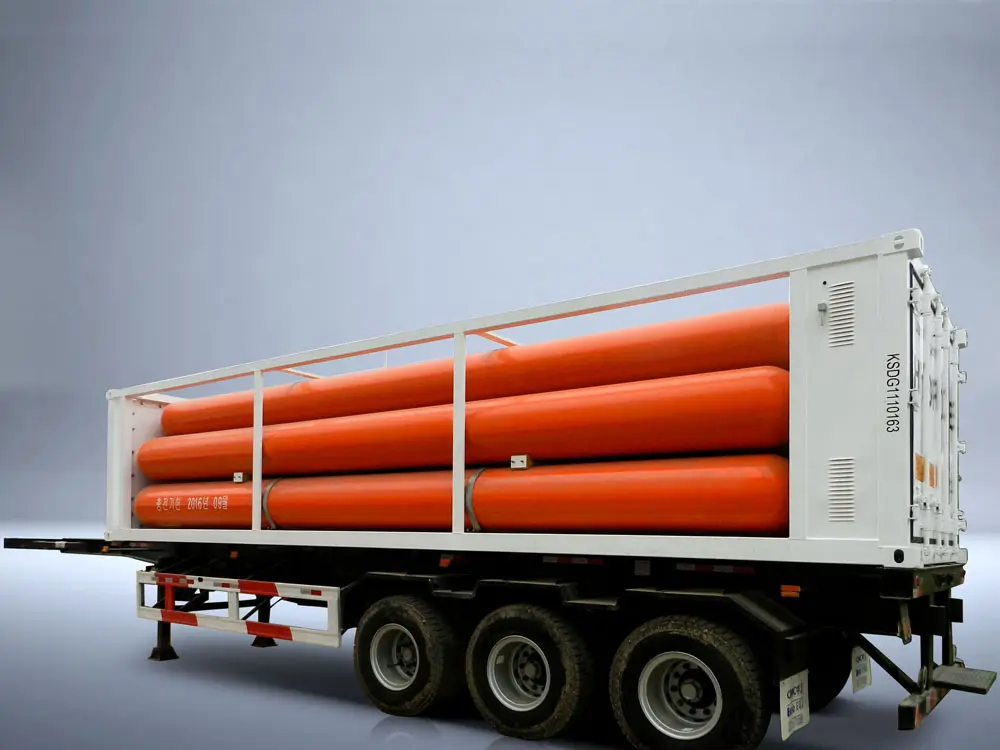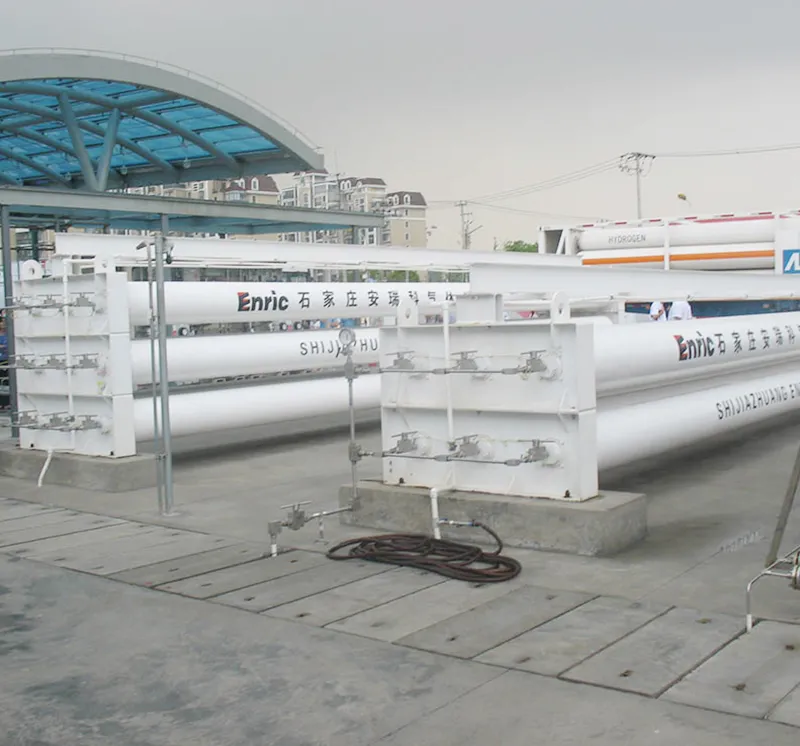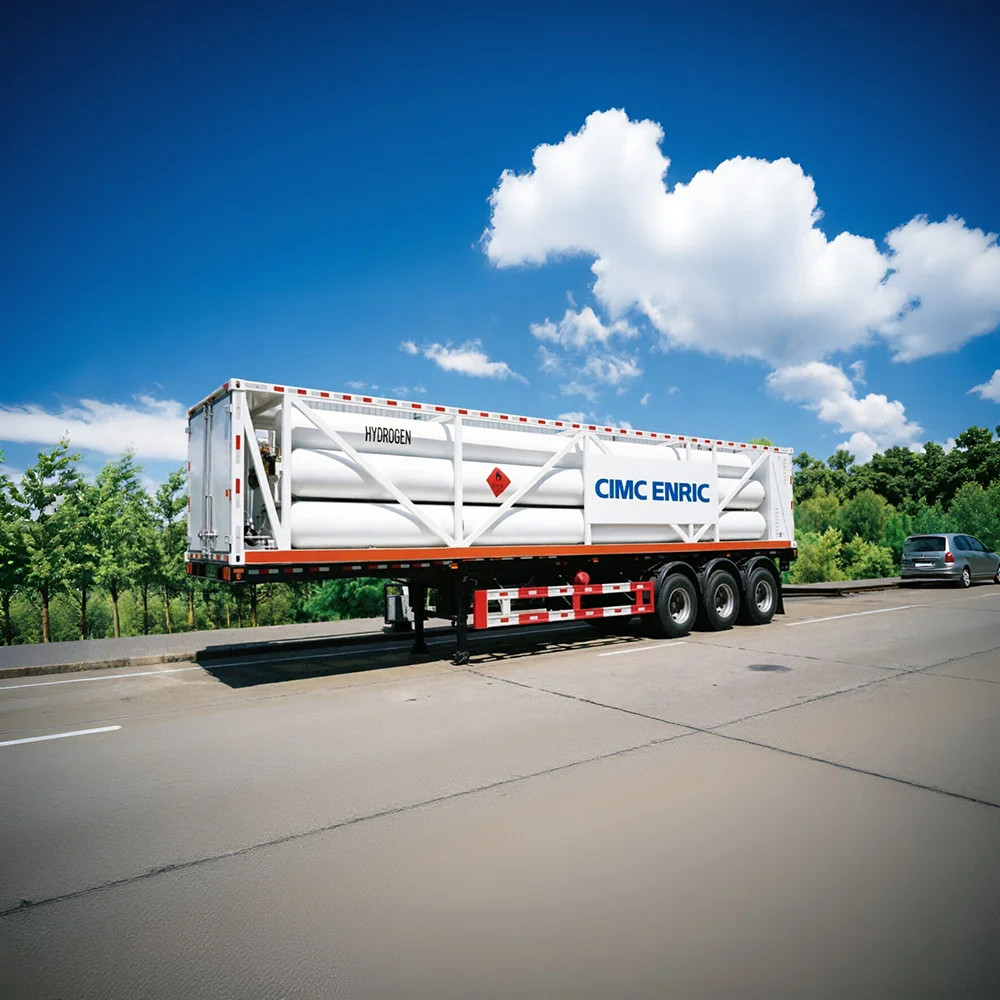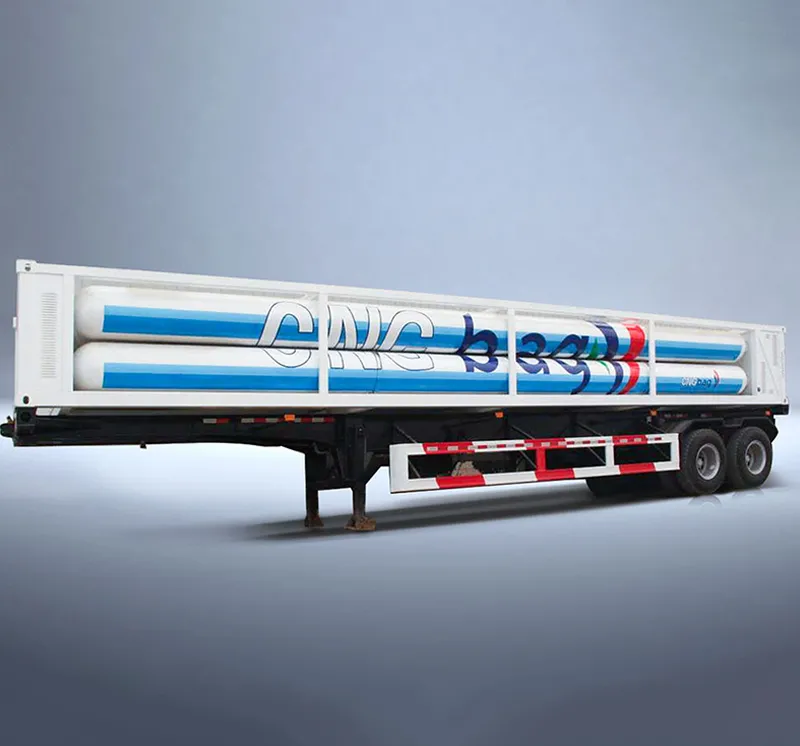
Advancing Sustainable Transportation with the 14 kg cng cylinder

0%

Table of Contents

The 14 kg cng cylinder is rapidly becoming a crucial component in the global transition towards cleaner energy sources. Its role extends beyond simply fueling vehicles; it represents a practical solution for reducing carbon emissions and promoting energy independence, particularly in regions with limited access to traditional fuel infrastructure. Understanding the intricacies of 14 kg cng cylinder technology, its applications, and future developments is vital for policymakers, businesses, and individuals alike.

Globally, the demand for alternative fuels is surging, driven by increasing environmental awareness and stringent emission regulations. The 14 kg cng cylinder offers a cost-effective and readily deployable solution for numerous sectors, including transportation, industrial processes, and residential energy. This has led to significant investment in cng infrastructure and a corresponding growth in the manufacturing and adoption of 14 kg cng cylinders worldwide.

The increasing accessibility and affordability of 14 kg cng cylinders are democratizing access to cleaner energy, especially in developing nations. This technology empowers communities to reduce their reliance on polluting fossil fuels and contribute to a more sustainable future, fostering economic growth while mitigating environmental impact.

14 kg cng cylinder

Introduction to 14 kg cng cylinder

14 kg cng cylinder

The 14 kg cng cylinder represents a standardized capacity within the Compressed Natural Gas (CNG) industry, commonly used for vehicular applications. Its widespread adoption is linked to its balance between storage capacity, vehicle range, and manageable weight and size. The cylinder’s design and construction adhere to rigorous safety standards, ensuring reliable performance across diverse operating conditions.

Understanding the specifications of a 14 kg cng cylinder – including its working pressure, material composition, and testing protocols – is crucial for ensuring safe and efficient operation. Ongoing advancements in materials science are continually improving the performance and durability of these cylinders, further solidifying their position as a key component in sustainable transportation solutions.

Defining the 14 kg cng cylinder

A 14 kg cng cylinder is a specialized pressure vessel designed to store compressed natural gas at high pressures, typically 200-250 bar (2900-3625 psi). The "14 kg" designation refers to the approximate mass of CNG the cylinder can hold, though the actual weight capacity can vary slightly depending on the cylinder's design and filling density. This capacity makes it ideal for a wide range of light and medium-duty vehicles.

These cylinders are typically constructed from high-strength steel alloys or composite materials (such as carbon fiber wrapped around a metallic liner) to withstand the extreme pressures involved. They are rigorously tested and certified to meet international safety standards, ensuring their integrity and reliability in operation.

The 14 kg cng cylinder directly connects to a vehicle’s fuel system via a pressure regulator, which reduces the CNG pressure to a level suitable for combustion in the engine. This seamless integration allows vehicles to operate on CNG with minimal modifications, making it a practical and accessible alternative to gasoline or diesel.

Key Characteristics of a 14 kg cng cylinder

Durability: 14 kg cng cylinders are engineered to withstand repeated pressure cycles and harsh environmental conditions. High-quality materials and robust construction ensure a long service life, minimizing maintenance requirements and maximizing operational efficiency.

Safety: Safety is paramount in the design and manufacture of 14 kg cng cylinders. They are equipped with pressure relief devices (PRDs) to prevent over-pressurization and undergo rigorous testing to ensure they can withstand impact and fire. Adherence to international standards like ISO 11119-3 is crucial.

Weight Efficiency: While steel cylinders are robust, composite 14 kg cng cylinders offer significant weight savings. Lighter cylinders contribute to improved fuel economy and vehicle performance, making them particularly attractive for applications where weight is a critical factor.

Practical Applications of 14 kg cng cylinder

The primary application of the 14 kg cng cylinder is in the conversion of gasoline or diesel vehicles to run on CNG. This is particularly prevalent in public transportation, such as buses and taxis, as well as fleet vehicles. The economic and environmental benefits of CNG make it an attractive alternative fuel for these applications.

Beyond transportation, 14 kg cng cylinders are also utilized in stationary applications, such as powering generators, industrial equipment, and residential heating systems, especially in areas where natural gas pipelines are not readily available. This provides a reliable and cost-effective energy source.

14 kg cng cylinder Adoption Rates by Application

Global Adoption & Industry Impact of 14 kg cng cylinder

Regions with established natural gas infrastructure, such as parts of Europe, Asia (particularly Pakistan, India, and China), and South America, have seen significant adoption of 14 kg cng cylinders. Government incentives, such as tax breaks and subsidies, often play a key role in promoting CNG vehicle conversions.

The widespread use of 14 kg cng cylinders has stimulated growth in the CNG refueling station network, creating new employment opportunities and supporting local economies. Furthermore, it has fostered innovation in cylinder manufacturing and related technologies, driving down costs and improving performance.

Benefits and Long-Term Value of 14 kg cng cylinder

The benefits of utilizing 14 kg cng cylinders are multifaceted. Economically, CNG is often cheaper than gasoline or diesel, leading to fuel cost savings for vehicle owners. Environmentally, CNG produces significantly lower emissions of greenhouse gases and pollutants, contributing to improved air quality and a reduced carbon footprint.

Long-term, the continued adoption of 14 kg cng cylinders promotes energy independence and reduces reliance on imported oil. This enhances energy security and strengthens national economies. The durability and reliability of these cylinders ensure a stable and sustainable energy solution for years to come.

Beyond the practical advantages, CNG offers a sense of responsible innovation. Choosing a vehicle powered by a 14 kg cng cylinder signals a commitment to environmental stewardship and a forward-thinking approach to energy consumption.

Future Trends & Innovations in 14 kg cng cylinder Technology

Research and development efforts are focused on improving the energy density of 14 kg cng cylinders through the use of advanced composite materials and innovative tank designs. This will allow for greater CNG storage capacity without increasing cylinder weight or size.

Smart cylinder technologies, incorporating sensors and data analytics, are also emerging. These systems can monitor cylinder pressure, temperature, and structural integrity in real-time, enhancing safety and optimizing performance. Digital integration is poised to revolutionize the monitoring and maintenance of 14 kg cng cylinders.

Furthermore, the integration of 14 kg cng cylinder technology with renewable natural gas (RNG) sources will further enhance its sustainability profile. RNG, produced from organic waste, offers a carbon-neutral fuel option, maximizing the environmental benefits of CNG.

Summary of Key Considerations for 14 kg cng cylinder Advancement

Material Science Sensor Integration Manufacturing Processes Regulatory Compliance
Exploring carbon fiber reinforced polymers for weight reduction. Implementing real-time pressure and temperature monitoring. Adopting automated winding techniques for composite cylinders. Meeting evolving ISO and UN standards for CNG cylinders.
Investigating new alloy compositions for enhanced steel cylinder durability. Developing predictive maintenance algorithms based on sensor data. Optimizing liner materials for improved gas permeation resistance. Ensuring traceability and quality control throughout the manufacturing process.
Analyzing material performance under extreme temperature variations. Integrating data analytics for fleet management and fuel efficiency. Implementing non-destructive testing methods for quality assurance. Addressing cybersecurity concerns related to connected cylinder systems.
Researching self-healing materials for increased cylinder lifespan. Providing remote diagnostics and troubleshooting capabilities. Minimizing material waste and reducing manufacturing costs. Harmonizing international regulations for seamless global trade.
Evaluating the potential of nanomaterials for enhanced strength. Enabling over-the-air software updates for cylinder control systems. Utilizing 3D printing for customized cylinder components. Establishing clear guidelines for cylinder repurposing and recycling.
Developing lightweight alloys with superior corrosion resistance. Facilitating integration with smart grid technologies for energy management. Implementing circular economy principles in cylinder production. Promoting public awareness of the safety and benefits of CNG cylinders.

FAQS

What is the typical lifespan of a 14 kg cng cylinder?

The lifespan of a 14 kg cng cylinder typically ranges from 15 to 20 years, provided it undergoes regular inspections and maintenance. Cylinders are designed for a finite number of pressure cycles and are subject to mandatory requalification testing (hydrostatic testing) every 5 years to ensure continued safety and integrity. Failure to pass requalification testing results in the cylinder being removed from service.

How often should a 14 kg cng cylinder be inspected?

A visual inspection of a 14 kg cng cylinder should be performed every time the vehicle is serviced, or at least annually. This includes checking for signs of corrosion, damage, or leaks. In addition to visual inspections, hydrostatic testing is required every five years to verify the cylinder's structural integrity and pressure-holding capacity. This testing is performed by certified professionals.

Are composite 14 kg cng cylinders safer than steel cylinders?

Both composite and steel 14 kg cng cylinders are designed to meet stringent safety standards. Composite cylinders offer a higher strength-to-weight ratio, meaning they are lighter for the same storage capacity. While they may exhibit different failure modes than steel cylinders, both types undergo rigorous testing to ensure they can withstand extreme pressures and impacts. The safety ultimately relies on proper manufacturing, inspection, and maintenance.

What is the cost of converting a vehicle to run on a 14 kg cng cylinder?

The cost of converting a vehicle to run on a 14 kg cng cylinder varies depending on the vehicle type, the complexity of the conversion, and the labor rates in your area. Generally, the cost can range from $3,000 to $8,000. However, this cost can often be offset by fuel savings over time, especially in regions where CNG is significantly cheaper than gasoline or diesel.

Where can I find certified technicians for 14 kg cng cylinder installation and maintenance?

Finding certified technicians is crucial for ensuring the safe and reliable operation of your 14 kg cng cylinder system. Several organizations offer CNG technician training and certification programs. Resources like the Natural Gas Vehicle Coalition (NGVC) and local CNG associations can provide directories of qualified technicians in your area. Always verify a technician’s credentials before entrusting them with your vehicle.

What are the environmental benefits of using a 14 kg cng cylinder?

Using a 14 kg cng cylinder offers significant environmental benefits compared to gasoline or diesel. CNG produces up to 25% fewer greenhouse gas emissions and reduces emissions of harmful pollutants like nitrogen oxides and particulate matter. When sourced from renewable sources like biogas, CNG can achieve near-zero carbon emissions, contributing to cleaner air and a more sustainable transportation system.

Conclusion

The 14 kg cng cylinder represents a vital piece of the puzzle in the global transition towards cleaner, more sustainable energy solutions. Its proven reliability, cost-effectiveness, and environmental benefits make it an increasingly attractive alternative to traditional fossil fuels. Continued innovation in materials science, sensor technology, and regulatory frameworks will further enhance the performance and accessibility of 14 kg cng cylinder technology.

Looking ahead, widespread adoption of 14 kg cng cylinders, coupled with investment in CNG infrastructure and the utilization of renewable natural gas sources, will be instrumental in reducing carbon emissions, improving air quality, and enhancing energy security. To learn more about 14 kg cng cylinders and our commitment to sustainable energy solutions, visit our website: www.enricgroupsjz.com

David Miller

David Miller

David Miller is a Senior Project Engineer at CIMC Enric USA, specializing in hydrogen energy solutions. With over 15 years of experience in the energy sector, David focuses on the design and implementation of high-pressure hydrogen storage and transportation systems. He was instrumental in adapting CIMC Enric's technologies for the
Previous Understanding 12 kg cng cylinder weight in kg for Optimized CNG Systems
Next Understanding 14 kg cng cylinder weight in kg for Sustainable Energy Solutions

If you are interested in our products, you can choose to leave your information here, and we will be in touch with you shortly.