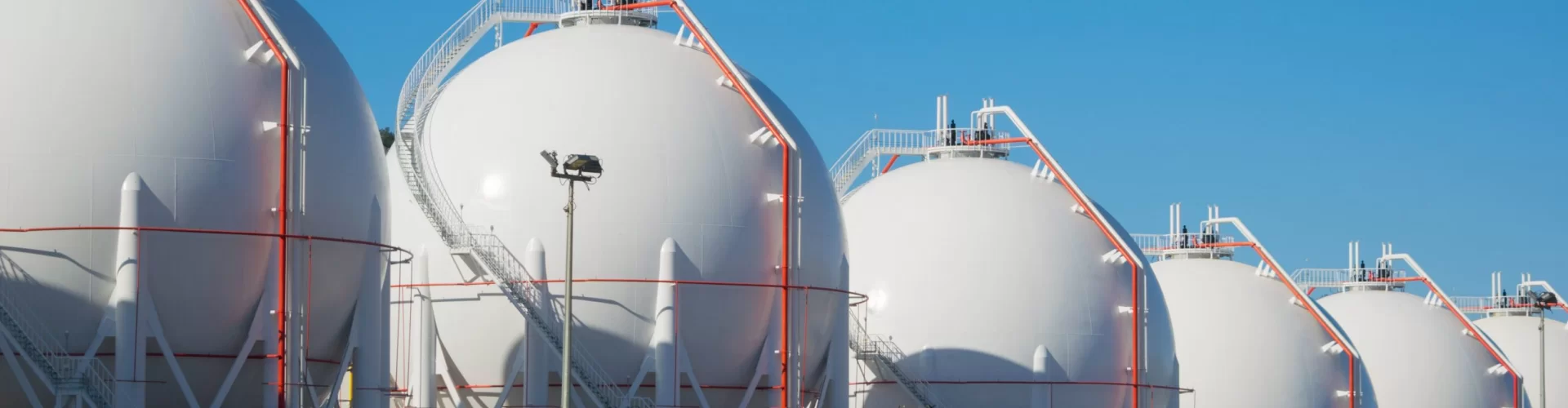
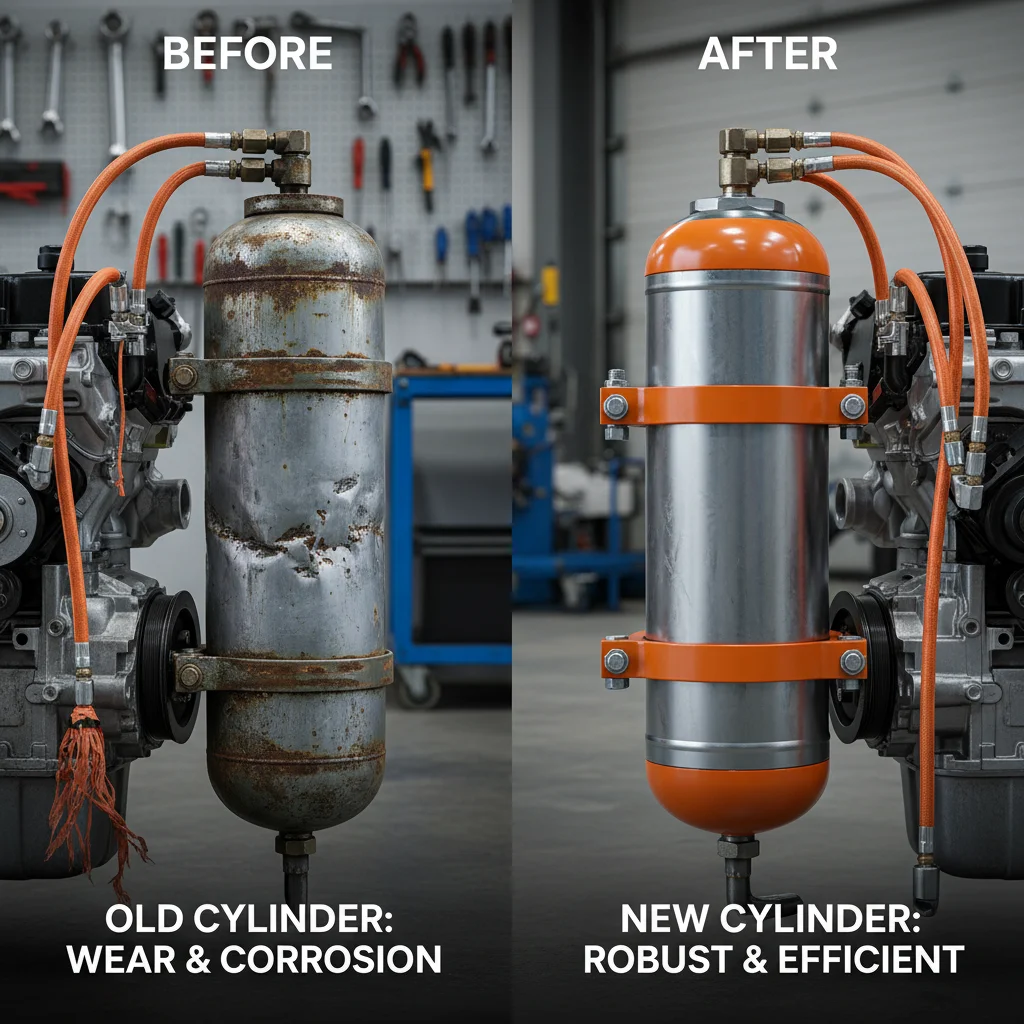
The global energy landscape is currently undergoing a seismic shift toward cleaner, more efficient alternatives, where the integration of lpg gas cng solutions plays a pivotal role. As industries strive to reduce their carbon footprints while maintaining high operational output, the strategic deployment of Liquefied Petroleum Gas (LPG) and Compressed Natural Gas (CNG) offers a versatile bridge between traditional fossil fuels and a fully green energy future. Understanding these technologies is no longer just a technical requirement for engineers but a commercial necessity for businesses seeking sustainability and cost-efficiency.
From a global perspective, the adoption of lpg gas cng infrastructure is accelerating in emerging economies and developed industrial hubs alike. Data from international energy agencies suggest that the transition to these cleaner-burning gases significantly reduces particulate matter and sulfur emissions compared to heavy fuel oils or coal. This transition addresses the urgent challenge of urban air quality and the logistical difficulty of transporting energy to remote industrial zones where pipeline infrastructure is nonexistent.
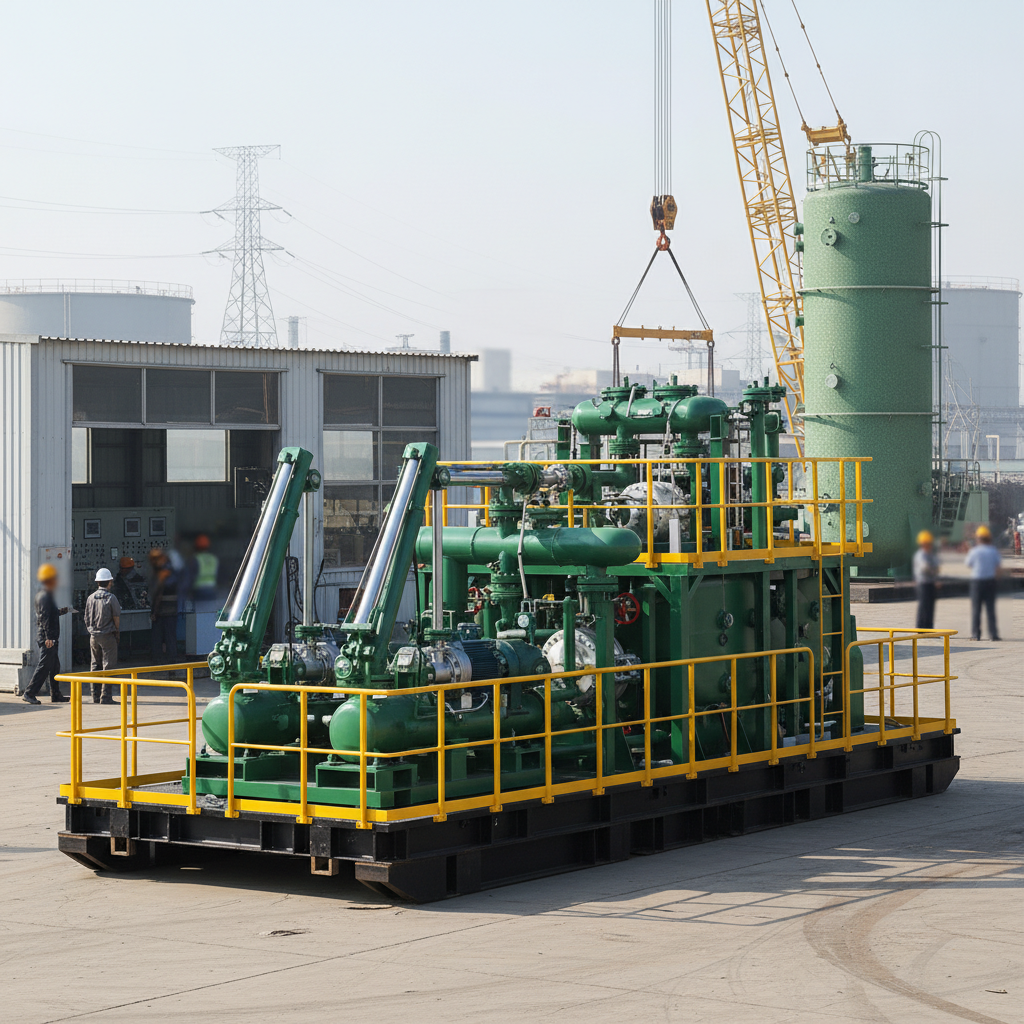
By leveraging advanced compression and separation equipment, the industry can now optimize the storage and transport of these gases with unprecedented precision. Whether it is for residential heating, industrial processing, or heavy-duty transport, the synergy between LPG and CNG provides a flexible energy matrix. This comprehensive guide explores the technical nuances, economic advantages, and future trajectories of lpg gas cng systems to help stakeholders make informed infrastructure investments.
Understanding the Fundamentals of LPG Gas CNG
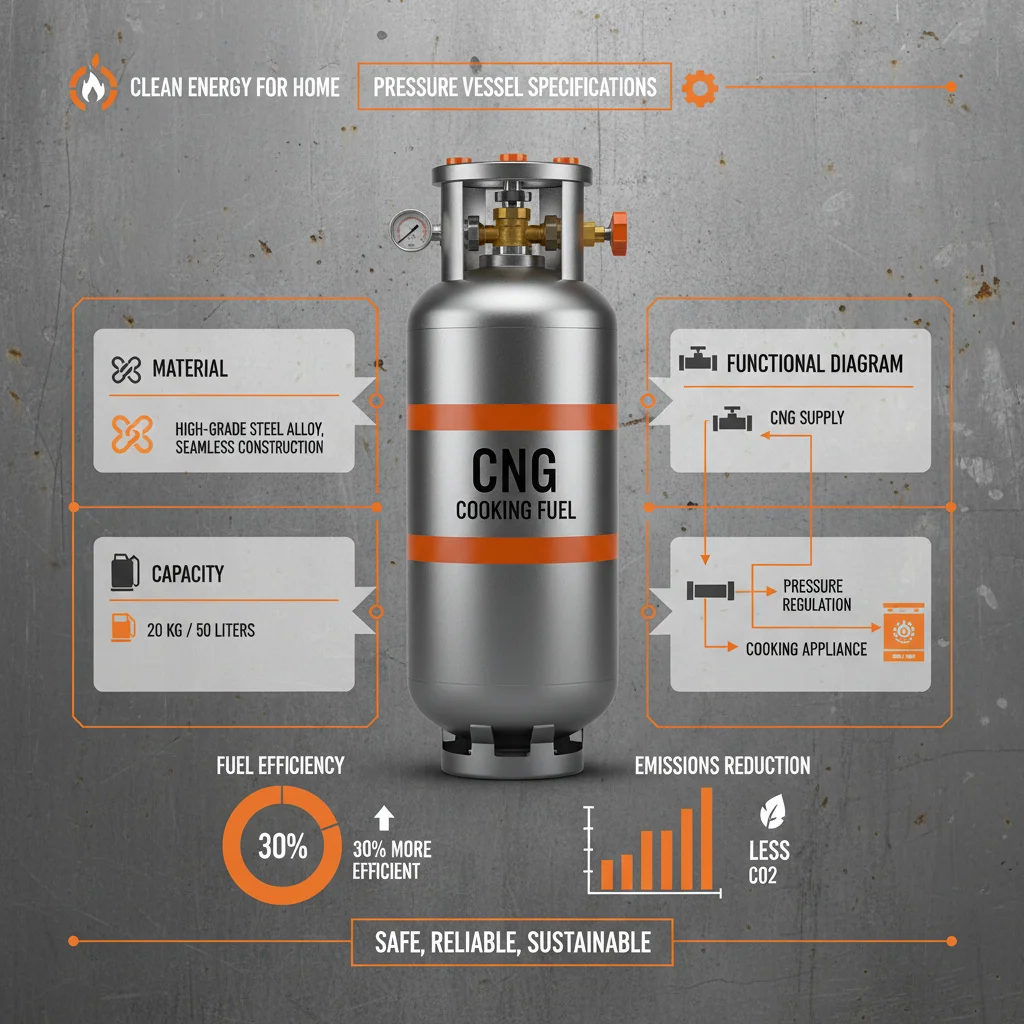
At its core, lpg gas cng refers to two distinct but complementary methods of storing and transporting natural gas components. LPG (Liquefied Petroleum Gas), primarily consisting of propane and butane, is liquefied under relatively low pressure, making it ideal for portable cylinders and residential use. CNG (Compressed Natural Gas), mainly methane, is stored at much higher pressures without becoming liquid, serving as a high-performance fuel for vehicles and industrial plants.
The fundamental difference lies in the molecular structure and the energy required for phase changes. While LPG is prized for its high energy density per volume, CNG is often praised for its safety profile and lower emission levels. Together, they form a comprehensive energy solution that allows industries to switch between high-density storage and high-pressure delivery based on their specific operational needs.
Core Components of Gas Compression Systems
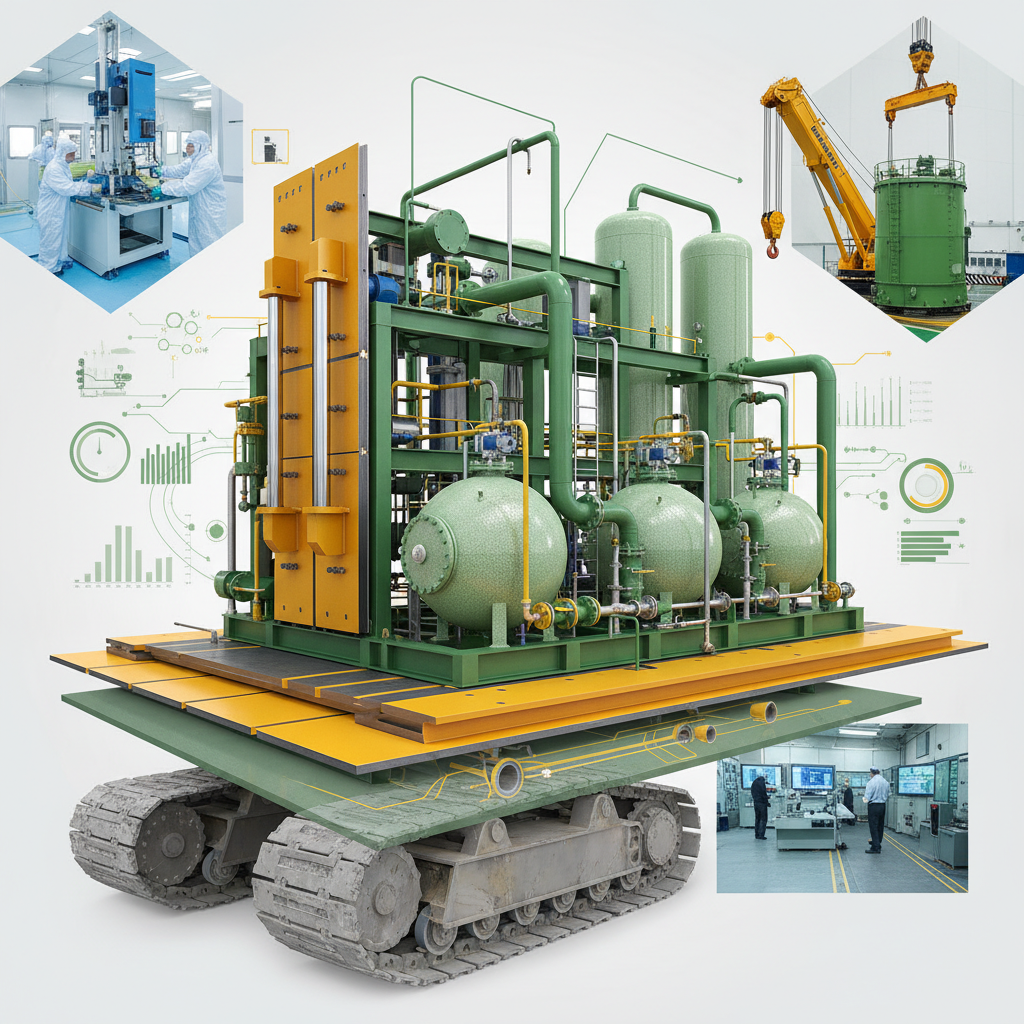
The efficiency of lpg gas cng operations depends heavily on the hardware used for compression and separation. High-pressure compressors are the heart of the system, designed to withstand extreme stresses while maintaining a constant flow rate. These machines ensure that methane is compressed to the 200-250 bar required for CNG cylinders, or that propane is handled correctly for LPG liquefaction.
In addition to compressors, advanced filtration and separation units are critical. These components remove impurities, moisture, and heavy hydrocarbons that could otherwise lead to corrosion or mechanical failure in downstream equipment. By ensuring a high purity level, the system maximizes the combustion efficiency of the gas and extends the lifespan of the storage vessels.
Finally, the control systems—incorporating IoT sensors and automated valves—provide the "brain" for lpg gas cng infrastructure. Real-time monitoring of pressure spikes and temperature fluctuations allows operators to prevent accidents and optimize energy consumption during the compression cycle, ensuring a seamless transition from the source to the end-user.
Key Factors for Operational Efficiency
Scalability is a primary driver when implementing lpg gas cng systems. Industries must ensure that their compression stations can grow in tandem with demand without requiring a complete overhaul of the existing piping. Modular design allows for the addition of compression stages, enabling a smooth transition from small-scale pilot projects to full-scale industrial distribution.
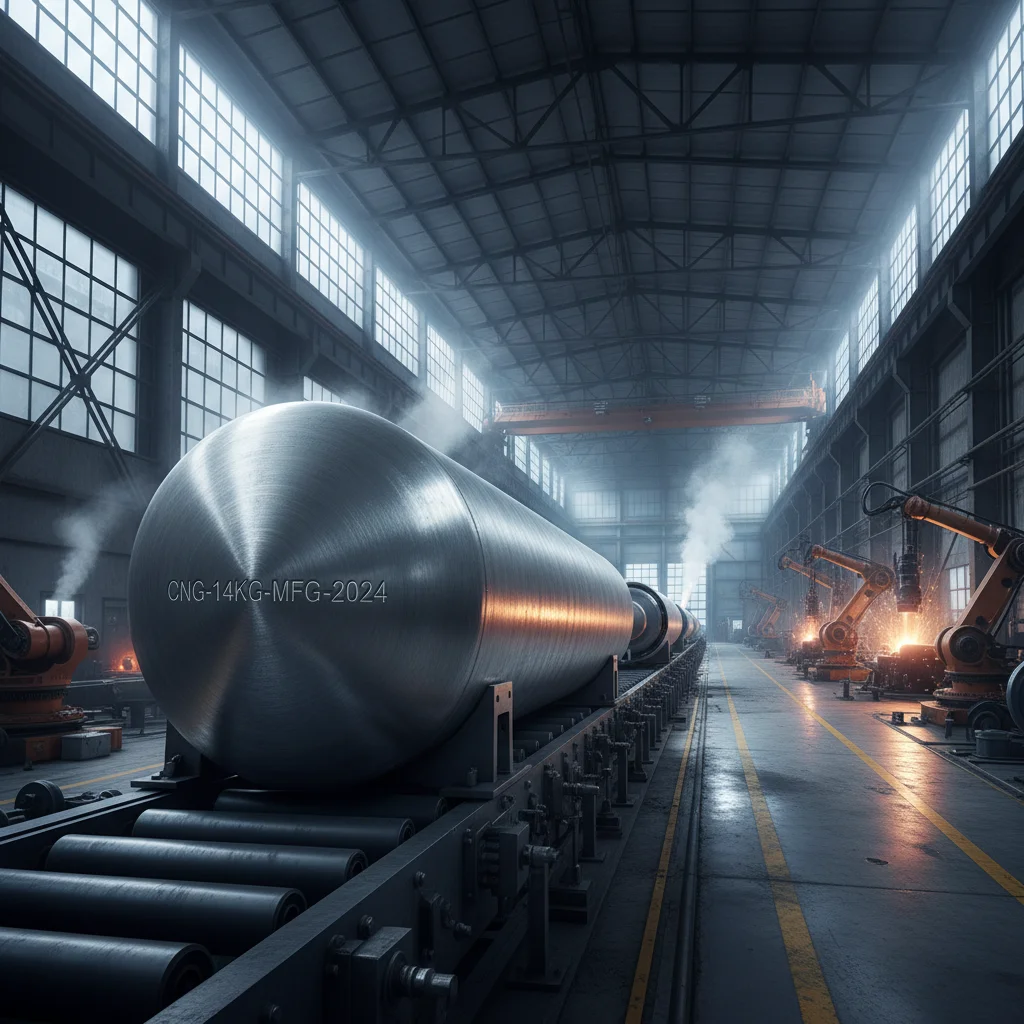
Durability and material science are equally vital. Because lpg gas cng involves high pressures and potentially corrosive environments, the use of aerospace-grade alloys and reinforced composite materials in cylinder manufacturing is non-negotiable. This ensures that the infrastructure can withstand extreme weather conditions and mechanical shocks over a 20-year lifecycle.
Cost efficiency is achieved through the optimization of the energy-to-compression ratio. By implementing multi-stage compression with inter-cooling, operators can significantly reduce the electrical load required to reach target pressures. This technical refinement directly lowers the operational expenditure (OPEX) of lpg gas cng plants, making them more competitive against traditional liquid fuels.
Global Applications and Industrial Use Cases
The application of lpg gas cng varies significantly by region. In Southeast Asia and Africa, LPG is often the primary catalyst for "clean cooking" initiatives, replacing biomass and charcoal to reduce indoor air pollution. Meanwhile, in North America and Europe, CNG is heavily utilized in public transit fleets and heavy-duty trucking to meet stringent Euro VI or EPA emissions standards.
In remote industrial zones, such as mining sites in the Australian Outback or oil fields in Central Asia, "virtual pipelines" using lpg gas cng are the only viable energy source. By transporting compressed gas in specialized tube trailers, companies can power remote generators and heating systems without the astronomical cost of laying permanent pipelines across thousands of miles of wilderness.
Comparative Efficiency of LPG Gas CNG Delivery Methods
Economic Advantages and Long-Term Value
The transition to lpg gas cng offers a compelling return on investment (ROI) through reduced fuel costs and lower maintenance requirements. Compared to diesel engines, CNG-powered vehicles often exhibit slower oil degradation and less carbon buildup in the cylinders, reducing the frequency of costly engine overhauls. For industrial plants, switching to LPG can eliminate the need for expensive underground fuel tanks and complex leak-detection systems associated with heavier distillates.
Beyond the balance sheet, there is an intrinsic "innovation value" in adopting these systems. Companies that integrate lpg gas cng early on position themselves as leaders in the green energy transition, enhancing their brand equity with environmentally conscious consumers and investors. This strategic alignment with global ESG (Environmental, Social, and Governance) goals often opens doors to government subsidies and lower-interest "green loans" for infrastructure expansion.
Future Trends in Green Energy Integration
The horizon for lpg gas cng is increasingly intertwined with the "Hydrogen Economy." We are seeing a trend toward "blended gases," where hydrogen is mixed with CNG to further reduce carbon emissions without requiring a total replacement of existing compression hardware. This hybrid approach allows for a gradual transition to zero-emission fuels while utilizing the proven safety and distribution networks of current gas systems.
Digital transformation is also redefining how gas is managed. The implementation of "Smart Grids" for lpg gas cng distribution uses AI to predict demand spikes and optimize delivery routes in real-time. This reduces "empty miles" for tube trailers and ensures that industrial clients never face downtime due to fuel shortages, effectively turning gas logistics into a just-in-time (JIT) service.
Furthermore, the development of Bio-CNG and Bio-LPG—derived from organic waste and agricultural by-products—is turning gas infrastructure into a tool for circular economy. By capturing methane from landfills and processing it into lpg gas cng standards, cities can turn waste liabilities into energy assets, creating a sustainable loop that benefits both the environment and the municipal budget.
Overcoming Technical Challenges in Gas Logistics
Despite the benefits, the deployment of lpg gas cng faces challenges, primarily regarding the weight-to-energy ratio of storage tanks. High-pressure CNG cylinders can be heavy, reducing the payload capacity of transport trucks. The industry is solving this through the adoption of Type IV cylinders, which use carbon-fiber composites to maintain high pressure while drastically reducing the vessel's own weight.
Another hurdle is the initial capital expenditure (CAPEX) for compression stations. To mitigate this, many firms are moving toward "Gas-as-a-Service" (GaaS) models, where the equipment provider retains ownership of the compression hardware and charges the client based on the volume of lpg gas cng delivered. This shifts the financial burden from a heavy upfront cost to a manageable operating expense.
Finally, safety perceptions remain a barrier in some regions. The solution lies in rigorous adherence to ISO and ASME standards, coupled with the installation of automated emergency shut-off valves and ultrasonic leak detectors. By making safety transparent and data-driven, the industry is building the public and regulatory trust necessary for widespread lpg gas cng adoption.
Comparative Analysis of LPG vs CNG Technical Parameters
| Gas Type |
Storage State |
Pressure Level |
Primary Application |
| LPG Propane |
Liquid |
Low (5-15 bar) |
Domestic Heating |
| LPG Butane |
Liquid |
Low (2-5 bar) |
Portable Appliances |
| CNG Methane |
Compressed Gas |
High (200-250 bar) |
Transport Fleets |
| Bio-CNG |
Compressed Gas |
High (200 bar) |
Sustainable Energy |
| LPG Industrial Mix |
Liquid/Vapor |
Medium (10-20 bar) |
Factory Boilers |
| Hydrogen-CNG Blend |
Compressed Gas |
High (250 bar) |
Low-Carbon Transit |
FAQS
The primary difference lies in their physical state and pressure requirements. LPG is stored as a liquid under moderate pressure, making it highly energy-dense and easier to transport in small tanks. CNG is stored as a gas under very high pressure, requiring specialized heavy-duty cylinders. In industry, LPG is often preferred for heating and portable power, while CNG is favored for high-capacity vehicle fleets and large-scale stationary power plants due to its cleaner combustion profile.
Yes, though the initial setup cost for CNG can be higher due to high-pressure requirements. However, LPG is very accessible for small businesses. Both options typically offer lower per-unit energy costs than diesel or gasoline. The long-term savings come from reduced engine maintenance and government tax incentives for utilizing cleaner fuels, making the ROI positive within 2-4 years for most operational scales.
Both are safe when maintained according to ISO standards. CNG has a natural safety advantage: since it is lighter than air, any leak dissipates rapidly upward into the atmosphere. LPG is heavier than air and can pool in low areas, requiring specific ventilation. However, modern lpg gas cng equipment includes redundant safety valves and composite materials that make the risk of rupture extremely low.
Many heavy-duty engines can be converted to "dual-fuel" systems, where CNG is used as the primary fuel and a small amount of diesel is used for ignition. This allows businesses to leverage existing assets while reducing fuel costs by up to 40%. Full conversion is also possible but requires changing the fuel injection system and adding high-pressure storage tanks.
Bio-CNG is a game-changer because it is carbon-neutral. It is produced by upgrading biogas from organic waste, meaning it uses the same lpg gas cng infrastructure but with a zero-net-carbon footprint. This allows industries to hit "Net Zero" targets without changing their vehicles or machinery, simply by switching the source of the gas.
The choice depends on your volume and location. If you need portable, high-density energy for remote areas or small appliances, LPG is the winner. If you have a large fleet of vehicles or a stationary plant with high energy demands and access to a compression station, CNG is more efficient. A consultation with a gas equipment expert is recommended to analyze your specific pressure and volume requirements.
Conclusion
In summary, the strategic integration of lpg gas cng represents one of the most pragmatic pathways toward industrial decarbonization. By balancing the high energy density of LPG with the low-emission efficiency of CNG, businesses can create a resilient energy matrix that reduces operational costs and environmental impact. From advanced composite storage to the rise of Bio-CNG, the technology is evolving to meet the stringent demands of modern sustainability and safety standards.
Looking forward, the synergy between gas compression technology and the emerging hydrogen economy will define the next era of energy logistics. We encourage industrial operators and policy-makers to invest in modular, scalable gas infrastructure today to ensure they are not left behind in the transition to green energy. For world-class compression and separation solutions, visit our website: www.enricgroupsjz.com.