news

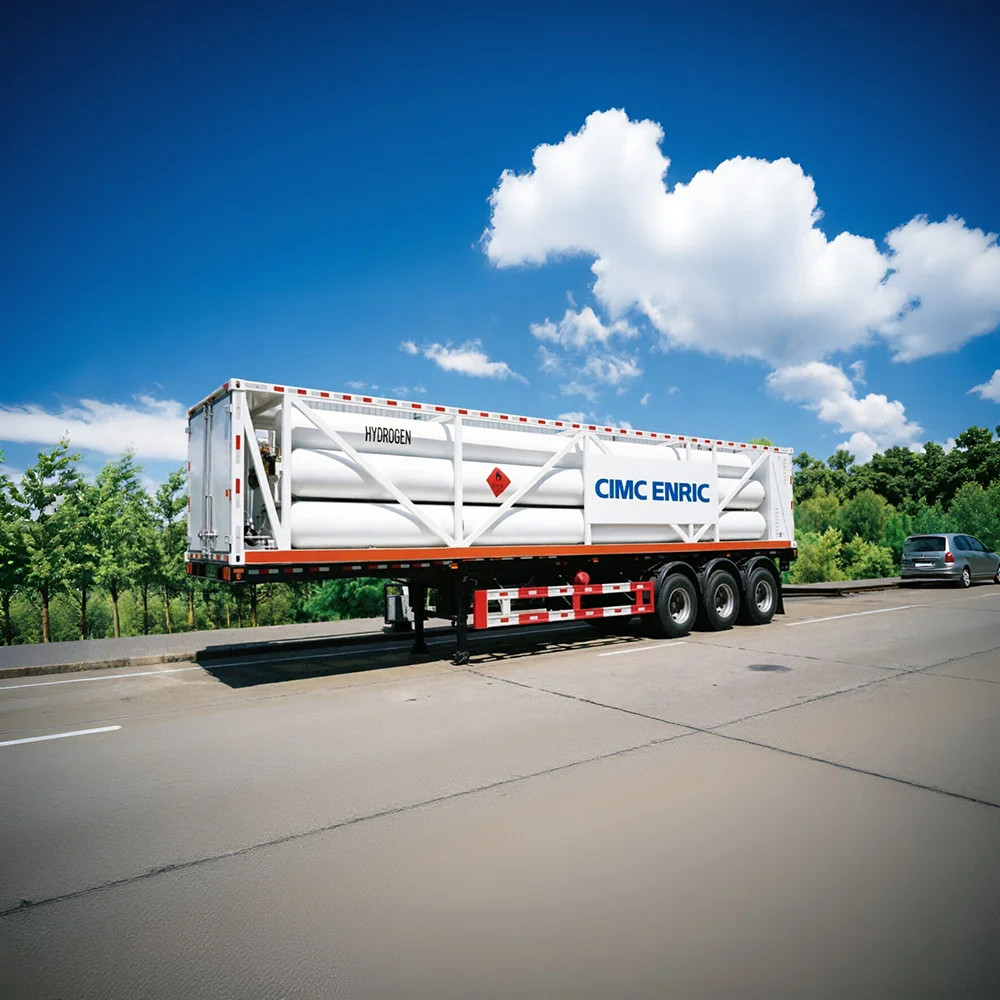
Advanced hydrogen storage tank Solutions for Indonesia's Energy Transition

Providing high-pressure gas compression and separation equipment tailored for the Indonesian archipelago's industrial and energy sectors.

Advanced hydrogen storage tank Solutions for Indonesia's Energy Transition

Integrating cutting-edge gas storage and separation technologies to optimize energy distribution and industrial efficiency across Indonesia.

Current State of Gas Equipment Manufacturing in Indonesia

Analyzing the intersection of geographic challenges and energy demands in Southeast Asia's largest economy.

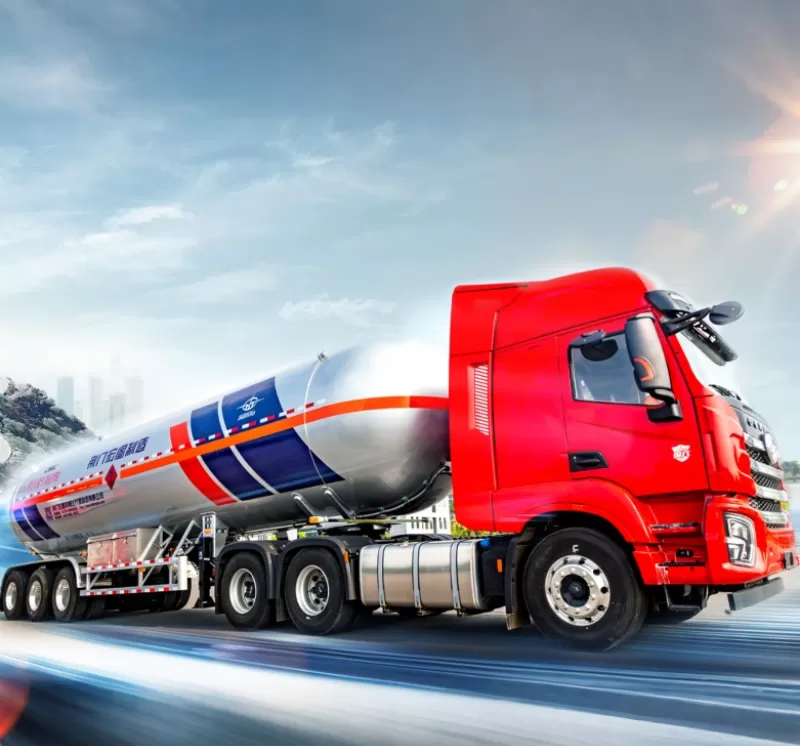
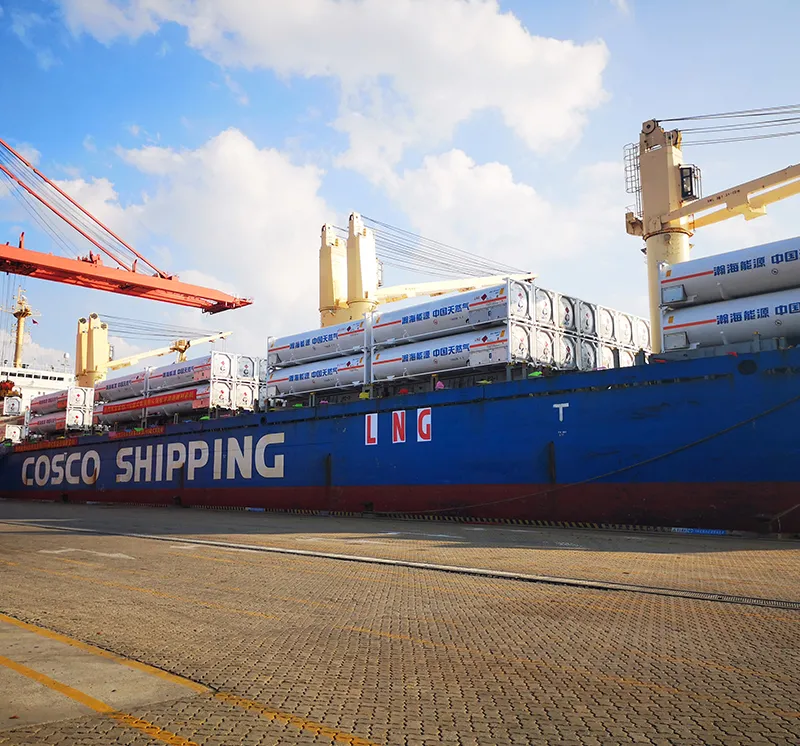
Indonesia's unique geography as an archipelago presents significant logistics challenges for energy distribution. The current reliance on traditional fuels is shifting toward cleaner alternatives, driving a surge in demand for high-quality lng products to power remote islands and industrial hubs.

In the upstream oil and gas sector, the high humidity and tropical climate of Indonesia accelerate equipment corrosion. This has led to an increased requirement for specialized demulsifier oil and gas separation systems that can withstand harsh environmental conditions while maintaining high purity standards.

Furthermore, the Indonesian government's commitment to Net Zero Emissions by 2060 is catalyzing the adoption of bio lpg gas and hydrogen infrastructure, transitioning from heavy industrial reliance to a diversified, sustainable energy portfolio.

Evolution of Gas Separation and Storage Technology

Tracing the trajectory from conventional steel cylinders to smart, high-capacity energy storage.

Market Development History

Between 2000 and 2010, the Indonesian market was dominated by low-pressure steel tanks and basic compression units, primarily focusing on industrial oxygen and nitrogen. Storage was rudimentary, with limited capacity for long-distance transport.

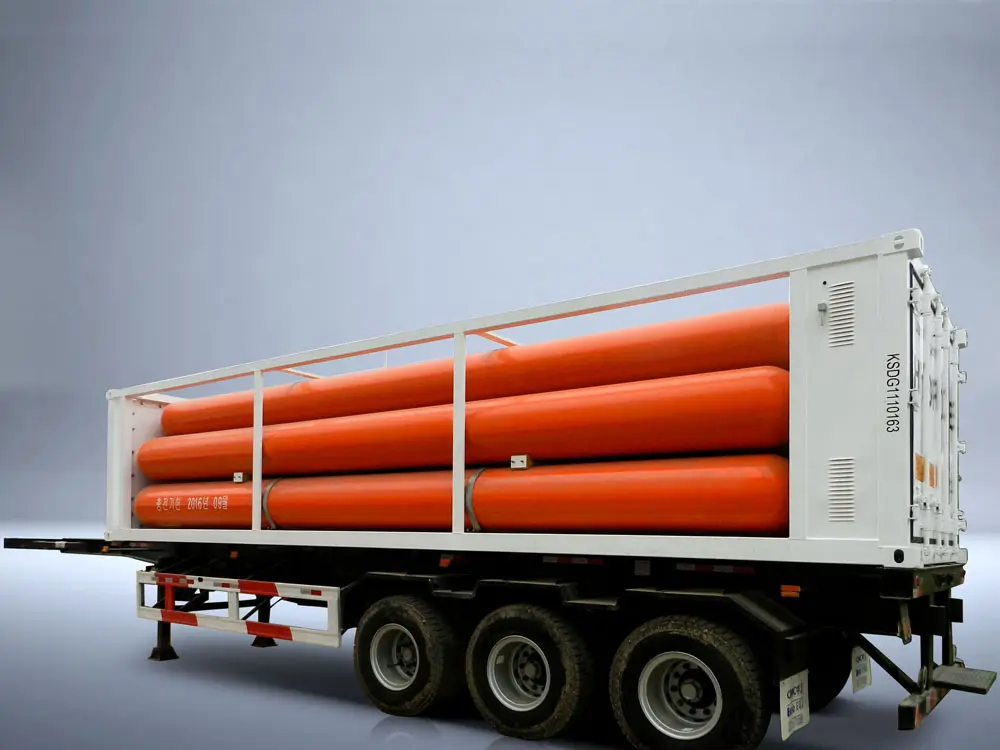
From 2011 to 2020, a technological pivot occurred. The introduction of composite materials allowed for the development of the modern cng cylinder, significantly reducing weight and increasing safety for vehicular fuel applications across Java and Sumatra.

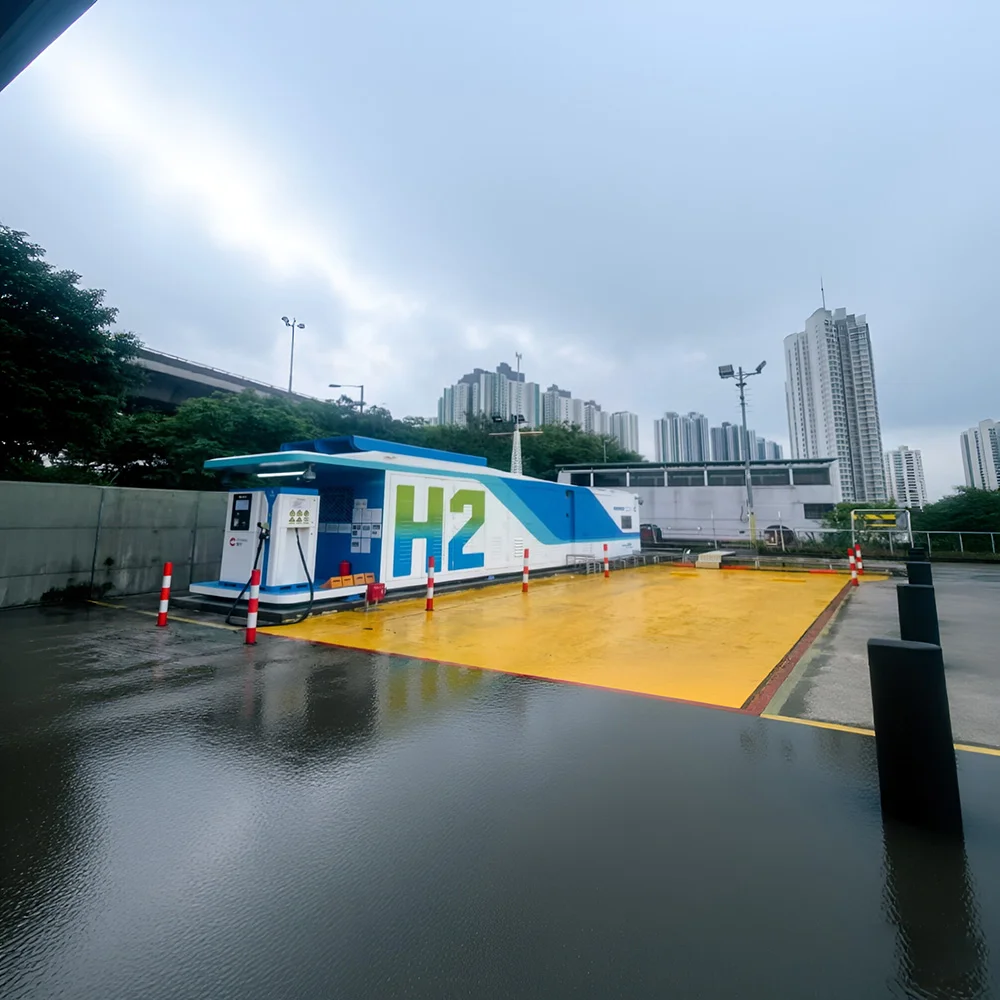
Since 2021, the focus has shifted toward high-pressure hydrogen and bio-methane. The integration of IoT and real-time monitoring systems has transformed static storage into "smart nodes" of energy distribution.

Future Development Trends

Transition to Type IV Composite Storage

We expect a rapid shift toward plastic liners reinforced with carbon fiber to maximize the volumetric efficiency of hydrogen and CNG systems.

Integration of Bio-Energy Separation

Advanced membranes will be deployed to upgrade raw biogas into high-purity bio-LNG, aligning with regional sustainability goals.

Decentralized Gas Micro-Grids

Small-scale, modular storage units will enable remote Indonesian villages to maintain energy independence via localized gas production.

Industry Trends and Future Outlook

Predicting the next wave of innovation in gas compression and separation for the Asia-Pacific region.

Hydrogen Economy Scaling
Increasing deployment of high-pressure storage to support the nascent hydrogen refueling infrastructure in Jakarta.
Modular Gas Separation
Shift toward skid-mounted separation units for rapid deployment in remote mining sites across Kalimantan.
Carbon Capture Integration
Integrating separation equipment with CCUS projects to lower the carbon footprint of Indonesian heavy industry.
Predictive Maintenance AI
Using sensor data to predict failures in high-pressure valves and storage tanks before they occur.

Industry Outlook

Based on Google search trends in Indonesia, there is a growing interest in "green energy infrastructure" and "industrial gas safety." We predict that the demand for specialized storage will grow by 15% annually as the country diversifies its fuel mix.

The future lies in the synergy between gas compression and renewable energy. By leveraging Indonesia's geothermal and biomass potential, the industry will move toward a fully circular gas economy.

Localized Application Scenarios in Indonesia

Practical implementations of gas equipment across various Indonesian industrial landscapes.

01. Remote Island Power Generation

Deploying modular lng products to provide stable electricity to outer islands where traditional grid extension is geographically impossible.

02. Urban Public Transport Conversion

Implementing high-capacity cng cylinder fleets for TransJakarta buses to reduce urban smog and lower operational fuel costs.

03. Oil Field Water Treatment

Using high-efficiency demulsifier oil and gas separation systems in Riau province to treat crude oil emulsions and enhance recovery rates.

04. Agricultural Waste-to-Energy

Installing biogas upgrading plants in palm oil plantations to produce bio lpg gas for local community cooking and heating.

05. Industrial Hydrogen Hubs

Establishing high-pressure hydrogen storage tank farms for the steel and ammonia industries in Cilegon to facilitate the transition to green hydrogen.

Brand Story

Global Development History of Shijiazhuang Enric Gas Machinery Co., Ltd.

Engineering Foundations

Founded with a mission to solve the core pain points of gas leakage and inefficiency in high-pressure systems.

Technological Breakthroughs

Pioneered the use of advanced composite materials to revolutionize gas storage safety and weight ratios.

Global Market Expansion

Extended our footprint to Southeast Asia, adapting our equipment to withstand tropical climates and high humidity.

Sustainable Energy Pivot

Dedicated R&D to hydrogen and bio-methane storage, supporting the global transition to carbon neutrality.

Industry Leadership

Recognized as a leading provider of integrated gas solutions for the most demanding industrial environments worldwide.

Comprehensive Gas Equipment Portfolio for Indonesia

A full suite of high-performance compression and storage solutions tailored for the Indonesian market.

Frequently Asked Questions for the Indonesian Market

Expert answers to common technical and logistical queries regarding gas equipment.

How do composite cng cylinder systems handle Indonesia's high humidity?

Our composite cylinders feature specialized outer coatings and corrosion-resistant liners specifically designed to prevent degradation in tropical, high-humidity environments.

What is the lead time for delivering hydrogen storage tank units to Jakarta?

Depending on the customization requirements, delivery typically ranges from 8 to 12 weeks, including maritime shipping and local customs clearance.

Can your lng products be integrated into existing micro-grid systems?

Yes, our LNG systems are modular and designed for seamless integration with various power generation assets through standardized coupling interfaces.

How efficient is the demulsifier oil and gas process for heavy Indonesian crude?

Our separation technology uses advanced centrifugal and chemical dosing methods to handle the high viscosity of regional crude, ensuring maximum water removal.

Are bio lpg gas storage units compliant with Indonesian safety standards?

All our bio-gas storage units are manufactured to meet or exceed international ISO standards and are fully compatible with local SNI (Standar Nasional Indonesia) requirements.

What maintenance is required for high-pressure gas separation equipment?

We recommend quarterly seal inspections and annual calibration of pressure valves, which can be managed via our remote diagnostic software.

Request a Technical Consultation

Our experts are ready to design the optimal gas infrastructure for your operations in Indonesia.

Contact Us Now

If you are interested in our products, you can choose to leave your information here, and we will be in touch with you shortly.