The global energy landscape is currently undergoing a massive transition, where the strategic integration of lpg lng cng png serves as a critical bridge toward a sustainable future. These four gaseous energy carriers—Liquefied Petroleum Gas, Liquefied Natural Gas, Compressed Natural Gas, and Pipeline Natural Gas—each offer unique thermodynamic properties that allow industries to balance energy security with environmental responsibility. Understanding the nuances of these fuels is no longer just a technical requirement for engineers, but a commercial necessity for businesses aiming to optimize their carbon footprint and operational costs.
From a global perspective, the demand for diversified gas solutions is surging as nations strive to reduce reliance on heavy fuel oils and coal. The versatility of lpg lng cng png allows for flexible deployment across varied terrains, from urban centers connected by vast pipeline networks to remote industrial zones where cryogenic trucking is the only viable option. This adaptability ensures that energy reaches the most underserved regions, driving economic growth and improving living standards through cleaner combustion.
However, the complexity of managing these gases—ranging from high-pressure compression to ultra-low temperature liquefaction—requires sophisticated equipment and a deep understanding of safety protocols. By mastering the application of lpg lng cng png, stakeholders in the chemical, green energy, and industrial gas sectors can unlock unprecedented efficiencies in logistics and power generation, paving the way for a hydrogen-ready infrastructure.
Understanding the Fundamentals of LPG LNG CNG PNG
To grasp the essence of lpg lng cng png, one must first distinguish between their chemical compositions and physical states. LPG (Liquefied Petroleum Gas) consists mainly of propane and butane, designed for easy bottling and portability. In contrast, LNG (Liquefied Natural Gas) is primarily methane cooled to -162°C to reduce its volume by 600 times, making it the gold standard for intercontinental maritime transport.
CNG (Compressed Natural Gas) and PNG (Pipeline Natural Gas) represent the high-pressure and distributed forms of methane. While CNG is compressed to 200-250 bar for vehicular use or "virtual pipelines," PNG is delivered directly to end-users via a network of underground pipes. Together, these four modalities create a comprehensive energy ecosystem that ensures a steady supply of fuel regardless of geographic constraints.
Global Industry Relevance and Market Dynamics
The global reliance on lpg lng cng png has scaled exponentially as the world shifts away from high-emission fuels. According to data aligned with International Energy Agency (IEA) trends, natural gas serves as a "transition fuel," offering a significant reduction in CO2 and NOx emissions compared to coal. This shift is particularly evident in the Asia-Pacific region, where rapid industrialization has led to a surge in the installation of LNG regasification terminals and CNG refueling stations.
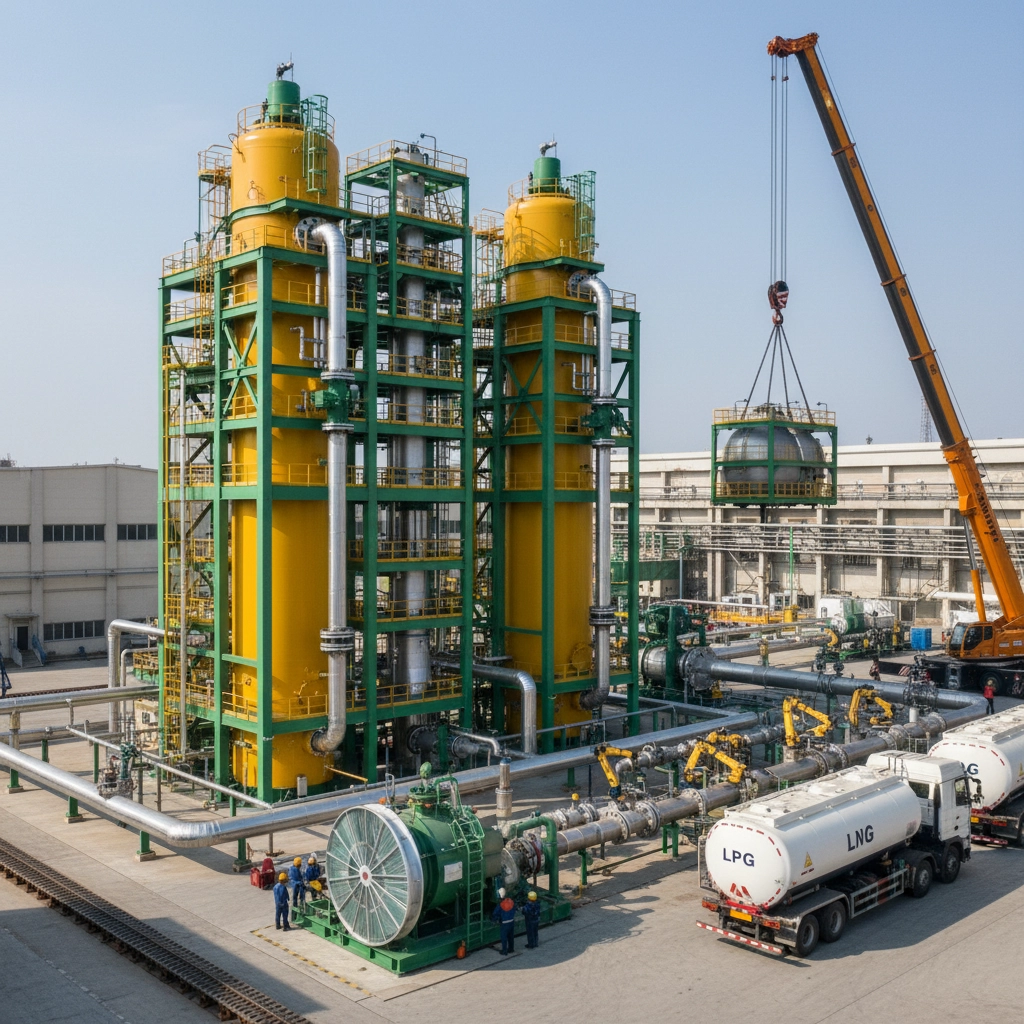
One of the primary challenges the industry addresses is "energy poverty" in remote areas. In regions where laying a physical pipeline (PNG) is geographically impossible or economically unfeasible, the "virtual pipeline" concept utilizing LNG and CNG tankers provides a lifeline. This allows remote mining operations and rural communities to access clean energy without the massive capital expenditure of permanent infrastructure.
Market dynamics are also being reshaped by geopolitical shifts, pushing countries to diversify their energy portfolios. By investing in multimodal capabilities—switching between lpg lng cng png depending on the price and availability—nations can ensure energy sovereignty and protect their industrial output from sudden supply chain disruptions.
Technical Comparison of Storage and Transport
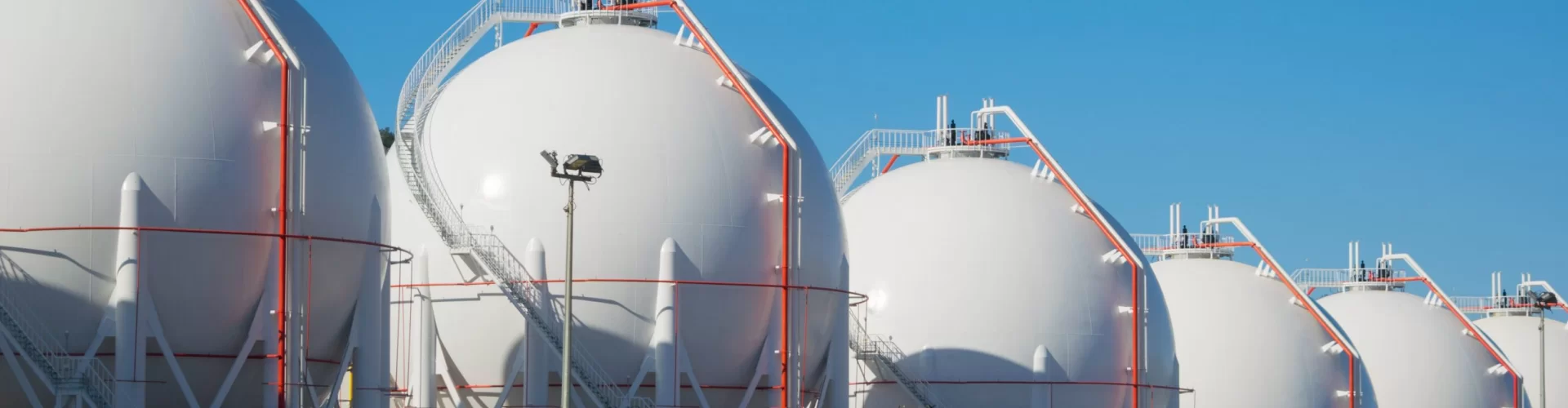
When analyzing the technical requirements for lpg lng cng png, the primary differentiator is the energy density and the method of containment. LPG requires relatively modest pressure to remain liquid, making it ideal for residential cylinders. However, the sheer scale of LNG requires double-walled vacuum-insulated tanks to prevent boil-off gas (BOG) and maintain cryogenic temperatures.
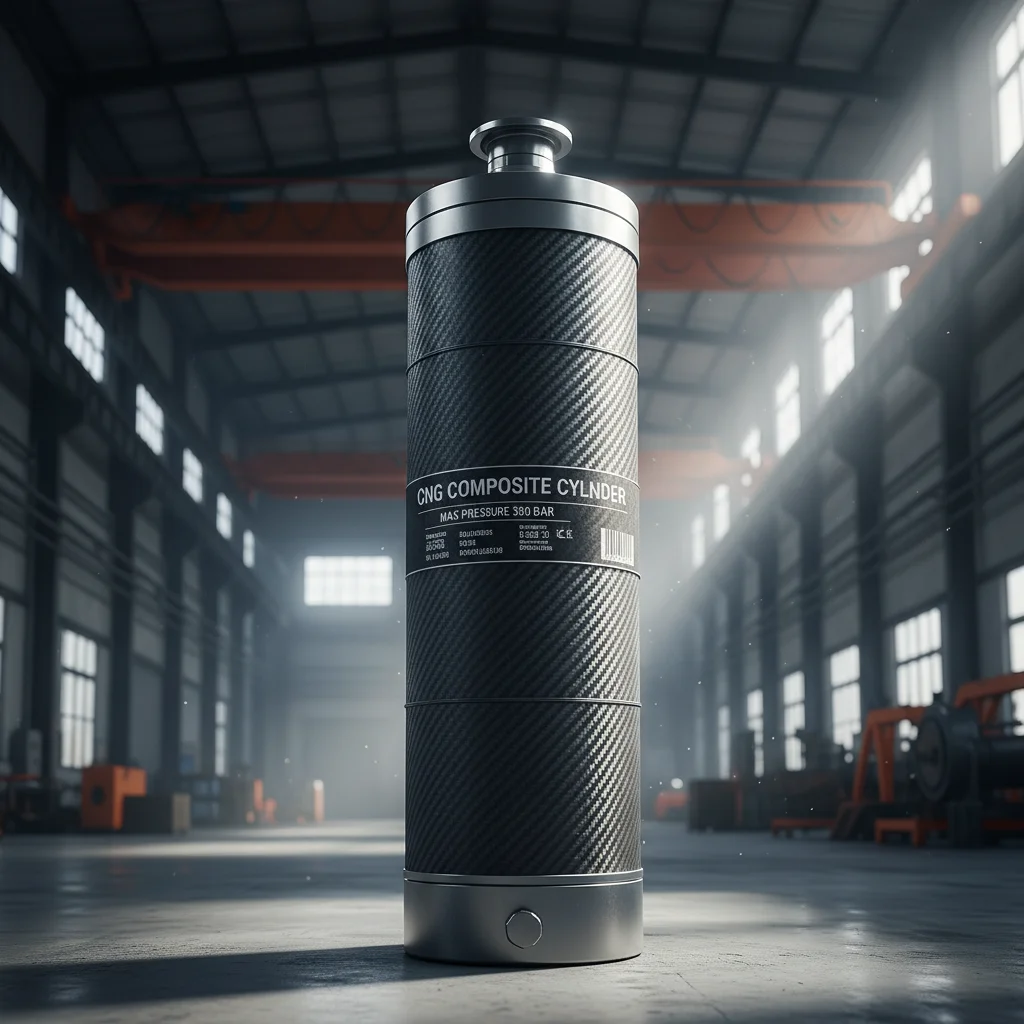
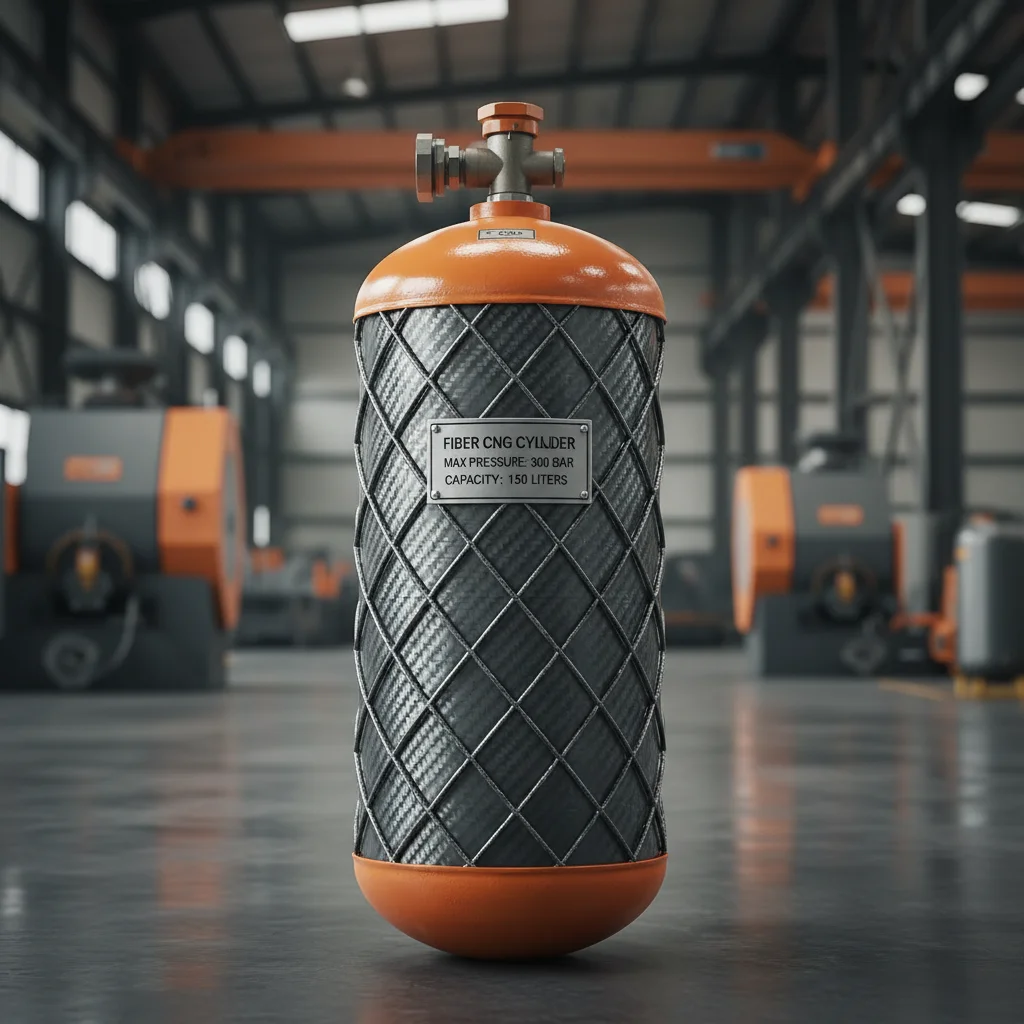
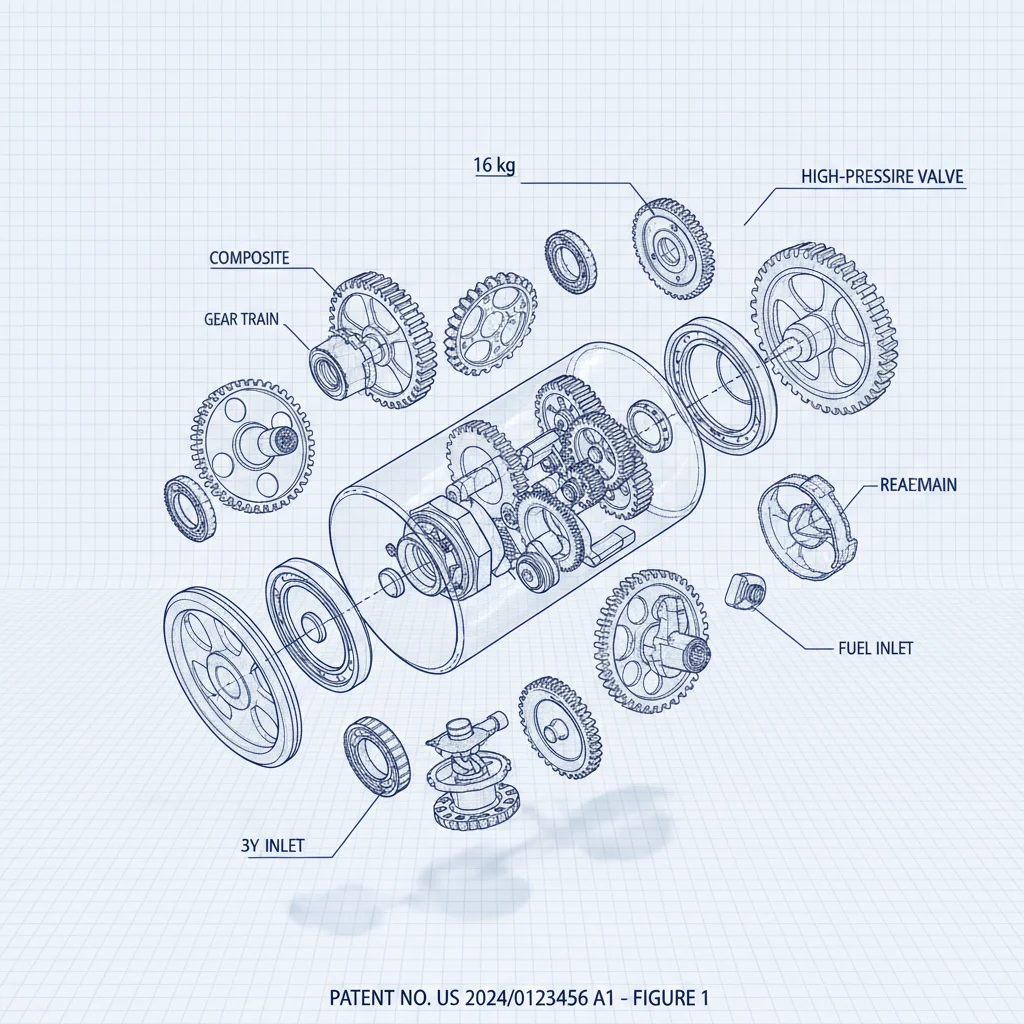
The operational complexity of lpg lng cng png is most evident in the compression stages of CNG. Unlike LNG, which uses temperature to shrink volume, CNG uses raw mechanical force. This necessitates the use of high-strength carbon steel or composite cylinders that can withstand extreme cyclical pressure loading without experiencing material fatigue.
Ultimately, the choice between these four mediums depends on the distance of transport and the end-use volume. PNG is the most cost-effective for high-density urban areas, while LNG is unrivaled for long-haul shipping. The synergy of lpg lng cng png ensures that there is no "dead zone" in global energy distribution.
Core Efficiency Factors in Gas Distribution
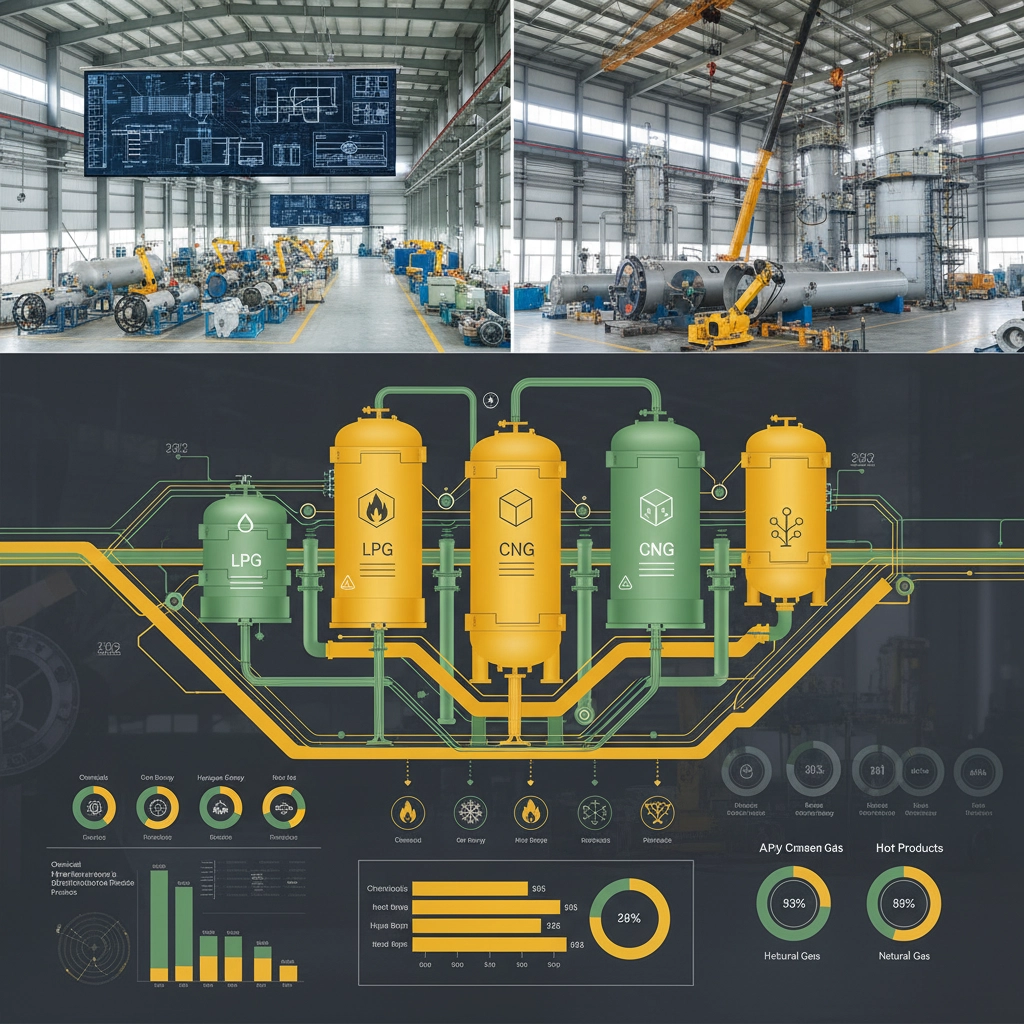
To optimize the distribution of lpg lng cng png, engineers focus on four key pillars: thermodynamic efficiency, leakage prevention, scalability, and cost-per-unit delivered. The ability to scale a gas station from a small CNG module to a full-scale LNG terminal is crucial for operators who expect growing demand over a ten-year horizon.
Furthermore, the integration of IoT-enabled monitoring systems has revolutionized how we track the flow of lpg lng cng png. Real-time telemetry allows operators to detect pressure drops or temperature spikes instantly, reducing the risk of catastrophic failure and maximizing the uptime of the supply chain.
Comparative Efficiency Rating of Gas Modalities
Real-World Applications in Industrial Sectors
In the heavy manufacturing and chemical sectors, lpg lng cng png are used not only as fuel but as essential feedstocks. For instance, PNG provides the consistent heat required for large-scale glass and steel furnaces, while LPG is often used in specialized chemical synthesis where precise temperature control is mandatory.
Beyond factories, the transportation sector has seen a revolution. Heavy-duty trucking fleets are increasingly pivoting to LNG due to its higher energy density compared to CNG, allowing for longer hauls without frequent refueling stops. This transition is critical for reducing the logistical costs of moving goods across continents while meeting strict emission standards.
Sustainability and Environmental Impact
The move toward lpg lng cng png is a cornerstone of the "Green Energy" strategy. By replacing diesel and coal, these gases significantly lower the emission of particulate matter and sulfur oxides. This is particularly vital in urban environments where air quality directly impacts public health and regulatory compliance.
However, the industry is now focusing on "Bio-LNG" and "Bio-CNG," which are produced from organic waste. This creates a circular economy where methane—a potent greenhouse gas—is captured from landfills or farms and converted into a usable energy source, effectively turning a pollutant into a profit center.
Moreover, the infrastructure built for lpg lng cng png is designed with the future in mind. Many modern LNG tanks and CNG pipelines are being engineered to be "Hydrogen-Ready," meaning they can be repurposed for liquid or compressed hydrogen with minimal modifications, ensuring that today's investments are not stranded assets.
Future Trends in Gaseous Energy Innovation
The future of lpg lng cng png lies in the intersection of digitalization and materials science. We are seeing the rise of composite pressure vessels (Type IV tanks) that use carbon fiber wraps to drastically reduce weight while increasing safety margins. This allows for more efficient transport and safer storage in densely populated areas.
Additionally, the integration of AI in grid management is optimizing the distribution of PNG and CNG. Predictive algorithms can now forecast demand spikes based on weather patterns and industrial cycles, allowing gas providers to adjust pressure and flow rates automatically to prevent waste and reduce energy loss during transport.
Finally, the convergence of these gases with the hydrogen economy is inevitable. As the world moves toward zero-emission goals, the expertise gained in handling lpg lng cng png will provide the technical foundation for the global hydrogen grid, from cryogenic shipping of liquid hydrogen to high-pressure pipeline distribution.
Technical and Economic Analysis of Gaseous Energy Modalities
| Gas Type |
Primary Storage Method |
Energy Density Score |
Infrastructure Cost |
| LPG |
Pressurized Cylinders |
7/10 |
Low |
| LNG |
Cryogenic Dewars |
10/10 |
High |
| CNG |
High-Pressure Tanks |
5/10 |
Medium |
| PNG |
Pipeline Networks |
4/10 |
Very High (Initial) |
| Bio-LNG |
Cryogenic Dewars |
9/10 |
Medium-High |
| Hydrogen (Future) |
Ultra-High Pressure/Cryo |
3/10 (Volumetric) |
Extreme |
FAQS
The primary difference lies in the state and method of volume reduction. LNG is liquefied by cooling natural gas to extremely low temperatures (-162°C), resulting in a much higher energy density suitable for long-distance shipping. CNG is kept in a gaseous state but compressed to very high pressures (up to 250 bar), making it ideal for shorter distances and vehicular fuel tanks. In the context of lpg lng cng png, LNG is for global trade, while CNG is for local distribution.
Both are safe when installed correctly, but they offer different risk profiles. PNG is delivered via a continuous pipeline, reducing the need for manual tank refills but introducing risks associated with pipeline leaks. LPG is stored in independent cylinders, which are portable and convenient but require careful handling during transport and replacement. Most modern safety valves and sensors make both forms of lpg lng cng png highly secure for domestic applications.
LNG is significantly cleaner than coal or heavy oil, emitting substantially fewer carbon particulates and sulfur oxides. Furthermore, the rise of Bio-LNG—produced from organic waste—allows for a carbon-neutral or even carbon-negative energy cycle. By integrating lpg lng cng png into the energy mix, industries can lower their immediate emissions while building the cryogenic infrastructure necessary for the future hydrogen economy.
Yes, CNG is widely used in fleets for urban delivery and short-haul trucking. However, for long-haul heavy-duty transport, LNG is often preferred because its higher energy density means trucks can travel further on a single tank, occupying less space than the massive cylinders required for CNG. The choice between these lpg lng cng png options usually depends on the average trip distance and the availability of refueling infrastructure.
PNG requires the highest initial capital expenditure (CAPEX) because it involves laying extensive underground piping networks and building city-gate stations. However, it offers the lowest operational expenditure (OPEX) over the long term due to the elimination of trucking and bottling costs. For many cities, the long-term efficiency of lpg lng cng png via pipelines outweighs the initial construction costs.
The transition typically involves three steps: auditing current energy consumption, investing in compatible storage hardware (such as cryogenic tanks for LNG or compressors for CNG), and retrofitting engines or purchasing dual-fuel vehicles. Many companies use a hybrid approach, utilizing lpg lng cng png in phases to ensure operational continuity while gradually reducing their carbon footprint.
Conclusion
The strategic deployment of lpg lng cng png represents more than just a technical choice; it is a comprehensive approach to global energy resilience. By leveraging the portability of LPG, the density of LNG, the accessibility of CNG, and the efficiency of PNG, industries can create a flexible, low-carbon energy matrix that supports both immediate growth and long-term sustainability. The synergy of these four mediums ensures that no matter the geography or the scale of the operation, clean energy is always within reach.
Looking forward, the evolution of these gases into bio-based and hydrogen-ready systems will define the next era of industrialization. For businesses and policymakers, the goal should be to invest in multimodal infrastructure that can adapt to the shifting demands of the green transition. We invite you to explore our high-performance gas equipment and solutions to optimize your energy journey. Visit our website: www.enricgroupsjz.com