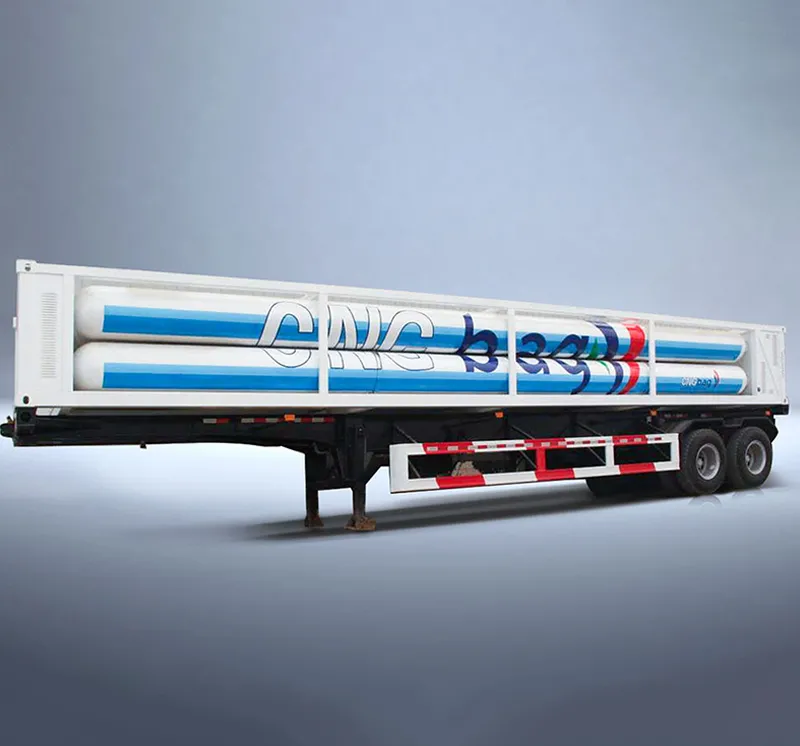
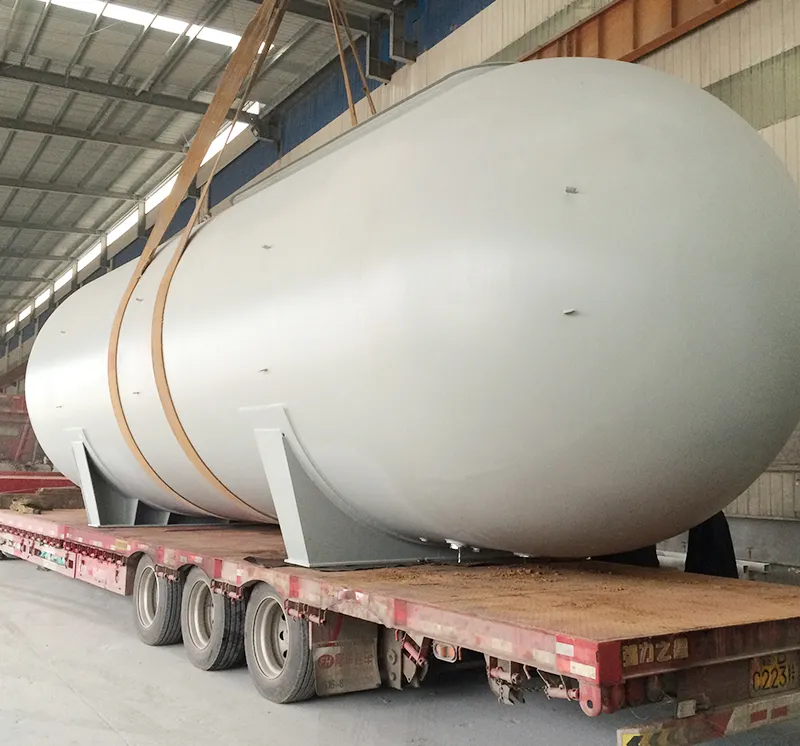
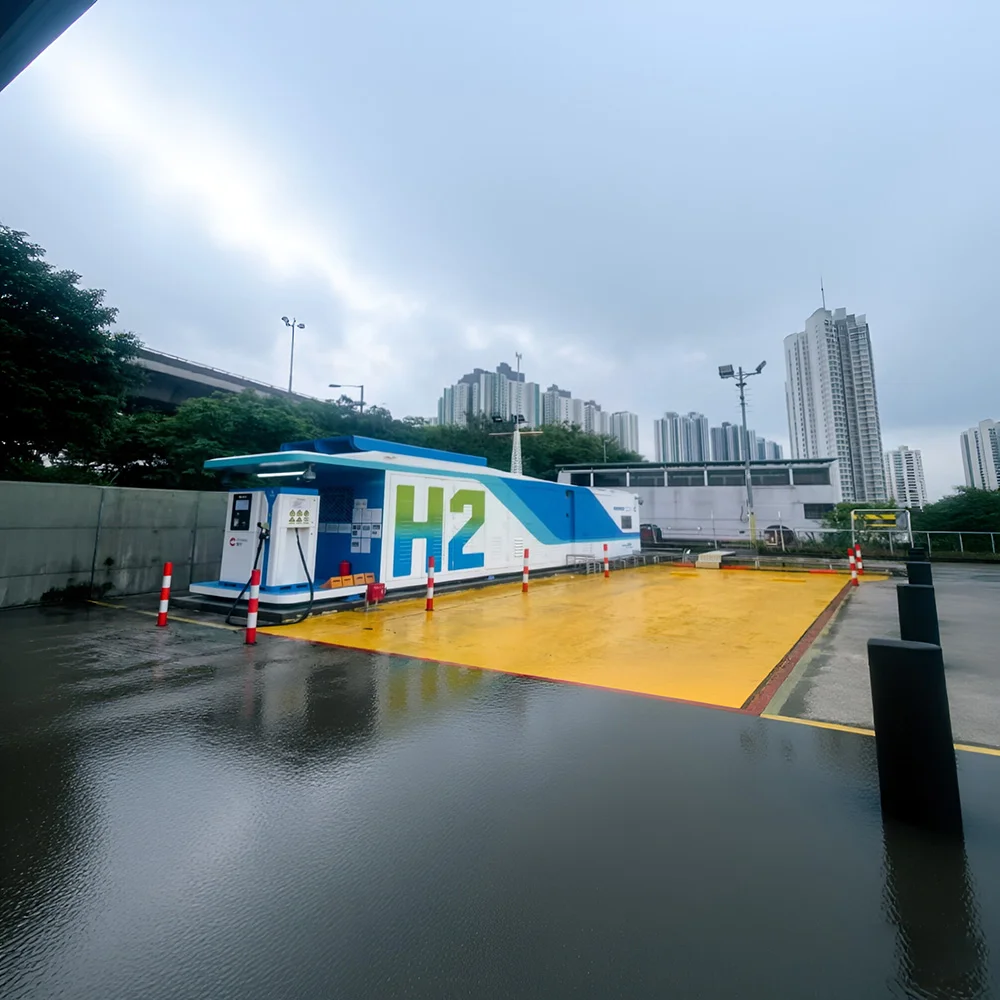
Nigeria possesses some of the world's largest natural gas reserves, yet the domestic utilization of this resource has historically faced logistical bottlenecks. The current reliance on diesel generators for industrial power is gradually shifting toward cleaner alternatives, driving a surge in demand for the cng cylinder to support compressed natural gas vehicles and industrial power plants.
In the oil-producing regions of the Niger Delta, the challenge of water-in-oil emulsions remains a critical operational hurdle. The application of high-efficiency demulsifier oil and gas agents is essential to ensure the purity of crude oil exports and reduce the environmental impact of produced water disposal in tropical climates.
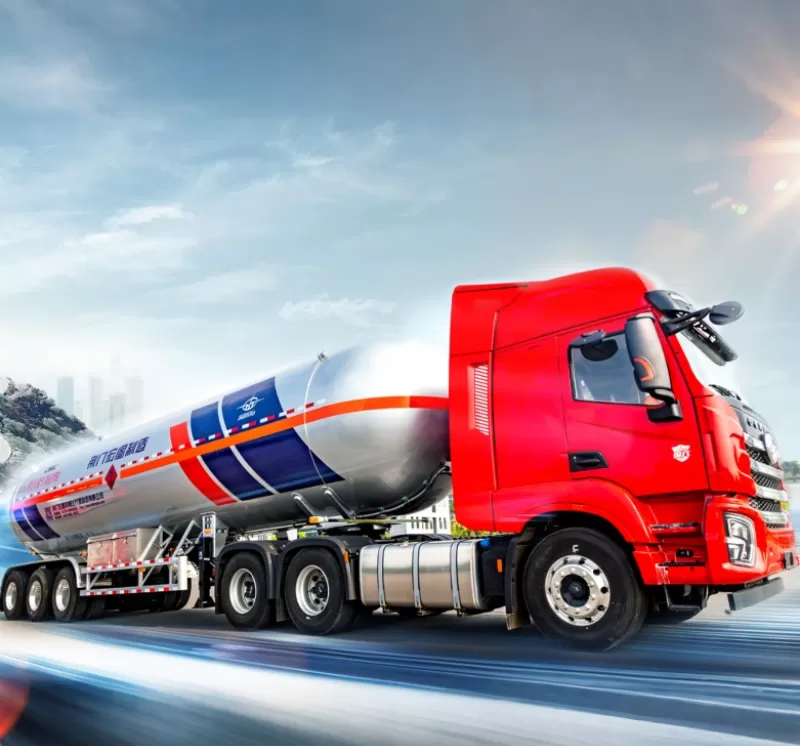
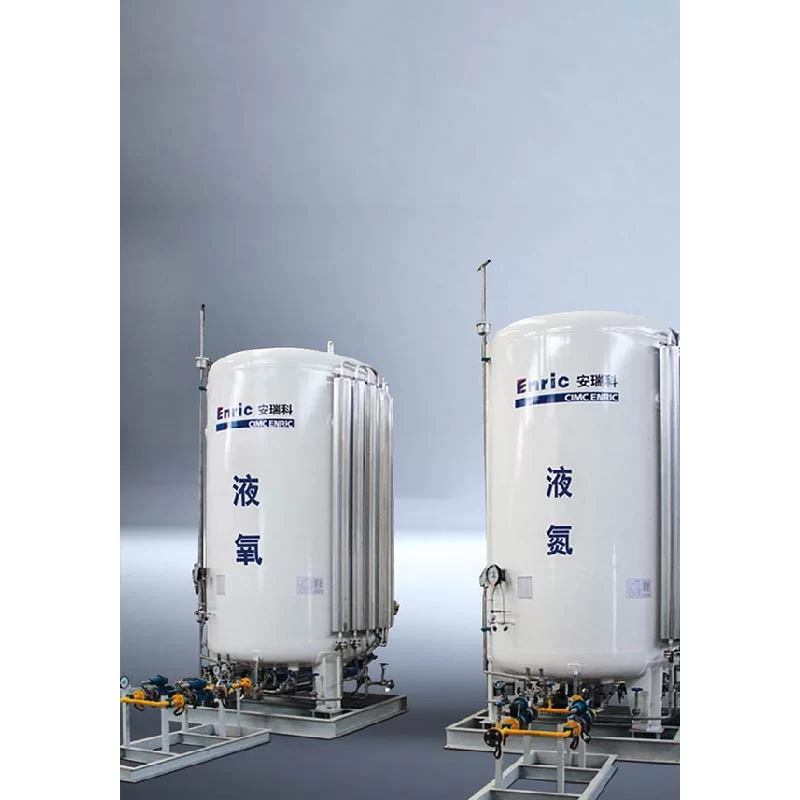
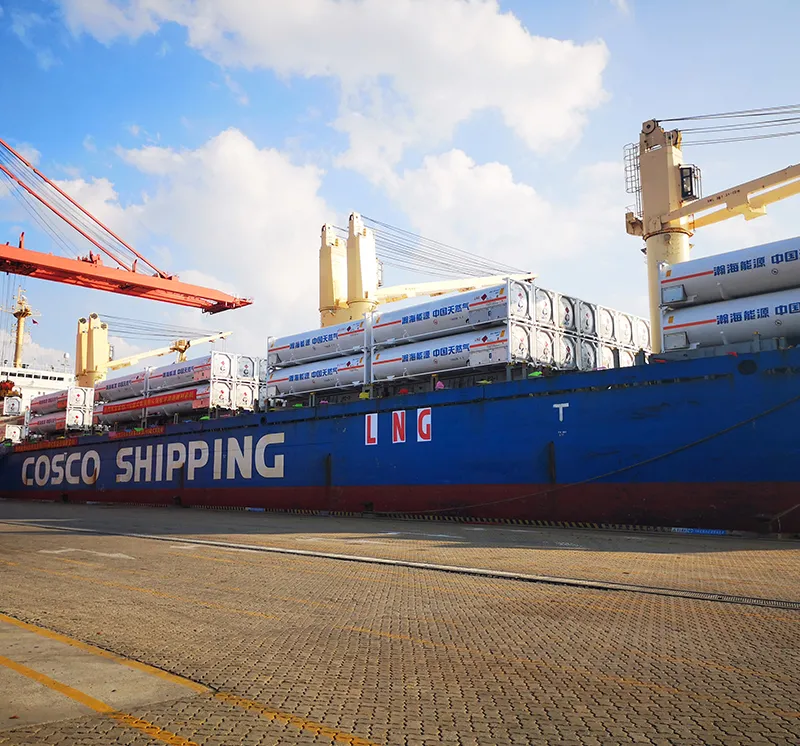
Furthermore, the Nigerian government's "Decade of Gas" initiative is accelerating the adoption of small-scale LNG and LPG systems. This shift is creating an urgent need for standardized bio lpg gas storage and distribution networks to provide clean cooking energy to rural and urban populations alike.