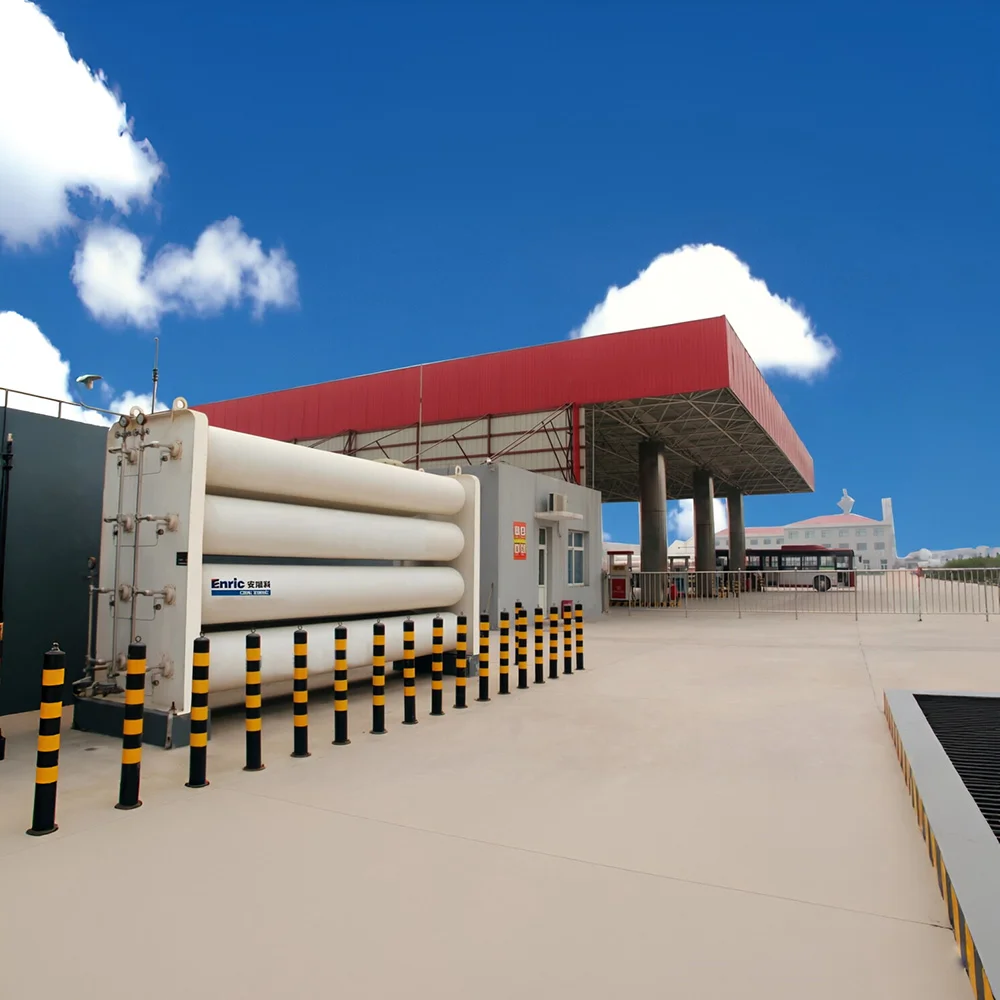
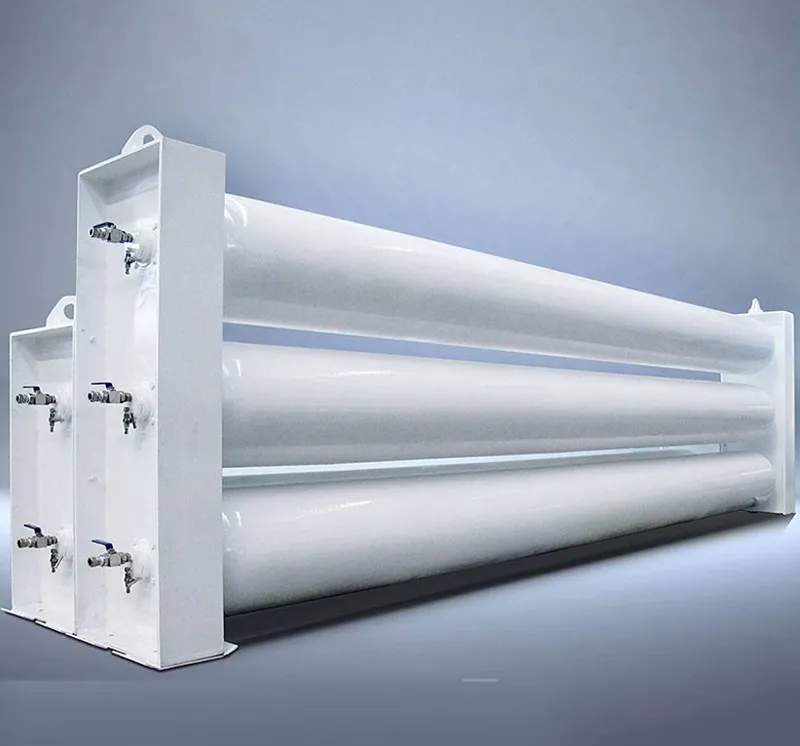
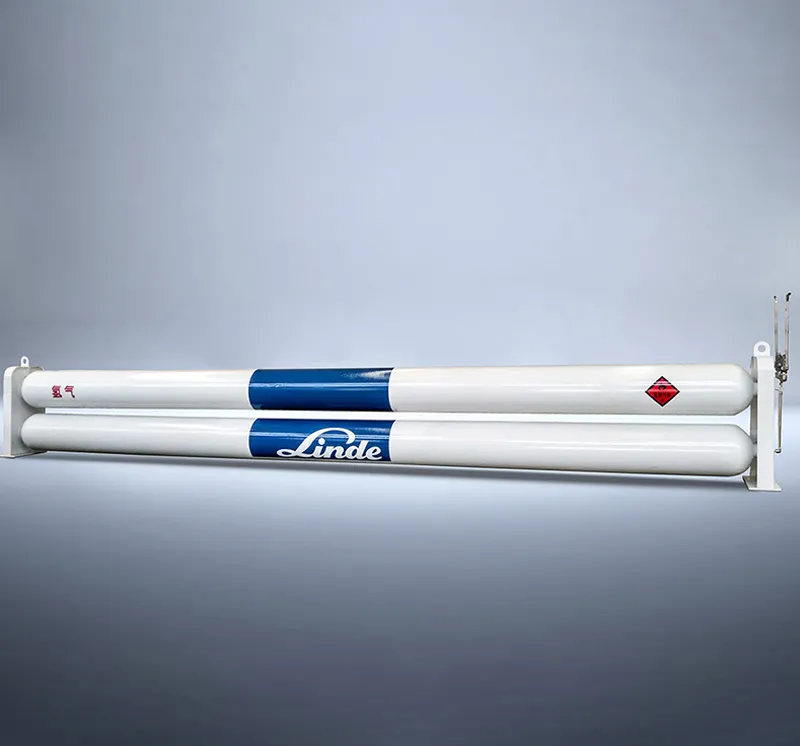
South Sudan possesses significant hydrocarbon reserves, yet the infrastructure for gas processing remains in a nascent stage. The reliance on crude exports has historically overshadowed the development of cng cylinder networks, leaving a gap in domestic energy utilization for transport and power.
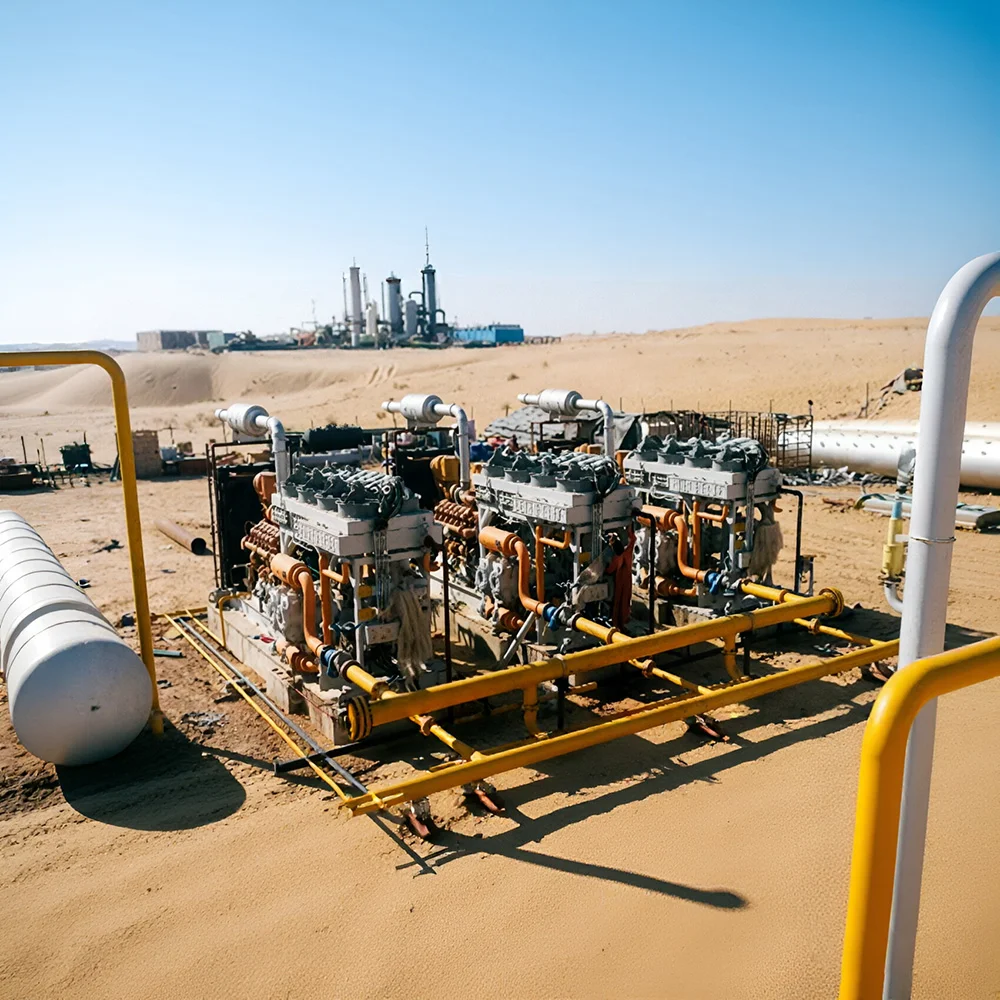
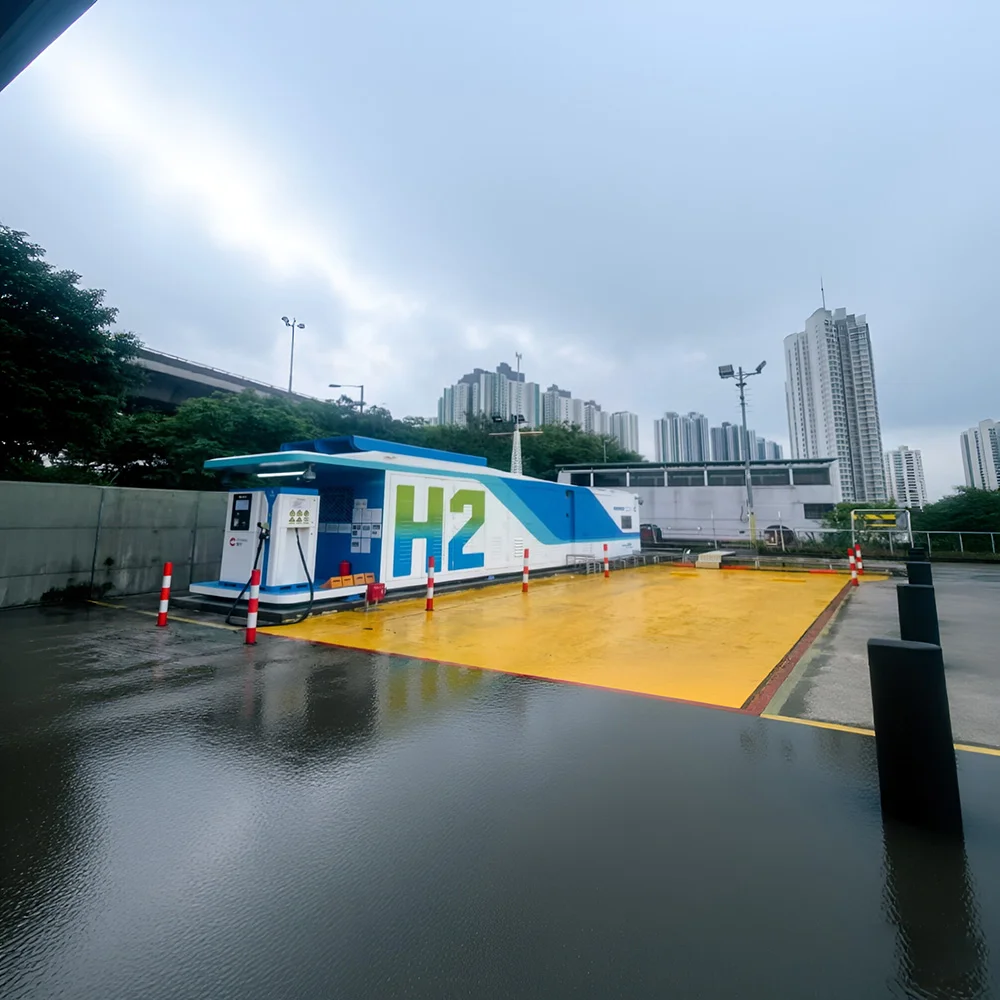
Extreme climatic variations and remote geographical locations in regions like Upper Nile and Unity state create severe logistical hurdles. The lack of specialized hydrogen storage tank facilities hinders the adoption of cleaner energy alternatives, while existing oil fields require more efficient water-oil separation methods.
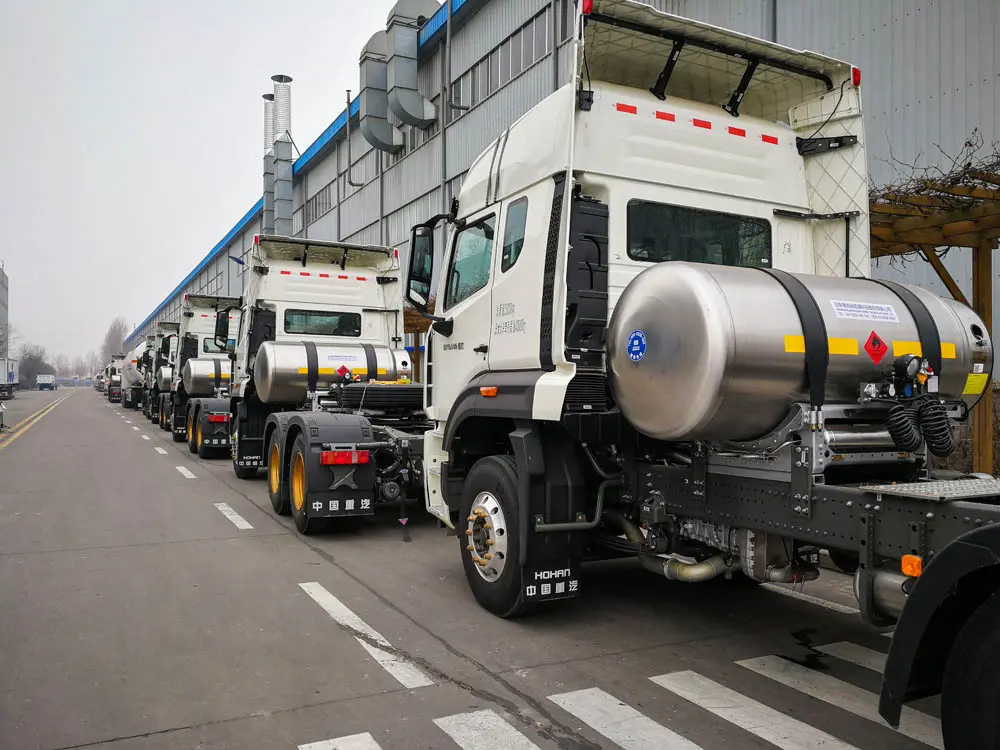
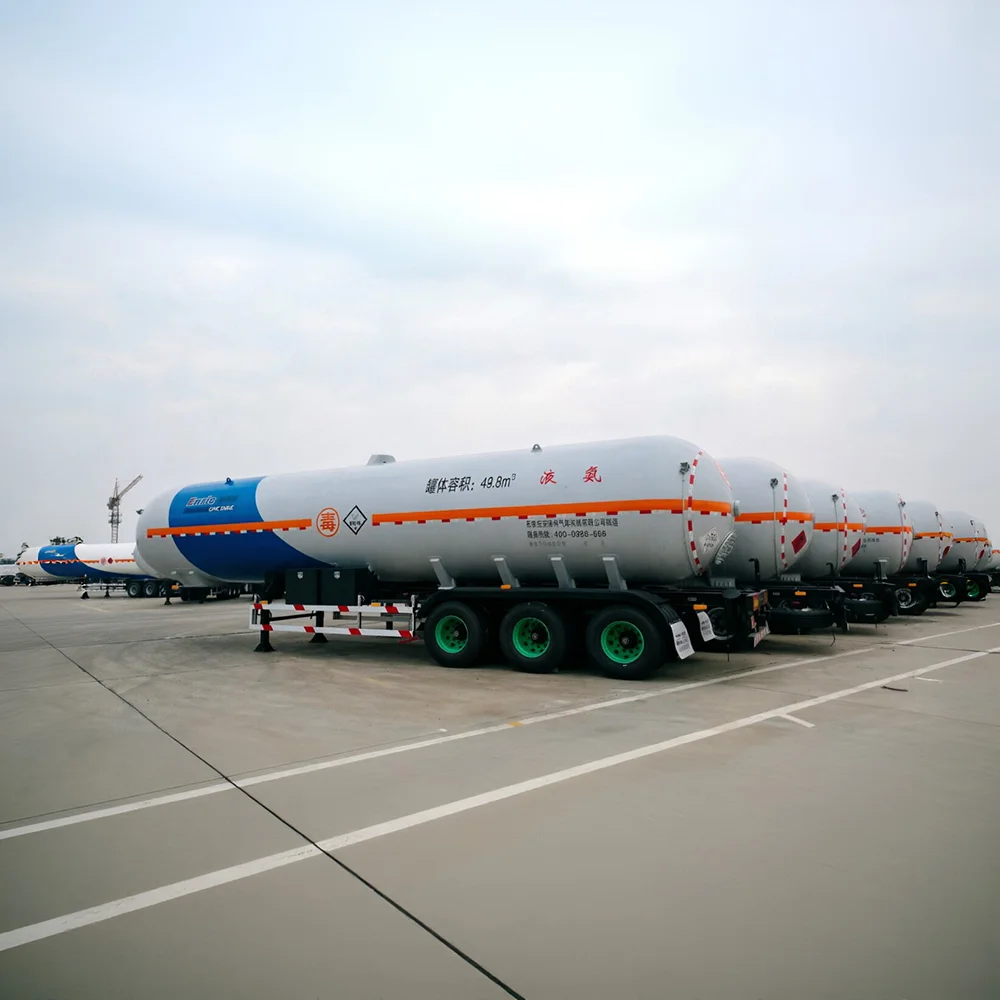
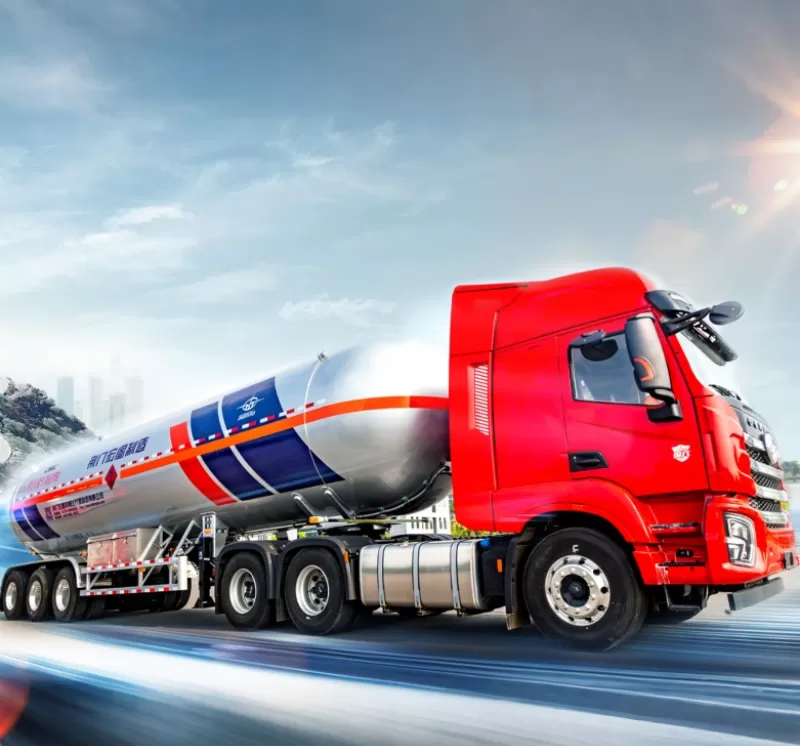
Current operations are increasingly focusing on reducing flared gas. This shift is driving the demand for portable and scalable lng products to capture waste gas and convert it into transportable energy for remote drilling sites and local communities.