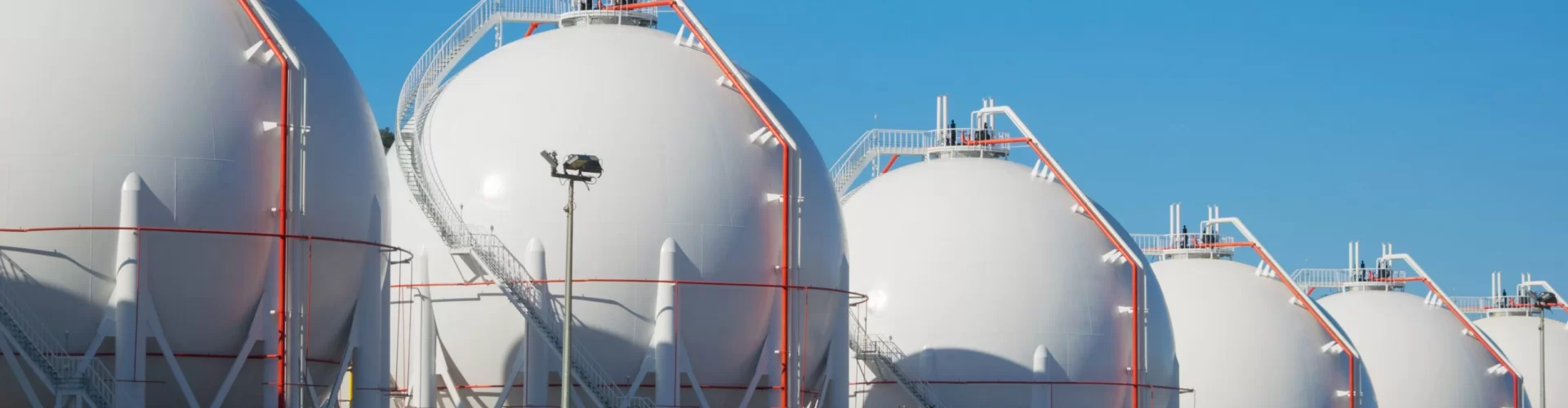
The global shift toward cleaner energy has placed high-pressure storage solutions at the forefront of industrial innovation. While various containment systems exist, the conceptual framework of a 10 kg cng cylinder represents a critical balance between portability and energy density, serving as a benchmark for how compressed gases are handled in transitional energy markets.
Understanding the technical requirements of such storage is essential for operators across the automotive and industrial sectors. The demand for efficient, safe, and standardized vessels ensures that energy can be transported to remote locations where pipeline infrastructure is absent, making the specialized design of high-pressure cylinders a cornerstone of modern gas logistics.
As the world moves toward integrated energy hubs, the role of the 10 kg cng cylinder evolves from a simple storage tool to a component of a larger, intelligent refueling ecosystem. By integrating advanced materials and precision engineering, these solutions enable a seamless transition toward sustainable fuel alternatives.

Global Relevance of High-Pressure Storage
The transition to low-carbon fuels has accelerated the need for standardized high-pressure containment. From an international perspective, the adoption of vessels similar to the 10 kg cng cylinder allows developing regions to bypass expensive pipeline installations and adopt cleaner gas fuels immediately.
Adherence to international standards such as ISO 19880 ensures that these storage solutions are safe for cross-border transport and compatible with a wide range of refueling infrastructures, reducing the risk of mechanical failure and enhancing global energy security.
Defining the Technical Scope of Storage
In technical terms, a 10 kg cng cylinder is more than just a metal tank; it is a precision-engineered pressure vessel designed to hold compressed natural gas at extreme pressures. These cylinders are typically crafted from high-strength steel or composite materials to withstand the internal stress while remaining light enough for manual or mechanical handling.
The primary objective of this storage format is to maximize the volumetric efficiency of the gas. By compressing the fuel, a significantly larger amount of energy can be stored in a compact space, which is vital for mobile applications and small-scale industrial use where space is at a premium.
Modern iterations of these cylinders integrate smart valves and pressure gauges, ensuring that the user can monitor the remaining fuel levels accurately. This level of precision is crucial for maintaining the safety margins required when dealing with high-pressure flammable gases.
Core Components for System Integrity
The integrity of a 10 kg cng cylinder depends on the synergy between its shell material and its sealing mechanisms. High-grade alloys are used to prevent hydrogen embrittlement or corrosion, ensuring that the vessel maintains its structural strength over thousands of refill cycles.
Safety is further enhanced through the inclusion of pressure relief devices (PRDs) on every 10 kg cng cylinder. These devices are designed to vent the gas safely in the event of an overpressure scenario, such as exposure to extreme heat, preventing catastrophic failure.
Furthermore, the integration of intelligent temperature control and leak detection systems at the station level ensures that the 10 kg cng cylinder is filled under optimal conditions, adhering to the strict safety protocols of the gas industry.
Scalability and Deployment Modes
To accommodate different operational needs, gas storage and refueling are deployed in two primary modes. The skid-mounted approach allows for rapid deployment in temporary sites or emerging markets, whereas fixed installations are designed for large-scale operations such as bus depots or highway service areas.
Whether utilizing a portable 10 kg cng cylinder or a massive stationary tank, the underlying technology remains focused on efficiency. The ability to scale from a few hundred kilograms to several thousand kilograms of daily capacity allows operators to match their infrastructure to the actual demand of the local fleet.
Storage Efficiency Comparison for 10 kg cng cylinder Variants
Industrial Applications and Use Cases
The versatility of the 10 kg cng cylinder makes it an ideal choice for diverse industrial scenarios. In logistics parks, these cylinders provide a flexible fuel source for forklifts and small transport vehicles, reducing the reliance on diesel and lowering the carbon footprint of warehouse operations.
In remote industrial zones or post-disaster relief operations, the ability to transport fuel via portable cylinders is invaluable. When permanent pipelines are unavailable, the rapid deployment of high-pressure gas storage ensures that critical machinery and heating systems remain operational.
Long-term Value and Sustainability
Investing in high-quality storage solutions offers significant long-term economic benefits. By utilizing a durable 10 kg cng cylinder, companies reduce the frequency of vessel replacement and minimize gas leakage, leading to lower operational costs and higher resource efficiency.
Beyond the financial aspect, there is a strong sustainability driver. Compressed natural gas serves as a cleaner bridge fuel, and the use of standardized cylinders facilitates the eventual transition to hydrogen energy, as the refueling infrastructure for CNG and Hydrogen shares similar high-pressure compression principles.
Ultimately, the reliability of these systems builds trust among operators and the public. When safety is guaranteed through rigorous testing and international compliance, the adoption of green energy accelerates, creating a positive social impact through reduced urban pollution.
Future Trends in Gas Compression
The future of gas storage is leaning heavily toward "Smart Cylinders." Integration with IoT platforms will allow a 10 kg cng cylinder to communicate its pressure and health status in real-time to a central monitoring system, enabling predictive maintenance and automated refueling schedules.
Material science is also evolving, with the development of ultra-lightweight carbon-fiber composites that can hold higher pressures without increasing the physical size of the vessel. This will further increase the energy density of portable gas solutions.
Furthermore, the coupling of distributed hydrogen production with existing CNG-style storage is becoming a reality. This integrated approach allows for a more flexible energy grid where gas can be produced and stored locally, reducing transportation losses and costs.
Comparison of Gas Storage Technologies for Future Deployment
| Technology Type |
Pressure Capacity |
Weight Efficiency |
Lifecycle Cost |
| Standard Steel |
20-35 MPa |
Low |
Low Initial |
| Aluminum Alloy |
35-70 MPa |
Medium |
Moderate |
| Type 3 Composite |
70 MPa |
High |
High Initial |
| Type 4 Composite |
70+ MPa |
Ultra-High |
Low Maintenance |
| Liquid Hydrogen |
Cryogenic |
Very High |
Complex Ops |
| Smart Hybrid |
Adaptive |
High |
Optimized |
FAQS
A 10 kg cng cylinder is primarily used for the portable storage and transport of compressed natural gas. It is ideal for small-scale industrial applications, backup fuel for remote machinery, and as a modular component in distributed energy systems where large pipeline infrastructure is unavailable.
Safety is ensured through strict adherence to international standards like ISO 19880 and SAE J2601. Key safety features include high-strength alloy shells, pressure relief devices (PRDs) to prevent over-pressurization, and rigorous hydrostatic testing during manufacturing to ensure the vessel can withstand extreme stress.
While the concept is similar, hydrogen requires specialized materials to prevent hydrogen embrittlement. However, the compression and refueling infrastructure used for CNG often provides the blueprint for hydrogen storage systems, including 35MPa and 70MPa high-pressure solutions.
Skid-mounted stations are pre-assembled on a frame for rapid deployment and easy relocation, making them perfect for temporary sites. Fixed stations are permanent installations designed for high-volume, long-term operations with integrated civil engineering and larger storage capacities.
The lifespan depends on the material. Steel cylinders have a long life but are heavy; composite cylinders offer better weight efficiency and corrosion resistance. Regular inspections and re-certification according to local safety laws are required to ensure long-term stability.
Yes, by facilitating the transition from heavy oils and diesel to compressed natural gas or hydrogen, these cylinders directly contribute to the reduction of CO2 and particulate emissions, supporting global green energy goals.
Conclusion
The implementation of standardized storage solutions, exemplified by the 10 kg cng cylinder, is pivotal in bridging the gap between current fossil fuel reliance and a future of clean energy. By combining high-pressure engineering with scalable deployment models, industries can achieve a balance of safety, portability, and environmental responsibility.
Looking forward, the integration of smart monitoring and advanced composite materials will further optimize the efficiency of gas logistics. We encourage operators to invest in compliant, high-performance storage systems to ensure long-term operational stability and sustainability. Visit our website: www.enricgroupsjz.com