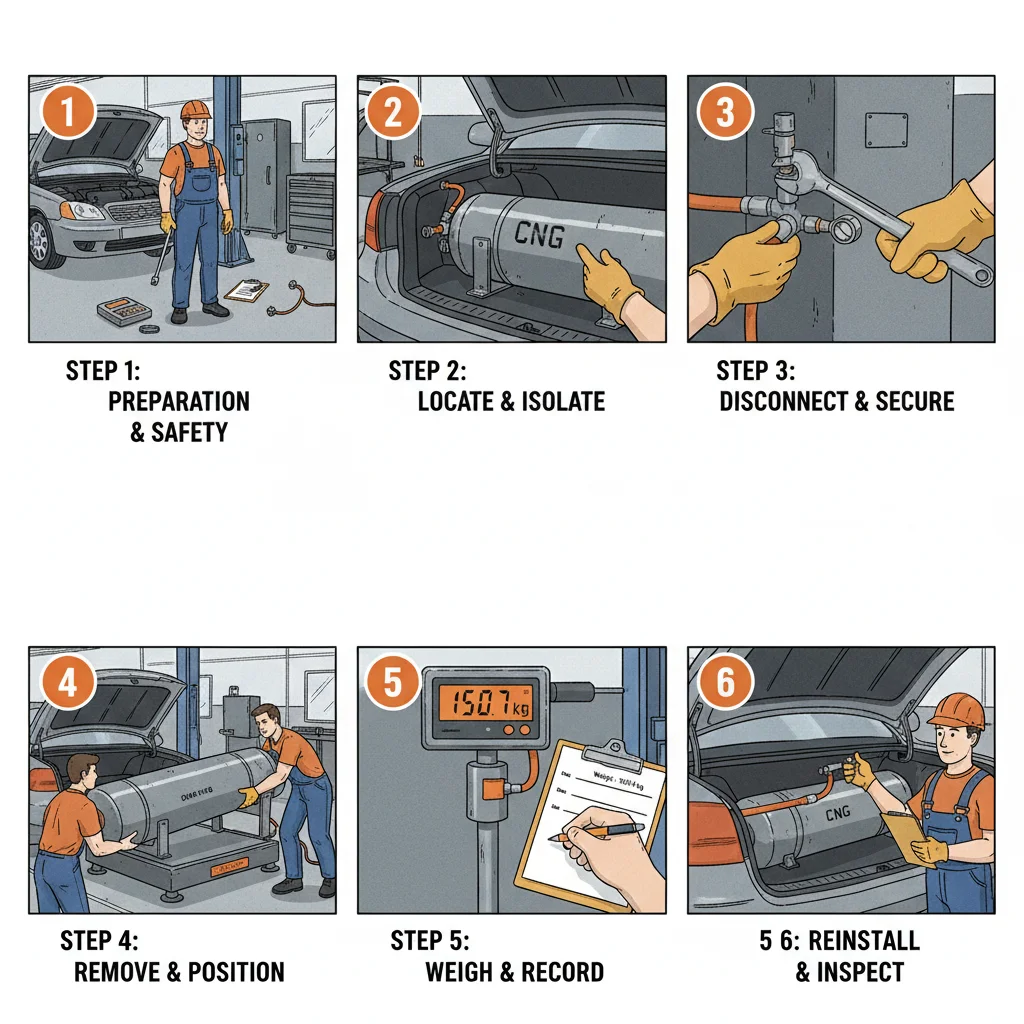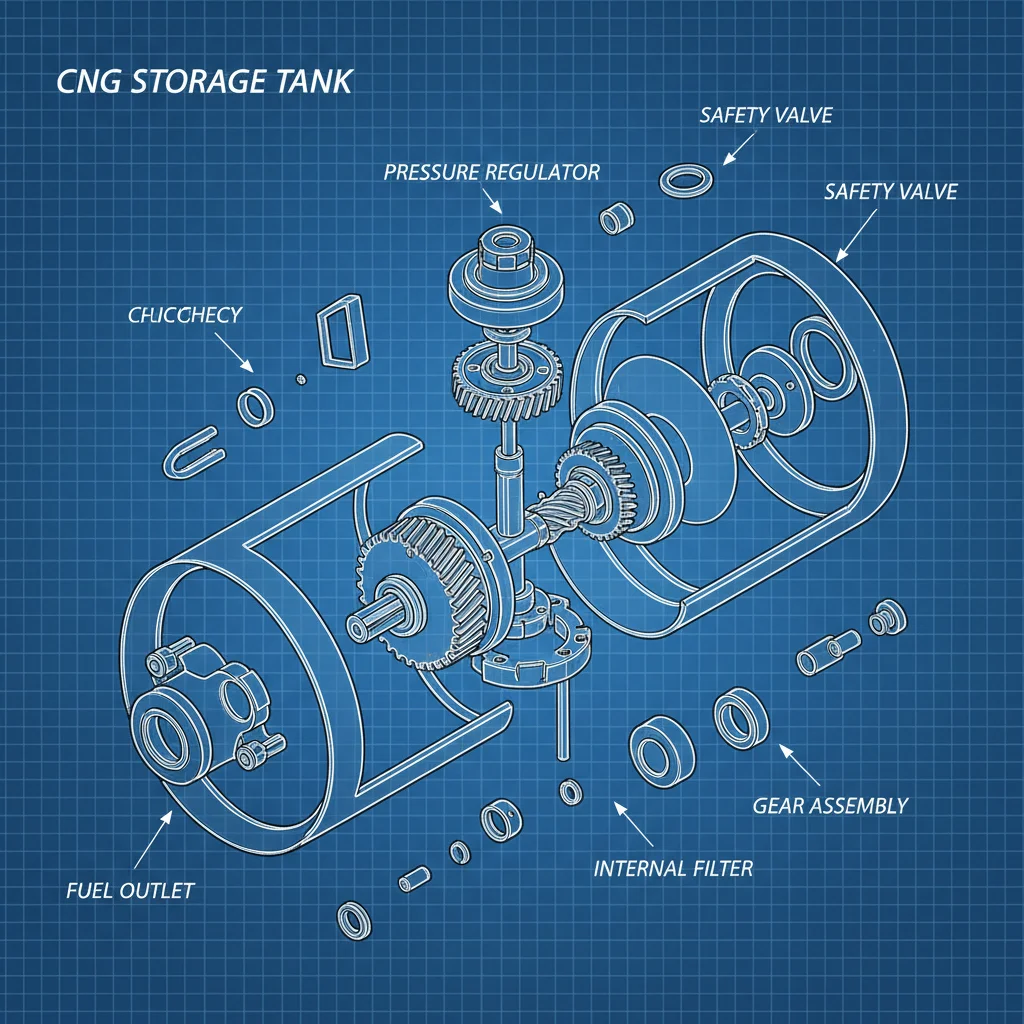
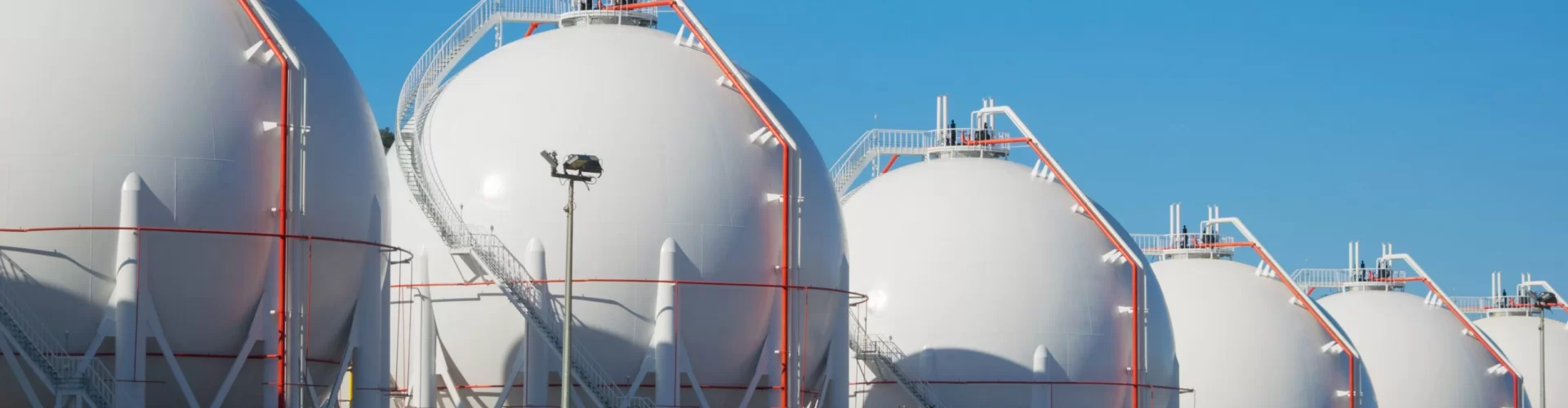
For procurement managers and energy distributors, determining the 10kg cng cylinder price involves more than just comparing a sticker price; it requires a deep dive into material specifications, pressure ratings, and long-term lifecycle costs. As the transition toward cleaner energy intensifies, the demand for portable and safe compressed natural gas (CNG) storage has shifted from simple consumption to high-efficiency logistics.
The cost of a 10kg CNG cylinder is fundamentally driven by the technical trade-off between weight and strength. Whether utilizing seamless steel or advanced composite materials, the investment must be balanced against the operational environment, such as the frequency of filling cycles and the rigor of local safety certifications.
In this analysis, we examine the variables that influence pricing, the technical benchmarks of high-pressure storage, and how industrial-scale solutions from providers like SHIJIAZHUANG ENRIC GAS EQUIPMENT CO., LTD. offer a scalable alternative to fragmented cylinder transport.

Understanding the Core Drivers of CNG Cylinder Pricing

The price of a 10kg CNG cylinder is not a static figure but a reflection of several industrial variables. Primarily, the material choice—ranging from traditional carbon steel to Type III or Type IV composites—dictates the baseline cost. While steel is more affordable upfront, composite cylinders reduce tare weight, which significantly lowers transport costs over time.
Another critical factor is the working pressure. Cylinders designed for higher bar ratings require thicker walls or more sophisticated winding processes to ensure structural integrity. This increased engineering complexity directly elevates the manufacturing cost but provides higher volumetric efficiency, allowing more gas to be stored in the same physical footprint.
Finally, certification standards such as ASME or DOT play a pivotal role. Equipment that meets these international benchmarks undergoes rigorous non-destructive testing (NDT) and hydrostatic trials, ensuring that the vessel can withstand extreme pressure fluctuations without catastrophic failure.
Technical Specifications Impacting Storage Investment
Evaluating a CNG cylinder requires a focus on the relationship between water capacity and actual gas capacity. For a 10kg rated cylinder, the internal geometric volume must be precision-engineered to maintain a specific gas-to-weight ratio, ensuring that the user receives the promised energy density without compromising safety.
Corrosion resistance is another technical driver. Cylinders deployed in harsh chemical environments or coastal regions require specialized internal coatings or premium alloy materials. These additions prevent hydrogen embrittlement and external oxidation, extending the re-certification interval and reducing maintenance expenditure.
Valve precision and sealing technology also contribute to the final cost. High-quality valves prevent micro-leaks, which are critical not only for safety but for preventing product loss in high-purity gas applications. The integration of digital monitoring sensors can further add to the price but provides invaluable real-time data on pressure drops.
Primary Application Scenarios for Portable CNG Storage
Small-scale CNG cylinders are indispensable in scenarios where permanent pipeline infrastructure is absent. In the remote power sector, they provide the necessary fuel for backup generators and specialized industrial tools, allowing for rapid deployment without the need for massive storage tanks.
In the chemical and electronics sectors, portable high-pressure containers are used for the transport of specialized gases. For instance, when transferring high-purity gases for semiconductor manufacturing, the integrity of the container ensures that no contaminants enter the gas stream, preserving the quality of the final electronic component.
Furthermore, these cylinders serve as critical components in the initial stages of Green Energy transitions. They enable the "last-mile" delivery of hydrogen or natural gas to small-scale fueling stations, bridging the gap between large-scale production plants and end-users who require flexible, scalable energy solutions.
Efficiency Benchmarks: Small Cylinders vs. ISO Containers
When scaling from individual 10kg cylinders to industrial gas containers, the operational efficiency shifts dramatically. Traditional cylinder transport is fragmented, requiring significant manual handling and increasing the risk of valve damage during transit.
By contrast, ISO-standardized containers, such as those developed by CIMC Enric, consolidate thousands of liters of gas into a single, automated unit. This shift reduces the "handling time" and minimizes the number of potential leak points, as a unified system is easier to monitor than hundreds of individual cylinders.
10kg cng cylinder price Performance Metrics
The data suggests that while small cylinders are ideal for portability, consolidated containers offer superior volumetric efficiency and lower operational costs per cubic meter. This makes them the preferred choice for large-scale industrial logistics and global shipping modes.
Strategic Procurement and Safety Compliance Guide
Procuring high-pressure equipment requires a rigorous evaluation of the supplier's certification portfolio. A low initial price can be deceptive if the cylinder lacks the necessary DOT or ISO certifications, as this can lead to legal liabilities and catastrophic operational risks during transport.
Buyers should prioritize "Total Cost of Ownership" (TCO) over the purchase price. This includes considering the lifespan of the cylinder, the cost of mandatory safety valve certifications, and the frequency of required pressure tests. High-quality vessels often have a longer service life, making them more cost-effective over a ten-year horizon.
Furthermore, ensure the equipment is compatible with the intended media. For example, Hydrogen (H2) requires specific material considerations to prevent embrittlement, whereas Neon (Ne) or Helium (He) focus on ultra-high purity seals to prevent atmospheric contamination.
Future Material Shifts in High-Pressure Gas Equipment
The industry is likely to see a gradual shift toward carbon-fiber reinforced polymers (CFRP) for mid-to-small scale cylinders. This evolution is driven by the need for higher working pressures—potentially exceeding 250 Bar—to increase the amount of gas transported per trip, thereby reducing the carbon footprint of logistics.
Digital integration is another emerging trend. Smart cylinders equipped with IoT sensors may become standard, providing real-time monitoring of filling levels and location tracking. This would allow companies to optimize their supply chain reliability and automate maintenance alerts for safety inspections.
As the global economy pivots toward Green Energy, the design of these containers will likely evolve to support a wider array of high-purity gases. The focus will remain on balancing maximum volumetric efficiency with absolute operational safety, ensuring that the infrastructure can scale as quickly as the energy demand.
Comparing CNG Storage Solutions for Operational ROI
Choosing between individual cylinders and consolidated industrial containers depends on the volume of gas required and the shipping distance. For small, fragmented needs, the 10kg cylinder is unmatched in flexibility, but for industrial scale, the efficiency of ISO containers is paramount.
The following comparison highlights the trade-offs between different storage approaches based on operational priorities and logistics requirements.
| Solution Type | Handling Method | Safety Risk | Scalability |
|---|---|---|---|
| Steel Cylinders | Manual / Fragmented | Moderate (Valve points) | Low |
| Composite Cylinders | Manual / Lightweight | Low (Material strength) | Moderate |
| ISO Containers (20ft) | Automated / Heavy Lift | Minimal (Unified) | High |
| ISO Containers (40ft) | Automated / Rail-link | Minimal (Unified) | Very High |
| Specialty Gas Tubes | Precision Handling | Low (High purity) | Moderate |
| Mobile Refueling Units | Integrated / On-site | Low (Controlled) | Moderate |
Ultimately, the most cost-efficient strategy involves a hybrid approach: utilizing high-capacity ISO containers for the primary transport leg and smaller, portable cylinders for final delivery and end-user application.
Frequently Asked Questions
Conclusion
Evaluating the 10kg CNG cylinder price requires a shift from short-term expenditure to long-term operational ROI. While individual cylinders provide essential portability, the integration of high-pressure ISO containers offers a scalable, safer, and more cost-efficient alternative for industrial-scale logistics.
For organizations seeking to optimize their gas supply chain, balancing technical specifications with international safety standards is key. Interested parties can review professional-grade high-pressure storage solutions and company capabilities through www.enricgroupsjz.com.