
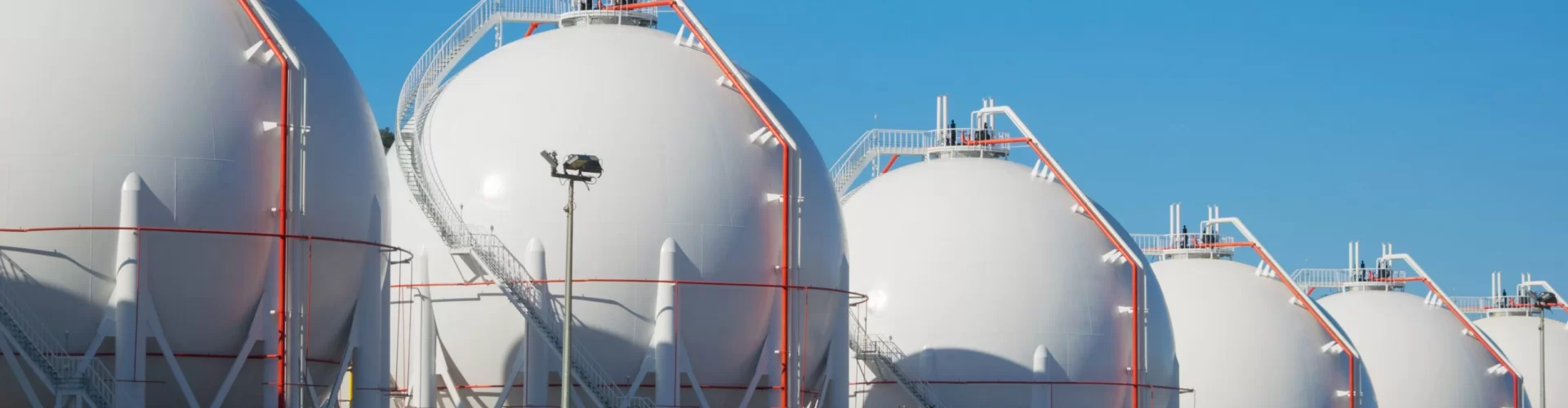

Compressed Natural Gas (CNG) storage technology focuses on the secure containment of methane at high pressures to facilitate transportation and usage in diverse energy applications. For small-capacity requirements, such as the 5 kg range, the balance between weight, safety, and cost is critical for end-users in the clean energy sector. This article examines the factors influencing the 5 kg cng cylinder price and the technical specifications required for industrial reliability.
In the broader B2B landscape, small-scale cylinders serve as essential components for specialized refueling stations and mobile energy units. Whether integrated into a CNG Daughter Station or used for portable fuel supply, these vessels must withstand extreme pressure cycles while maintaining a high strength-to-weight ratio. Understanding the commercial drivers behind these components allows procurement managers to optimize their supply chain for high-purity gas handling.
Readers will gain insights into the technical distinctions between material grades, the role of international certifications like DOT and ASME, and the operational trade-offs between different cylinder configurations. By evaluating these parameters, businesses can transition from simple price-comparison to a total cost of ownership (TCO) model, ensuring long-term safety and operational efficiency in gas distribution.
High-Pressure Gas Storage Fundamentals
High-pressure gas storage is governed by the physics of gas compression and the mechanical limits of containment materials. CNG is typically stored at pressures reaching 20 to 25 MPa, requiring vessels that can handle significant hoop stress. The manufacturing process involves precision winding or forging, ensuring that the cylinder wall thickness is optimized for the specific volume—in this case, a 5 kg capacity—without adding unnecessary bulk. For enterprises like CIMC Enric, which holds advanced qualifications in pressure vessel manufacturing, the focus is on ensuring that the structural integrity of the vessel meets the stringent requirements of the semiconductor and energy industries.
Analyzing Small-Scale CNG Cylinder Value
Determining the value of a small-capacity CNG vessel requires a deep dive into the engineering specifications and the operational environment. The cost is not merely a reflection of the raw material but a combination of safety certifications, manufacturing precision, and the intended application scenario.
Cost Drivers for Small Cylinders
The pricing of small-capacity cylinders is heavily influenced by the complexity of the valve systems and the precision of the wall thickness. While the volume is low, the safety requirements remain as high as those for larger tanks, meaning fixed costs for testing and certification are distributed over a smaller amount of gas storage.
| Cost Factor | Impact Level | Primary Reason | Buyer Consideration |
|---|---|---|---|
| Material Grade | High | Alloy steel vs. Composite | Weight vs. Durability |
| Valve Precision | Medium | Leakage prevention tech | Maintenance frequency |
| Certification | High | DOT/ASME/EU standards | Legal compliance |
| Wall Thickness | Medium | Pressure rating (25MPa) | Storage efficiency |
| Surface Coating | Low | Corrosion resistance | Environmental exposure |
| Batch Size | Medium | Manufacturing scale | Lead time vs. Unit cost |
Material Selection Impact
Material choice directly dictates the cylinder's weight and lifespan. Steel cylinders offer robustness and lower initial costs but are heavier, making them suitable for fixed installations. Composite materials, often utilized in high-end energy storage, reduce the tare weight significantly, which is crucial for mobile applications. The choice depends on whether the priority is the initial capital expenditure or the operational efficiency of transportation.
Certification and Compliance Standards
In the B2B gas industry, a cylinder without recognized certification is a liability. Certifications such as ASME and DOT ensure that the vessel has undergone rigorous hydrostatic testing and burst tests. For global suppliers, obtaining certifications for specific regions (e.g., Europe, South Korea, India) is a significant investment that adds value to the product by guaranteeing safety across international borders.
Storage Efficiency Metrics
Efficiency is measured by the ratio of gas stored to the total weight of the vessel. For a 5 kg cylinder, maximizing the internal volume while minimizing the shell weight is the primary engineering challenge. High-performance equipment from specialized manufacturers ensures that the gas recovery rate remains high, reducing waste during the transshipment process from mother to daughter stations.
Application in Mobile Energy
Small CNG cylinders are frequently deployed in "Daughter Stations" or as portable energy buffers in areas where pipeline infrastructure is unavailable. Their mobility allows for flexible energy distribution in township industrial zones. The ability to integrate these cylinders into modular MRU skids makes them highly versatile for rapid deployment in emerging gas markets.
Procurement Evaluation Criteria
When evaluating suppliers, procurement officers should look beyond the unit price. Key criteria include the supplier's track record with industrial gas giants (such as Linde or Air Liquide) and their ability to provide customized solutions. Checking for comprehensive qualifications in pressure vessel manufacturing ensures that the supplier can maintain consistency across large orders.
Lifecycle Maintenance Costs
The total value of a cylinder includes its maintenance cycle. Regular inspections, valve replacements, and re-certification tests are mandatory. Choosing a vessel with superior corrosion resistance and a high-quality finish reduces the frequency of these interventions, thereby lowering the long-term operational cost compared to cheaper, lower-grade alternatives.
FAQ
What factors most influence the 5 kg cng cylinder price?
The price is primarily driven by the material used (composite vs. steel), the pressure rating (typically up to 25 MPa), and the international safety certifications (like DOT or ASME) the cylinder holds. Additionally, the quality of the valve system and the volume of the order impact the final cost.
How do I choose between a steel and a composite CNG cylinder?
Steel cylinders are generally more cost-effective and durable for stationary use. Composite cylinders are preferred for mobile applications because they are significantly lighter, reducing transportation costs and increasing the payload efficiency of the vehicle or equipment they are attached to.
What certifications should I look for in a CNG storage vessel?
Depending on your region, look for DOT (USA), ASME (International), or specific European standards. These certifications prove that the vessel has passed rigorous pressure and safety tests, ensuring it can handle the stresses of compressed natural gas without failure.
Are small 5 kg cylinders suitable for industrial use?
Yes, they are ideal for specialized, low-volume applications, portable refueling units, or as part of a larger network of daughter stations in areas where pipeline gas supply is not feasible or economical.
How often do CNG cylinders require re-certification?
Re-certification intervals vary by local laws and material types, but typically involve a visual inspection and a hydrostatic test every 2 to 5 years to ensure the vessel has not suffered from fatigue or corrosion.
Can these cylinders be customized for specific gases?
Yes, specialized manufacturers can adjust materials and valve configurations for other high-pressure gases, such as hydrogen or electronic gases, provided the material compatibility is verified to prevent embrittlement or contamination.
References and further reading
- International Standards for High Pressure Gas Vessels (ASME Section VIII)
- DOT Specification for Compressed Natural Gas Cylinders
- Industrial Gas Distribution Network Design Guidelines


