
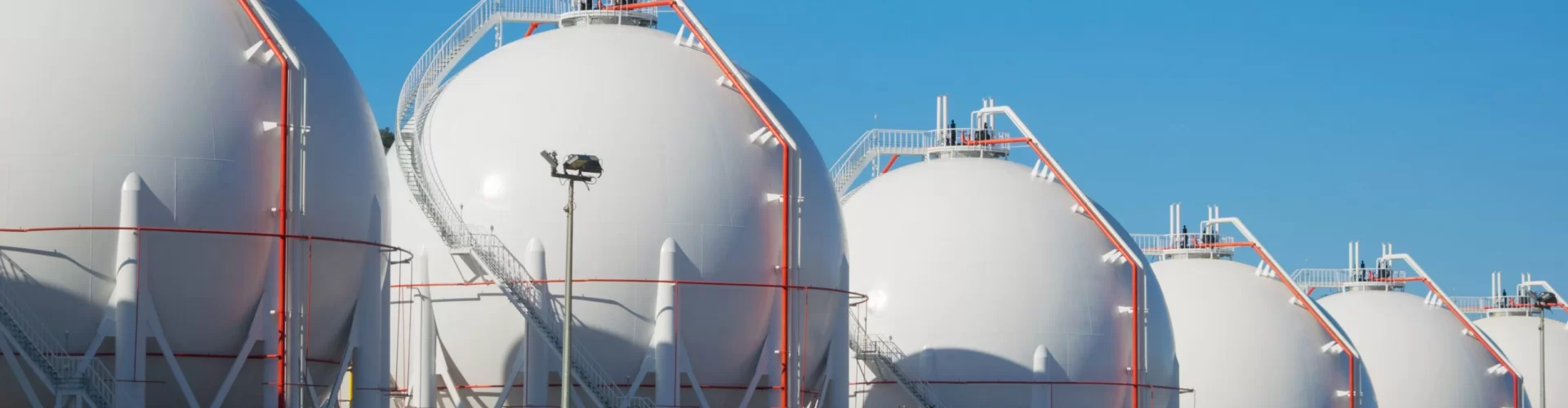

Compressed Natural Gas (CNG) serves as a critical bridge in the transition toward low-carbon mobility, offering a cleaner alternative to traditional liquid fuels. Central to this system is the storage cylinder, a high-pressure vessel engineered to hold gas at pressures typically reaching 200 bar or higher. For fleet operators and individual vehicle owners, understanding the technical variables and the cng cylinder price for car components is essential for optimizing total cost of ownership and ensuring passenger safety.
The automotive gas storage market is characterized by a shift from traditional steel cylinders to advanced composite materials. This evolution is driven by the need to reduce vehicle curb weight, increase fuel capacity, and enhance safety under extreme conditions. As global emissions mandates tighten, the integration of high-performance storage solutions becomes a primary engineering challenge, requiring a balance between initial capital expenditure and long-term operational efficiency.
This guide provides a comprehensive analysis of the factors influencing the procurement and selection of vehicle gas cylinders. Readers will explore the relationship between material science and cost, the impact of international safety certifications such as DOT and ASME, and the practical criteria for evaluating suppliers to ensure the longevity and reliability of their CNG infrastructure.
Understanding Vehicle Gas Storage Fundamentals
Automotive CNG storage is not merely about containment but about managing high-energy density within a limited spatial envelope. The fundamental principle involves compressing natural gas to a fraction of its original volume, requiring cylinders capable of withstanding immense internal pressure while resisting external corrosion and mechanical impact. Historically, Type I (all-steel) cylinders provided the baseline for durability, but their significant weight often compromised vehicle payload and fuel economy. This led to the development of Type II, III, and IV cylinders, which incorporate hoop-wrapped composites or full plastic liners reinforced with carbon fiber. From a technical perspective, the transition to composites allows for a higher working pressure and a significantly improved weight-to-volume ratio, which is a primary driver in the pricing and performance of modern automotive gas systems. Effective storage must also account for thermal expansion and the volatility of gas behavior during rapid refueling cycles.
Analyzing the Economics and Engineering of CNG Tanks
The procurement of CNG storage systems involves a complex trade-off between material cost, safety margins, and vehicle performance. To make an informed decision, buyers must analyze how specific engineering choices impact the overall investment and the long-term viability of the vehicle's energy system.
Cost Drivers for Automotive Cylinders
The price of a storage vessel is primarily determined by the material composition and the manufacturing process. Carbon fiber-reinforced polymers (CFRP) used in Type IV tanks significantly increase the cost compared to steel but offer unmatched weight savings. Additionally, the complexity of the liner material—whether it is high-strength aluminum or high-density polyethylene (HDPE)—influences the production time and the final market value. Market volatility in raw carbon fiber and high-grade steel also leads to fluctuations in procurement costs.
| Cylinder Type | Primary Material | Weight Profile | Cost Impact |
|---|---|---|---|
| Type I | Seamless Steel | Very High | Low |
| Type II | Steel + Hoop Wrap | High | Moderate |
| Type III | Aluminum + Composite | Medium | High |
| Type IV | Polymer + Composite | Low | Very High |
| Custom | Hybrid Alloys | Variable | Premium |
| Industrial | High-Pressure Steel | Very High | Low/Moderate |
Material Performance and Safety Standards
Safety is the non-negotiable priority in high-pressure storage. Cylinders must undergo rigorous burst tests and fatigue cycles to ensure they can withstand years of filling and emptying. The use of ASME and DOT certifications ensures that the vessel has been manufactured to strict tolerances. For enterprises like CIMC Enric, maintaining these global certifications is a core capability, allowing for the delivery of equipment that meets the semiconductor-grade purity or automotive-grade safety requirements across 40 different countries.
Weight Considerations and Vehicle Efficiency
Every kilogram added to a vehicle's chassis increases energy consumption. In the context of CNG, the "dead weight" of the cylinder directly offsets the energy density of the fuel. By opting for composite-wrapped solutions, operators can increase the fuel volume without proportionally increasing the vehicle's mass. This efficiency gain is particularly critical for commercial fleets and heavy-duty transport where payload capacity is directly linked to revenue generation.
Installation and Integration Requirements
Integrating a CNG cylinder into an existing vehicle chassis requires precision engineering to avoid compromising structural integrity. Considerations include the placement of mounting brackets, the routing of high-pressure lines, and the inclusion of pressure relief devices (PRDs). Professional installation ensures that the cylinder is protected from road debris and that the center of gravity of the vehicle remains stable, preventing handling issues during transit.
Maintenance and Inspection Intervals
Unlike liquid fuel tanks, high-pressure cylinders require periodic recertification. Visual inspections for corrosion in steel tanks or delamination in composite tanks are mandatory. Operators must track the manufacture date, as most cylinders have a defined service life (often 15 to 20 years). Regular valve replacements and leak detection tests prevent catastrophic failures and ensure the system operates at peak efficiency.
Regulatory Compliance and Certification
Navigating the legal landscape of gas transportation is complex. Different regions require specific certifications; for instance, European markets may demand EN standards, while North American markets prioritize DOT and ASME. Ensuring a supplier has a proven track record of international certifications reduces the risk of customs delays and ensures that the vehicle is legally compliant for public road use.
Life Cycle Value Assessment
The initial purchase price is only one part of the equation. A comprehensive value assessment includes the cost of fuel savings over the vehicle's life, the frequency of maintenance, and the residual value of the equipment. While composite tanks have a higher upfront cost, their contribution to fuel economy and reduced chassis wear often results in a lower total cost of ownership compared to cheaper, heavier steel alternatives.
FAQ
What factors most influence the cost of a CNG cylinder for a vehicle?
The primary cost drivers are the material used (carbon fiber vs. steel), the pressure rating of the vessel, and the manufacturing certifications. Type IV composite cylinders are the most expensive due to the high cost of carbon fiber and advanced winding processes, but they offer the best weight-to-capacity ratio.
How can I verify the safety of a CNG cylinder supplier?
Verify that the supplier holds recognized international certifications such as ASME or DOT. A reputable manufacturer will provide a certificate of conformity and detailed test reports for each batch, ensuring the cylinders meet strict burst and fatigue requirements.
What is the typical lifespan of an automotive CNG tank?
Most automotive CNG cylinders have a service life of 15 to 20 years, depending on the material and operating conditions. They must be periodically inspected and recertified according to local regulations to ensure structural integrity.
Is a Type IV cylinder always better than a Type I?
Not necessarily. While Type IV is superior in weight and corrosion resistance, Type I steel cylinders are more cost-effective for applications where weight is not a critical factor and where the budget is limited.
How does cylinder weight affect vehicle performance?
Increased cylinder weight increases the total mass of the vehicle, which leads to higher fuel consumption and reduced acceleration. Using lightweight composite tanks helps maintain the vehicle's original performance specifications and increases payload capacity.
What is the purpose of the Pressure Relief Device (PRD) on the tank?
The PRD is a critical safety component designed to vent gas safely if the internal temperature rises to a dangerous level (e.g., during a fire), preventing the cylinder from rupturing due to overpressure.
References and further reading
- ASME Boiler and Pressure Vessel Code (BPVC) - Section VIII for Pressure Vessel Design.
- U.S. Department of Transportation (DOT) Special Permit regulations for CNG cylinders.
- International Maritime Organization (IMO) guidelines on high-pressure gas storage for transport.


