
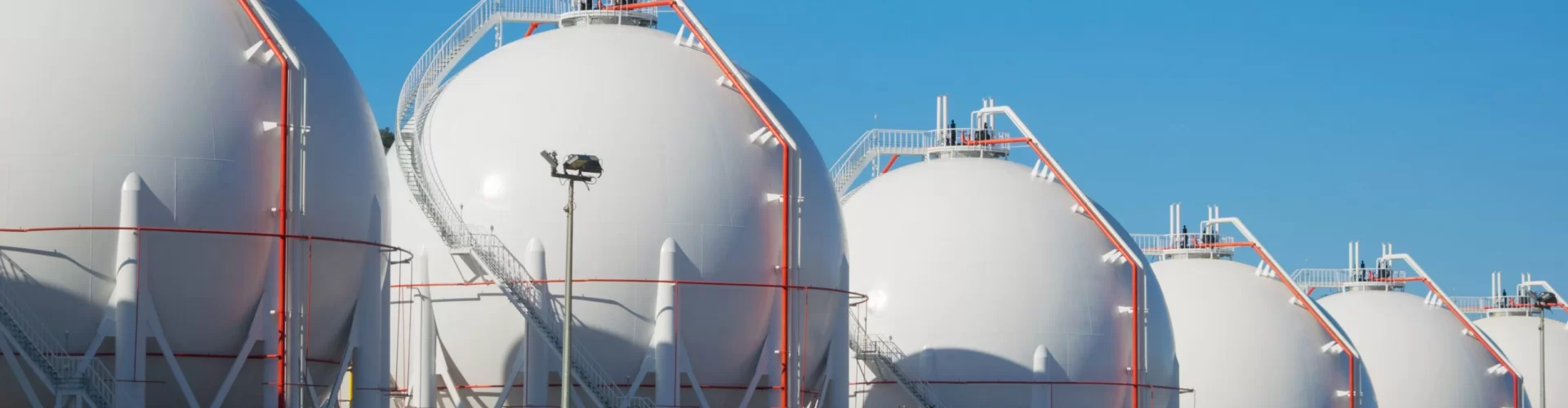

When evaluating the cng kit and cylinder price, stakeholders must look beyond the initial sticker price to understand the total cost of ownership. Compressed Natural Gas (CNG) infrastructure requires a precise balance of high-pressure storage capabilities and efficient fuel delivery systems. This guide analyzes the technical and commercial variables that dictate the cost of these essential components in B2B energy transitions.
The market for gas conversion equipment is influenced by material science, safety certifications, and regional regulatory standards. For industrial operators, the selection of a storage vessel is not merely a procurement task but a critical safety decision. Understanding how different composite materials and pressure ratings affect the final investment allows companies to optimize their energy infrastructure without compromising on operational integrity.
Readers will explore the specific components that drive cost variance, the importance of international certifications like ASME and DOT, and how to evaluate supplier capabilities. By mapping technical specifications to commercial value, this analysis provides a framework for making informed procurement decisions regarding high-pressure gas storage and delivery solutions.
Analyzing CNG System Cost Drivers
The cost of a CNG installation is primarily determined by the intersection of storage volume, working pressure, and material grade. In the high-pressure gas industry, the cng kit and cylinder price is heavily weighted toward the storage vessel due to the stringent requirements for tensile strength and fatigue resistance. Type I steel cylinders are generally the most economical but carry a significant weight penalty, whereas Type IV composite cylinders utilize carbon fiber and polymer liners to maximize fuel density and reduce vehicle or plant weight, albeit at a higher price point.
Beyond the vessel, the conversion kit's cost is driven by the precision of the pressure regulators and the durability of the fuel injection system. High-grade components reduce the risk of pressure drops and ensure a consistent fuel-to-air ratio, which directly impacts the efficiency of the end-use engine. For industrial-scale deployments, the integration of Boil-Off Gas (BOG) recovery or advanced purification systems—similar to those used in LNG treatment—can further influence the total system expenditure by reducing long-term operational waste.
Commercial Procurement Guide for Gas Equipment
Procuring high-pressure equipment requires a rigorous evaluation of technical benchmarks. The following sections break down the seven critical dimensions that affect the financial and operational outcome of a CNG system investment.
Cylinder Material Impact
Material choice is the single largest variable in equipment cost. Steel offers durability and low initial cost, while carbon fiber composites provide superior weight-to-strength ratios, essential for mobile applications. The transition from Type I to Type IV significantly alters the capital expenditure (CAPEX) but reduces operational expenses (OPEX) through improved fuel efficiency.
| Material Type | Weight Profile | Pressure Capability | Cost Tier |
|---|---|---|---|
| Type I (Steel) | Heavy | Moderate | Low |
| Type II (Hoop Wrapped) | Medium-Heavy | Moderate-High | Medium-Low |
| Type III (Metal Liner) | Medium | High | Medium-High |
| Type IV (Polymer Liner) | Light | Very High | High |
| Composite Alloy | Variable | Specialized | Premium |
| Reinforced Steel | Heavy | Standard | Low-Medium |
Conversion Kit Components
A comprehensive kit includes the pressure regulator, high-pressure piping, fuel injectors, and electronic control units (ECU). The cost varies based on whether the system is a basic conversion or a high-performance industrial setup. Precision-engineered regulators that maintain stability under extreme temperature fluctuations typically command a premium but extend the system's service life.
Certification and Compliance
Equipment lacking international certifications represents a significant business risk. Adherence to ASME (American Society of Mechanical Engineers) and DOT (Department of Transportation) standards ensures that the vessels can withstand cyclic loading. Suppliers like CIMC Enric, who hold these certifications, provide a level of quality assurance that justifies a higher price point compared to non-certified alternatives.
Pressure Rating Considerations
Higher working pressures allow for more gas storage in a smaller volume, increasing the range or capacity of the system. However, increasing the pressure rating requires thicker walls or more carbon fiber reinforcement, which increases the manufacturing cost. Buyers must balance the need for storage density against the budget for high-pressure hardware.
Installation Complexity
The cost of the hardware is only one part of the equation; installation labor and site preparation are critical. Modular systems that are pre-engineered for seamless integration reduce on-site labor costs. For floating or remote onshore plants, customized engineering is required to ensure safety and stability, adding to the initial project cost.
Operational Lifecycle Value
True value is measured by the cost per unit of gas delivered over ten to twenty years. High-quality cylinders with low corrosion rates and kits with minimal leakage require less frequent maintenance. Investing in premium equipment typically results in a lower total cost of ownership due to reduced downtime and extended inspection intervals.
Supplier Capability Evaluation
A supplier's ability to provide customized solutions and after-sales support is a hidden value driver. Companies with global networks and a history of partnering with industry leaders like Linde or Air Liquide demonstrate the technical maturity needed to handle complex gas infrastructure projects, reducing the risk of project failure or safety incidents.
FAQ
What primarily affects the cost of a CNG storage vessel?
The cost is primarily driven by the material used—steel is cheapest, while carbon fiber composites are the most expensive—and the maximum working pressure rating. Higher pressure requirements and lighter weight specifications increase the manufacturing complexity and material cost.
Are certified cylinders more expensive than non-certified ones?
Yes, generally. Certifications such as ASME and DOT require rigorous testing and quality control processes during manufacturing. While this increases the initial price, it is essential for legal compliance and operational safety in professional industrial environments.
How do I choose between a Type I and Type IV cylinder?
Choose Type I if weight is not a concern and budget is the primary driver for stationary storage. Choose Type IV for mobile applications or where maximizing storage density and reducing vehicle weight are critical for efficiency, despite the higher cost.
What should be included in a professional CNG conversion kit?
A professional kit should include a high-precision pressure regulator, durable high-pressure lines, fuel injectors, an electronic control unit (ECU) for fuel management, and all necessary safety valves to prevent over-pressurization.
Does the supplier's experience affect the long-term cost?
Absolutely. Experienced suppliers provide better engineering support, ensuring the system is correctly sized for the application. This prevents costly modifications later and ensures that the equipment operates at peak efficiency, reducing overall OPEX.
How often do these systems require expensive maintenance?
Maintenance intervals vary by regulation and use, but high-quality systems typically require periodic pressure testing and valve inspections every 3 to 5 years. Premium materials reduce the frequency of leaks and corrosion-related failures.
References and further reading
- ASME Boiler and Pressure Vessel Code (BPVC) - Section VIII Division 1.
- US Department of Transportation (DOT) Special Permit for Compressed Natural Gas Cylinders.
- International Organization for Standardization (ISO) - Gas cylinder safety standards.
Related Articles


