news

Advanced lng products Infrastructure for Bolivia's Energy Sector

Providing high-pressure gas compression and separation solutions tailored for the unique Andean topography and Bolivia's industrial demands.

Advanced lng products Infrastructure for Bolivia's Energy Sector

Specialized engineering for gas separation and storage, optimizing the delivery of natural gas and alternative fuels across Bolivia's varied altitudes.

Energy Infrastructure Landscape in Bolivia

Analyzing the challenges of gas distribution in the Altiplano and Lowlands

Bolivia's energy sector is characterized by vast natural gas reserves, yet distribution remains a challenge due to the extreme geographical contrast between the Andean highlands and the tropical lowlands. The demand for efficient cng cylinder systems has risen as the country seeks to replace diesel in public transport and industrial machinery.

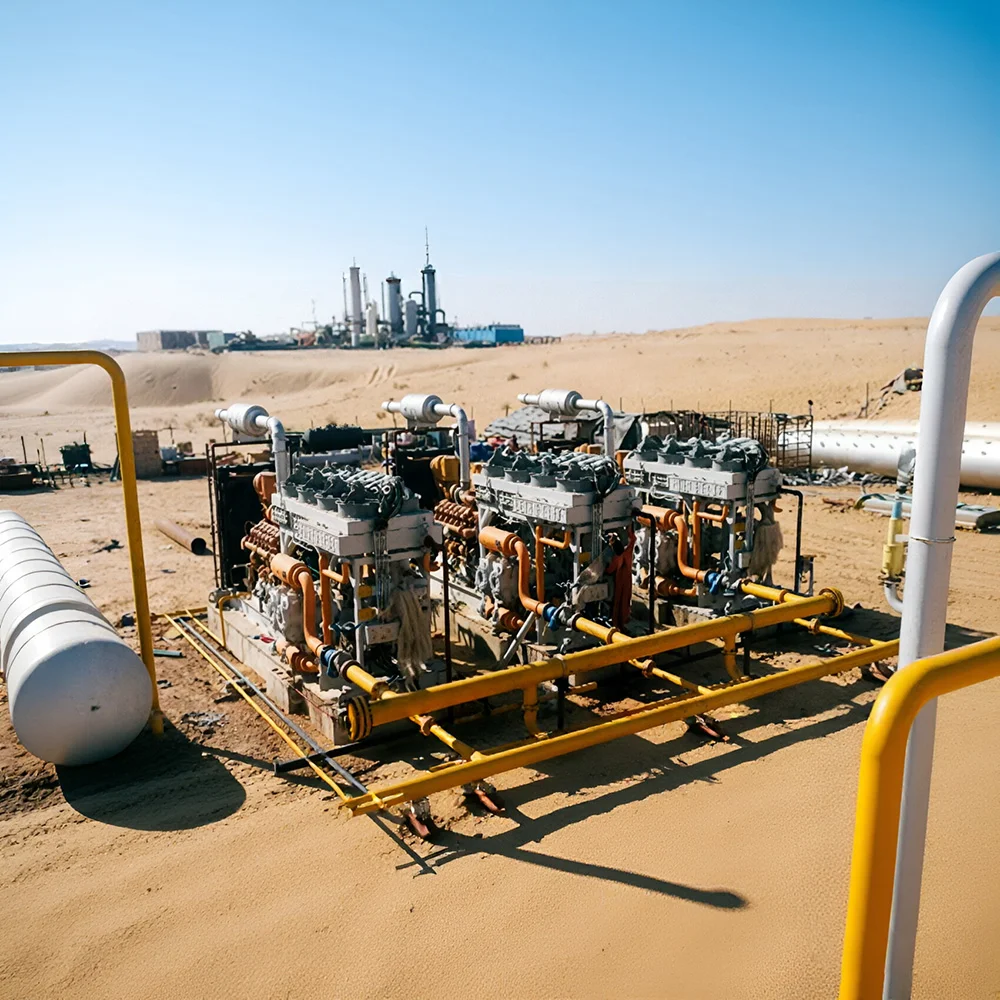
In the oil-rich regions, the presence of complex emulsions requires high-performance demulsifier oil and gas treatment technologies to ensure the purity of extracted hydrocarbons. The harsh climate of the Altiplano demands equipment that can withstand significant temperature fluctuations and low atmospheric pressure.

Currently, there is a strategic shift towards decentralized energy storage. The integration of bio lpg gas systems is becoming essential for rural communities that lack access to the primary pipeline network, driving the need for specialized separation and compression equipment.
Evolution of Gas Compression & Separation in Bolivia

From traditional pipeline dependence to flexible, high-tech storage solutions

Market Development History

From 1990 to 2010, Bolivia primarily focused on large-scale pipeline exports. Technical requirements were centered on massive compressors and basic separation units to maintain flow to neighboring countries.

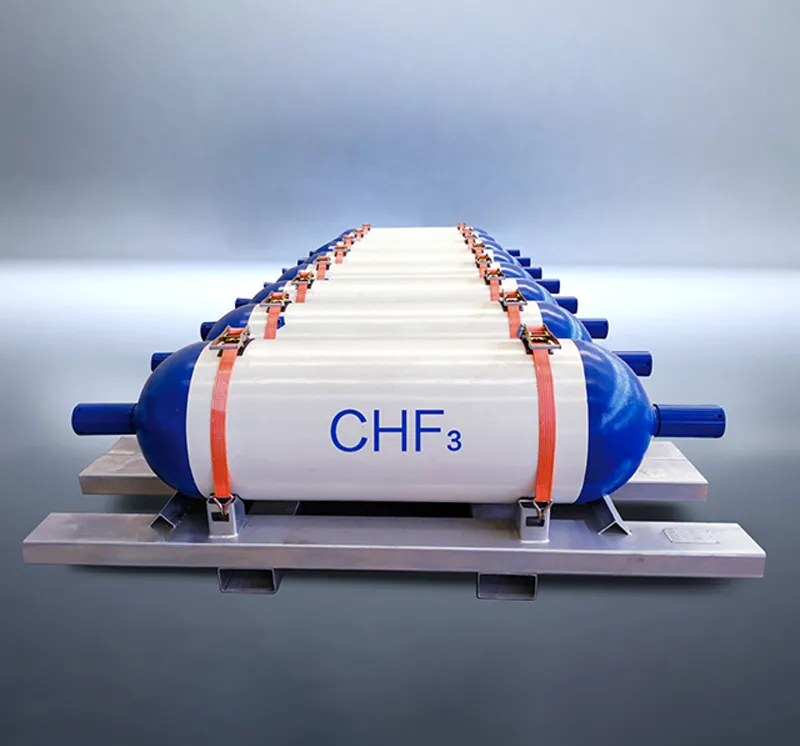
Between 2011 and 2020, a shift toward domestic consumption led to the "Gasification of Transport." This era saw the first widespread adoption of cng cylinder technology, transitioning from heavy steel tanks to lightweight composite materials to handle mountain terrain.

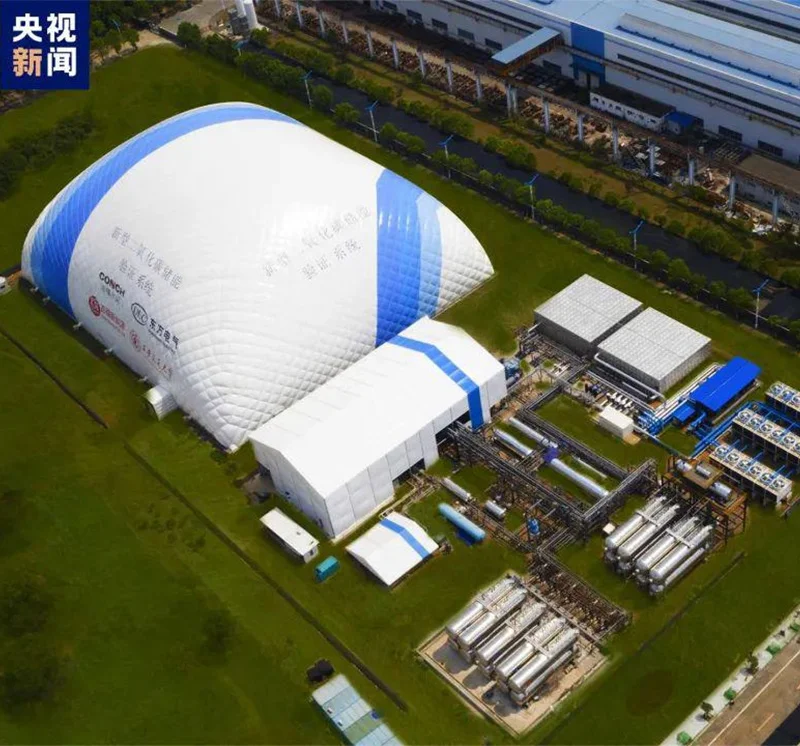
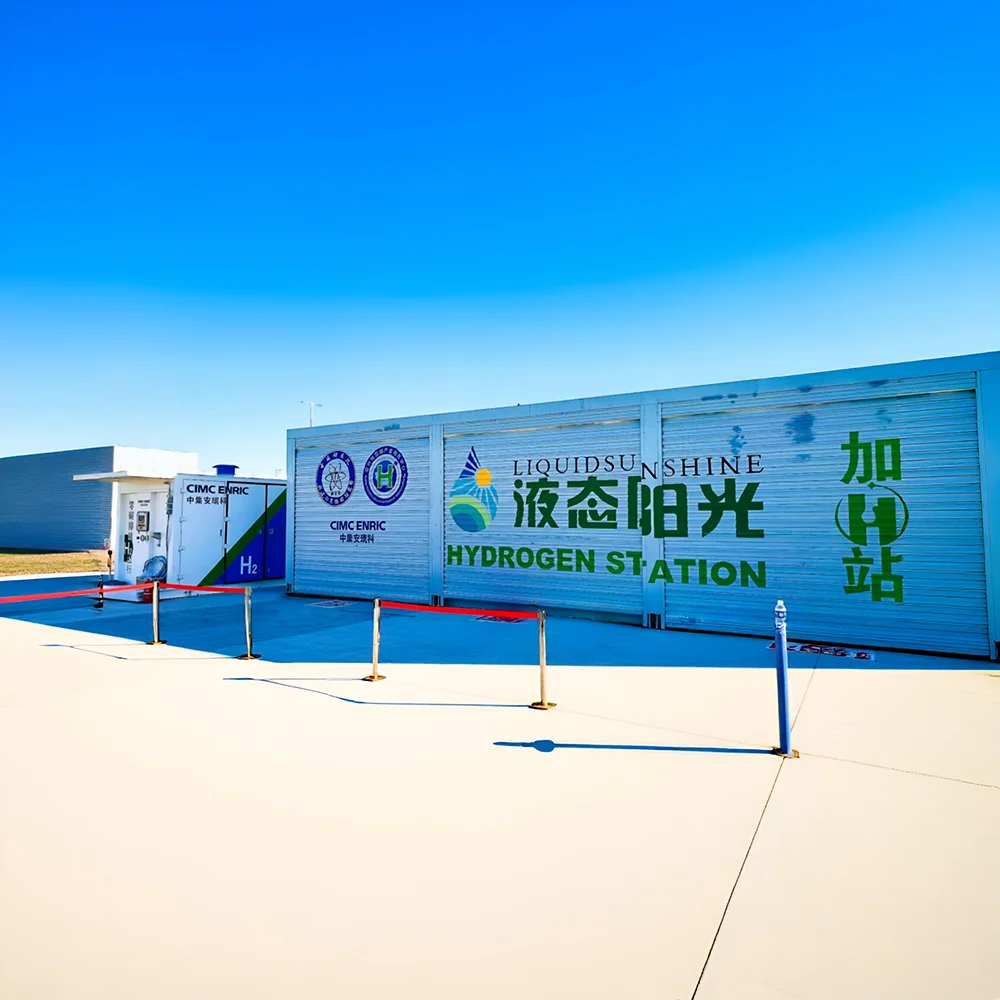
Since 2021, the focus has evolved toward "Green Energy Transition." The industry is now integrating cryogenic technologies and high-pressure hydrogen storage tank designs to support the emerging hydrogen economy and sustainable fuel projects.

Future Development Trends

Cryogenic Optimization

Increasing adoption of small-scale LNG hubs to provide energy to remote mining sites where pipeline installation is economically unfeasible.

Hydrogen Integration

Transitioning from traditional hydrocarbons to hydrogen blends, requiring advanced materials for storage and transport to prevent embrittlement.

Bio-Fuel Separation

Advanced separation processes to refine bio lpg gas from agricultural waste, aligning with Bolivia's sustainability goals.

Industry Trends & Future Outlook

Strategic projections for the Bolivian gas equipment market (2024-2029)

Decarbonization Drive
Shift toward zero-emission fuels, accelerating the installation of hydrogen storage tank units.
Modular Distribution
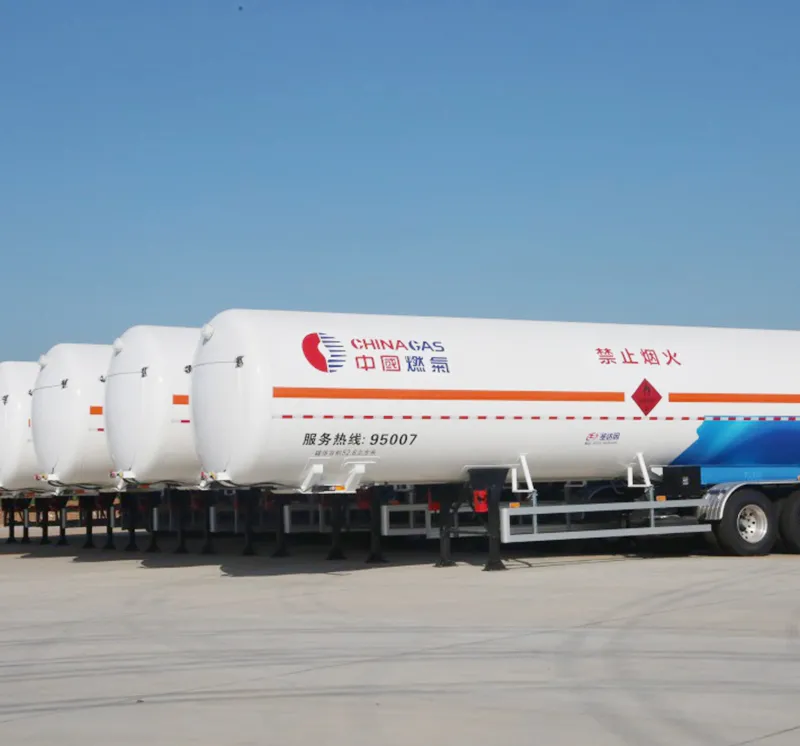
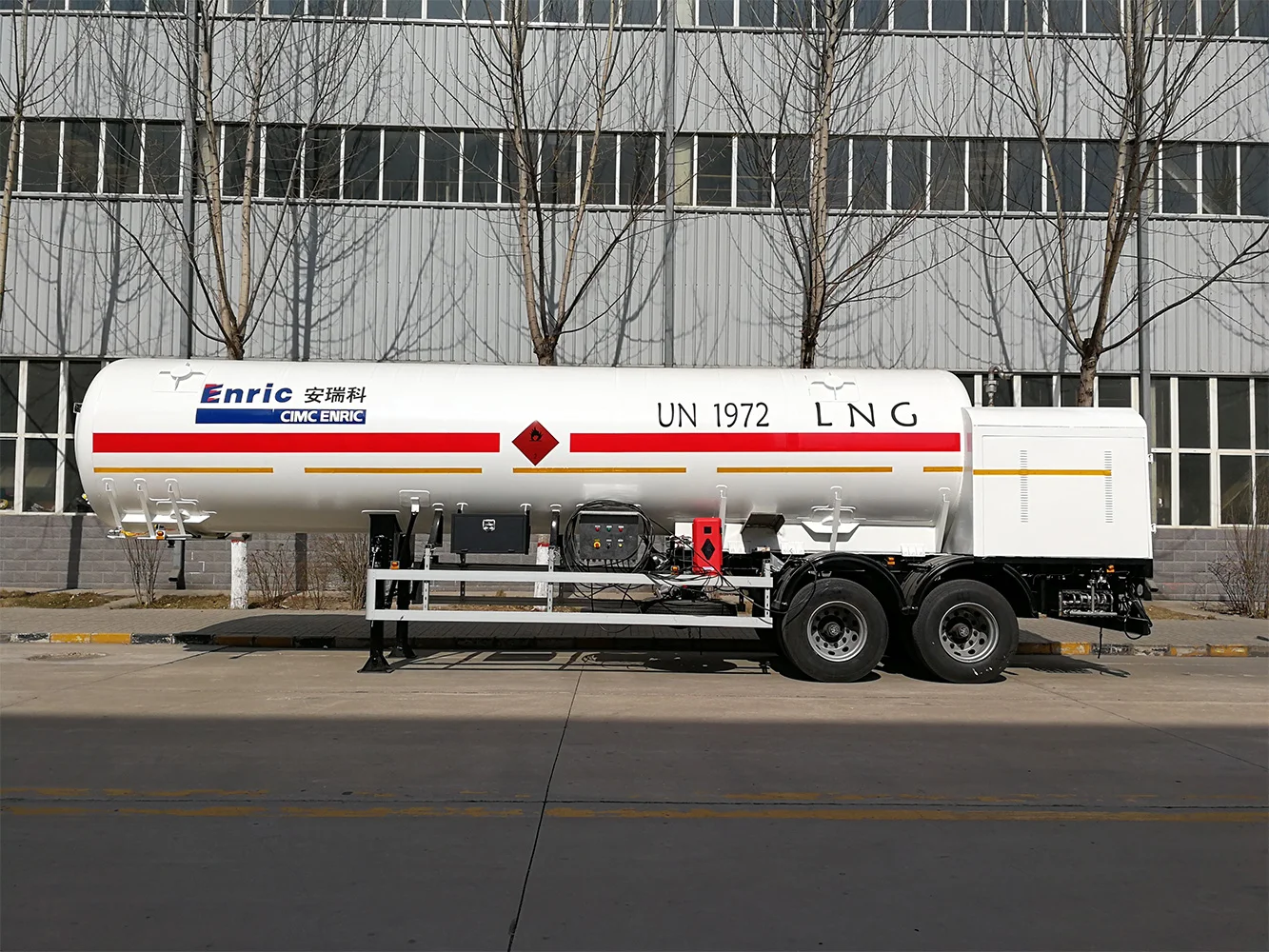
Replacement of fixed pipelines with flexible "virtual pipelines" using high-capacity lng products.
Smart Monitoring
Integration of IoT sensors in gas tanks for real-time leak detection and pressure management.
Efficiency Upgrades
High-precision demulsifier oil and gas systems to maximize output from mature wells.

Industry Outlook

The Bolivian market is expected to see a significant surge in demand for mobile energy solutions. As the government pushes for energy independence in rural areas, the deployment of modular gas separation and storage units will outperform traditional fixed infrastructure.

Search trends indicate a growing interest in sustainable fuels, suggesting that the next 5 years will be dominated by the transition to hydrogen and bio-LNG, requiring a complete upgrade of the current storage and compression fleet.

Localized Application Scenarios in Bolivia

Practical deployment of gas equipment across different Bolivian regions

1. High-Altitude Transport Hubs (La Paz & El Alto)

Implementation of specialized cng cylinder stations designed for low-oxygen environments, ensuring safe filling and stable pressure for urban bus fleets.

2. Santa Cruz Industrial Parks

Installation of large-scale lng products storage and regasification units to power textile and food processing factories with clean energy.

3. Tarija Oil & Gas Extraction Sites

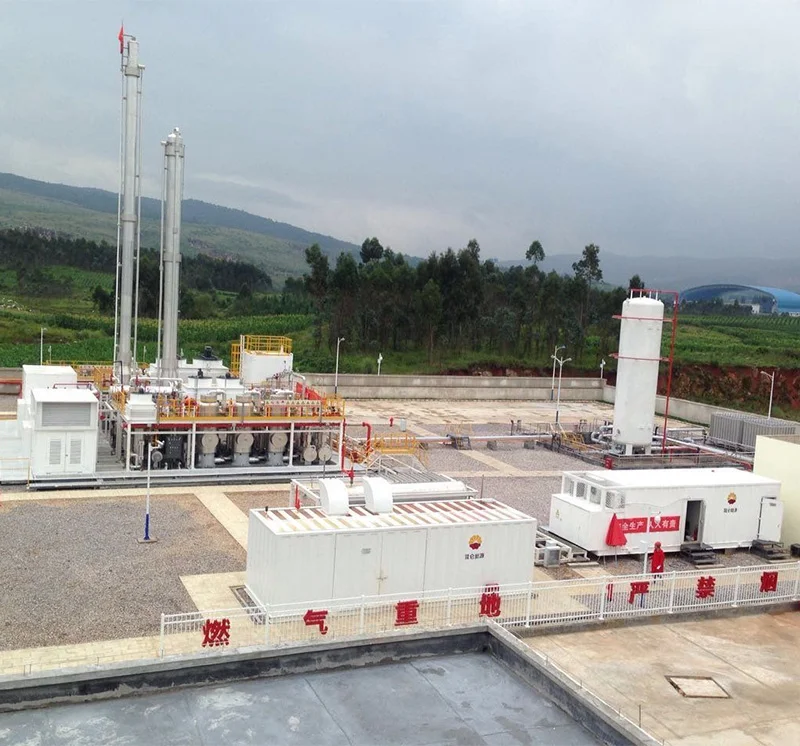
Deployment of integrated demulsifier oil and gas units to treat crude oil and separate associated gas for immediate use or storage.

4. Rural Amazonian Energy Grids

Deployment of decentralized bio lpg gas plants that convert local biomass into fuel, stored in robust, portable tanks for remote community use.

5. Potosí Mining Operations

Introduction of pilot hydrogen storage tank systems to replace heavy diesel generators in deep-mine ventilation and haulage systems.

Brand Story

Global Development Journey of Shijiazhuang Enric Gas Machinery Co., Ltd.

Engineering Foundations

Started with a mission to solve the core pain points of gas leakage and inefficient compression in industrial settings.

Technological Breakthroughs

Developed proprietary high-pressure seal technology that allows equipment to operate in extreme temperatures, from Arctic cold to Andean peaks.

Global Market Expansion

Extended operational footprint to South America, adapting designs to meet local regulatory and geographical standards.

Sustainability Commitment

Pioneered the integration of hydrogen and bio-gas storage solutions to support the global transition to net-zero emissions.

Industry Leadership

Now recognized as a premier provider of specialized gas machinery, delivering reliability and safety to thousands of industrial sites worldwide.

Comprehensive Gas Solutions for the Bolivian Market

From extraction and separation to high-pressure storage and transport

Common Questions for Bolivia's Gas Equipment

Technical guidance and compliance for local operators

How do you ensure cng cylinder safety in high-altitude regions like La Paz?

Our cylinders are engineered with advanced composite materials and reinforced valves that account for the pressure differentials found in high-altitude environments, ensuring structural integrity and leak-proof operation.

What is the efficiency of lng products in rural Bolivian distribution?

Our LNG solutions utilize high-vacuum insulation, reducing boil-off rates significantly during long-distance transport across the Bolivian lowlands, making "virtual pipelines" highly cost-effective.

Can demulsifier oil and gas systems be customized for Tarija's crude?

Yes, we analyze the specific chemical composition of the local crude and emulsion to customize the separation stages and chemical injection rates for maximum purity.

Are hydrogen storage tank systems ready for commercial use in Bolivia?

We provide pilot-ready high-pressure storage tanks that comply with international safety standards, ideal for mining and heavy industrial companies in Bolivia transitioning to hydrogen power.

How is bio lpg gas stored in humid tropical climates?

We use anti-corrosive coatings and specialized moisture-barrier seals on all storage tanks to prevent oxidation and degradation in high-humidity regions like the Amazon basin.

What maintenance cycles are recommended for gas machinery in Bolivia?

Due to dust and temperature swings, we recommend quarterly seal inspections and bi-annual pressure tests to ensure optimal performance and safety compliance.

Optimize Your Gas Infrastructure Today

Get expert consultation for your specialized equipment needs in Bolivia.

Contact Us Now

If you are interested in our products, you can choose to leave your information here, and we will be in touch with you shortly.