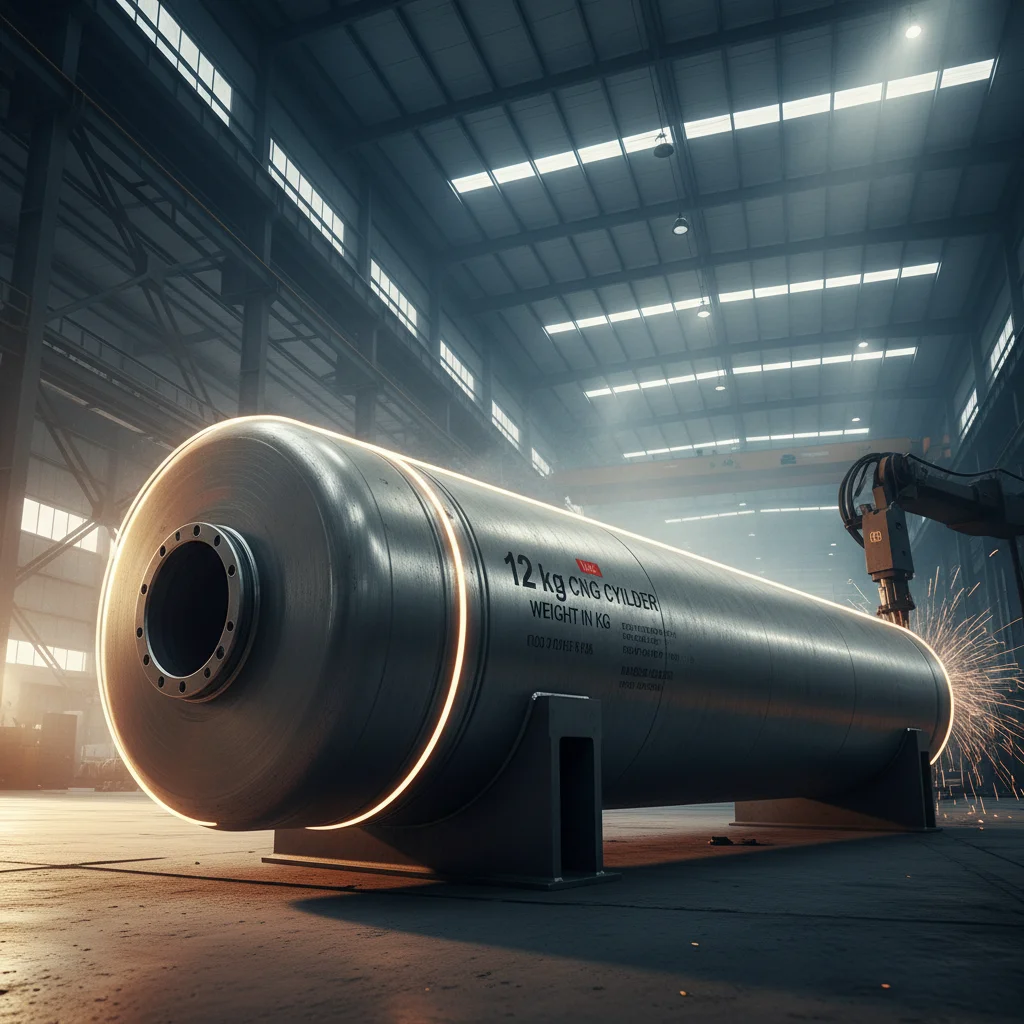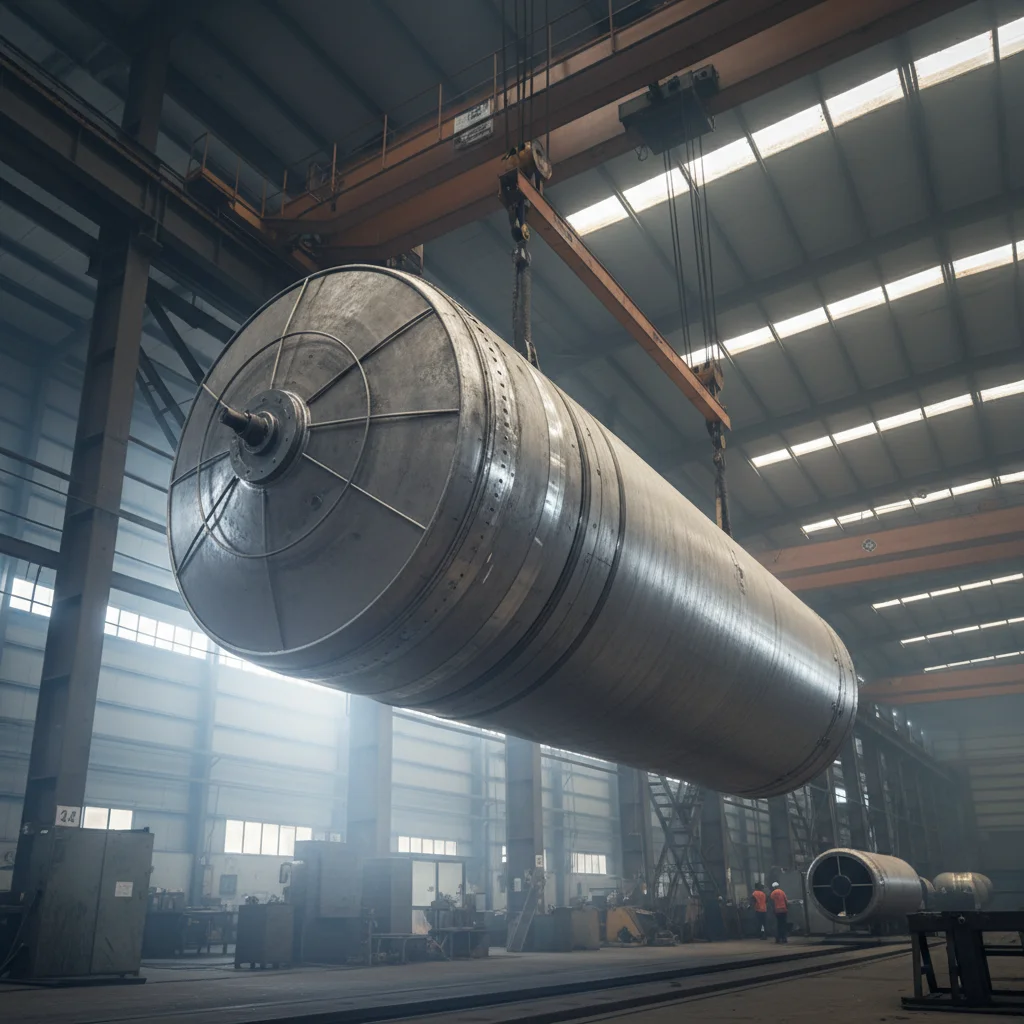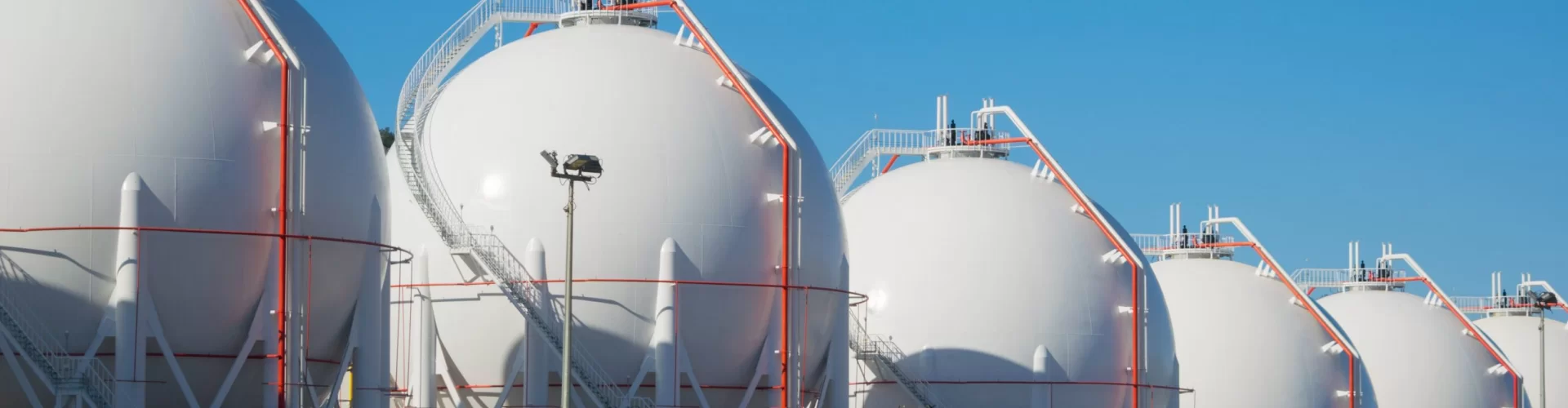
The transition toward sustainable energy has accelerated the demand for efficient gas storage solutions, placing the compact cng cylinder at the forefront of modern industrial logistics. By optimizing the balance between storage volume and structural integrity, these advanced containers allow for the safe transport of compressed natural gas across diverse terrains, reducing the reliance on carbon-intensive fuels.
Globally, the shift toward "Green Energy" and "Hydrogen Energy" requires infrastructure that can handle high pressures without compromising safety or spatial efficiency. A compact cng cylinder addresses these needs by utilizing state-of-the-art composite materials, ensuring that the energy density remains high while the overall weight of the transport vehicle remains manageable.
Understanding the technical nuances of these storage systems is crucial for stakeholders in the chemical and industrial gas sectors. From reducing operational overhead to meeting stringent ISO safety standards, the implementation of a high-quality compact cng cylinder represents a strategic investment in both environmental stewardship and commercial scalability.
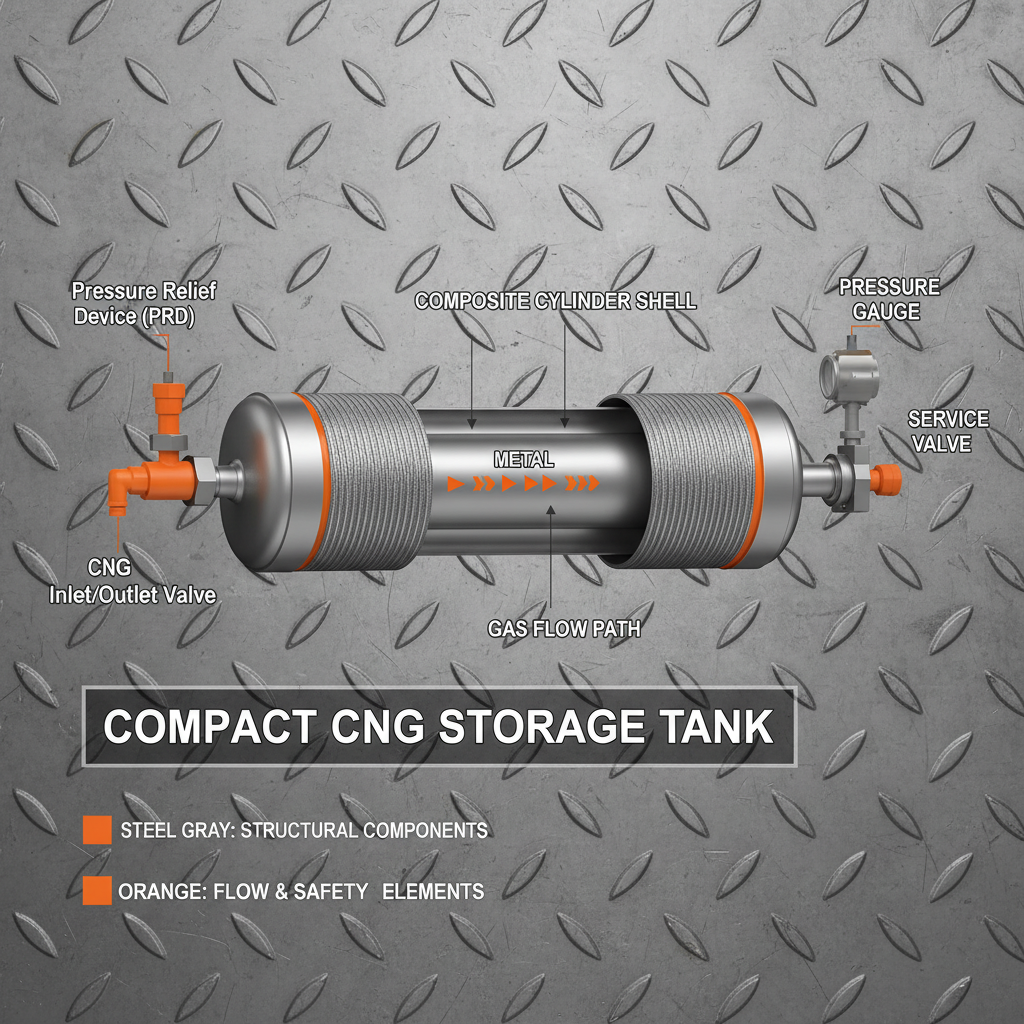
The global energy landscape is undergoing a seismic shift as nations strive to meet the Paris Agreement targets. The compact cng cylinder has emerged as a critical tool in this transition, acting as a bridge between traditional fossil fuels and a fully hydrogen-based economy. By enabling the "virtual pipeline" concept, these cylinders allow natural gas to reach remote areas where permanent pipeline infrastructure is economically unfeasible.
Industry data suggests that the adoption of compressed natural gas (CNG) for heavy-duty transport can reduce NOx emissions by up to 80% compared to diesel. The efficiency of the compact cng cylinder is central to this success, as higher storage densities mean fewer trips and lower logistics costs, making clean energy a viable commercial choice for fleet operators worldwide.
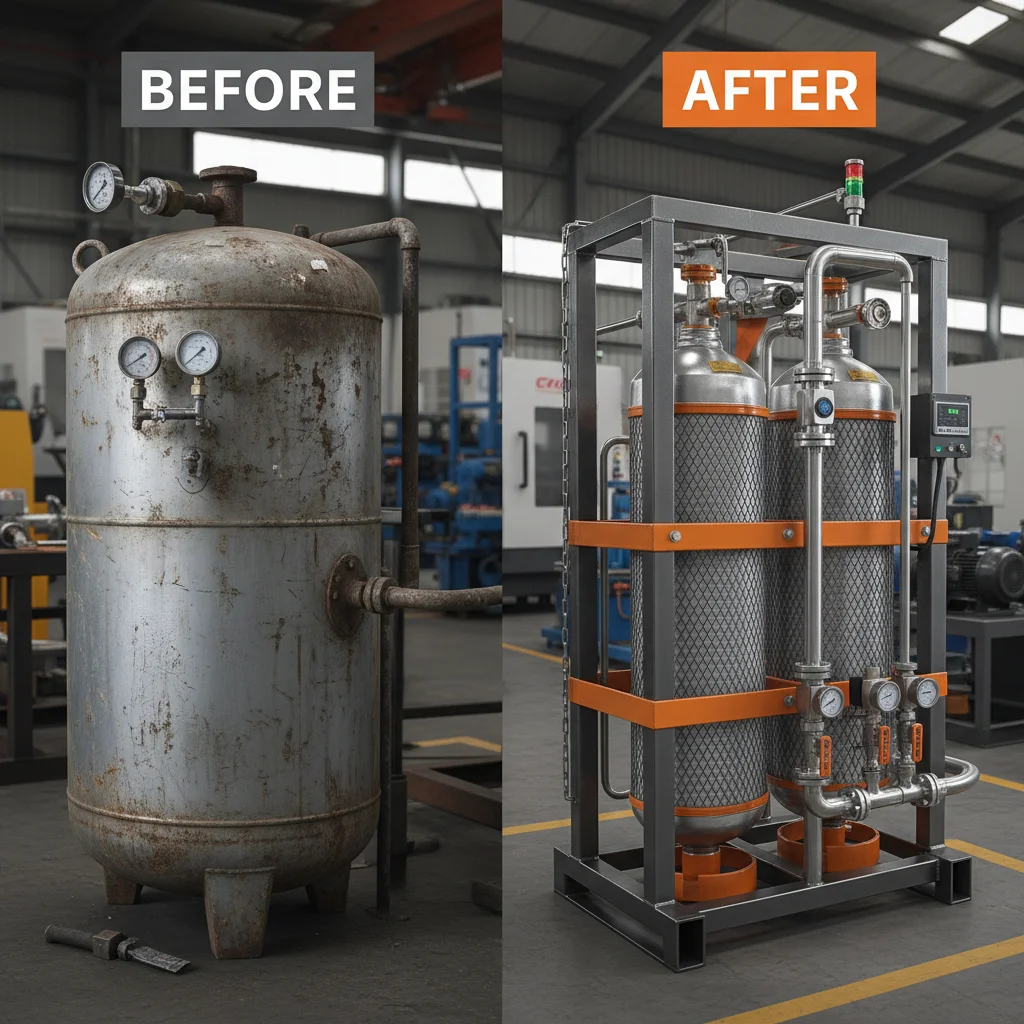
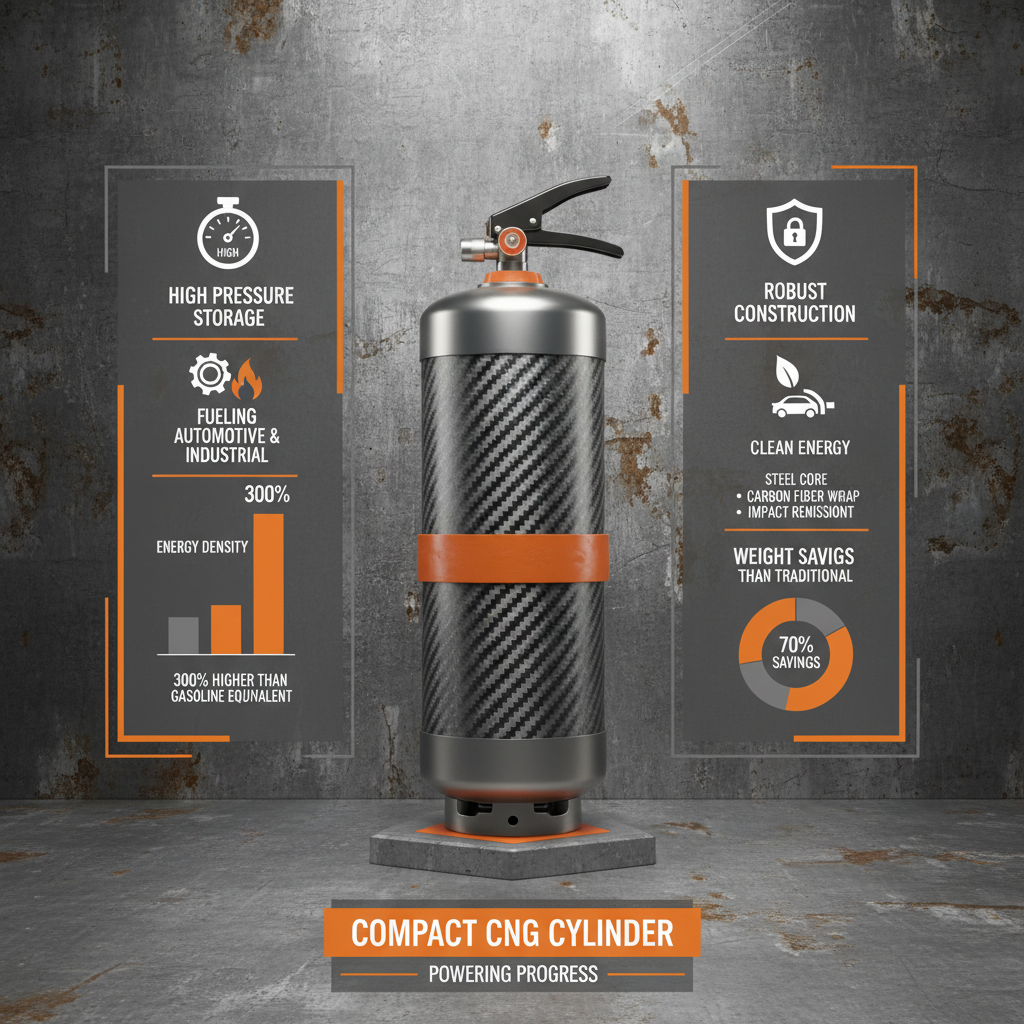
The primary advantage is the weight-to-capacity ratio. A compact CNG cylinder, typically made from composite materials, is significantly lighter than steel while holding the same or more gas. This allows transport vehicles to carry more fuel (increasing range) and reduce the overall vehicle weight, which leads to lower fuel consumption and reduced wear and tear on roads and vehicle components.
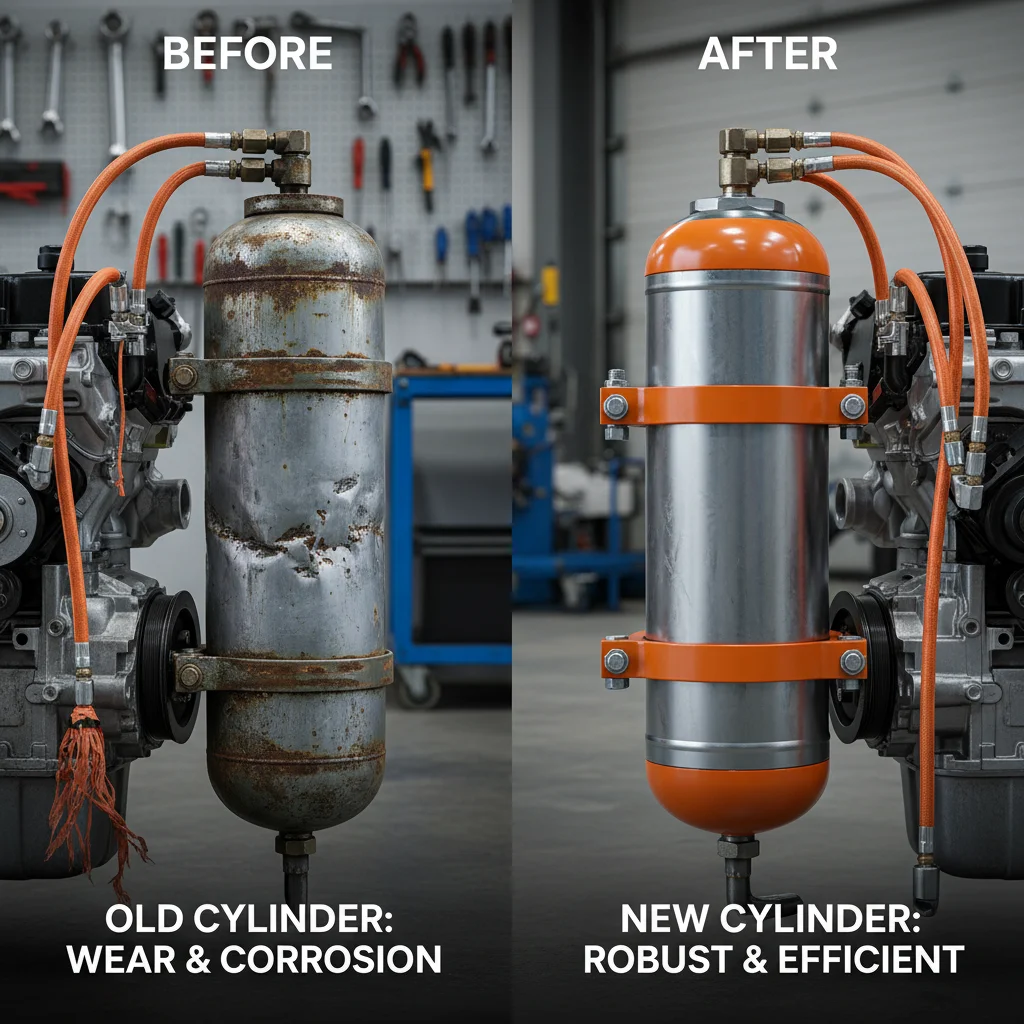
Modern compact CNG cylinders are designed with extreme safety in mind. Unlike steel, which can crack or shatter under intense impact, high-quality composite cylinders are engineered to fail predictably. They often exhibit "leak-before-break" behavior, where the outer wrap may be damaged, but the liner maintains integrity long enough to vent gas slowly rather than experiencing a catastrophic rupture.
Not all CNG cylinders are compatible with hydrogen. Hydrogen molecules are smaller and can permeate materials that are airtight for natural gas. To store hydrogen, a cylinder requires a specialized liner and a more dense composite wrap to prevent "hydrogen embrittlement." However, the latest generation of compact systems is being designed as multi-gas vessels to facilitate future energy transitions.
Depending on the type and the operating environment, a high-quality compact CNG cylinder typically has a service life of 15 to 20 years. To ensure safety, they undergo periodic hydrostatic testing and visual inspections. Composite materials are naturally resistant to corrosion, which often gives them a longer usable lifespan than steel cylinders in humid or coastal environments.
A virtual pipeline uses a fleet of trucks equipped with compact CNG cylinder arrays to move gas from a main pipeline hub to a remote destination. Instead of digging hundreds of miles of trenches for pipes, the gas is compressed into these cylinders and driven to the site. This is a cost-effective way to provide clean energy to remote industrial zones or small towns quickly.
You should ensure that the cylinders comply with international standards such as ISO 11439 (for vehicle fuel containers) or DOT (Department of Transportation) and UN (United Nations) certifications. These certifications guarantee that the cylinder has passed rigorous pressure tests, impact tests, and environmental stress tests, ensuring they are safe for commercial transport across borders.
The integration of the compact cng cylinder into the global energy supply chain is more than a technical upgrade; it is a fundamental shift toward flexible, sustainable, and safe energy logistics. By combining advanced composite materials with precision engineering, these systems resolve the age-old conflict between storage capacity and transport weight, enabling a cleaner transition for industries ranging from heavy transport to specialized chemical manufacturing.
As we look toward a future dominated by hydrogen and carbon-neutral fuels, the lessons learned from the development of the compact cng cylinder will provide the blueprint for the next generation of energy storage. For companies seeking to optimize their operational costs while meeting stringent environmental mandates, investing in high-performance storage technology is no longer optional—it is a strategic imperative. Visit our website for more professional solutions: www.enricgroupsjz.com