Understanding the factors that influence the 10kg cng cylinder price is essential for businesses transitioning toward cleaner energy alternatives. As the global demand for compressed natural gas (CNG) grows, the cost of storage solutions becomes a pivotal point in calculating the total cost of ownership for industrial and automotive fuel systems.
In the broader context of the energy transition, the accessibility of high-pressure storage affects how quickly regions can move away from heavier pollutants. While the term "10kg" often refers to a specific capacity class, the actual pricing is dictated by material science, safety certifications, and the specific technical requirements of the gas being stored, whether it be Natural Gas, Hydrogen, or Helium.
By analyzing the current market trends and technical specifications, operators can make informed decisions that balance upfront investment with long-term durability. This guide explores the intricacies of industrial gas storage, providing a comprehensive look at how technical specifications translate into market value and operational efficiency.

Global Market Dynamics of Gas Storage Cost
The global landscape for compressed gas storage is currently undergoing a massive shift driven by ISO standards and environmental mandates. When evaluating the 10kg cng cylinder price, one must consider that pricing is no longer just about the raw material, but about the certification of safety and the precision of the manufacturing process.
As nations strive for carbon neutrality, the adoption of CNG and Hydrogen has spiked, creating a volatile supply chain for high-strength alloys and composite materials. This global demand fluctuates based on regional energy policies, meaning the cost of acquiring a specific storage unit varies significantly between the European, Asian, and North American markets.
Defining the Value of High-Pressure Cylinders
In simple terms, the value associated with a 10kg capacity gas cylinder is a reflection of its ability to safely contain gas at extreme pressures. Unlike low-pressure tanks, these units are engineered to withstand rigorous stress cycles, meaning the price is a direct proxy for the safety margins and the lifespan of the vessel.
From a humanitarian and industrial perspective, these cylinders enable the transport of critical energy sources to remote areas. Whether it is powering a small generator in a rural clinic or providing fuel for specialized machinery, the "price" is an investment in energy security and operational reliability.
Modern industry views these components as the backbone of "Green Energy" logistics. By optimizing the weight-to-capacity ratio, manufacturers reduce the cost of transport, which indirectly lowers the end-user's operational expenses, making the initial purchase price a smaller part of the overall economic equation.
Core Technical Drivers of Storage Pricing
The primary driver of the 10kg cng cylinder price is the working pressure rating. For instance, storage units designed for Hydrogen (H2) often require higher specifications, such as the 550 Bar pressure ratings seen in high-end industrial cascades, to ensure maximum gas density and safety.
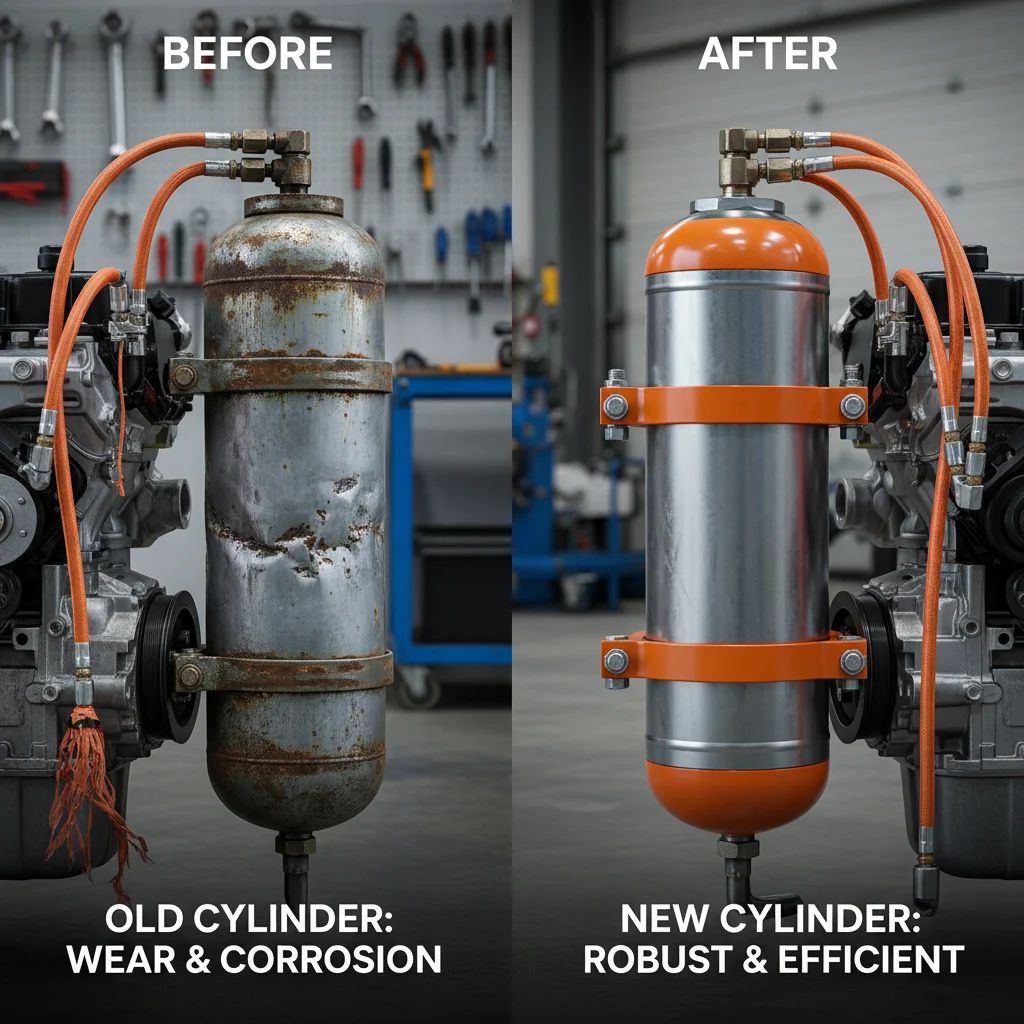
Material selection plays a critical role; the difference between a standard steel cylinder and a composite-wrapped vessel can significantly alter the 10kg cng cylinder price. Higher-grade materials reduce the risk of hydrogen embrittlement and corrosion, extending the service life of the unit.
Furthermore, the total water capacity versus the total gas capacity (measured in M³) dictates the efficiency of the vessel. A unit with a 500-liter water capacity can hold 204 M³ of H2 at 550 Bar, and this level of engineering precision is what ultimately defines the premium pricing of industrial-grade storage.
Comparing Efficiency Across Gas Types
Different gases require vastly different storage environments, which directly impacts the 10kg cng cylinder price. While Nitrogen (N2) or Argon (Ar) may only require a 200 Bar working pressure, Hydrogen requires significantly more robust containment to prevent leakage and structural failure.
When we analyze the storage cascades, we see that the volume of gas stored per liter of water capacity varies. For example, Helium (He) at 200 Bar provides a different storage density compared to H2 at 550 Bar, meaning the "price per unit of gas stored" varies across different chemical applications.
Storage Efficiency and Cost Factors for Gas Types
Industrial Applications and Use Cases
In remote industrial zones, the ability to transport compressed gas via high-pressure cascades is a game-changer. Companies investing in a 10kg cng cylinder price package often do so to eliminate the need for expensive pipeline infrastructure, allowing for flexible, modular energy deployment.
From the electronics industry requiring ultra-pure electronic gases to the automotive sector utilizing CNG for fleet vehicles, these storage solutions provide the necessary bridge between production plants and end-use points. The reliability of the cylinder ensures that production lines remain active without the risk of pressure drops or containment leaks.
Long-Term Value and Sustainability
The real value of high-quality gas storage extends beyond the initial 10kg cng cylinder price. Durable cylinders reduce the frequency of replacements and lower the total cost of maintenance, providing a safer environment for workers and reducing the likelihood of catastrophic failures.
Sustainability is integrated into the design through the use of recyclable materials and energy-efficient filling processes. By maximizing the gas capacity relative to the cylinder's weight, the carbon footprint associated with transporting the fuel is significantly reduced.
Furthermore, trust in the brand and the adherence to international safety standards provide peace of mind. When a company invests in a certified storage system, they are investing in the safety of their personnel and the stability of their operations, which far outweighs the marginal difference in upfront costs.
Future Innovations in Cylinder Technology
The future of the 10kg cng cylinder price will be shaped by the advent of Type IV and Type V composite cylinders. These next-generation vessels utilize plastic liners and carbon fiber reinforcement, offering drastically lower weights and even higher pressure tolerances than traditional steel.
Digital transformation is also entering the storage space with "smart cylinders" equipped with IoT sensors. These sensors can monitor pressure, temperature, and structural integrity in real-time, allowing for predictive maintenance and reducing the risk of unforeseen outages.
As green hydrogen becomes more prevalent, we expect to see a standardization of ultra-high-pressure storage (700 Bar and above), which will initially increase costs but eventually lead to economies of scale that make clean energy more accessible globally.
Comparison of Storage Specifications Across Different Gas Media
| Gas Medium |
Working Pressure (Bar) |
Water Capacity (L) |
Gas Capacity (M³) |
| Hydrogen (H2) High |
550 |
500 |
204 |
| Hydrogen (H2) Mid |
220 |
609 |
14 |
| Argon/Nitrogen (Ar/N2) |
200 |
1410 |
302/271 |
| Helium (He) Standard |
200 |
1100 |
203 |
| Hydrogen (H2) Ultra |
400 |
3000 |
1033 |
| Custom Industrial Mix |
300 |
1200 |
250 |
FAQS
The price is primarily driven by the working pressure (e.g., 200 Bar vs 550 Bar), the material used (steel vs composite), and the gas type being stored. Higher pressure ratings and specialized materials to prevent gas leakage or embrittlement increase the manufacturing cost and the final price.
Not necessarily, but it often indicates a higher safety certification, better material grade, or a higher working pressure capacity. For users who only need low-pressure storage, a premium high-pressure cylinder may be an unnecessary expense, but for Hydrogen or CNG, the higher price usually reflects critical safety engineering.
Water capacity refers to the internal volume of the cylinder. A larger water capacity allows for more gas to be stored at a given pressure. Since more material is required to build a larger vessel that can still withstand high pressure, water capacity is a direct variable in calculating the total cost.
While some cylinders are versatile, others are specifically designed for certain gases. Hydrogen, for example, requires materials that resist embrittlement. Always check the technical specifications and certifications to ensure the cylinder is rated for the specific medium you intend to store to avoid safety risks.
Inspection intervals vary by local regulation and ISO standards, but typically, a comprehensive safety check and pressure test are required every 2 to 5 years. Regular maintenance helps maintain the value of the investment and ensures the ongoing safety of the facility.
For bulk industrial orders, it is best to contact direct manufacturers who can offer customized cascade solutions and volume discounts. Visiting specialized providers like www.enricgroupsjz.com can provide you with a detailed quote based on your specific pressure and capacity requirements.
Conclusion
Evaluating the 10kg cng cylinder price requires a holistic understanding of the relationship between material science, working pressure, and gas capacity. From the 200 Bar requirements of Argon to the 550 Bar demands of Hydrogen, the cost is a reflection of the engineering necessary to ensure absolute safety and maximum efficiency in energy transport.
As we move toward a future dominated by green energy and high-efficiency industrial gases, investing in high-quality, certified storage solutions is not just a matter of cost, but a strategic move for sustainability and safety. We encourage operators to prioritize technical specifications and long-term reliability over the lowest initial price to ensure operational excellence. Visit our website for more information: www.enricgroupsjz.com