news

Advanced Energy Storage Solutions for hydrogen storage tank in Kazakhstan

Driving the industrial evolution of Central Asia through high-pressure gas compression and separation technologies tailored for extreme climates.

Advanced Energy Storage Solutions for hydrogen storage tank in Kazakhstan

Providing cutting-edge gas separation and storage infrastructure to optimize the energy landscape of Kazakhstan's industrial heartland.

Industrial Gas Infrastructure Status in Kazakhstan

Analyzing the challenges of gas storage and processing in Central Asia's continental climate.

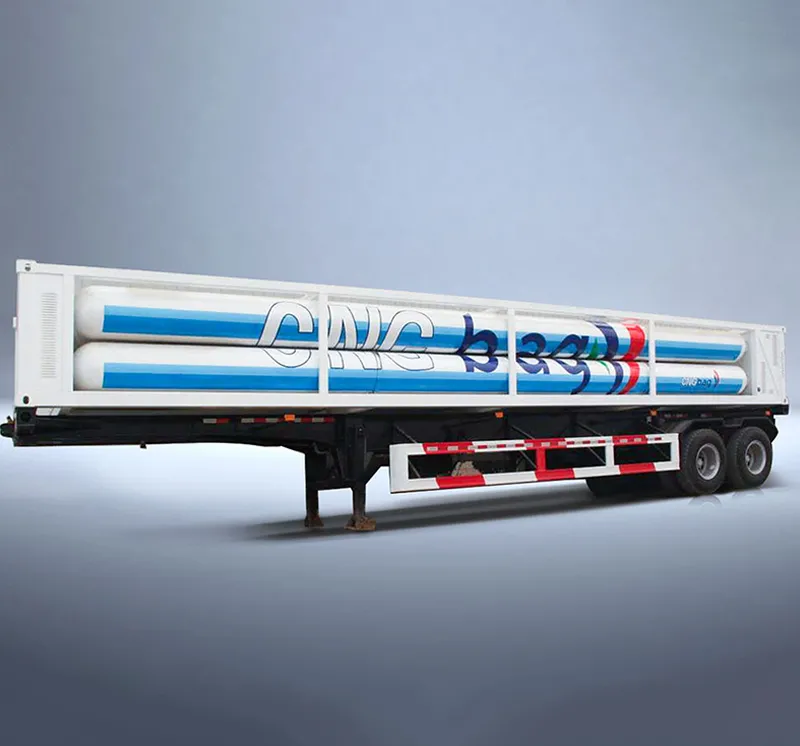
Kazakhstan's energy sector is currently navigating a transition from traditional pipeline dependency to diversified storage. The vast geography and extreme temperature fluctuations—ranging from -40°C in winter to +40°C in summer—place immense stress on cng cylinder materials, requiring specialized alloys to prevent brittle fracture and ensure safety.

In the oil-rich regions of the Caspian basin, the demand for high-efficiency demulsifier oil and gas processing equipment has surged. The local industry struggles with complex emulsion separation in crude oil extraction, necessitating advanced chemical-mechanical separation technologies to maintain production purity.

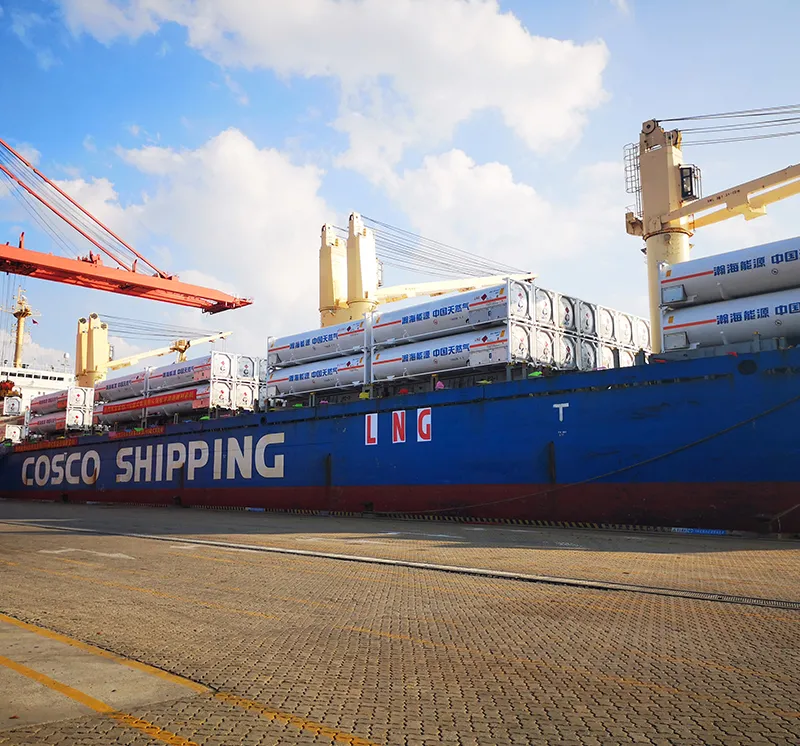
Furthermore, the shift towards green energy has sparked an early interest in lng products to power remote mining sites and industrial hubs, reducing the reliance on diesel and aligning with the nation's decarbonization goals.
Evolution of Gas Compression Technology

From heavy industrial boilers to smart, modular energy storage systems.

Market Development History

During the early 2000s, Kazakhstan's gas infrastructure relied heavily on Soviet-era legacy systems, focusing primarily on raw extraction with minimal on-site separation or specialized storage capabilities.

Between 2010 and 2020, the introduction of international standards led to the adoption of Type I and Type II steel cylinders, marking the first phase of modernized cng cylinder distribution for transport and industrial use.

Since 2021, the trajectory has shifted toward high-performance composites and cryogenic technologies, enabling the rapid deployment of lng products to stabilize energy costs in the steppes.

Future Development Trends

Transition to Hydrogen Economy

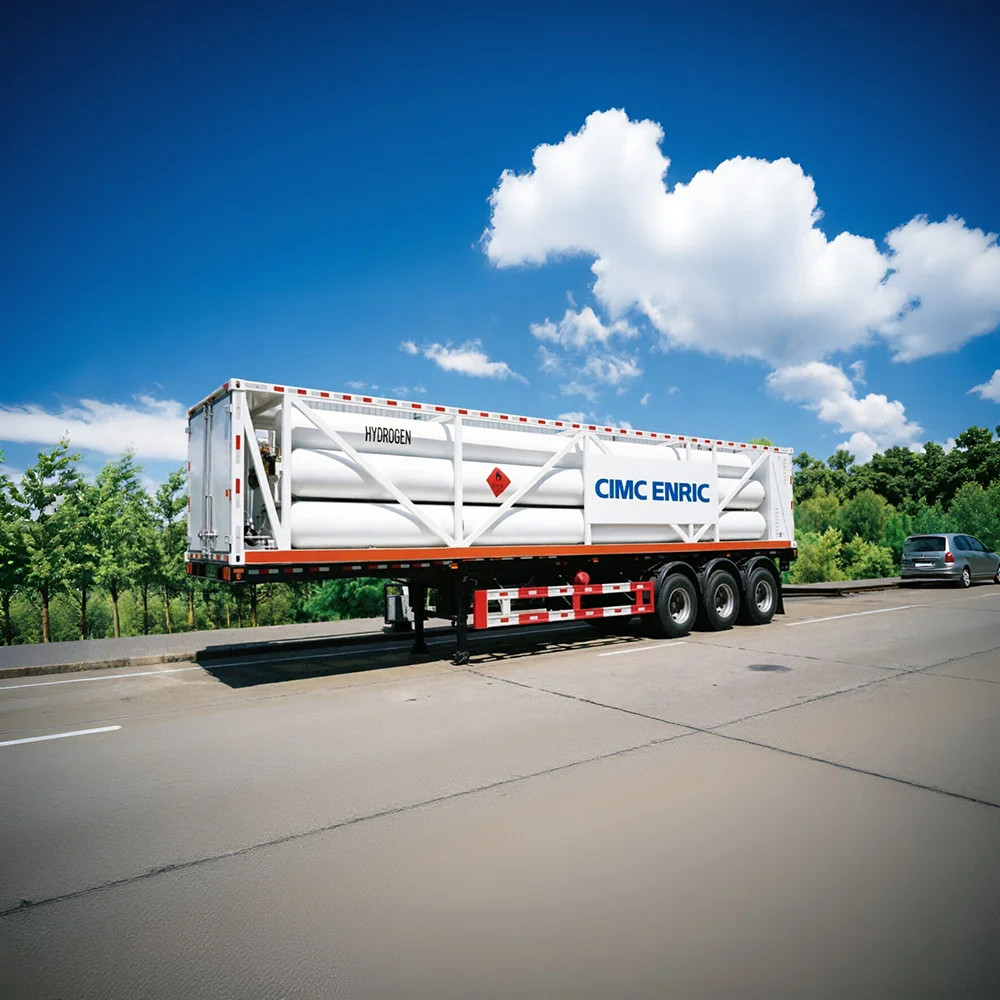
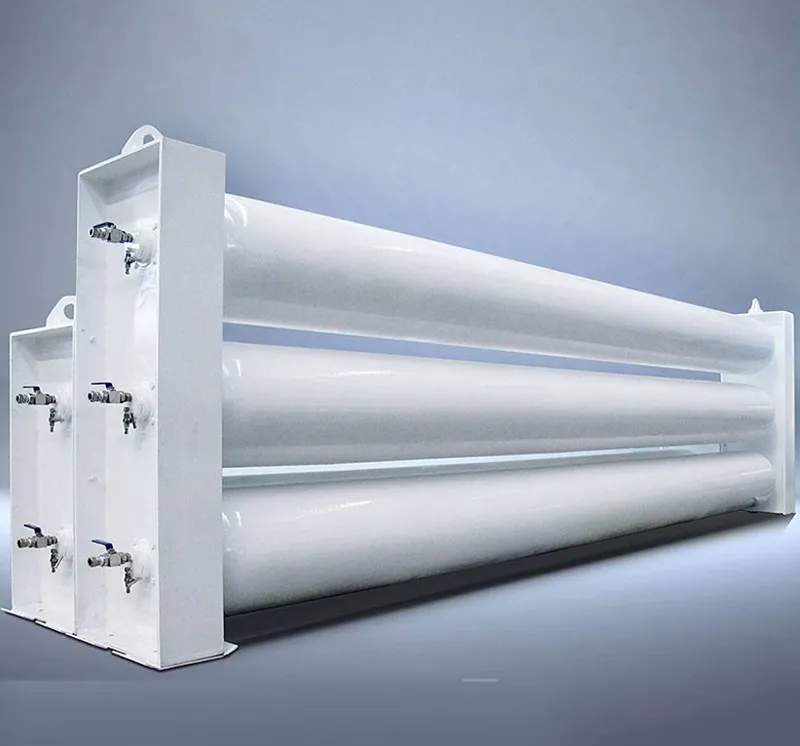
Integration of carbon-fiber reinforced hydrogen storage tank systems to support the emerging green hydrogen pilots in the Aktobe and Mangystau regions.

Sustainable Bio-Energy Integration

The rise of agricultural waste processing is creating a new market for bio lpg gas recovery systems, transforming organic waste into transportable energy.

Digitalized Pressure Management

Implementation of IoT-enabled monitoring for high-pressure vessels to predict fatigue and leakages in real-time under harsh climatic conditions.

Strategic Trends and Future Outlook

Forecasting the next 5 years of gas equipment innovation in Central Asia.

Cryogenic Modularization
Shift towards plug-and-play LNG modules to reduce installation time in remote Kazakh regions.
High-Pressure Composites
Replacing heavy steel with Type IV composites to increase payload efficiency for CNG transport.
Green Gas Synthesis
Integration of bio-methanation to produce high-purity bio LPG from agricultural waste.
AI-Driven Separation
Using neural networks to optimize demulsifier dosing in oil-gas separation units.

Industry Outlook

The outlook for Kazakhstan is strongly tied to its strategic role as a transit hub for energy. We anticipate a 15% annual growth in the demand for high-pressure storage solutions as the country integrates its gas grids with global markets.

The pivot toward "Hydrogen Valleys" will require a complete overhaul of current storage standards, moving from traditional steel to advanced carbon-composite vessels to handle the unique permeability of hydrogen molecules.

Local Application Scenarios in Kazakhstan

Real-world deployments of gas compression and separation equipment.

01. Remote Mining Power Supply

Deploying modular lng products to provide stable, low-emission electricity for gold and uranium mines in the Kazakh Steppe, eliminating expensive diesel transport.

02. Caspian Basin Oil Processing

Installing high-capacity demulsifier oil and gas separation units to handle high-salinity produced water, increasing crude oil recovery rates.

03. Urban CNG Transition

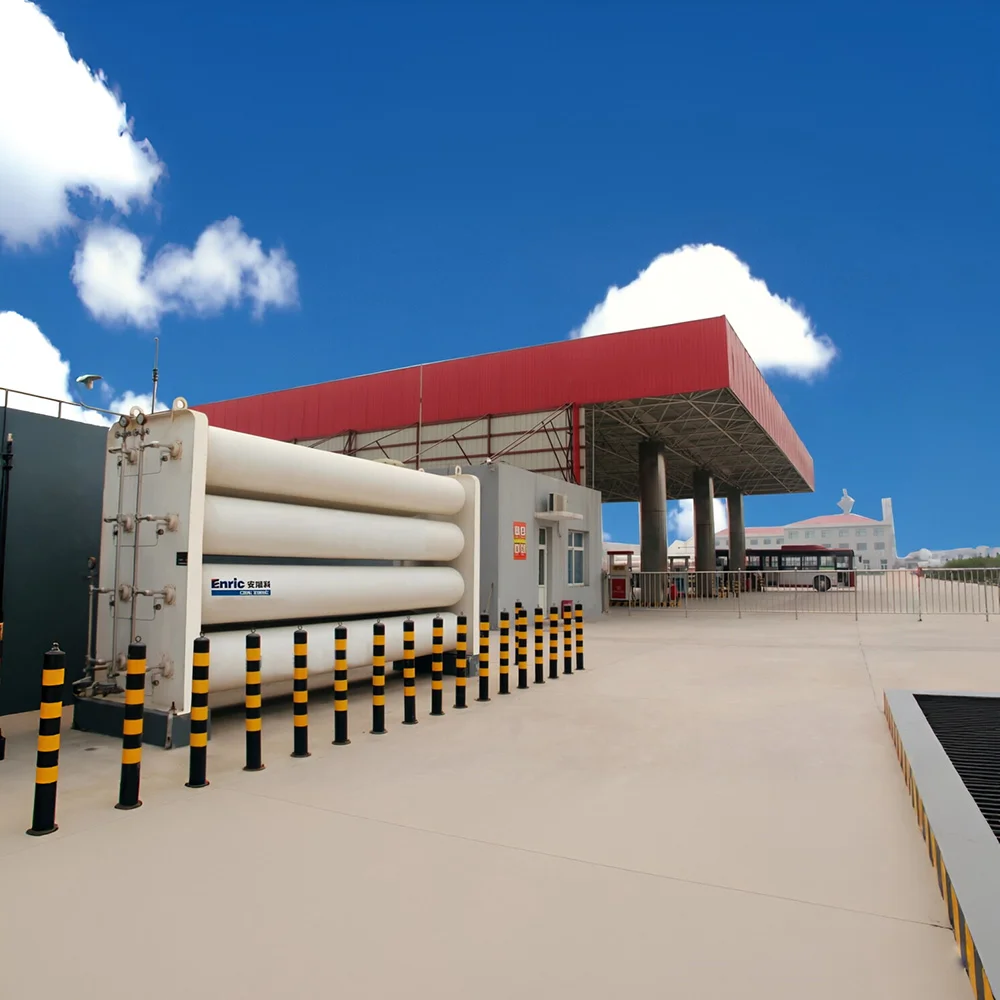
Replacing aging urban heating pipelines with high-pressure cng cylinder banks for peak-shaving during extreme winter temperature drops.

04. Agricultural Energy Circularity

Implementing bio lpg gas extraction plants in northern farming regions to convert biomass into fuel for farm machinery.

05. Hydrogen Pilot Stations

Establishing the first network of hydrogen storage tank hubs for heavy-duty freight transport between Almaty and Astana.

Brand Story

Global Development History of Shijiazhuang Enric Gas Machinery Co., Ltd.

Founding Vision

Established with the mission to solve critical pressure failures in industrial gas storage, focusing on high-precision engineering.

Technological Breakthrough

Developed proprietary composite winding technology, significantly reducing vessel weight while increasing safety factors.

Market Expansion

Entered the Central Asian market, adapting equipment to withstand the extreme thermal cycles of the Kazakhstan region.

Green Energy Pivot

Launched a dedicated R&D line for hydrogen and bio-gas storage to support the global net-zero transition.

Industry Leadership

Now recognized as a premier provider of integrated gas separation and compression solutions globally.

Complete Gas Equipment Portfolio for Kazakhstan

Integrated solutions from extraction separation to final energy storage.

Common Technical Questions in Kazakhstan

Expert answers to regional gas infrastructure challenges.

How do CNG cylinder materials handle -40°C temperatures in Kazakhstan?

We use low-temperature impact-tested alloys and advanced polymer liners that maintain ductility and structural integrity, preventing stress-corrosion cracking in extreme cold.

What is the efficiency of your demulsifier oil and gas separation systems?

Our systems achieve up to 99.5% separation efficiency, utilizing a combination of centrifugal force and optimized chemical dosing to remove water from heavy Kazakh crude.

Can hydrogen storage tank systems be safely transported over long distances?

Yes, our tanks are designed with multi-layered safety shells and integrated pressure relief valves, meeting international ISO and ASME standards for safe transit across rugged terrain.

Are your LNG products compatible with existing Kazakh fueling stations?

Our products use universal coupling interfaces and standard cryogenic valves, ensuring seamless integration with both local and international LNG infrastructure.

How does bio LPG gas recovery compare to traditional LPG extraction?

Bio LPG recovery utilizes anaerobic digestion and specialized compression, providing a carbon-neutral alternative that reduces operational costs for agricultural enterprises.

What maintenance cycle is recommended for high-pressure tanks in Central Asia?

Due to extreme thermal expansion and contraction, we recommend a comprehensive ultrasonic thickness test and valve calibration every 24 months.

Consult Our Kazakhstan Energy Experts

Get tailored technical specifications for your gas infrastructure projects in Kazakhstan.

Contact Us Now

If you are interested in our products, you can choose to leave your information here, and we will be in touch with you shortly.