news

High-Performance hydrogen storage tank Solutions for Russia

Advanced gas compression and separation equipment engineered for extreme climates and industrial scale energy transitions across the Russian Federation.

High-Performance hydrogen storage tank Solutions for Russia

Providing the core infrastructure for Russia's shift towards clean energy through specialized pressure vessel manufacturing and gas separation technology.

Industrial Gas Infrastructure Landscape in Russia

Analyzing the intersection of extreme Siberian climates and the demand for high-pressure gas equipment.

Russia's vast geography and extreme temperature fluctuations demand specialized engineering for lng products. In regions where temperatures drop below -50°C, material embrittlement becomes a critical failure point, requiring advanced alloy steel and composite materials to ensure the structural integrity of storage systems.

The current industrial state is characterized by a heavy reliance on traditional pipeline networks, but there is a rapid surge in demand for mobile refueling solutions. The adoption of cng cylinder technology is expanding to bridge the gap in remote areas where pipeline infrastructure is economically unfeasible.

Furthermore, the upstream oil and gas sector in Western Siberia continues to face challenges with water-in-oil emulsions. The strategic deployment of demulsifier oil and gas treatments is essential for maintaining the purity of hydrocarbons and protecting downstream separation equipment from corrosion.
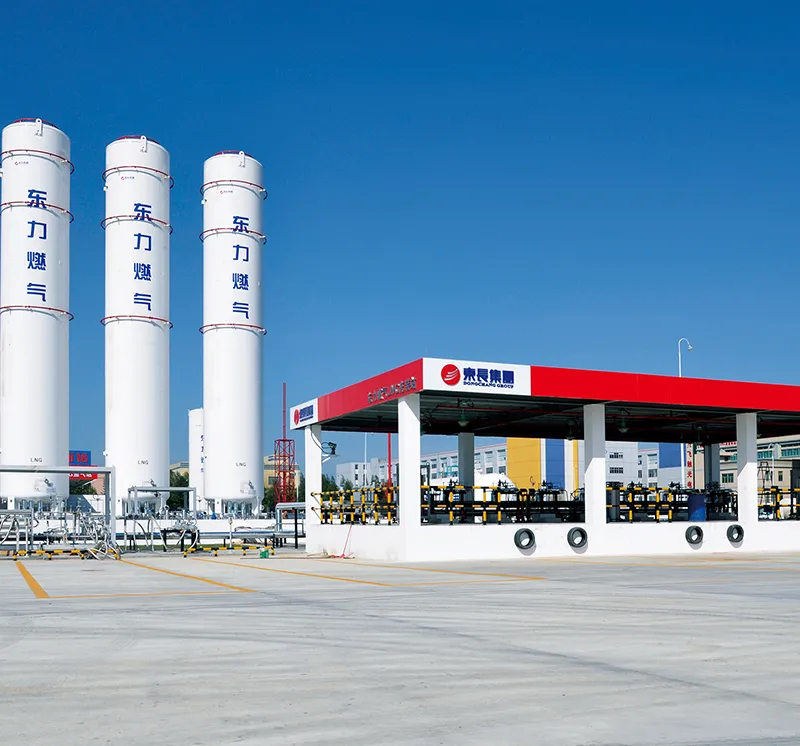
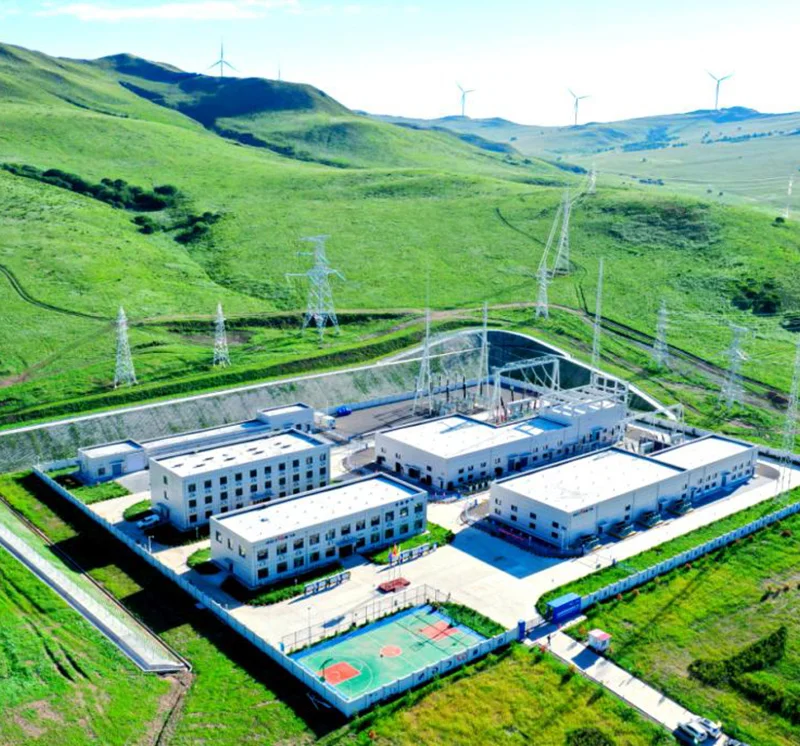
Evolution of Gas Compression & Separation

From legacy Soviet-era heavy machinery to modern, digitally-controlled energy storage.

Market Development History

From 1970 to 2000, the Russian market was dominated by massive, centralized compression stations focusing on raw natural gas extraction. Technology was characterized by heavy steel shells and manual valve control, prioritizing volume over energy efficiency.

Between 2000 and 2015, the industry shifted toward diversification. We saw the introduction of modular lng products, allowing for "virtual pipelines" to transport energy to isolated Arctic settlements and mining hubs.

Since 2016, the focus has transitioned to high-pressure purity and sustainable fuels. The integration of carbon-fiber composites in storage has revolutionized weight-to-capacity ratios, paving the way for the current hydrogen economy.

Future Development Trends

Decarbonization via Bio-Energy

There is a growing trajectory toward the integration of bio lpg gas to reduce the carbon footprint of rural heating and transport, aligning with global ESG standards.

Hydrogen Hub Integration

The focus is shifting toward large-scale hydrogen storage tank arrays to support industrial clusters in the Ural region, focusing on zero-emission metallurgy.

Smart Monitoring Systems

IoT-enabled pressure sensing and real-time leak detection are becoming standard to ensure safety in the harsh Russian tundra, reducing maintenance downtime by 30%.

Future Outlook for Russia's Energy Equipment

Predicting the 3-5 year trajectory based on energy security and technological convergence.

Cryogenic Optimization
Development of ultra-low temperature vacuum insulation for LNG transport to prevent boil-off in Arctic transit.
Composite Lightweighting
Transitioning from Type 1 steel cylinders to Type 4 composite shells for higher pressure capacity and safety.
Modular Gas Plants
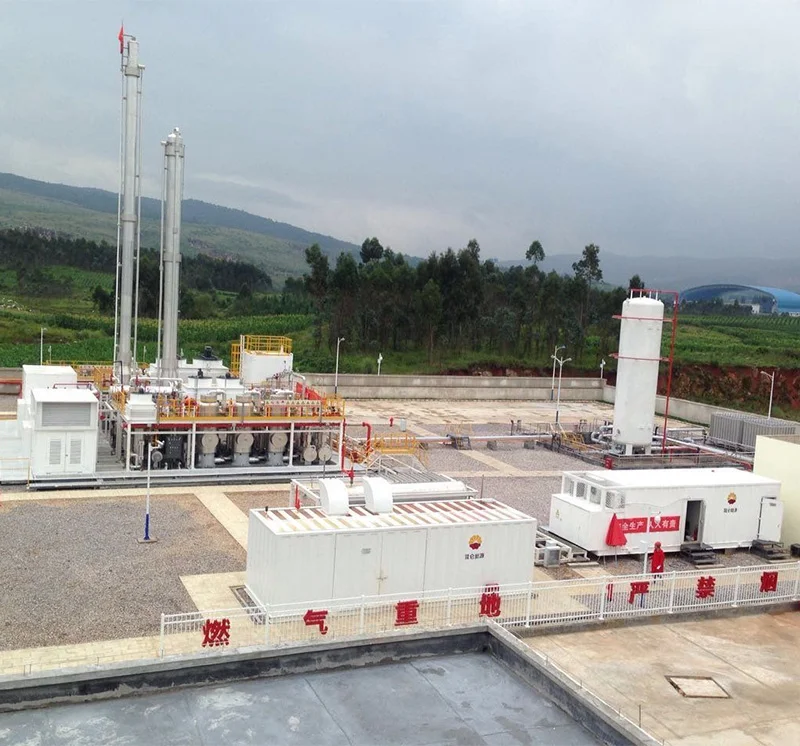
Pre-fabricated skid-mounted compression units for rapid deployment in remote Siberian oil fields.
H2 Value Chain
Developing a complete ecosystem from electrolysis to high-pressure storage for heavy-duty transport.

Industry Outlook

Based on Google search trends for "industrial hydrogen" and "LNG bunkering" in the Russian region, there is a clear shift toward decentralized energy storage. The integration of smart grids with high-pressure storage allows for better peak-shaving in industrial power consumption.

The next five years will see a convergence of mechanical engineering and digital twin technology. We expect the widespread implementation of predictive maintenance for pressure vessels, reducing the risk of catastrophic failure in extreme temperature environments.

Localized Applications in Russia

Practical implementations of gas technology in diverse Russian industrial environments.

01. Arctic LNG Bunkering Stations

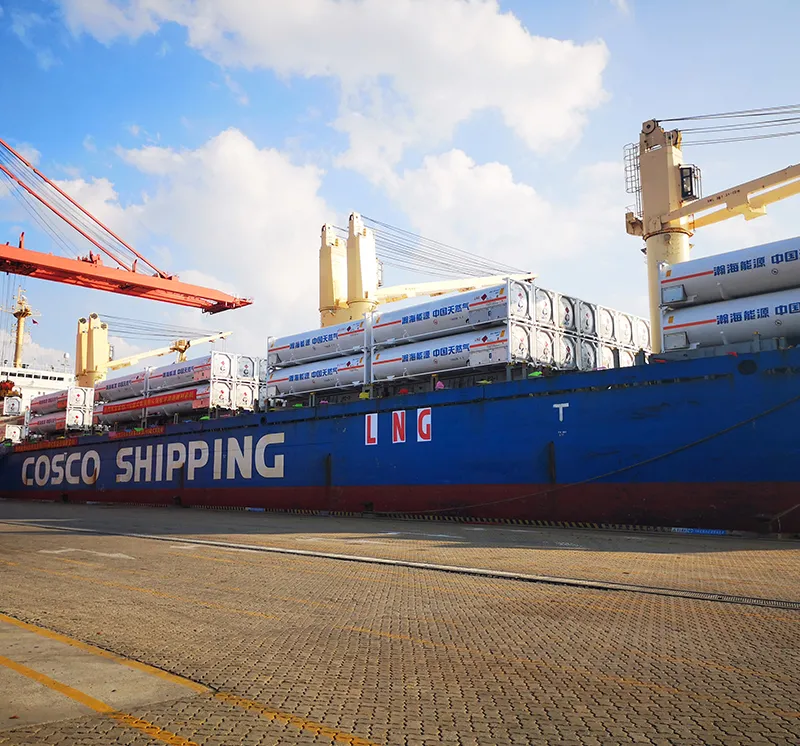
Utilizing specialized cryogenic lng products to provide fueling infrastructure for ice-breaking tankers and coastal shipping in the Northern Sea Route.

02. Remote Siberian CNG Refueling

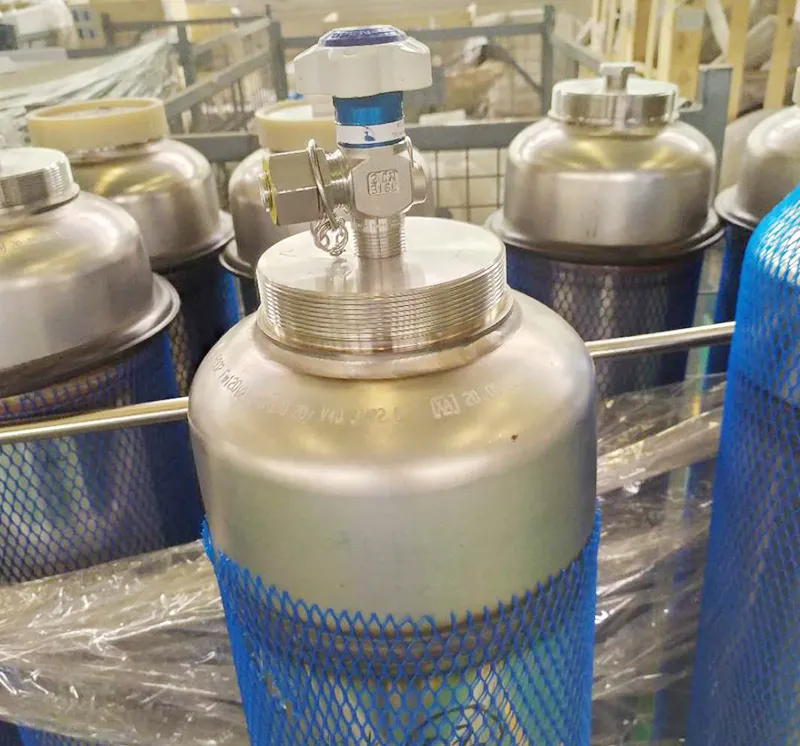
Deployment of high-capacity cng cylinder cascades for heavy-duty trucking fleets operating between Yakutsk and Magadan.

03. Ural Metallurgy H2 Storage

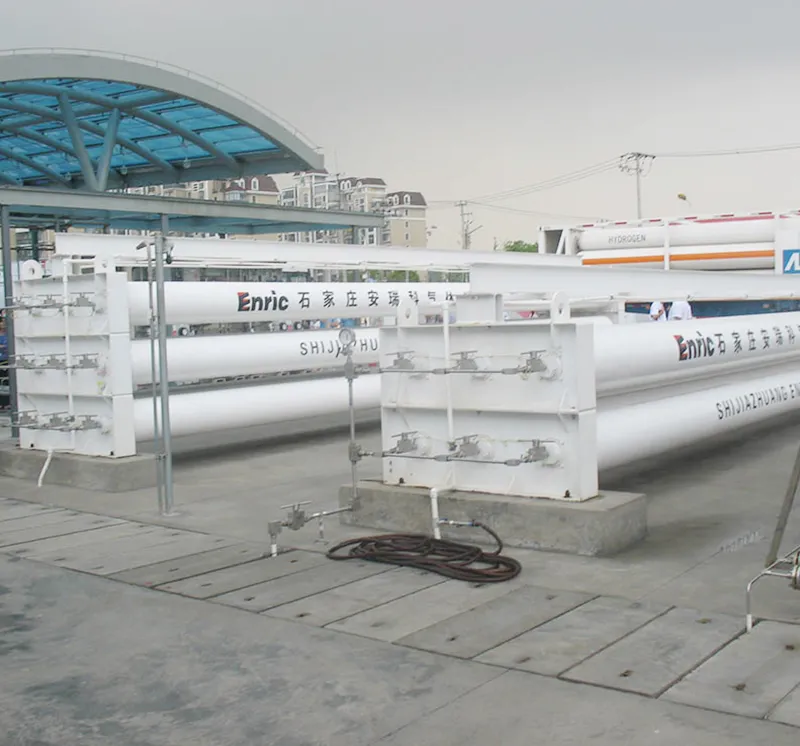
Installing industrial-grade hydrogen storage tank systems for the transition to green steel production in the Ural industrial heartland.

04. West Siberian Oil Separation

Applying advanced demulsifier oil and gas solutions at the wellhead to separate water and salts from crude oil in high-viscosity reservoirs.

05. Agricultural Bio-Energy Hubs

Developing rural distribution networks for bio lpg gas to provide sustainable heating for livestock farms in the southern steppes.

Brand Story

The Global Development Journey of Shijiazhuang Enric Gas Machinery Co., Ltd.

Foundational Engineering

Established with a focus on precision gas machinery, overcoming the initial challenges of high-pressure seal leakage in industrial compressors.

Material Innovation

Pioneered the use of reinforced composite materials, drastically reducing the weight of gas storage while increasing safety margins.

Global Expansion

Expanded operations into the Eurasian market, tailoring equipment to meet the rigorous GOST standards of the Russian Federation.

Energy Transition

Shifted R&D focus toward hydrogen and bio-gas, developing the infrastructure needed for the global net-zero transition.

Industrial Leadership

Now recognized as a leading provider of comprehensive gas compression and separation solutions for the world's harshest environments.

Integrated Gas Equipment Portfolio for Russia

Comprehensive solutions from extraction and separation to storage and distribution.

Russia Industrial Gas FAQ

Technical answers for engineers and procurement managers in the Russian energy sector.

How do your CNG cylinders handle extreme Siberian winters?

Our cylinders are manufactured using low-temperature impact-resistant steel and advanced composites that maintain ductility and strength even at -60°C, preventing brittle fractures.

What is the lifespan of a high-pressure hydrogen storage tank in industrial use?

Depending on the Type (II, III, or IV), our tanks typically offer a service life of 15-25 years, supported by scheduled ultrasonic testing and pressure certification.

Can your LNG products be integrated into existing Russian pipeline terminals?

Yes, our modular LNG systems are designed with universal flange standards and API-compliant interfaces for seamless integration into existing infrastructure.

Which demulsifier oil and gas agents are best for heavy crude in West Siberia?

We recommend high-molecular-weight polymers that effectively destabilize stable emulsions in heavy, paraffinic crude common in the Tyumen and Khanty-Mansiysk regions.

Is bio LPG gas compatible with standard domestic heating systems?

Yes, bio-LPG is a drop-in replacement for conventional LPG. It requires no modifications to existing burners or storage tanks, making it ideal for rural transitions.

What certifications do your pressure vessels hold for the Russian market?

Our products are compliant with TR CU 032/2013 (Customs Union Technical Regulation on the Safety of Equipment Operating Under Excess Pressure) and ISO 11439 standards.

Request Technical Consultation

Our engineers are ready to help you optimize your gas infrastructure in Russia. Contact us for customized equipment specifications.

Contact Us Now

If you are interested in our products, you can choose to leave your information here, and we will be in touch with you shortly.