
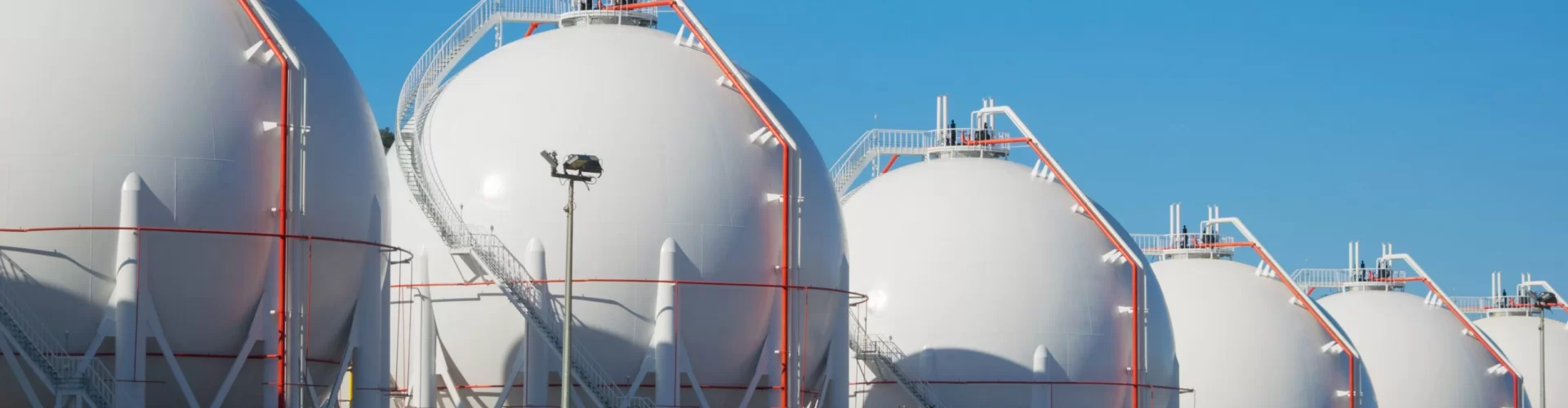

Selecting the right storage solution for Compressed Natural Gas (CNG) requires a balance between operational efficiency, safety protocols, and budgetary considerations. When evaluating the cng cylinder 16 kg price, procurement officers must look beyond the initial cost and examine the total cost of ownership, including the cylinder's longevity and its ability to withstand high-pressure environments.
In the broader context of the energy equipment industry, CNG cylinders are critical components for the transportation and storage of clean energy. The demand for high-performance pressure vessels is driven by the shift toward lower-carbon fuels, requiring equipment that meets stringent international safety standards while maximizing gas density to reduce the frequency of refueling cycles in industrial and automotive applications.
This guide provides a technical and commercial analysis of CNG cylinder specifications, helping buyers distinguish between different material grades and certification levels. Readers will learn how to evaluate supplier capabilities, understand the impact of working pressures on value, and identify the key performance indicators that ensure a safe and sustainable energy storage infrastructure.
Understanding CNG Storage Requirements
The fundamental challenge of storing Compressed Natural Gas lies in its high volatility and the immense pressure required to maintain it in a dense state. Standard industrial CNG equipment must handle working pressures often reaching 25 MPa, necessitating materials that exhibit high tensile strength and fatigue resistance. The storage system is not merely a tank but a precision-engineered pressure vessel designed to prevent leakage and withstand external mechanical stresses. For enterprises operating in the gas equipment sector, such as CIMC Enric, the focus is on integrating advanced research and design to ensure that these vessels can operate reliably across a wide range of temperatures—typically from -40°C to 60°C—without compromising structural integrity. This technical foundation ensures that whether the gas is used for industrial processing or vehicle fuel, the storage remains stable under fluctuating environmental conditions.
Analyzing Value Factors for Compressed Natural Gas Cylinders
The commercial value of a CNG cylinder is determined by a complex intersection of material science, manufacturing precision, and regulatory certification. Rather than focusing on a single price point, professionals should analyze how specific technical attributes contribute to the long-term operational value and safety of the energy chain.
Material Composition and Durability
The choice between seamless steel, aluminum alloys, or composite materials (Type III and Type IV) significantly affects both the cost and the functional lifespan. High-grade alloys provide the necessary wall thickness to manage 25 MPa pressures while resisting corrosion. The following table outlines how different material priorities impact the overall value proposition.
| Material Priority | Technical Impact | Operational Risk | Buyer Evaluation |
|---|---|---|---|
| High Tensile Steel | Superior impact resistance | Higher tare weight | Best for stationary storage |
| Aluminum Alloy | Reduced weight, corrosion resistance | Higher initial cost | Ideal for mobile transport |
| Carbon Fiber Wrap | Maximum gas density | Complex inspection | Premium performance needs |
| Specialty Alloys | Extreme temperature stability | Limited supplier base | Niche industrial use |
| Composite Liners | Zero permeability | Manufacturing complexity | Ultra-high purity needs |
| Standard Grade Steel | Cost-effective production | Susceptible to oxidation | Budget-focused projects |
Pressure Ratings and Safety Margins
Working pressure is a primary driver of equipment specifications. A cylinder rated for 25 MPa must undergo rigorous hydrostatic testing to ensure the burst pressure is significantly higher than the operating pressure. The safety margin not only prevents catastrophic failure but also allows the system to handle pressure spikes during rapid filling. Buyers should verify the pressure-temperature curve to ensure the vessel maintains its rating in extreme climates, ensuring that the gas remains contained even during thermal expansion.
Certification and Compliance Standards
In the B2B gas equipment market, certifications like ASME and DOT are not optional; they are prerequisites for market entry and insurance compliance. These certifications validate that the manufacturing process—from raw material sourcing to final welding and testing—meets international safety benchmarks. For global providers like CIMC Enric, obtaining certifications in regions such as Europe, South Korea, and Russia demonstrates a capability to meet diverse regulatory frameworks, reducing the legal and operational risks for the end purchaser.
Weight-to-Capacity Efficiency
For transport-oriented CNG solutions, the ratio of the vessel's weight to its gas capacity is a critical efficiency metric. Heavier cylinders increase fuel consumption for the transport vehicle and reduce the net payload of gas delivered. Engineering efforts are focused on reducing the wall thickness without sacrificing safety, often through the use of advanced heat treatment or composite reinforcement. This efficiency directly translates to lower logistics costs per kilogram of gas transported.
Environmental Adaptability
CNG equipment is often deployed in harsh environments, from arid deserts to freezing industrial zones. The ability of the cylinder to operate between -40°C and 60°C is essential to prevent material embrittlement at low temperatures or seal degradation at high temperatures. Surface treatments and specialized coatings are often applied to prevent external corrosion in humid or saline environments, extending the interval between required maintenance overhauls.
Operating Lifecycle and Maintenance
The total value of a CNG cylinder is realized over its entire lifecycle. This includes the initial procurement, periodic inspections (re-qualification), and eventual decommissioning. High-quality manufacturing reduces the rate of fatigue and stress cracking, extending the time between mandatory safety tests. Procurement teams should evaluate the availability of after-sales support and the ease of replacing valves and fittings to avoid prolonged operational downtime.
Procurement and Customization Options
B2B procurement often requires customized solutions rather than off-the-shelf products. This may include specific cylinder quantities (e.g., 8 to 12 cylinders per frame) or tailored frame sizes (10ft to 40ft) to fit existing transport infrastructure. Working with a manufacturer that possesses comprehensive qualifications in pressure vessel production allows for the customization of storage density and frame configuration, ensuring the equipment integrates seamlessly into the client's supply chain.
FAQ
What primary factors influence the cost of a CNG cylinder?
The cost is primarily driven by the material used (e.g., seamless steel vs. carbon fiber composites), the required working pressure rating (typically 25 MPa), and the level of international certifications (such as ASME or DOT). Additionally, customization of the storage frame and the total capacity of the vessel affect the final procurement price.
How do I verify the safety and quality of a CNG storage vessel?
Buyers should request certification documents (ASME, DOT, or regional equivalents) and review the hydrostatic test reports. Verifying that the manufacturer has a proven track record with industrial gas companies and adheres to strict pressure vessel manufacturing standards is essential for ensuring long-term safety.
What is the typical operating temperature range for industrial CNG cylinders?
Most industrial-grade CNG cylinders are designed to operate reliably within a temperature range of -40°C to 60°C. This ensure the material remains ductile in extreme cold and that the seals and structural integrity are maintained during heat exposure.
Can CNG cylinders be customized for specific transport frame sizes?
Yes, professional manufacturers can provide customized configurations. For example, storage frames can be designed in sizes of 10, 20, 30, or 40 feet, with cylinder quantities ranging from 8 to 12 units per frame depending on the desired capacity and transport limitations.
What is the difference between Type I and Type IV CNG cylinders?
Type I cylinders are made entirely of metal (usually steel), offering high durability but significant weight. Type IV cylinders utilize a non-metallic liner wrapped in carbon fiber composite, which drastically reduces weight and increases gas storage efficiency, though they typically command a higher price.
How often should CNG cylinders undergo safety inspections?
Inspection intervals depend on regional regulations and the cylinder type. Generally, visual inspections are performed frequently, while full hydrostatic re-qualification occurs every 3 to 5 years to ensure the vessel can still safely hold its rated working pressure.
References and further reading
- International Standards for High-Pressure Gas Cylinders (ISO/TC 131)
- ASME Boiler and Pressure Vessel Code (BPVC) Section VIII
- Department of Transportation (DOT) Regulations for Compressed Gas Cylinders


