
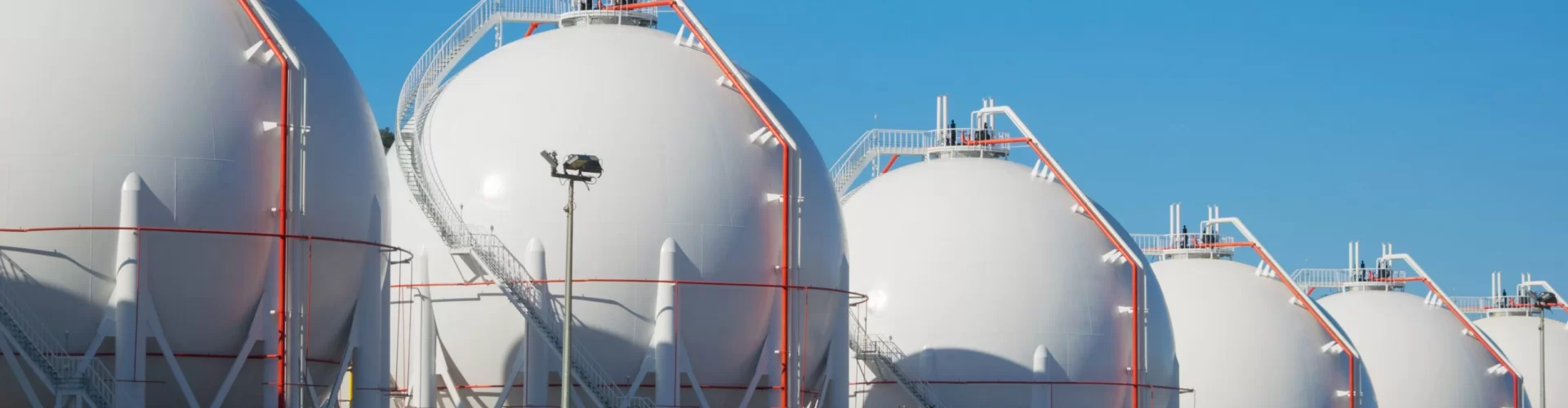
High Pressure Industrial Gas Storage and cng gas bottle price
Selecting high-pressure storage solutions for clean energy requires a balance between operational safety, volumetric efficiency, and total investment. For industrial gas distributors and energy providers, the cng gas bottle price is often influenced by the material grade and the specific pressure requirements of the gas being stored. Whether managing hydrogen (H2), Helium (He), or Nitrogen (N2), the integrity of the vessel determines the long-term viability of the supply chain.
CIMC Enric specializes in engineering these critical components, offering a range of industrial gas storage cascades designed to meet stringent international certifications. By focusing on high-pressure capability and precise volume management, our equipment ensures that high-purity gases are transported and stored with minimal loss and maximum security, catering to the semiconductor, electronic gas, and energy storage sectors globally.

Engineering Standards for High-Pressure Gas Storage Cascades
Industrial gas storage cascades are not merely collections of cylinders but engineered systems designed for specific thermodynamic behaviors. The core objective is to maximize the delivery of gas while maintaining a safe working pressure. For gases like Hydrogen or Helium, the permeability and material compatibility are paramount to prevent embrittlement and leakage, which are critical factors that a technical buyer must evaluate when analyzing the cost of cng gas bottle price and overall system value.
Our manufacturing process integrates advanced welding and testing protocols to ensure each unit can withstand extreme cycles of filling and discharging. By utilizing high-strength materials and adhering to ASME and DOT certifications, we provide vessels that maintain structural integrity under pressures ranging from 200 to 550 Bar. This engineering rigor is essential for the electronic gas industry, where purity requirements are absolute and any contaminant or vessel failure can lead to significant production losses in semiconductor fabrication.

Optimizing Gas Capacity and Volumetric Efficiency
The effectiveness of a storage system is measured by its total gas capacity relative to its water volume. For example, a cascade with a water capacity of 500 liters operating at 550 Bar provides a significantly different gas yield than a 3000-liter system at 200 Bar. Understanding this ratio allows operators to optimize their logistics, reducing the frequency of refills and lowering the operational expenditure associated with gas transport.
Different media require different configurations. Hydrogen storage requires higher pressure thresholds and specialized sealing to handle its small molecular size, whereas Argon or Nitrogen systems can often operate at lower pressures with larger volumes. CIMC Enric provides customized solutions that match the specific gravity and compressibility of the target gas, ensuring that the equipment is neither over-engineered (which adds unnecessary cost) nor under-specified (which compromises safety).
Application Scenarios in Semiconductor and Clean Energy Industries
In the semiconductor and display panel industries, the demand for ultra-high purity gases such as Silane and Helium is critical. These industries cannot tolerate any particulate or moisture contamination. Our equipment is designed to meet these stringent purity requirements, providing a secure environment for high-purity gas storage and transportation that integrates seamlessly into clean-room environments.
Beyond electronics, the transition to hydrogen energy has created a surge in demand for high-capacity H2 storage. From powering the world's first hydrogen-powered ship to supporting urban refueling stations, the ability to store gas at high density is a key driver of the hydrogen economy. By delivering reliable, certified equipment, we enable energy companies to scale their infrastructure while ensuring that safety remains the highest priority during the compression and separation processes.
Technical Specifications for Gas Storage Configurations
| Storage Media | Working Pressure (Bar) | Total Water Capacity (Liter) | Total Gas Capacity (M³) |
|---|---|---|---|
| Hydrogen (H2) | 550 | 500 | 204 |
| Hydrogen (H2) | 220 | 609 | 14 |
| Argon/Nitrogen (Ar/N2) | 200 | 1410 | 302/271 |
| Helium (He) | 200 | 1100 | 203 |
| Hydrogen (H2) | 200 | 3000 | 1033 |
Evaluating Supplier Capabilities and Certification Standards
When procuring high-pressure equipment, the manufacturer's certification portfolio is the most reliable indicator of quality. Certifications such as ASME (American Society of Mechanical Engineers) and DOT (Department of Transportation) are not just regulatory hurdles; they are benchmarks for safety and performance. CIMC Enric’s long-standing history of obtaining these certifications since 2003 and 2005 demonstrates a commitment to global standards.
Furthermore, the ability to serve industry leaders like Linde, Air Liquide, and Air Products proves the company's capability to handle large-scale, high-complexity orders. For a procurement manager, the value of a supplier extends beyond the initial unit price; it includes the reliability of the after-sales service and the ability to provide customized engineering solutions that fit existing infrastructure. Choosing a partner with a marketing network spanning over 40 countries ensures that technical support and replacement parts are accessible regardless of the project location.
Future Trends in Low-Carbon Gas Storage Solutions
The global shift toward decarbonization is pushing the gas equipment industry toward "lower-carbon" manufacturing and more efficient storage materials. We are seeing a transition toward composite materials that offer higher strength-to-weight ratios, which can further increase the gas capacity of mobile storage units without increasing the vehicle's payload.
Integration with smart monitoring systems is another emerging trend. Real-time pressure and temperature sensing allow for predictive maintenance and more precise inventory management. As CIMC Enric continues to innovate in the hydrogen and electronic gas sectors, the focus remains on creating a safer, more efficient energy equipment chain that supports the high-quality development of the global clean energy industry.
Frequently Asked Questions on Gas Storage Equipment
What factors most significantly influence the cost of high-pressure cylinders?
The price is primarily driven by the material grade (such as stainless steel or composites), the maximum working pressure (Bar), the required certifications (ASME, DOT), and the total water capacity. Higher pressure ratings typically require thicker walls or advanced materials, increasing the cost.
How does working pressure affect the total gas capacity?
Generally, increasing the working pressure allows more gas to be compressed into the same water volume, thereby increasing the total gas capacity (M³). However, this requires more robust vessel construction to ensure safety.
Are your storage cascades suitable for ultra-high purity electronic gases?
Yes, our equipment is specifically designed to meet the stringent requirements of the semiconductor and display panel industries, ensuring that high-purity gases like silane and helium are stored without contamination.
What certifications should I look for when buying industrial gas equipment?
You should prioritize internationally recognized certifications such as ASME and DOT, as well as regional certifications for Europe, South Korea, India, or Russia, depending on where the equipment will be operated.
Can these systems be customized for specific gas types?
Yes, CIMC Enric provides customized solutions based on the medium (H2, Ar, N2, He, etc.), the required pressure, and the desired storage volume to optimize operational efficiency for the customer.
How do I maintain the safety of high-pressure storage systems over time?
Regular inspections, adhering to pressure relief valve schedules, and ensuring that the equipment is used within its certified working pressure limits are essential for long-term safety and performance.
Technical References
- ASME Boiler and Pressure Vessel Code (BPVC)
- U.S. Department of Transportation (DOT) Pipeline and Hazardous Materials Safety Administration
- ISO Standards for Industrial Gas Cylinders
- International Energy Agency - Hydrogen Energy Reports
For enterprises seeking reliable, certified, and efficient gas storage solutions, understanding the technical trade-offs between pressure, volume, and material is key. CIMC Enric remains committed to providing the high-performance equipment necessary to drive the clean energy and semiconductor industries forward.
Related Articles


