The increasing global demand for alternative fuels has spurred significant advancements in compressed natural gas (CNG) technology, particularly in high-capacity storage solutions. big cng cylinders are becoming essential for diverse applications, from powering heavy-duty vehicles to providing energy for industrial processes. Understanding their construction, safety features, and applications is crucial in a world striving for cleaner and more sustainable energy sources.
The development and implementation of big cng cylinder technology directly address growing environmental concerns associated with traditional fossil fuels. With stricter emissions regulations and a global push toward decarbonization, the demand for efficient and safe CNG storage is rapidly increasing. This creates opportunities for innovation and economic growth within the energy sector.
Furthermore, the accessibility and affordability of natural gas, coupled with the inherent safety improvements in modern cylinder designs, position big cng cylinders as a viable alternative to gasoline and diesel. This is especially relevant in regions seeking energy independence and reduced reliance on imported oil.

Introduction to big cng cylinder
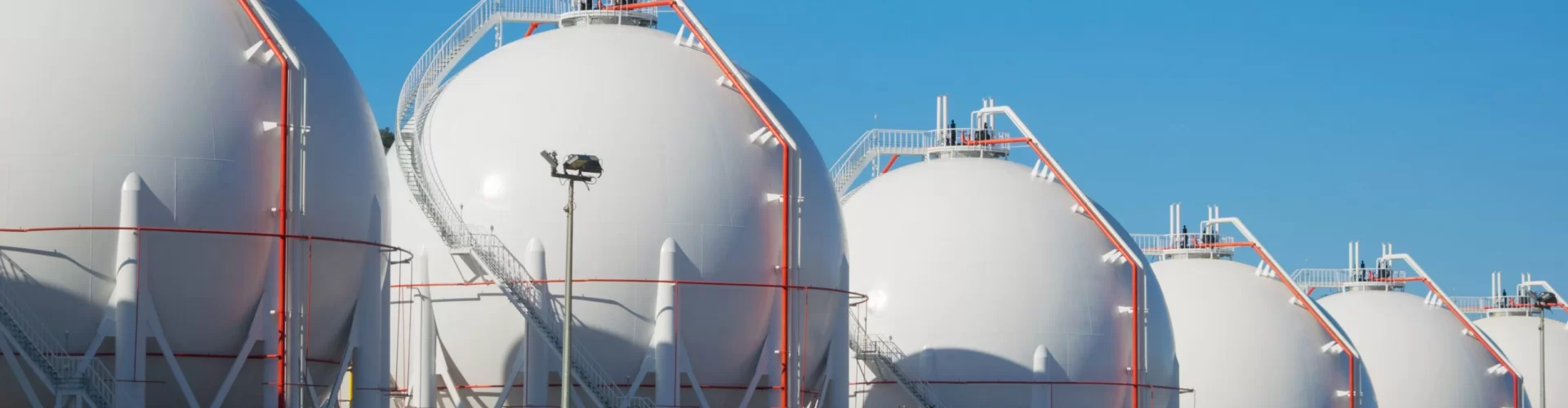
A big cng cylinder isn't simply a container for compressed natural gas; it's a sophisticated piece of engineering designed for extreme safety and efficiency. They are fundamentally important for the transition to cleaner energy sources. The scale of these cylinders—holding significantly larger volumes of CNG than standard sizes—allows for extended vehicle range and increased operational efficiency in industrial applications.
The design process involves stringent material selection, advanced manufacturing techniques, and rigorous testing procedures. Ensuring the structural integrity and leak-proof capabilities of a big cng cylinder is paramount, given the high pressures involved. The entire lifecycle, from production to decommissioning, must adhere to strict safety standards and regulatory guidelines.
Defining big cng cylinder
A big cng cylinder is a storage vessel specifically designed to contain compressed natural gas at high pressures, typically exceeding 200 bar (approximately 2,900 psi). Unlike smaller cylinders often found in passenger vehicles, these are designed for larger volumes—ranging from 150 liters to over 300 liters—catering to the demands of heavy-duty vehicles, buses, and stationary applications.
The defining characteristic is not just the volume, but the specialized construction designed to withstand these high pressures safely and reliably. These cylinders are typically made of high-strength steel, or increasingly, composite materials like carbon fiber reinforced polymer (CFRP) for weight reduction and enhanced durability. big cng cylinder are integral to creating a sustainable energy ecosystem.
Their purpose is to provide a dense and portable energy source, making CNG a viable alternative to traditional fuels in various sectors. The technology plays a vital role in reducing greenhouse gas emissions and improving air quality, aligning with global sustainability goals.
Core Characteristics of big cng cylinder
The defining features of a big cng cylinder extend beyond just its size. Durability is paramount; these cylinders must withstand repeated pressure cycles, temperature fluctuations, and potential impacts without compromising structural integrity. Advanced materials and robust construction techniques are employed to ensure a long service life.
Safety is another critical aspect. Multiple layers of protection, including pressure relief devices (PRDs), burst discs, and rigorous testing protocols, are incorporated into the design to mitigate risks associated with high-pressure gas storage. Compliance with international safety standards (ISO 11119, for example) is non-negotiable.
Finally, weight optimization is increasingly important, particularly in transportation applications. Composite materials like CFRP offer a significant weight reduction compared to traditional steel cylinders, leading to improved fuel efficiency and payload capacity. big cng cylinder are designed for optimized efficiency.
Key Performance Indicators for big cng cylinder
Evaluating the performance of a big cng cylinder requires looking at several key indicators. Burst pressure is a primary metric, signifying the cylinder’s ability to withstand overpressure without catastrophic failure. Fatigue life, measured in pressure cycles, determines the cylinder’s long-term reliability under repeated use.
Weight-to-capacity ratio is another critical parameter, particularly for mobile applications. A higher ratio indicates a more efficient cylinder, allowing for greater fuel storage without excessive weight penalties. The efficiency of a big cng cylinder is measured by its performance.
big cng cylinder Performance Metrics
Applications of big cng cylinder Globally
The applications of big cng cylinder are diverse and expanding rapidly. In the transportation sector, they are increasingly utilized in long-haul trucks, buses, and fleet vehicles, providing a cost-effective and environmentally friendly alternative to diesel. This is particularly prevalent in countries with established CNG infrastructure.
Beyond transportation, they are employed in industrial settings to power stationary engines for combined heat and power (CHP) systems, providing a reliable and efficient energy source. In remote areas lacking access to natural gas pipelines, big cng cylinder offer a viable solution for providing energy to communities and businesses.
Furthermore, these cylinders are crucial in fueling stations, acting as buffer storage to meet peak demand and ensure a consistent supply of CNG to vehicles. Their role is also growing in emerging applications like virtual pipelines, where CNG is transported to areas without pipeline infrastructure.
The Long-Term Value of big cng cylinder
Investing in big cng cylinder technology delivers substantial long-term value, extending far beyond immediate cost savings. By transitioning to CNG, businesses and communities can significantly reduce their carbon footprint and contribute to a more sustainable future. This aligns with increasingly stringent environmental regulations and enhances corporate social responsibility.
The cost of CNG is often lower than gasoline or diesel, leading to reduced fuel expenses and increased profitability. Moreover, CNG engines typically require less maintenance, minimizing downtime and operational costs. This combination of economic and environmental benefits makes big cng cylinder an attractive investment.
Future Trends and Challenges of big cng cylinder
The future of big cng cylinder technology is intertwined with advancements in materials science and manufacturing processes. Research is focused on developing even lighter and stronger composite materials, such as advanced carbon fiber composites, to further improve the weight-to-capacity ratio. Automation and robotics are also playing a growing role in cylinder production, enhancing precision and reducing costs.
However, challenges remain. Expanding CNG refueling infrastructure is crucial to widespread adoption, requiring significant investment in fueling stations and pipeline networks. Addressing public perception and ensuring stringent safety standards are also essential to building trust and confidence in the technology.
Digitalization, including the implementation of sensor technologies and data analytics, is poised to revolutionize cylinder monitoring and maintenance. Real-time monitoring of pressure, temperature, and other critical parameters will enable predictive maintenance and optimize cylinder performance.
Summary of Big cng Cylinder Challenges and Mitigation Strategies
| Challenge |
Impact |
Mitigation Strategy |
Priority (1-5) |
| Limited Refueling Infrastructure |
Restricts adoption and range |
Government incentives and private investment in fueling stations |
5 |
| High Initial Costs |
Barrier to entry for fleet owners |
Subsidies, tax breaks, and leasing options |
4 |
| Public Safety Concerns |
Hesitancy to adopt the technology |
Enhanced safety features and public awareness campaigns |
3 |
| Material Costs |
Impacts cylinder price |
R&D into cheaper, durable materials |
2 |
| Certification Complexity |
Delays time-to-market |
Harmonization of international standards |
3 |
| Cylinder Weight |
Reduces fuel efficiency |
Adoption of composite materials |
4 |
FAQS
The lifespan of a big cng cylinder varies depending on usage, material composition, and maintenance. Typically, steel cylinders have a lifespan of 20-25 years, while composite cylinders can last up to 15-20 years. However, cylinders require regular inspections and recertification (typically every 5 years) to ensure structural integrity and safety. Adherence to manufacturer guidelines and proper handling practices are crucial for maximizing lifespan.
Big cng cylinder are generally considered as safe, if not safer, than gasoline tanks. CNG is less flammable than gasoline and has a narrower flammability range. Cylinders are designed with multiple safety features, including pressure relief valves and burst protection. Rigorous testing and certification standards ensure their structural integrity. However, like any high-pressure vessel, proper handling and maintenance are essential.
Traditionally, big cng cylinder were manufactured from high-strength steel alloys. However, there's a growing trend towards using composite materials like carbon fiber reinforced polymer (CFRP) and glass fiber reinforced polymer (GFRP). These composites offer significant weight reduction, increasing fuel efficiency. Steel cylinders often feature a steel liner for gas containment, while composite cylinders utilize a polymer liner.
Composite big cng cylinder are typically more expensive upfront than steel cylinders, often 2-3 times the price. However, this higher initial cost can be offset by the weight savings, resulting in improved fuel efficiency and increased payload capacity. Over the cylinder's lifespan, the total cost of ownership may be comparable or even lower for composite cylinders, especially in applications where weight is a critical factor.
Key certifications for big cng cylinder include ISO 11119 (Gas cylinders – Composite gas cylinders with liners), ISO 11439 (Gas cylinders – Steel gas cylinders with cylindrical pressure vessel – Design and construction), and regional certifications like DOT (Department of Transportation) in the US and ECE (Economic Commission for Europe) in Europe. These certifications ensure compliance with safety standards and quality control.
Temperature can affect the pressure inside a big cng cylinder. Higher temperatures increase pressure, while lower temperatures decrease it. Cylinders are designed to operate within a specific temperature range, and exceeding these limits can compromise safety. Pressure relief devices (PRDs) are incorporated to release excess pressure in case of overheating. Regular inspections and adherence to operating guidelines are vital for safe operation across varying temperatures.
Conclusion
big cng cylinder represent a pivotal technology in the global transition toward sustainable energy. Their ability to store natural gas safely and efficiently makes them invaluable for a diverse range of applications, from transportation and industry to remote power generation. Continued innovation in materials, manufacturing, and safety protocols will further enhance their performance and expand their adoption.
Looking ahead, investment in CNG infrastructure, alongside supportive government policies and public awareness campaigns, is essential to unlock the full potential of this technology. By embracing big cng cylinder, we can collectively reduce our reliance on fossil fuels, mitigate environmental impact, and build a cleaner, more sustainable energy future. Visit our website at www.enricgroupsjz.com to learn more about our big cng cylinder solutions.