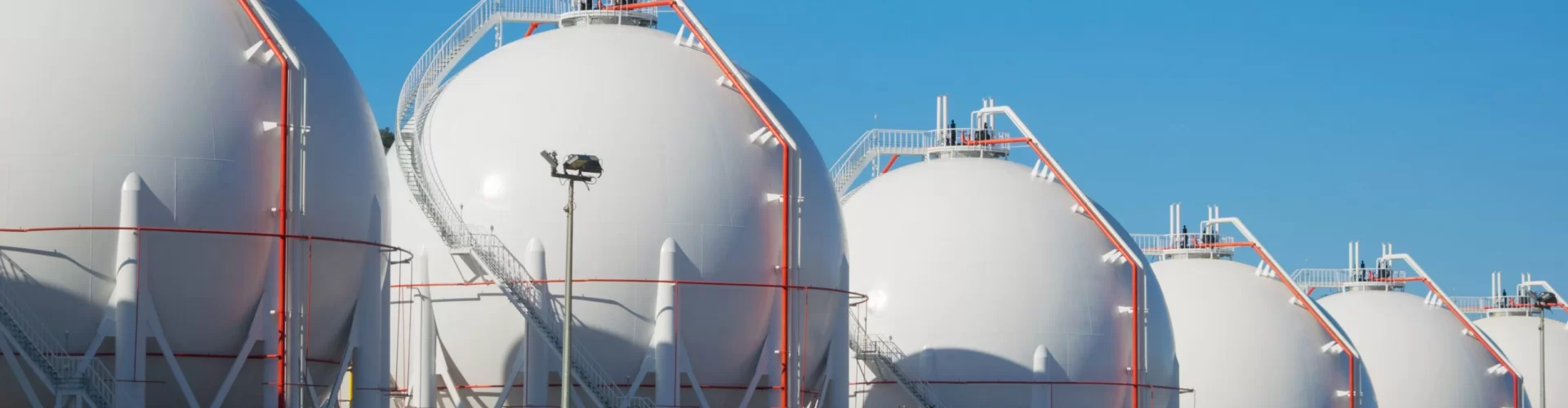
The global shift toward cleaner energy sources has accelerated the demand for efficient gas distribution and storage solutions. Among these, portable compressed natural gas tanks have emerged as a pivotal technology, bridging the gap between fixed pipeline infrastructure and remote operational needs. By allowing the high-pressure transport of methane in a condensed form, these systems enable industries to decouple their energy consumption from the limitations of the physical grid.
From a technical perspective, the engineering behind these tanks involves a sophisticated balance of material science and pressure vessel dynamics. The ability to maintain structural integrity while maximizing payload capacity is critical, especially when dealing with the volatile nature of compressed natural gas (CNG). As international standards like ASME and ADR evolve, the reliability of these portable systems has reached a point where they are now viable replacements for diesel in many industrial and transport applications.
Understanding the nuances of portable compressed natural gas tanks is not merely about technical specifications; it is about optimizing the logistics of green energy. Whether it is providing fuel for remote construction sites or acting as a mobile refueling station for CNG fleets, these tanks provide the flexibility required for a modern, decarbonized economy, ensuring that clean energy is accessible wherever it is needed most.

Global Context of Portable Compressed Natural Gas Tanks
On a global scale, the transition to lower-carbon fuels is no longer optional but a regulatory imperative. According to energy outlooks from organizations like the International Energy Agency (IEA), the role of transitional fuels is critical in reducing CO2 emissions before a full shift to hydrogen or electric power. portable compressed natural gas tanks address a primary challenge in this transition: the "last mile" delivery of fuel to regions where pipeline infrastructure is non-existent or prohibitively expensive to build.
This logistical hurdle is particularly evident in developing economies and remote industrial zones. By utilizing high-capacity mobile storage, companies can transport CNG over hundreds of miles, effectively turning a stationary energy source into a flexible asset. This capability is essential for maintaining industrial productivity in off-grid locations while adhering to increasingly strict environmental mandates.
Defining Portable Compressed Natural Gas Tanks
In simple terms, portable compressed natural gas tanks are high-pressure containment systems designed to store methane in a gaseous state under extreme pressure, allowing for efficient transport via road or rail. Unlike liquefied natural gas (LNG), which requires cryogenic temperatures, compressed natural gas (CNG) remains a gas, simplifying the unloading process and reducing the need for complex regasification equipment at the point of use.
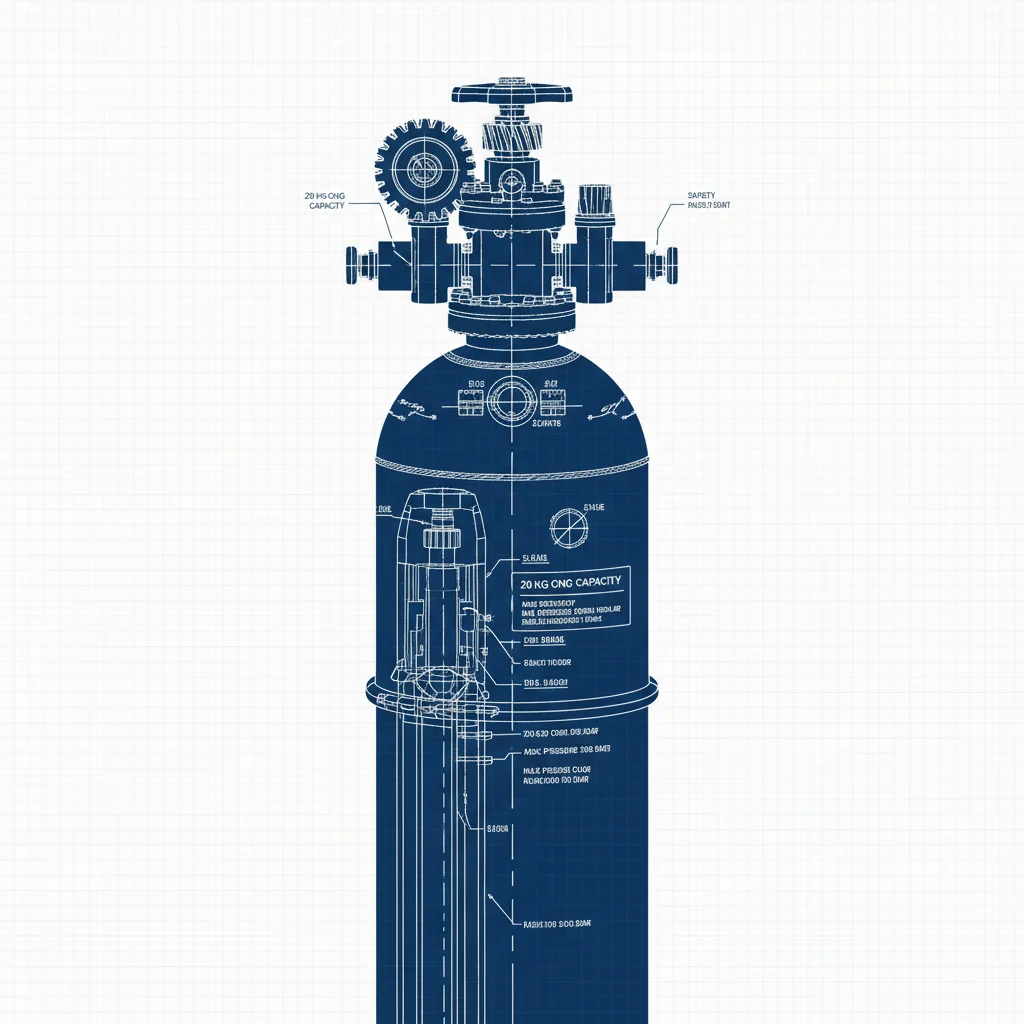
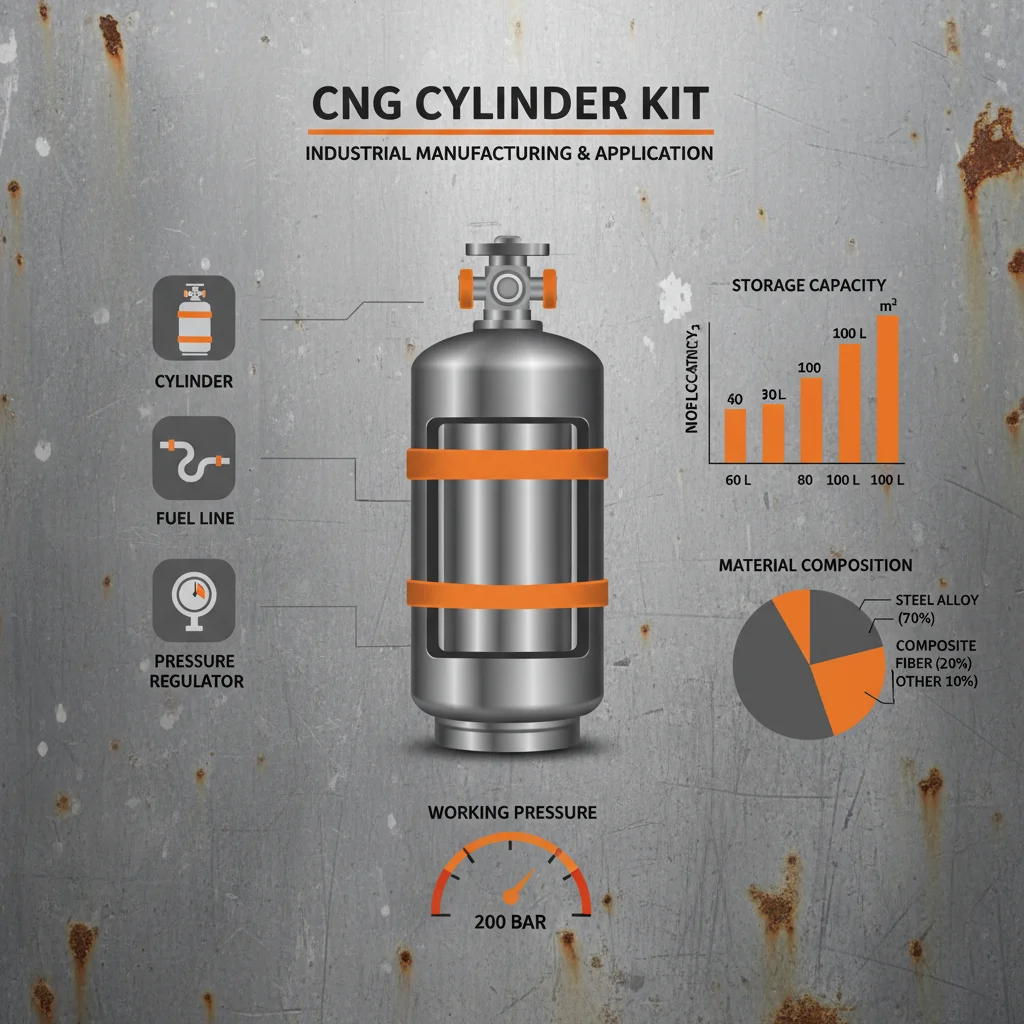
These systems typically consist of a series of high-strength cylinders or a single large vessel integrated into a trailer or skid. Depending on the standard applied—such as the ASME code for North American markets or the ADR standard for Europe—these tanks are engineered to withstand pressures often exceeding 20 MPa. This ensures that a maximum volume of gas is stored within the smallest possible footprint, optimizing the payload-to-weight ratio.
Beyond the technical definition, these tanks represent a lifeline for humanitarian and industrial needs. In disaster-stricken areas or temporary mining camps, they provide a reliable, clean energy source for heating, cooking, and power generation, replacing dirty diesel generators with a more sustainable alternative.
Core Components of High-Pressure Gas Storage
The structural integrity of portable compressed natural gas tanks begins with the selection of materials. High-grade steels, such as SA-612M(N) or Q370R, are utilized for the shell and heads to ensure the vessel can handle cyclical loading and high internal pressures without fatigue. The thickness of the shell—ranging from 10mm to 16mm depending on the capacity—is meticulously calculated to prevent deformation under extreme stress.
Safety is paramount in the design of these tanks, which is why they incorporate advanced pressure-relief valves, manholes for internal inspection, and corrosion allowances. For instance, some designs include a 1mm to 2mm corrosion allowance to ensure that the tank remains safe over a decades-long service life, even when exposed to harsh industrial environments. The use of precision welding and rigorous hydraulic testing (often at 1.25x the design pressure) guarantees that every unit is leak-proof.
Moreover, the versatility of these systems is enhanced by the integration of auxiliary equipment. Many portable compressed natural gas tanks are supplied with integrated pumps, allowing for faster unloading and precise pressure control. This integration transforms a simple storage vessel into a mobile fueling station, capable of delivering gas to multiple end-points with minimal downtime.
Key Factors for Operational Efficiency
When evaluating the performance of portable compressed natural gas tanks, the primary metric is the payload-to-kerb weight ratio. A lower kerb weight allows for more gas to be transported per trip, directly reducing the cost per cubic meter of fuel delivered. For example, a tank with a 60m³ capacity and a payload of 30 tonnes offers significantly better economy of scale than smaller, fragmented units.
Another critical factor is the design pressure and the resulting gas density. Higher design pressures (such as 2.5 MPa in specialized ASME tanks) allow for a higher energy density, meaning more fuel can be packed into the same physical volume. This is essential for long-distance hauling where trip frequency must be minimized to maximize profit margins.
Efficiency Comparison of Portable CNG Storage Methods
Global Applications and Use Cases
The practical deployment of portable compressed natural gas tanks spans multiple sectors. In the industrial sector, they are used for "virtual pipelines," where gas is trucked to factories that lack pipeline access. This is particularly common in the chemical and electronic gas industries, where high-purity natural gas is required for specific manufacturing processes but the facility is located in a remote industrial park.
Beyond industry, these tanks play a vital role in the green energy transition for public transport. Cities implementing CNG-powered bus fleets often use portable tanks as temporary refueling hubs during the construction of permanent stations. This ensures that the transition from diesel to CNG is seamless and does not disrupt urban mobility, providing a scalable solution to city-wide emissions reductions.
Long-Term Value and Sustainability
Investing in high-quality portable compressed natural gas tanks offers significant long-term economic value. By reducing the reliance on expensive diesel fuel, companies can lower their operational expenditures while simultaneously improving their ESG (Environmental, Social, and Governance) ratings. The durability of the materials ensures that these assets have a long lifecycle, with minimal maintenance required if standard inspection protocols are followed.
From a social perspective, the use of CNG over heavier hydrocarbons reduces local air pollution, specifically nitrogen oxides (NOx) and particulate matter. This leads to healthier living conditions for communities surrounding industrial zones and transport corridors. The reliability of these tanks fosters a sense of trust and security, as users know they have a steady, safe supply of energy regardless of grid stability.
Furthermore, the scalability of portable systems allows businesses to grow without being tethered to a fixed location. This agility is a competitive advantage, enabling companies to pivot their operations or expand into new territories with the confidence that their energy logistics are already solved.
Future Trends in CNG Transport Technology
The future of portable compressed natural gas tanks is being shaped by the integration of smart technology and advanced composites. We are seeing a shift toward "IoT-enabled" tanks, where real-time sensors monitor pressure, temperature, and fill levels, transmitting this data to a central dashboard. This digital transformation allows for predictive maintenance and optimized routing, ensuring that tanks are refilled exactly when needed.
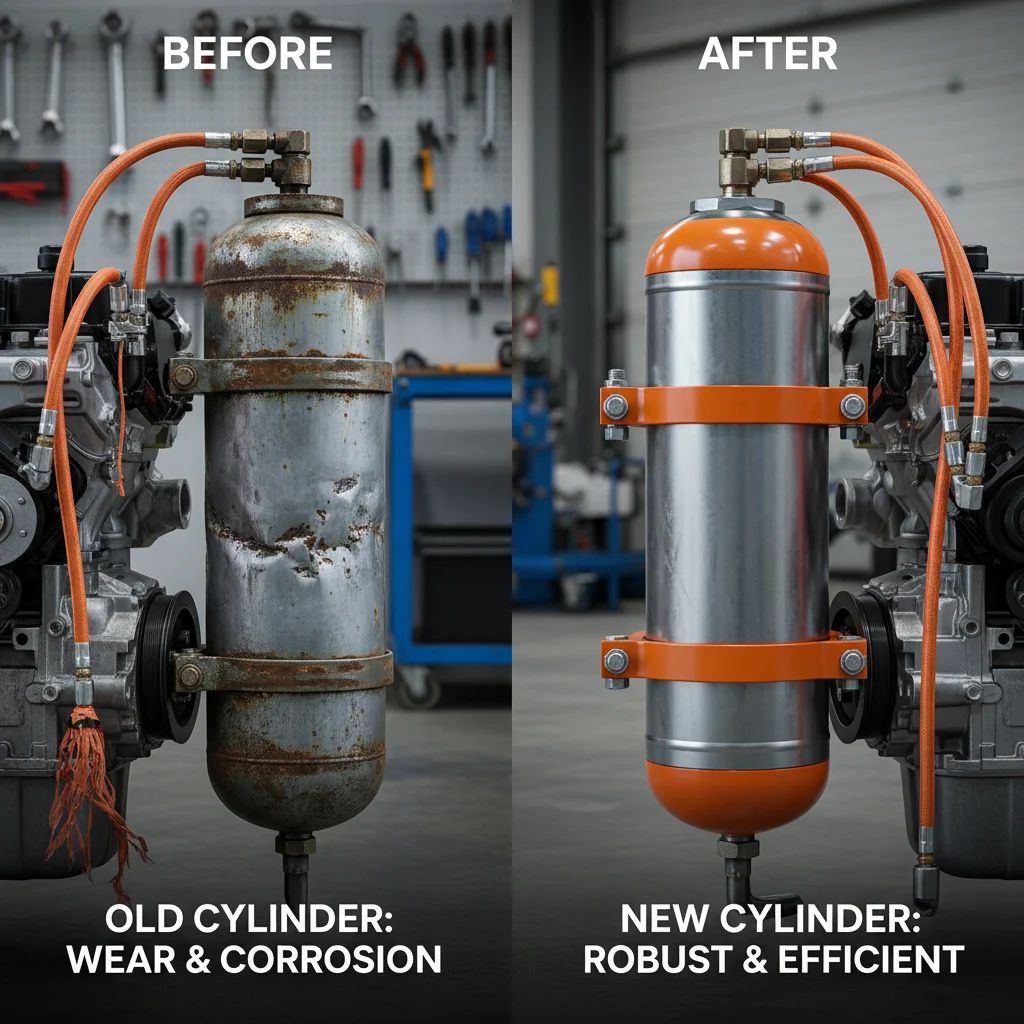
Material innovation is also playing a key role. The introduction of Type IV composite tanks—which use a plastic liner wrapped in carbon fiber—promises to drastically reduce the weight of the vessels. This would further increase the payload capacity, making the transport of compressed gas even more efficient and cost-effective compared to traditional steel tanks.
Additionally, as the world moves toward a hydrogen economy, the infrastructure developed for CNG will serve as a blueprint. Many of the safety protocols, transport logistics, and pressure vessel designs used for portable compressed natural gas tanks are directly applicable to compressed hydrogen storage, making these systems a bridge to the ultimate goal of zero-emission energy.
Comparative Analysis of Portable CNG Tank Standards
| Standard Type |
Design Pressure |
Material Focus |
Primary Market |
| ASME Code |
1.724 - 2.5 MPa |
SA-612M/SA-537M |
North America |
| China GB Std |
1.61 - 1.77 MPa |
Q370R/Q420R |
Asia-Pacific |
| European ADR |
2.1 MPa |
P460NL1 |
European Union |
| High-Pressure Custom |
Above 2.5 MPa |
Specialty Alloys |
Specialized Industry |
| Low-Temp Variant |
1.6 - 2.0 MPa |
Impact-Resistant Steel |
Arctic/Cold Regions |
| Pump-Integrated |
Variable (5-19.5 bar) |
Reinforced Shell |
Mobile Refueling |
FAQS
These tanks are engineered to strict international standards (ASME, ADR, GB), featuring multi-layered safety mechanisms. Key advantages include the use of high-tensile, fatigue-resistant steel, redundant pressure relief valves to prevent over-pressurization, and rigorous hydrostatic testing. Unlike liquid fuels, CNG is lighter than air, meaning in the unlikely event of a leak, the gas dissipates upward and rapidly, significantly reducing the risk of ground-level pooling or explosions.
Choosing the right capacity depends on your daily consumption rate and the distance from the filling station. For high-demand sites, capacities between 55m³ and 60m³ are ideal to minimize trip frequency. You must also consider the Gross Vehicle Weight (GVW) limits of your transport fleet. A 60m³ tank may reach a GVW of over 47 tonnes, requiring specific heavy-duty haulage permits and compatible tractor units.
While specifically designed for CNG, many of these vessels can be adapted for other industrial gases or LPG, provided the materials are compatible with the chemical properties of the media. For example, LPG requires different design pressures and seals. It is critical to consult the technical specifications and material certifications (such as the shell material Q370R or SA-612) before using a tank for a different medium to avoid corrosion or structural failure.
With proper maintenance and adherence to inspection schedules, a high-quality portable CNG tank can last 20 to 30 years. The primary factors affecting lifespan are corrosion and pressure cycling. Tanks designed with a corrosion allowance (e.g., 1-2mm) and those that undergo regular non-destructive testing (NDT) and internal inspections are much more durable. Following the manufacturer's guidelines for filling pressures is also key to preventing material fatigue.
An integrated pump allows for "forced" unloading, meaning the gas can be transferred to a receiving vessel even if the receiving tank is at a higher pressure than the transport tank. This maximizes the utilization of the payload, ensuring that almost 100% of the gas is delivered rather than leaving a residual amount behind due to pressure equalization. This reduces the number of trips required and speeds up the overall delivery cycle.
Yes, they are significantly more eco-friendly. Natural gas produces substantially fewer emissions of CO2, SOx, and NOx compared to diesel or coal. By enabling the transport of CNG to remote areas, these tanks allow industries to switch from "dirty" fuels to a cleaner alternative without needing a multi-million dollar pipeline investment. This facilitates a rapid reduction in the carbon footprint of remote operations.
Conclusion
In summary, portable compressed natural gas tanks represent a critical fusion of high-pressure engineering and logistical flexibility. By overcoming the geographical constraints of fixed pipelines, these systems enable a wider array of industries to adopt cleaner energy, reducing environmental impact while maintaining operational efficiency. From the selection of SA-612M steel to the implementation of ADR standards, every aspect of their design is focused on safety, payload maximization, and long-term reliability.
Looking forward, the integration of carbon-fiber composites and IoT monitoring will only further enhance the value proposition of mobile gas storage. For companies seeking to decarbonize their supply chain or establish energy independence in remote regions, investing in professional-grade CNG transport solutions is a strategic imperative. We invite you to explore our full range of high-capacity, certified storage solutions to optimize your energy logistics. Visit our website: www.enricgroupsjz.com