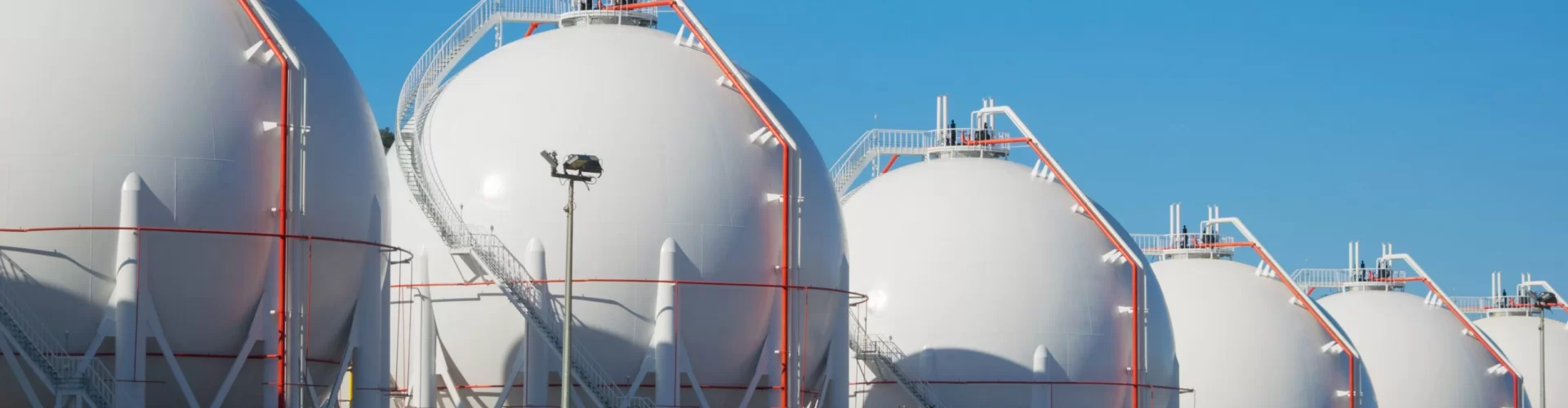
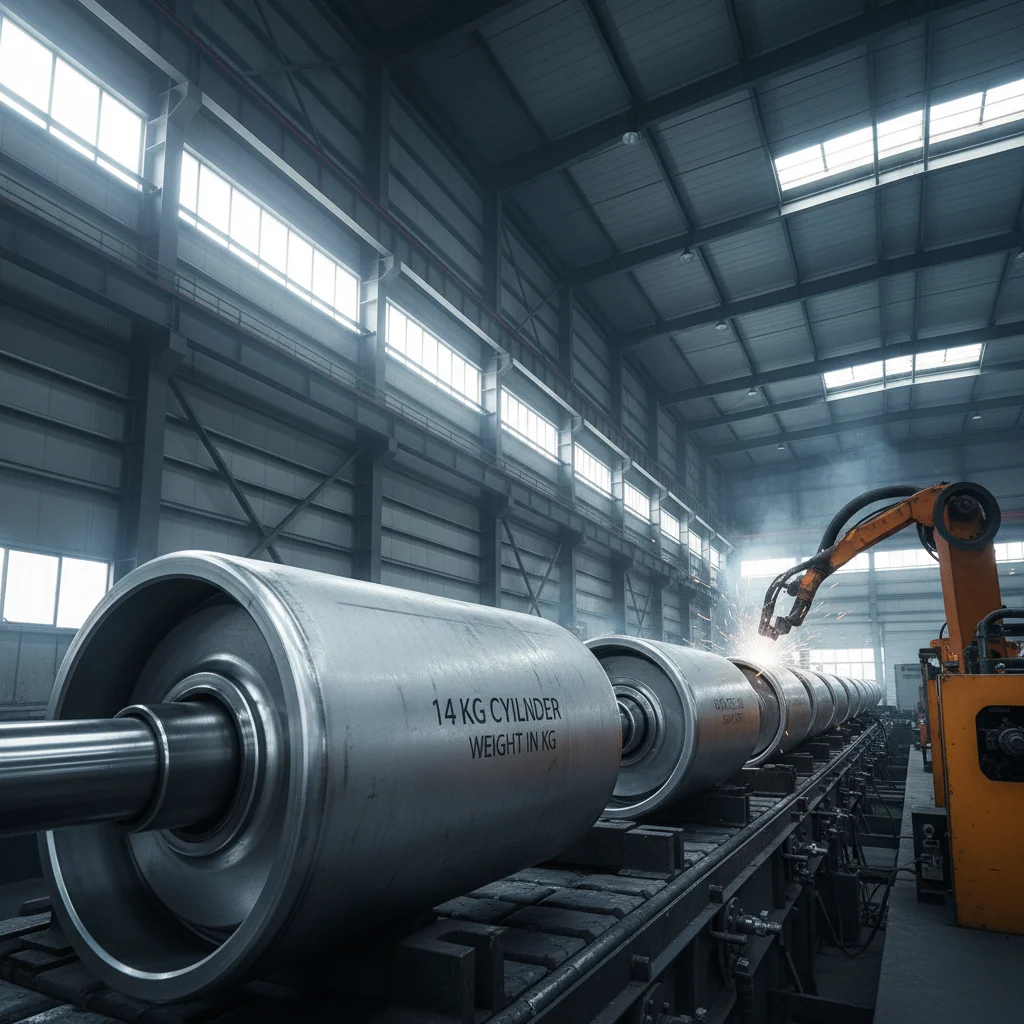
The global energy landscape is shifting toward more flexible and decentralized distribution methods, making the natural gas portable tank an indispensable asset for modern industry. These specialized storage solutions bridge the gap between permanent pipeline infrastructure and remote operational needs, ensuring that energy remains accessible regardless of geographical constraints.
Understanding the technical nuances of these portable systems is crucial for stakeholders in the chemical and energy sectors who prioritize safety, efficiency, and rapid deployment. By leveraging advanced materials and precision engineering, a high-quality natural gas portable tank allows for the seamless transport of compressed or liquefied gas to sites where traditional grid connections are physically or economically impossible.
Whether utilized for emergency power generation, remote industrial heating, or as a transitional tool in the move toward green hydrogen, the versatility of the natural gas portable tank drives operational resilience. This guide explores the engineering standards, global applications, and future innovations that make these tanks a cornerstone of the specialized equipment manufacturing industry.

Global Relevance of Natural Gas Portable Tanks
In an era of fluctuating energy markets and expanding industrial frontiers, the reliance on the natural gas portable tank has seen a significant uptick. According to industry trends aligned with ISO standards for pressure vessels, the demand for "virtual pipelines"—the process of transporting gas via portable tanks rather than permanent pipes—has grown as companies seek to reduce the capital expenditure associated with pipeline installation in rugged terrains.
The global challenge of energy poverty and the need for rapid industrialization in developing regions have positioned these portable units as critical infrastructure. By enabling the transport of high-energy-density fuel to remote mining sites or temporary construction zones, the natural gas portable tank solves the problem of "last-mile" energy delivery, ensuring that productivity is not hindered by a lack of local utility grids.
Defining the Natural Gas Portable Tank in Modern Industry
At its core, a natural gas portable tank is a precision-engineered pressure vessel designed for the safe storage and transport of natural gas, typically in a compressed (CNG) or liquefied (LNG) state. Unlike static storage silos, these units are integrated into frames or chassis that allow for rapid mobilization via truck, rail, or ship, making them a dynamic component of the supply chain.
In the context of modern industry, these tanks are more than just containers; they are integrated systems featuring advanced valves, pressure regulators, and telemetry sensors. This connectivity allows operators to monitor gas levels and pressure in real-time, reducing the risk of leakage and optimizing the refueling cycle for industrial equipment.
Beyond commercial use, these tanks serve vital humanitarian needs. In post-disaster recovery scenarios where the main gas lines are severed, a natural gas portable tank can provide the necessary fuel for mobile heating units and emergency generators, bringing warmth and power to affected populations when every second counts.
Core Engineering Components for Safety and Durability
The structural integrity of a natural gas portable tank depends heavily on the selection of materials. High-strength alloy steels and composite carbon fibers are commonly used to withstand the immense internal pressures required to keep the gas dense enough for efficient transport.
Advanced sealing technology is another critical factor. A professional-grade natural gas portable tank incorporates multi-stage safety relief valves and leak-detection systems that automatically trigger shutdowns if a pressure anomaly is detected, ensuring adherence to strict international safety protocols.
Furthermore, the external coating of the tank is engineered to resist corrosion and environmental wear. Whether operating in the salty air of a coastal refinery or the freezing temperatures of an arctic mining camp, the natural gas portable tank remains resilient thanks to specialized epoxy and polyurethane finishes.
Performance Metrics and Efficiency Benchmarks
Evaluating the efficiency of a natural gas portable tank requires a deep dive into its weight-to-capacity ratio. The lighter the tank, the more fuel can be transported per trip without exceeding road weight limits, directly impacting the cost-per-unit of energy delivered.
Modern engineering focuses on optimizing the "fill factor," ensuring that the maximum amount of gas is stored with minimum dead space. This is achieved through precise geometric calculations and the use of Type III or Type IV composite cylinders, which offer superior strength-to-weight ratios compared to traditional steel.
Comparative Efficiency of Natural Gas Portable Tank Types
Global Applications and Strategic Use Cases
The application of the natural gas portable tank spans multiple high-stakes industries. In the oil and gas sector, these tanks are used during the "completion" phase of well drilling to provide the necessary gas for hydraulic fracturing and testing before a permanent pipeline is commissioned.
In remote industrial zones across Central Asia and Africa, portable tanks enable the operation of off-grid power plants. By trucking in natural gas, local industries can avoid the high carbon emissions of diesel generators while maintaining a steady energy supply, demonstrating a transition toward cleaner industrial energy.
Long-Term Value and Sustainability Advantages
Investing in a high-quality natural gas portable tank offers tangible long-term financial value. By eliminating the need for permanent infrastructure in temporary locations, companies can save millions in installation and decommissioning costs, allowing for a more agile business model that can shift locations as resources are depleted or new projects emerge.
From a sustainability perspective, the ability to transport natural gas—a cleaner-burning fuel than coal or heavy oil—to remote areas significantly reduces the local environmental footprint. The shift toward these portable systems facilitates the adoption of cleaner energy in sectors that were previously locked into high-pollution fuel sources.
Beyond the logic of cost and carbon, there is an element of trust and safety. A certified natural gas portable tank provides peace of mind to operators and surrounding communities, knowing that the fuel is contained within a vessel that meets the highest global safety standards for pressure and impact resistance.
Future Trends in Gas Storage Technology
The future of the natural gas portable tank is inextricably linked to the rise of the hydrogen economy. Many current portable gas storage designs are being adapted to handle hydrogen, which requires even higher pressures and specialized materials to prevent "hydrogen embrittlement," where the gas makes the metal tank brittle and prone to cracking.
Digital transformation is also playing a major role. We are seeing the integration of IoT (Internet of Things) sensors into every natural gas portable tank, allowing for "Smart Logistics." This means the tank can automatically alert the supplier when it reaches 20% capacity, optimizing the delivery route and eliminating downtime.
Moreover, the development of ultra-high-pressure carbon fiber composites is pushing the boundaries of energy density. Future tanks will likely be significantly lighter and hold more gas, reducing the number of trips required and further lowering the carbon footprint of the transportation process.
Technical Comparison of Gas Storage Material Innovations
| Material Type |
Pressure Rating |
Weight Efficiency |
Lifespan Score |
| Traditional Carbon Steel |
Medium |
Low |
7/10 |
| Alloy Steel (High Strength) |
High |
Medium |
8/10 |
| Type III Composite (Alu Liner) |
Very High |
High |
9/10 |
| Type IV Composite (Polymer Liner) |
Extreme |
Very High |
9/10 |
| Cryogenic Stainless Steel |
Low (Vacuum) |
Medium |
8/10 |
| Nano-Coated Alloy |
High |
High |
10/10 |
FAQS
A natural gas portable tank is far more cost-effective for small-scale or temporary sites because it eliminates the massive upfront cost of land acquisition and pipeline installation. It provides "on-demand" energy flexibility, allowing the operator to scale the fuel supply up or down without being tied to a fixed infrastructure.
Depending on the material, these tanks can last between 15 to 25 years. Steel tanks require more frequent corrosion inspections, while composite Type III or IV tanks offer longer lifespans due to their inherent resistance to rust. Regular hydrostatic testing and valve maintenance are essential to ensure the tank reaches its full service life.
Yes, provided they are manufactured according to international standards (such as DOT or ADR). A certified natural gas portable tank features redundant safety valves and impact-resistant shells designed to prevent leakage even in the event of a traffic accident, making them safe for regulated road transport.
Not all tanks can be converted. Hydrogen molecules are much smaller than methane molecules and can seep through traditional steel, causing embrittlement. Only tanks specifically designed with composite liners or specialized alloy coatings can safely store hydrogen. It is always recommended to purchase a tank engineered specifically for the intended gas.
Modern tanks come equipped with integrated telemetry systems. By installing electronic pressure transducers and temperature sensors, the natural gas portable tank can transmit real-time data via cellular or satellite networks to a central dashboard, allowing for automated inventory management.
CNG tanks store gas under extremely high pressure at ambient temperatures, focusing on strength. LNG tanks are cryogenic vessels that store gas in liquid form at extremely low temperatures, focusing on thermal insulation (vacuum jackets) to prevent the gas from boiling off during transport.
Conclusion
The natural gas portable tank stands as a pivotal solution for the modern energy challenge, blending the reliability of traditional fossil fuels with the flexibility of mobile logistics. From the precision of its composite materials to the intelligence of its IoT monitoring, the portable tank ensures that critical industries can operate anywhere in the world without compromising on safety or efficiency.
As we transition toward a more sustainable future, the evolution of these tanks into hydrogen-ready vessels will play a key role in decarbonizing remote industrial zones. For companies looking to optimize their energy supply chain, investing in high-specification portable storage is no longer just an option—it is a strategic necessity for operational resilience. Visit our website for more information: www.enricgroupsjz.com