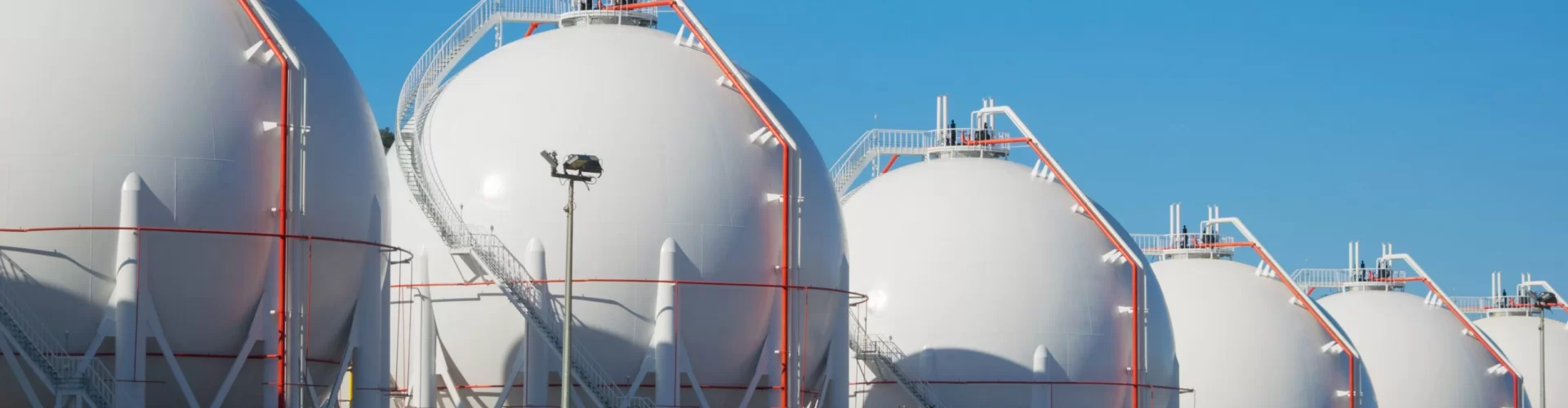
The global energy landscape is undergoing a seismic shift toward decarbonization, placing an unprecedented spotlight on the infrastructure developed by hydrogen production companies. As nations strive to meet net-zero emissions targets, the ability to efficiently produce, compress, and distribute clean energy has become a cornerstone of industrial strategy. Understanding the technical nuances of gas delivery systems is essential for any organization looking to integrate sustainable fuel sources into their operational workflow.
While the production of hydrogen is the starting point, the true challenge lies in the midstream logistics—getting the gas from the production site to the end-user without significant energy loss. This is where specialized compression and refueling stations bridge the gap between theoretical energy potential and practical application. The synergy between production capacity and distribution efficiency determines the viability of the entire hydrogen economy.
For those analyzing the capabilities of various hydrogen production companies, it is crucial to look beyond the generator and examine the total system integration, including the CNG and hydrogen-ready compression stations that ensure a stable and reliable gas supply across urban and remote regions.

The Role of Infrastructure in Gas Distribution
The success of any venture initiated by hydrogen production companies depends heavily on the physical infrastructure used to transport gas. Whether dealing with Natural Gas or emerging hydrogen blends, the ability to move gas from high-pressure pipelines into vehicle tanks requires sophisticated compression technology. Without stable refueling stations, the production of clean energy remains a stranded asset.
Modern infrastructure is designed to minimize leakage and maximize the recovery rate of the gas. By utilizing specialized compressor inlet and discharge pressures, companies can ensure that the gas supply remains consistent even during peak demand hours, providing a seamless transition for transport fleets moving away from diesel.
Standardized Gas Supply Systems and Reliability
Standardized stations are the backbone of urban gas distribution. These facilities are typically supported directly by a pipeline network, which ensures a stable and reliable gas supply. By utilizing standardized equipment configurations, operators can reduce maintenance downtime and ensure that the refueling process is consistent across different locations.
Technically, these stations operate with compressor inlet pressures between 1 to 3 MPa and reach a discharge pressure of 25 MPa. This high-pressure capability allows for efficient filling of vehicle tanks, with refueling capacities ranging from 500 to 2000 Nm³/h, making them ideal for concentrated city demand.
The reliability of these systems is further enhanced by the integration of gas storage facilities, typically ranging from 3 to 30 m³, and the use of dual-nozzle dispensers. This setup allows multiple vehicles to refuel simultaneously, reducing congestion and increasing the throughput of the station.
Integrated Gas Facilities for Large-Scale Supply
For larger regional hubs, hydrogen production companies often rely on "Mother Stations." These are large-scale integrated facilities that perform multiple functions: gas receiving, purification, dehydration, compression, storage, and transshipment. They serve as the central nervous system for a regional gas network.
A single Mother Station can support not only direct refueling for vehicles but also serve as the supply source for 4 to 6 surrounding Daughter Stations. This hub-and-spoke model is essential for expanding the reach of clean energy without needing to lay expensive pipelines to every single refueling point.
The technical specifications of these facilities are robust, with inlet pressures reaching up to 10 MPa and compressor displacements between 1000 and 4000 Nm³/h. This ensures that the regional demand for high-pressure gas is met efficiently, regardless of the volume of vehicles being serviced.
Decentralized Distribution and Mobile Refueling
In areas where laying a pipeline is economically unfeasible or physically impossible, Daughter Stations provide a critical solution. These stations operate independently of the pipeline network, utilizing mechanical piston compressors to maintain a high flow rate and stable operation, which is a key requirement for the output of many hydrogen production companies.
A standout feature of these stations is the hydraulic-driven compressor with a dual-system design. This allows the station to operate in dual-system mode during peak hours to maximize throughput and switch to a single-system mode during off-peak hours to conserve energy and reduce wear on the machinery.
Operational Efficiency of Different Distribution Models
Technical Parameters for High-Pressure Compression
The technical precision of compression is what separates professional gas stations from makeshift setups. For instance, Daughter Stations must handle inlet pressures from 3 to 25 MPa to effectively compress the gas for refueling at 20 MPa. This ensures that the fuel is packed densely enough for long-distance vehicle travel.
Moreover, the gas recovery rate is a critical metric for sustainability and cost-efficiency. Advanced systems now achieve a gas recovery rate of ≥ 90%, ensuring that almost none of the precious gas produced by hydrogen production companies is wasted during the transfer process from storage to the vehicle.
Application Scenarios for Modern Gas Stations
The choice of station type is dictated by the geographical and economic landscape. Standard stations are best suited for urban centers where natural gas pipelines are already embedded in the city's infrastructure and vehicle demand is concentrated.
Mother stations are typically positioned in peripheral urban areas close to natural gas sources or gate stations. They act as the core nodes of regional networks, ensuring that the output from large-scale production facilities is distributed effectively to smaller satellite stations.
Daughter stations find their value in township industrial zones or remote areas where pipeline laying is uneconomical. By using integrated all-in-one MRU skids or fixed stations, these facilities bring clean energy to the "last mile" of the industrial supply chain.
Comparative Analysis of Station Configurations
When evaluating the equipment provided by hydrogen production companies, it is necessary to weigh the trade-offs between flexibility and capacity. Standard stations offer high stability but low flexibility, as they are tethered to a pipeline. In contrast, Daughter Stations offer complete independence from the grid.
The scalability of Mother Stations is unmatched, allowing for the simultaneous refueling of vehicles and the replenishment of other stations. However, this requires a much higher initial investment in purification and dehydration equipment to ensure the gas quality meets industrial standards.
Ultimately, a hybrid approach—combining Mother and Daughter stations—creates a resilient network. This ensures that even if one node fails or a pipeline is interrupted, the regional gas supply remains uninterrupted, maintaining the reliability of the clean energy ecosystem.
Comparison of Gas Station Types for Hydrogen and CNG Distribution
| Station Type |
Gas Source |
Key Technical Strength |
Primary Application |
| Standard Station |
Direct Pipeline |
Stable Supply/Low OpEx |
Inner City Hubs |
| Mother Station |
Gas Gate/Source |
Integrated Purification |
Regional Nodes |
| Daughter Station |
Tube Trailer/MRU |
Location Independence |
Industrial Zones |
| Integrated MRU |
Mobile Storage |
Rapid Deployment |
Temporary Sites |
| Dual-System Station |
Various |
Peak/Off-Peak Optimization |
High-Traffic Areas |
| High-Recovery Unit |
Various |
≥90% Gas Recovery |
Cost-Sensitive Ops |
FAQS
A Mother Station is a large-scale hub connected to a gas source that can purify, compress, and distribute gas to other stations. A Daughter Station is a standalone facility that does not have a pipeline connection and relies on gas delivered by trailers or MRUs, making it ideal for remote areas.
Purity is ensured through integrated purification and dehydration systems, primarily located at Mother Stations. These systems remove moisture and impurities from the raw gas before compression, preventing equipment corrosion and ensuring vehicle engine efficiency.
A high recovery rate means that very little gas is lost during the transfer from the supply trailer to the vehicle tank. This significantly lowers operational costs and reduces waste, which is critical for the economic sustainability of decentralized refueling.
Yes, many standard stations can be upgraded by modifying the compressor seals and valves to be compatible with hydrogen. However, this requires a thorough technical audit of the pipeline materials to ensure they can handle the smaller hydrogen molecules without leaking.
Standard stations are best installed in areas already covered by a natural gas pipeline network with high, concentrated vehicle traffic. This eliminates the need for gas transport logistics and provides the most stable supply for urban fleets.
Dual-system compressors allow the station to scale its energy use. During peak demand, both systems run to maximize refueling speed. During low demand, one system shuts down, reducing electricity costs and extending the lifespan of the machinery.
Conclusion
The transition to a sustainable energy future relies not just on the ingenuity of hydrogen production companies, but on the robustness of the distribution infrastructure. From the high-capacity capabilities of Mother Stations to the strategic flexibility of Daughter Stations, the integration of high-pressure compression and efficient gas recovery is what makes clean energy practical for the masses.
As we look forward, the digitalization of these stations and the adoption of more efficient, modular MRU skids will further lower the barrier to entry for green energy. Organizations are encouraged to invest in integrated solutions that balance reliability with scalability to ensure long-term operational viability. Visit our website for more professional equipment solutions: www.enricgroupsjz.com