The global transition toward sustainable energy has placed a significant spotlight on high-efficiency storage and transport systems. In the current market, understanding the variables that influence the composite cng cylinder price is essential for stakeholders looking to optimize their infrastructure for compressed natural gas and other industrial gases. As industries shift away from carbon-intensive fuels, the demand for lightweight, high-strength storage solutions has grown exponentially, driving innovation in material science and manufacturing processes.
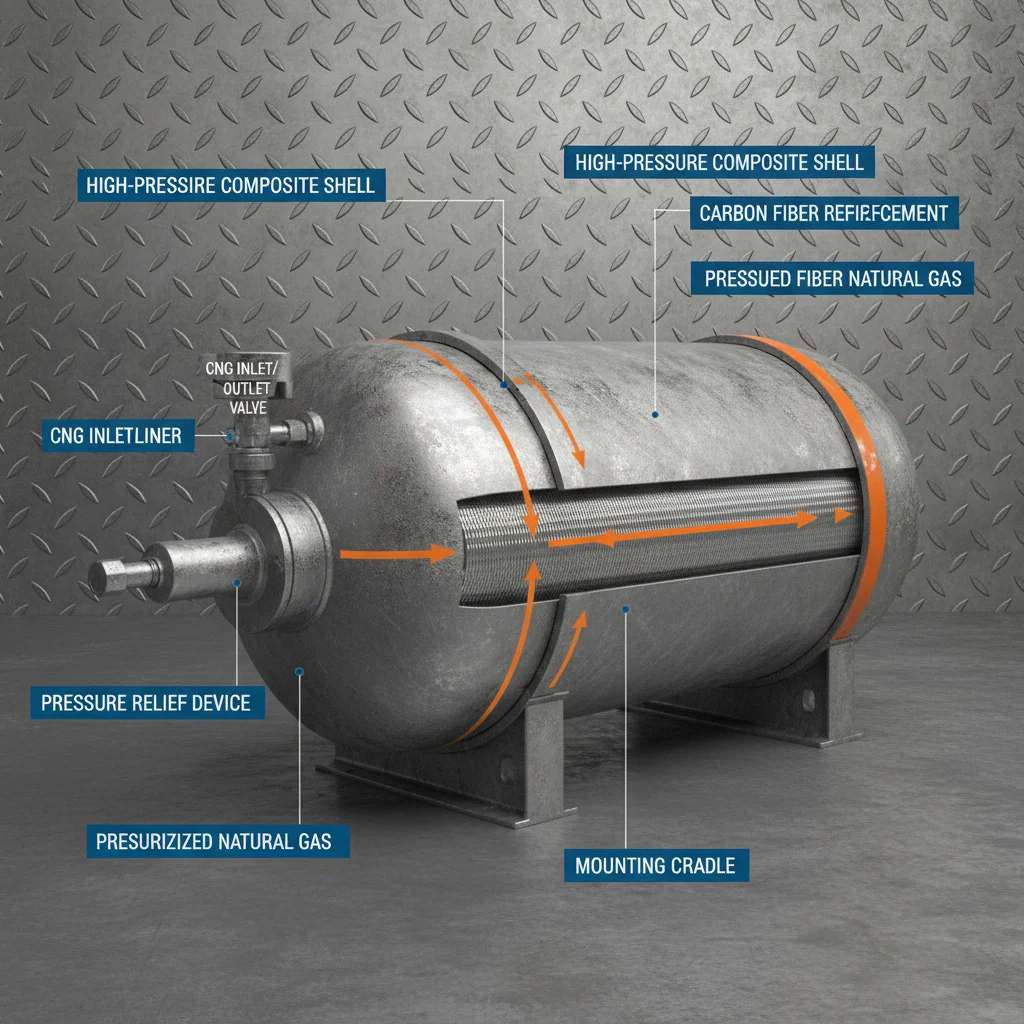
From an economic perspective, the composite cng cylinder price reflects the complex balance between raw material costs, such as carbon fiber and high-grade resins, and the long-term operational savings provided by reduced vehicle weight and increased safety. Companies are no longer looking solely at the initial acquisition cost but are instead calculating the total cost of ownership, where durability and lower maintenance requirements offset the premium price of composite materials over traditional steel alternatives.
Integrating these advanced storage systems into a broader energy strategy requires a deep understanding of how the composite cng cylinder price correlates with technical specifications and safety certifications. Whether for industrial gas transport or green energy initiatives, the investment in high-performance cylinders ensures compliance with international safety standards while maximizing the efficiency of gas delivery across diverse geographical landscapes.

Green Production Engineering and Material Cost
Green production engineering plays a pivotal role in determining the overhead associated with gas storage. When we examine the production of green ammonia through water electrolysis and nitrogen production via air separation, the energy intensity of these processes directly affects the overall cost structure of the energy chain. This high-tech approach to synthesis, supporting capacities from 50,000 to 1.2 million tons annually, requires specialized materials that can withstand high pressures, which in turn influences the composite cng cylinder price.
The shift toward blue ammonia, incorporating CCUS (Carbon Capture, Utilization, and Storage), further emphasizes the need for advanced containment systems. By ensuring product purity of ≥99.9%, the engineering requirements for these systems increase, necessitating the use of premium composite materials. These materials provide the structural integrity required to meet IMO decarbonization standards, ensuring that the investment in higher-priced cylinders translates into lower carbon intensity and higher operational reliability.
Factors Influencing Storage System Valuation
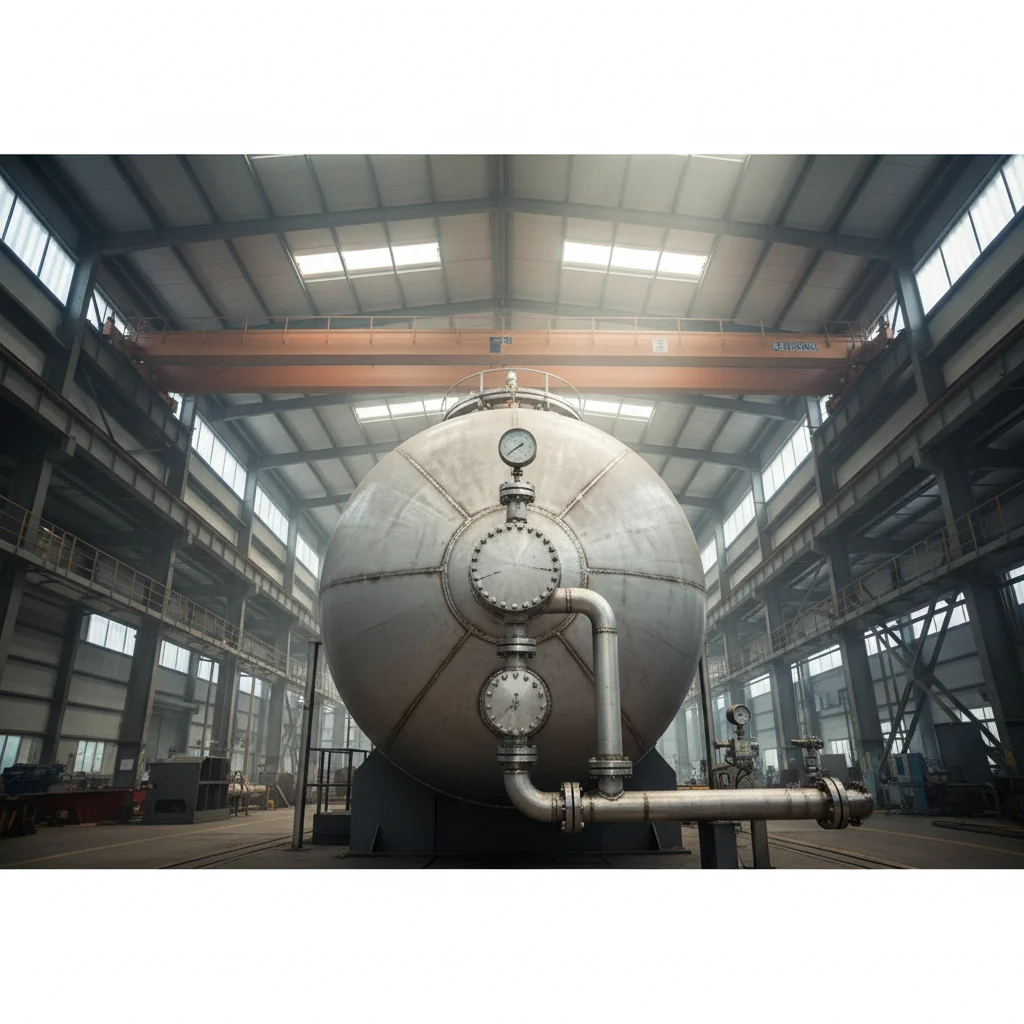
The valuation of a storage system is not determined by a single factor but by a synergy of design and material specifications. For instance, the distinction between ambient temperature pressure storage tanks and cryogenic atmospheric pressure storage tanks (-33°C) creates a significant variance in the composite cng cylinder price. Cryogenic systems require specialized insulation and liners to prevent thermal contraction and material fatigue, which adds to the manufacturing complexity.
Moreover, the integration of safety features such as inert gas protection, leak monitoring, and emergency response systems adds a layer of necessary cost. These systems are critical for installations in ports, industrial zones, and power plants where the risk profile is higher. When these customized facilities are designed to comply with international standards, the resulting cost reflects the assurance of safety and the reduction of potential liability.
Scalability also plays a key role in pricing. Large-scale EPC services that manage the entire flow from feedstock preparation to rectification benefit from economies of scale, yet the precision required for high-purity ammonia synthesis means that quality control cannot be compromised. This balance between mass production and precision engineering is what ultimately defines the market's competitive pricing for composite storage solutions.
Safety Standards and Their Impact on Pricing
Compliance with international safety standards such as ASME and EN is a non-negotiable requirement for industrial gas storage. These certifications ensure that the cylinder can withstand extreme pressures and environmental stressors without failure. Because the testing and certification process is rigorous, it is inherently reflected in the composite cng cylinder price, as only the highest quality materials can pass these stringent benchmarks.
When analyzing the composite cng cylinder price, one must consider the cost of failure versus the cost of prevention. The use of composite materials allows for a significantly higher strength-to-weight ratio than steel, reducing the risk of catastrophic rupture and making the transport of high-pressure gases safer for operators and the surrounding environment.
Furthermore, the inclusion of advanced leak monitoring systems within the storage facility ensures that any structural compromise is detected instantly. This proactive approach to safety not only preserves the assets but also protects the human capital involved in the operation, justifying the premium associated with a high-quality composite cng cylinder price in the long run.
Efficiency Analysis of Transportation Solutions
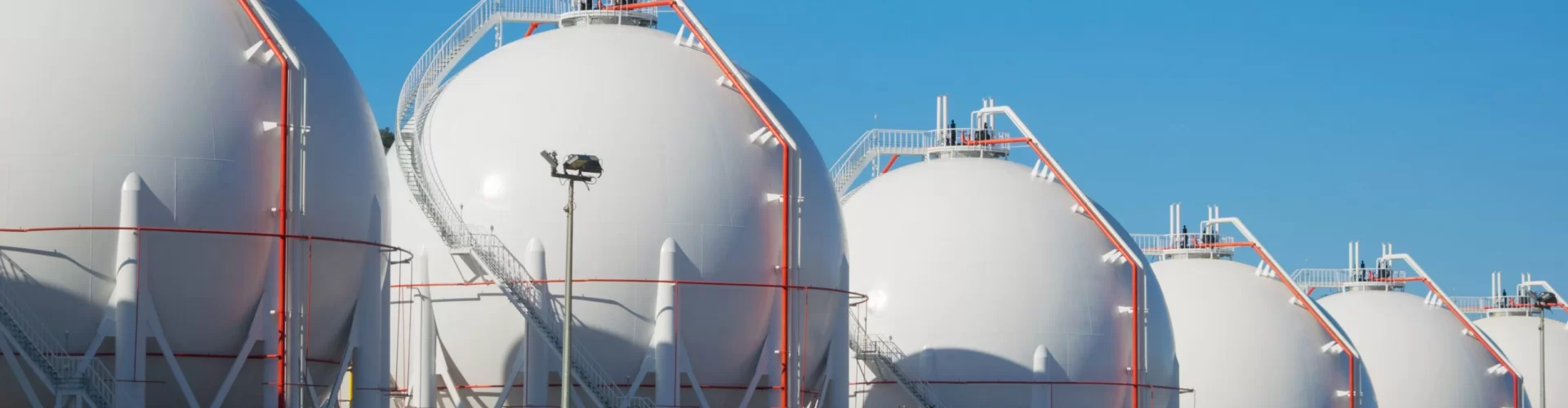
Efficient transportation is the final link in the gas value chain, involving ocean-going carriers, cryogenic tank trucks, and pipeline networks. The deployment of loading arms, booster stations, and skid-mounted transfer equipment is designed to reduce logistics loss and safety risks. The efficiency of these components is closely tied to the storage vessels they service, where a lower weight—enabled by composite materials—directly reduces fuel consumption and increases payload capacity.
Consequently, the investment in a higher composite cng cylinder price is often recovered through reduced transportation costs. By optimizing the weight of the transport units, companies can achieve faster turnaround times and lower carbon emissions per ton of gas delivered, making the entire logistics operation more economically viable and environmentally sustainable.
Comparative Efficiency Rating by Storage Type
Global Application Scenarios for Composite Storage
Composite storage solutions are being deployed across a variety of critical sectors globally. In remote industrial zones, where pipeline infrastructure is non-existent, the use of high-pressure composite cylinders allows for the reliable delivery of natural gas and hydrogen. These scenarios demand a robust balance between the composite cng cylinder price and the operational reliability required to maintain continuous production in harsh environments.
Similarly, in the maritime sector, the transition to green ammonia as a fuel source requires specialized cryogenic storage that can handle transoceanic voyages. The integration of these systems into ocean-going carriers ensures that the logistics of the hydrogen economy are scalable, providing a bridge between production hubs and global energy markets while adhering to strict international safety protocols.
Long-term Value and Sustainability Gains
The long-term value of investing in high-quality composite materials extends beyond simple cost-benefit analyses. By reducing the overall weight of storage and transport systems, operators can significantly lower their carbon footprint, aligning their business goals with global sustainability targets. The composite cng cylinder price thus becomes an investment in "future-proofing" the infrastructure against tightening environmental regulations.
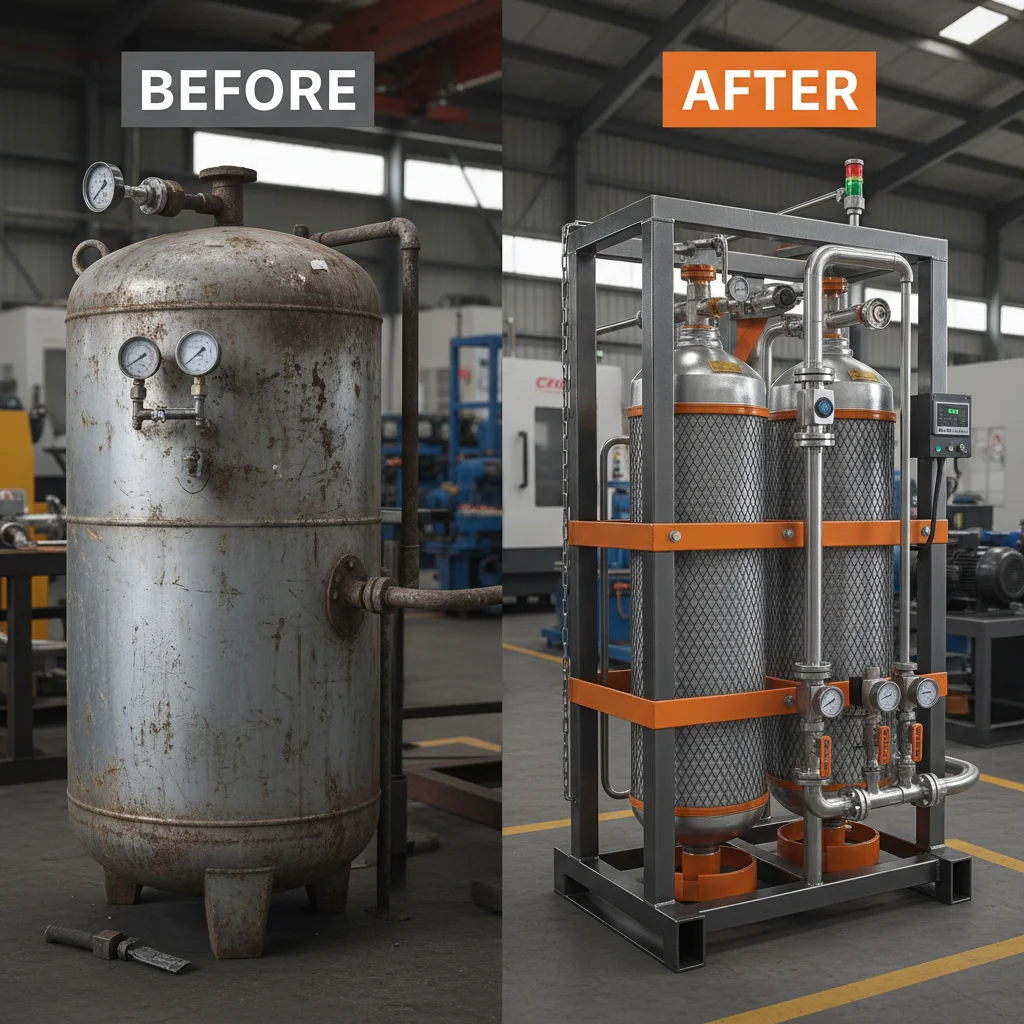
Furthermore, the durability of composite materials reduces the frequency of replacement and the costs associated with corrosion management, which is a major drawback of traditional steel tanks. This reliability fosters trust among stakeholders and ensures that the supply chain for critical gases remains uninterrupted, even in the most demanding operational conditions.
Ultimately, the shift toward these advanced systems represents a commitment to innovation. By prioritizing safety and efficiency, companies can achieve a higher level of operational dignity and professionalism, positioning themselves as leaders in the green energy transition while maintaining a competitive edge through optimized resource management.
Future Trends in Gas Compression Technology
The future of gas storage is moving toward further integration of digital transformation and automation. We anticipate the rise of "smart" cylinders equipped with embedded sensors that provide real-time data on pressure, temperature, and structural integrity. While these additions will influence the composite cng cylinder price, the ability to perform predictive maintenance will drastically reduce downtime and prevent accidents.
Another emerging trend is the development of next-generation carbon-fiber composites that offer even higher strength-to-weight ratios. These materials will allow for higher compression ratios, meaning more gas can be stored in smaller volumes, further optimizing the logistics of hydrogen and natural gas. This evolution will likely stabilize the composite cng cylinder price as manufacturing processes become more automated and efficient.
As policies worldwide continue to incentivize the use of green ammonia and hydrogen, the demand for complete EPC services—from electrolysis to cryogenic transport—will surge. The synergy between production and storage will be the key to unlocking the full potential of the hydrogen economy, ensuring that energy is produced, stored, and transported with minimal loss and maximum safety.
Analysis of Gas Storage Technology Dimensions
| Technology Type |
Weight Efficiency |
Safety Rating |
Cost Impact (1-10) |
| Steel Cylinder |
Low |
Moderate |
3 |
| Type 2 Composite |
Moderate |
High |
5 |
| Type 3 Composite |
High |
Very High |
7 |
| Type 4 Composite |
Very High |
Highest |
9 |
| Cryogenic Tank |
Moderate |
High |
8 |
| Smart Composite |
Very High |
Highest |
10 |
FAQS
The price is primarily driven by the use of high-strength carbon fiber and specialized epoxy resins, which offer a much higher strength-to-weight ratio than steel. Additionally, the complex winding process and rigorous certification tests required to meet ASME or EN standards add to the cost. However, this is offset by increased fuel efficiency and higher safety margins.
Yes, but they require specific modifications. For cryogenic storage (such as -33°C for ammonia), composite systems must include specialized liners and thermal insulation to prevent material embrittlement. These customized facilities are designed to maintain gas purity and structural integrity under extreme thermal stress, ensuring safe storage in ports and industrial zones.
Weight reduction directly lowers the fuel consumption of transport vehicles (tank trucks or ships), increasing the payload per trip. Over the lifespan of the equipment, these operational savings typically far exceed the initial premium paid for the composite cng cylinder price, resulting in a lower total cost of ownership and a faster return on investment.
Absolutely. Our EPC services support annual capacities from 50,000 to 1.2 million tons. By integrating high-capacity storage and efficient transfer equipment—such as loading arms and booster stations—we ensure that large-scale green and blue ammonia production is matched by an equally capable storage and distribution network.
You should prioritize cylinders that comply with ASME (American Society of Mechanical Engineers) and EN (European Norm) standards. These certifications guarantee that the vessel has undergone strict pressure and fatigue testing. A lower price point that ignores these standards represents a significant safety risk and may not be compliant with international maritime or industrial laws.
Carbon intensity is measured by calculating the total emissions from the feedstock preparation (e.g., water electrolysis for green hydrogen) through to synthesis and transport. By using lightweight composite storage, we reduce the emissions associated with logistics, helping the final product meet IMO decarbonization standards for the shipping industry.
Conclusion
In conclusion, while the initial composite cng cylinder price may be higher than traditional materials, the long-term benefits in safety, efficiency, and sustainability are undeniable. From the high-purity requirements of green ammonia production to the rigorous demands of transoceanic cryogenic transport, the shift toward composite materials is a strategic necessity for any organization committed to the green energy transition. By integrating advanced EPC services with high-performance storage, industries can achieve a seamless, low-carbon energy chain.
Looking forward, the convergence of smart sensor technology and next-generation composites will further optimize the economics of gas storage. We encourage stakeholders to view these systems not as a simple procurement cost, but as a foundational investment in operational reliability and environmental stewardship. For more information on our integrated energy solutions and high-performance storage systems, visit our website: www.enricgroupsjz.com.