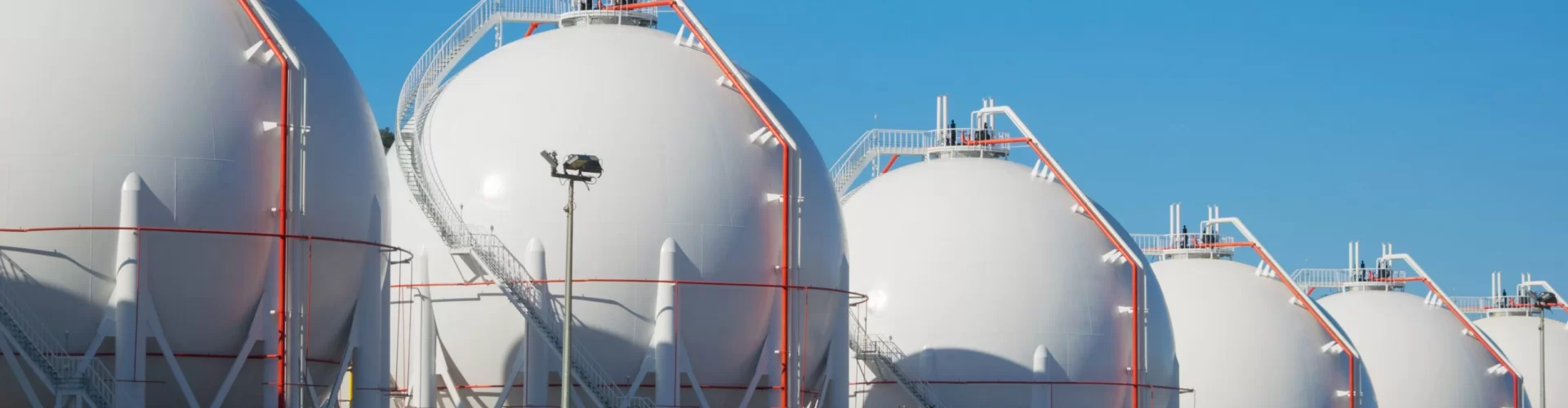
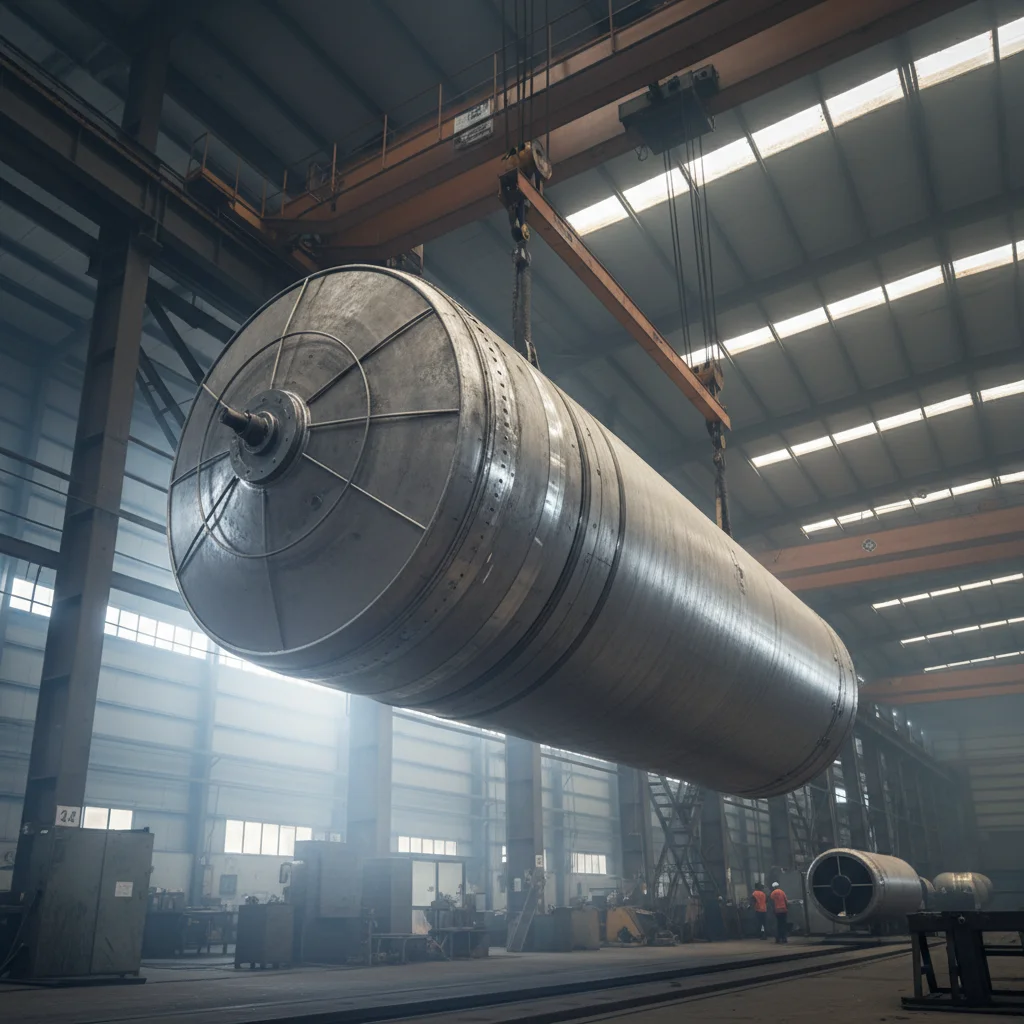
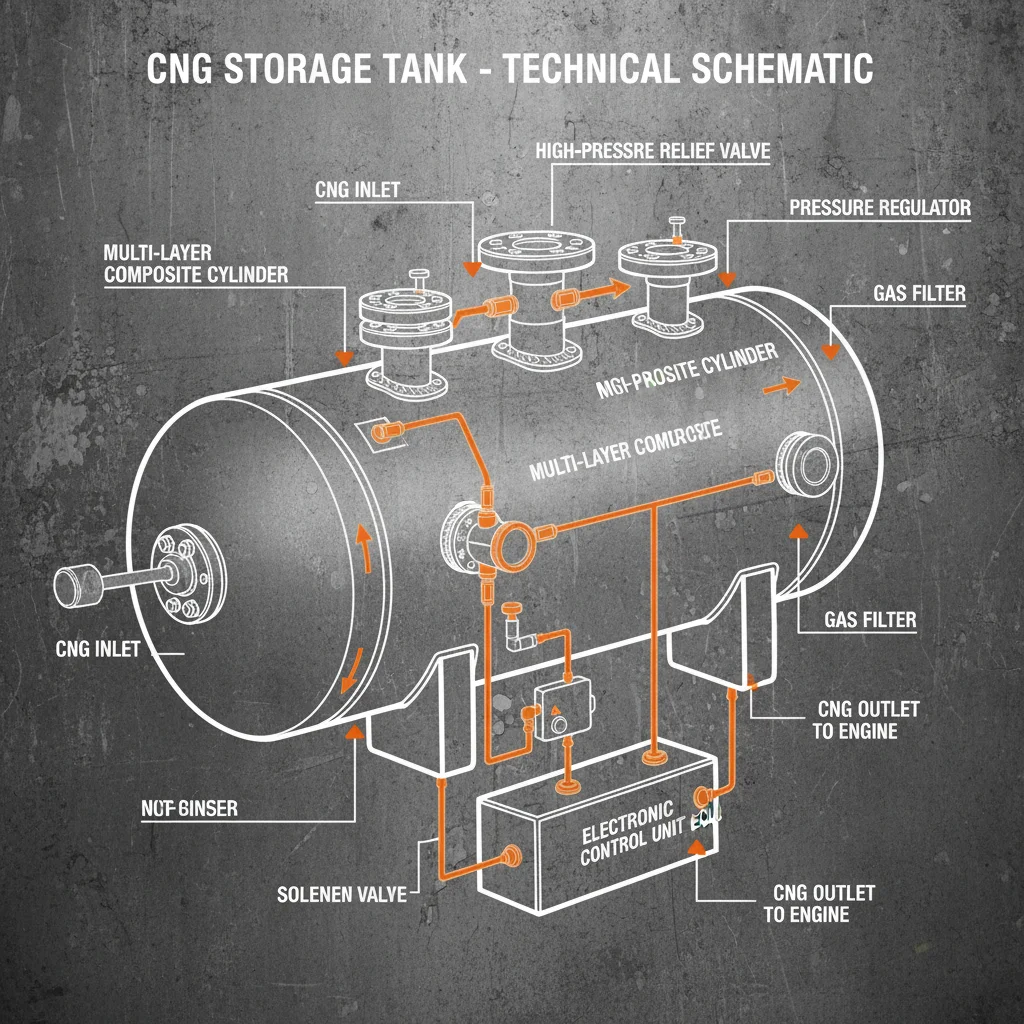
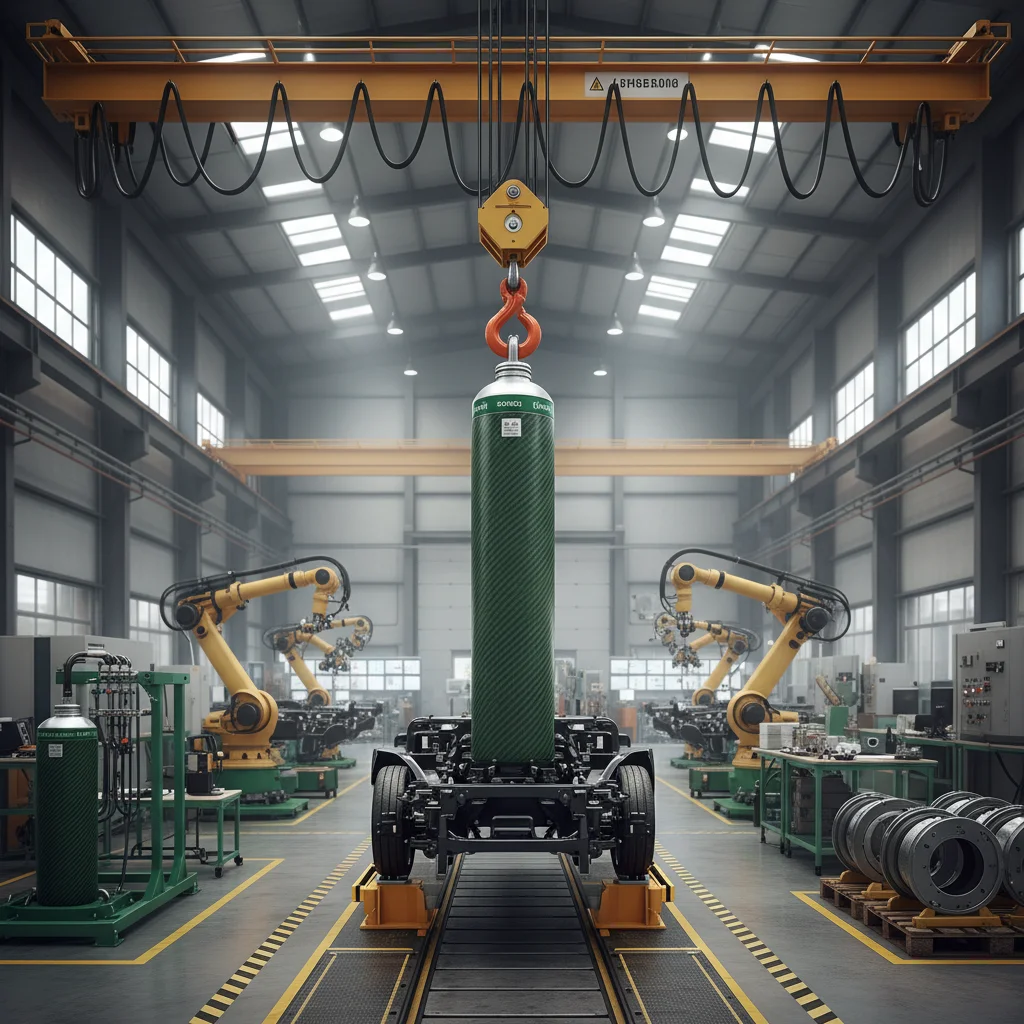
The pursuit of efficiency in the energy sector has led to a significant surge in demand for high-performance storage solutions. When evaluating the lightweight cng cylinder price, industry professionals are increasingly looking beyond the initial cost to the long-term operational savings provided by weight reduction. Modern storage technology is shifting toward materials that maximize fuel capacity while minimizing the dead weight of the vessel.
Across the global landscape, the transition toward cleaner natural gas alternatives is driving innovation in cryogenic and compressed storage. The volatility of the lightweight cng cylinder price often reflects the cost of advanced composite materials and the precision engineering required to maintain safety at high pressures. As infrastructure expands, the ability to transport more gas with fewer emissions becomes a competitive advantage for logistics providers.
Understanding the nuances of these storage systems is critical for optimizing supply chains in the green energy sector. Whether you are managing a fleet of transport vehicles or designing a stationary fueling station, the balance between durability and weight is paramount. By analyzing the lightweight cng cylinder price alongside technical specifications, companies can make informed investments that ensure both safety and sustainability.

Global Relevance of Storage Cost Efficiency
In the current global energy transition, the cost of transporting natural gas is heavily influenced by the weight of the storage medium. The market for high-capacity tanks is evolving as companies seek to reduce the carbon footprint of their logistics. When analyzing the lightweight cng cylinder price, it becomes clear that reducing tare weight directly translates to increased payload and lower fuel consumption for the transport vehicle.
International standards, such as those set by ISO and various national safety boards, ensure that weight reduction does not compromise structural integrity. The industry is seeing a move toward customized solutions where water volume and working pressure are optimized for specific regional needs, ensuring that the investment in high-end materials yields a tangible return in efficiency.
Defining Lightweight Gas Storage Standards
Lightweight gas storage refers to the engineering of pressure vessels using advanced materials—such as specialized alloys or carbon composites—to reduce the overall mass of the container without sacrificing its ability to hold high-pressure gases. In the context of the lightweight cng cylinder price, "lightweight" is a relative term that compares modern composite-wrapped cylinders to traditional heavy-duty steel tanks.
This technological shift is essential for the adoption of natural gas in remote areas where infrastructure is limited. By decreasing the tare weight, operators can transport larger volumes of gas over longer distances, making the "virtual pipeline" model economically viable. This allows energy-poor regions to access cleaner fuels without the massive capital expenditure of laying physical pipelines.
Furthermore, these standards are not just about weight but about the ratio of gas stored to the weight of the container. A higher storage-to-weight ratio typically leads to a higher lightweight cng cylinder price but offers significantly lower operating costs over the lifecycle of the equipment, providing a strategic advantage in competitive energy markets.
Key Factors Influencing Material Weight
The primary driver of the lightweight cng cylinder price is the material composition of the tank. High-strength steel provides durability, but composite materials offer the weight savings necessary for high-frequency transport. The balance between the liner material and the wrapping layer determines the final tare weight and the maximum working pressure the tank can withstand.
Another critical factor is the customized engineering of the tank's dimensions. For instance, a tank with a water volume of 63.8m³ requires different reinforcement than one with 239m³. These customizations affect the lightweight cng cylinder price because larger volumes require more complex stress analysis and high-precision welding to maintain a lightweight profile while ensuring safety.
Finally, the working pressure is a decisive element. Higher working pressures (such as 11.2 Bar or 5.1 Bar depending on the LNG/CNG phase) require thicker walls or more advanced composite wraps. This engineering trade-off directly impacts the lightweight cng cylinder price, as the materials must be rated for extreme conditions to prevent fatigue and leakage over thousands of refill cycles.
Global Applications in Energy Logistics
The application of lightweight storage is most evident in the "Virtual Pipeline" system, where LNG/CNG is transported by truck to industrial zones. In these scenarios, the lightweight cng cylinder price is justified by the ability to deliver gas to factories that are not connected to a main grid, thereby enabling industrial growth in underdeveloped regions.
In the transport sector, lightweight cylinders are integrated into heavy-duty trucks and buses to reduce the overall vehicle weight. This not only increases the amount of cargo a truck can carry but also reduces wear and tear on road infrastructure, making the adoption of natural gas a win-win for both the operator and the public sector.
Comparison of Efficiency Ratings by Storage Type
Long-Term Value and Sustainability
Investing in higher-quality storage may result in a higher initial lightweight cng cylinder price, but the long-term financial benefits are substantial. Lower tare weights mean lower fuel consumption for the delivery vehicles, which reduces operating expenses and minimizes the carbon footprint of the entire supply chain.
Beyond the economics, the use of lightweight, high-strength materials enhances safety. Advanced tanks are designed to resist corrosion and withstand extreme temperature fluctuations, ensuring that the gas remains secure during transport. This reliability builds trust with stakeholders and regulatory bodies, accelerating the transition to green energy.
Future Trends in Cryogenic Innovation
The future of gas storage is moving toward "Ultra-Lightweight" designs utilizing carbon-fiber reinforcement and nanostructured liners. As these materials become more accessible, the lightweight cng cylinder price is expected to stabilize, making high-efficiency tanks the standard rather than a premium option.
Integration with IoT and digital monitoring is another major trend. Future tanks will likely feature embedded sensors that provide real-time data on pressure and structural integrity, allowing for predictive maintenance. This shift from reactive to proactive maintenance will further increase the lifespan of the tanks and improve the overall value proposition.
Additionally, the rise of hydrogen energy will likely influence CNG technology. Many of the materials being developed to lower the lightweight cng cylinder price are also applicable to hydrogen storage, creating a cross-industry synergy that accelerates material science innovation.
Technical Analysis of Storage Capacity
When selecting a storage solution, the relationship between water volume and total weight is the most critical metric. For example, a tank with a 63.8m³ volume and a tare weight of 40,000kg provides a specific efficiency profile. Comparing this to a 239m³ tank with a tare weight of 190,700kg reveals how scaling affects the lightweight cng cylinder price and operational capacity.
The working pressure also dictates the type of materials required. A pressure of 11.2 Bar requires different wall thickness than 5.1 Bar. This technical variance means that a "one size fits all" approach is impossible; customization is key to ensuring that the lightweight cng cylinder price is optimized for the specific volume and pressure needed.
Ultimately, the total weight (tare weight plus gas weight) determines the legality and safety of transport on public roads. By optimizing the tare weight through advanced manufacturing, companies can maximize their payload while remaining compliant with international transport regulations.
Technical Comparison of LNG Storage Tank Specifications
| Water Volume (m³) |
Working Pressure (Bar) |
Tare Weight (kg) |
Price Impact Level |
| 63.8 |
11.2 |
40,000 |
Moderate |
| 239 |
5.1 |
190,700 |
High |
| Custom Small |
10.0 |
35,000 |
Low |
| Custom Mid |
8.0 |
110,000 |
Moderate |
| Custom Large |
6.0 |
210,000 |
Very High |
| Ultra-Light |
11.2 |
32,000 |
Premium |
FAQS
The price is primarily driven by the materials used, such as high-strength steel or carbon fiber composites, and the technical specifications including the water volume and working pressure. Customized designs to reduce tare weight typically increase the initial cost but lower long-term transport expenses.
Yes, modern lightweight cylinders are designed to meet or exceed the same safety standards as steel. Using composite wrapping often provides better resistance to fatigue and corrosion, and they are rigorously tested for high-pressure stability to ensure operator safety.
Reducing the tare weight allows for a higher payload of actual gas per trip. This means fewer trips are required to deliver the same volume of fuel, significantly reducing fuel consumption for the truck and lowering the overall cost per unit of gas delivered.
Absolutely. Most professional manufacturers offer customized volumes (such as 63.8m³ or 239m³) to match specific transport vehicle capacities and customer demands, ensuring the most efficient use of space and weight.
Depending on the material and maintenance, these tanks can last for decades. The use of composite materials often reduces internal corrosion, though regular pressure testing and inspections are required to ensure continued safety and compliance.
The choice depends on your storage method (CNG vs LNG) and your distribution infrastructure. Higher pressures allow for more gas in smaller volumes but require more robust (and often more expensive) materials to ensure safety.
Conclusion
In summary, the lightweight cng cylinder price is a reflection of the critical balance between material science, safety engineering, and operational efficiency. By prioritizing a reduction in tare weight and optimizing water volume and working pressure, companies can drastically improve their energy logistics, reduce environmental impact, and lower the total cost of ownership.
As we look toward a future dominated by green energy and hydrogen, the innovations in lightweight storage will be the backbone of sustainable fuel distribution. We recommend that operators evaluate their needs based on long-term ROI rather than initial purchase price to ensure they are equipped for the next generation of energy transport. Visit our website: www.enricgroupsjz.com