
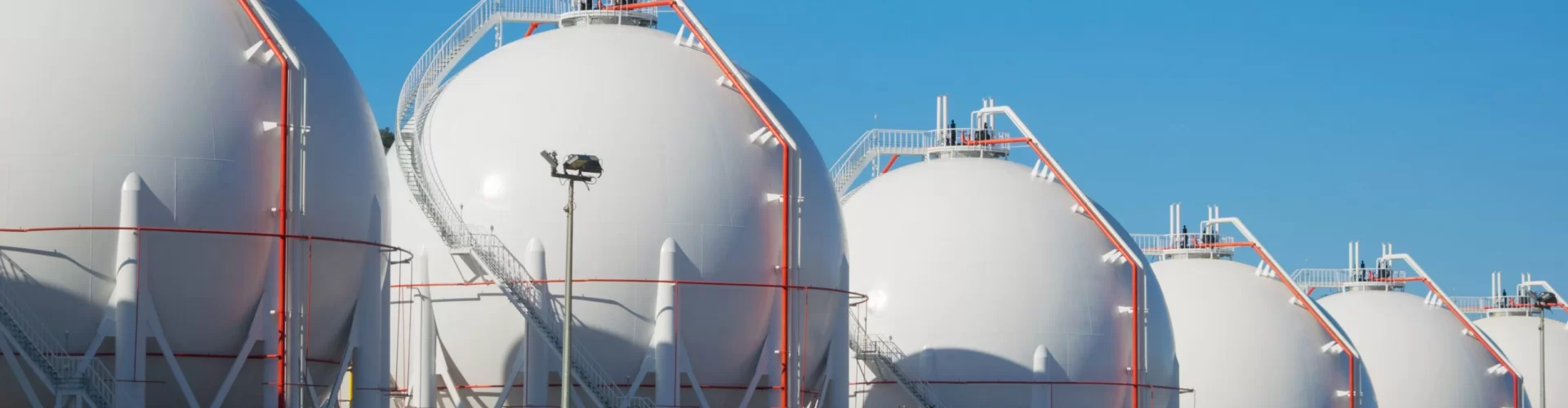
Industrial High Pressure Gas Storage and cng bottle price Guide
When evaluating the procurement of high-pressure gas storage, professional buyers often look beyond the initial cng bottle price to analyze the total cost of ownership and volumetric efficiency. For industrial sectors like semiconductor manufacturing or green energy distribution, the shift from fragmented cylinder transport to consolidated ISO-standard container systems represents a critical operational upgrade. These high-pressure industrial gas containers are precision-engineered to bridge the gap between production plants and end-users, ensuring that critical gases such as Hydrogen, Helium, and Neon are transported with maximum safety and minimal leakage.
By integrating advanced materials and adhering to rigorous international pressure vessel standards, these systems offer a scalable alternative to traditional methods. Whether supporting a hydrogen-powered ship project or maintaining ultra-high purity for electronic gas logistics, the priority remains the balance between storage capacity, working pressure, and global shipping compatibility. This guide explores the technical framework and economic advantages of adopting consolidated high-pressure container solutions for modern industrial supply chains.

Engineering Standards for High-Pressure Gas Storage and Transport
The structural integrity of industrial gas containers is governed by the ability to withstand extreme internal pressures while remaining durable enough for global transit. Our containers are designed to handle working pressures up to 250 Bar, utilizing premium corrosion-resistant materials that ensure longevity even in harsh chemical or maritime environments. This engineering focus is essential for gases like Hydrogen (H2) and Helium (He), where molecular leakage is a constant risk.
Compliance with international standards is not optional; it is a safety mandate. By adhering to ISO dimensions (20ft and 40ft), these units integrate seamlessly with existing rail, truck, and shipping infrastructure. This standardization eliminates the need for specialized handling equipment at every transit point, significantly reducing the risk of manual handling errors associated with individual cylinders. For the electronics industry, where purity is paramount, the use of ultra-high purity materials prevents contamination of specialty gases such as silane, meeting the stringent requirements of semiconductor fabrication plants.
- Pressure Tolerance: Rated for up to 250 Bar to maximize gas density.
- Material Science: Premium alloys used to prevent hydrogen embrittlement and atmospheric corrosion.
- Global Interoperability: Standardized ISO footprints for effortless multimodal logistics.

Maximizing Volumetric Efficiency and Supply Chain Reliability
One of the most significant challenges in gas logistics is the trade-off between footprint and capacity. Traditional cylinder transport is fragmented, leading to high handling times and increased safety risks due to multiple connection points. In contrast, consolidated ISO containers optimize the volume-to-footprint ratio, offering capacities up to 3930 M³ for Helium. This consolidation transforms the supply chain from a manual, labor-intensive process into an automated, streamlined flow.
Beyond physical capacity, the reliability of the supply chain is enhanced through integrated digital management. Modern high-pressure containers can be equipped with smart sensors for real-time pressure monitoring and leak detection. Automated notifications for scheduled inspections and safety valve certifications ensure that the equipment remains compliant throughout its service life, reducing unexpected downtime and preventing hazardous incidents during transport.
For companies transitioning to Green Energy, specifically Hydrogen distribution, this efficiency is a key driver. The ability to move large volumes of H2 safely and cost-effectively allows for the scaling of hydrogen refueling stations and industrial energy storage projects, supporting the broader goal of lower-carbon industrial operations.
Strategic Application in Semiconductor and Energy Sectors
The requirements for gas transport vary wildly between the energy sector and the electronics industry. In the semiconductor field, the focus is on ultra-high purity. The equipment used for Neon (Ne) or Helium (He) must ensure that no impurities are introduced during the transfer from the container to the production line. Our containers provide a robust framework for this high-purity logistics, ensuring that the gas delivered to the display panel or chip manufacturer meets sub-ppb purity levels.
In the energy sector, the emphasis shifts toward safety and scale. The development of the world's first hydrogen-powered ship demonstrated the necessity of high-capacity, high-pressure storage that can withstand the dynamic loads of maritime travel. By utilizing specialized H2 containers, operators can maintain a stable supply of fuel while minimizing the number of trips required, thereby lowering the operational cost per cubic meter of gas transported.
Whether the application is the storage of specialty gases for laboratory research or the mass distribution of industrial gases for chemical processing, the modular nature of 20ft and 40ft containers allows companies to scale their infrastructure as their demand grows, without needing to redesign their entire logistics network.
Investment Return: Consolidated Containers vs. Standard Cylinders
| Comparison Metric | Standard Cylinders | Industrial Gas Containers | Operational Impact |
|---|---|---|---|
| Transport Volume | Low (Fragmented) | High (Consolidated) | Increased throughput per trip |
| Handling Time | High (Manual) | Low (ISO Automated) | Reduced labor costs |
| Safety Risk | Moderate (Multiple Points) | Minimal (Unified System) | Lower incident probability |
| Operational Cost | Expensive per M³ | Cost-Efficient per M³ | Better economies of scale |
| Scalability | Limited | Highly Scalable | Faster infrastructure growth |
Evaluating Supplier Capabilities and Quality Certifications
Selecting a partner for high-pressure equipment requires a deep dive into their manufacturing certifications and international track record. A reliable supplier must hold certifications such as ASME and DOT, which are benchmarks for pressure vessel safety in North American and global markets. Furthermore, the ability to provide equipment that meets the standards of Europe, South Korea, and India indicates a sophisticated quality management system capable of handling diverse regulatory landscapes.
Experience with globally recognized industrial gas companies—such as Linde, Air Liquide, and Air Products—serves as a testament to a manufacturer's ability to deliver consistent quality at scale. When evaluating a supplier, buyers should look for integrated service capabilities, including after-sales support and preventative maintenance programs. The ability to provide customized solutions based on specific gas properties (e.g., the unique permeability of Hydrogen) differentiates a standard manufacturer from a strategic technology partner.
Quality control should extend beyond the assembly line to include digital archiving of all pressure tests and compliance certificates. This ensures that during audits or safety inspections, the operator has an effortless way to prove the air-worthiness and safety of their entire fleet of containers.
Future Trends in High-Pressure Gas Logistics and Carbon Reduction
The trajectory of the gas equipment industry is moving toward "smarter" and "greener" solutions. We are seeing an increase in the adoption of IoT-integrated containers that allow for autonomous inventory tracking and pressure control. This shift reduces the need for manual inspections and allows for "just-in-time" delivery cycles, optimizing the synchronization between gas producers and industrial consumers.
Furthermore, as the world pivots toward a hydrogen economy, the demand for specialized H2 distribution infrastructure will accelerate. The transition from traditional fossil-fuel-based logistics to hydrogen-powered transport—including the use of hydrogen-powered ships—will require a new generation of containers that can handle even higher pressures and more stringent safety protocols. This will likely involve the use of advanced composite materials to reduce tare weight while increasing gas capacity.
For procurement managers, the focus should be on future-proofing their investments. Choosing modular, ISO-standardized equipment that can be easily upgraded or integrated into emerging digital platforms will ensure that the current logistics framework remains relevant as the industry moves toward lower-carbon, more efficient energy distribution models.
Frequently Asked Questions on Industrial Gas Containers
What types of gases are compatible with these high-pressure containers?
Our containers are specifically designed for Hydrogen (H2), Helium (He), Neon (Ne), and various other high-purity industrial and electronic gases, ensuring maximum purity and safety during transport.
How does the working pressure affect the total gas capacity?
Higher working pressures (up to 250 Bar) allow for greater gas compression, which significantly increases the total cubic meters (M³) of gas that can be stored within the same physical internal volume.
Are these containers compliant with international shipping standards?
Yes, they are built to standard ISO dimensions (20' and 40'), making them fully compatible with global shipping containers, heavy-duty trucks, and rail transport systems for seamless logistics.
What is the difference between Water Capacity and Gas Capacity?
Water capacity refers to the internal geometric volume of the vessel in liters, while gas capacity refers to the actual amount of gas stored in cubic meters (M³) at a specific working pressure.
How should high-pressure gas containers be maintained for long-term safety?
Regular pressure testing, valve inspections, and continuous monitoring via integrated management platforms are essential for ensuring long-term safety and regulatory compliance.
Can these containers be utilized for large-scale Hydrogen energy projects?
Absolutely. Our H2-specific containers are optimized for the unique properties of Hydrogen, providing the necessary infrastructure to support Green Energy transitions and distribution.
Technical References and Industry Sources
- ISO Standards for Freight Containers
- ASME Boiler and Pressure Vessel Code (BPVC)
- US DOT Regulations for Hazardous Materials Transport
- International Energy Agency - Hydrogen Report
Optimizing your industrial gas logistics requires a strategic shift from traditional cylinder handling to integrated, high-pressure container systems. By prioritizing volumetric efficiency and international safety certifications, companies can reduce operational costs while enhancing the reliability of their supply chain. For customized configurations or technical specifications regarding high-pressure storage, contact our engineering team today.
Related Industrial Insights


