news

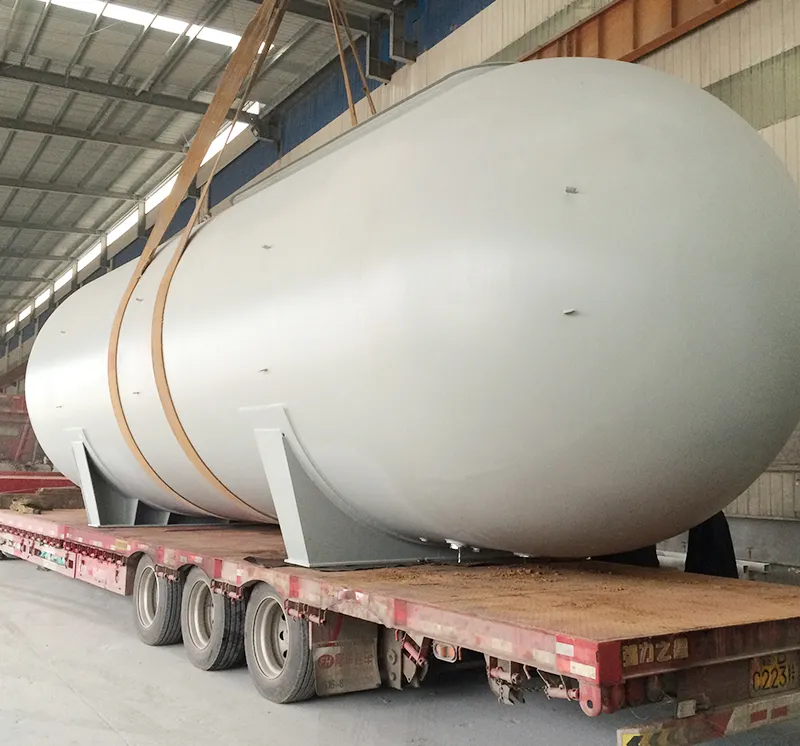
Advanced hydrogen storage tank Solutions for Malaysia's Energy Transition

Driving industrial efficiency across Asia - Malaysia with high-pressure gas compression and separation technologies tailored for the petrochemical and renewable energy sectors.

Advanced hydrogen storage tank Solutions for Malaysia's Energy Transition

Comprehensive gas handling and storage infrastructure designed to optimize the supply chain of clean energy and industrial gases in the Malaysian market.

The State of Gas Equipment Manufacturing in Malaysia

Analyzing the intersection of tropical climate challenges and industrial energy demands.

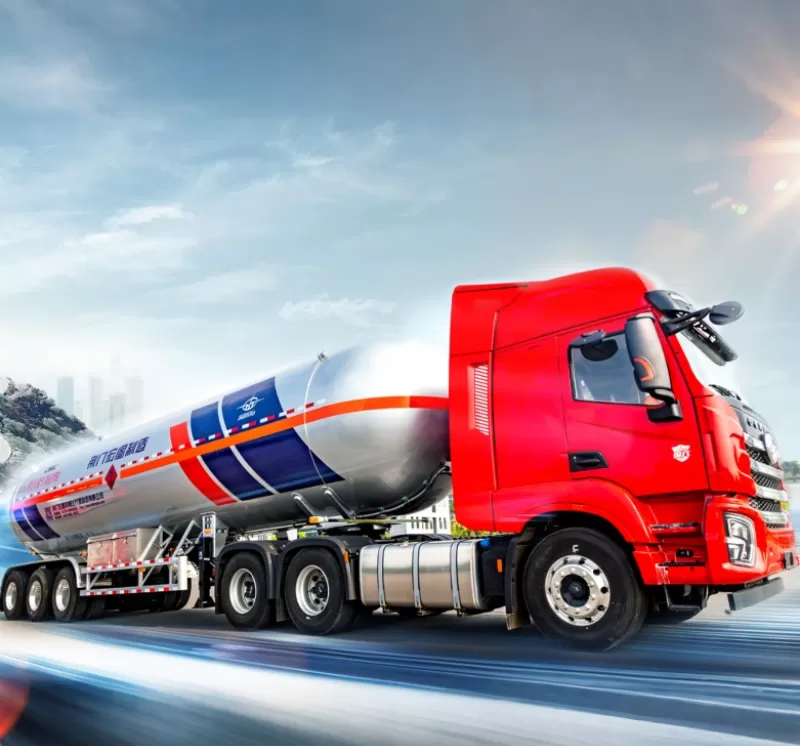
Malaysia's industrial landscape is heavily influenced by its strategic position in the oil and gas corridor. The high humidity and saline coastal environments of regions like Johor and Terengganu necessitate equipment with superior corrosion resistance, particularly for lng products used in maritime and industrial transport.

The current market is seeing a rapid shift toward decarbonization. With the government's push for a hydrogen economy, there is an urgent demand for specialized cng cylinder systems and high-capacity storage that can withstand the local atmospheric pressure and temperature fluctuations.

Furthermore, the upstream sector continues to struggle with emulsion issues in crude oil production. The integration of high-efficiency demulsifier oil and gas processing units is critical for maximizing throughput in the Gulf of Thailand and South China Sea operations.
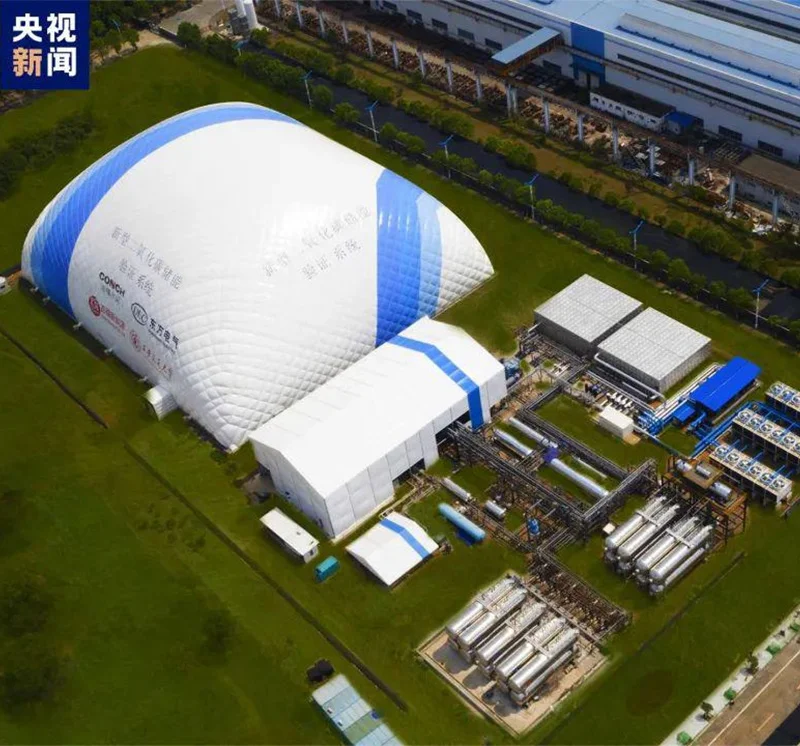
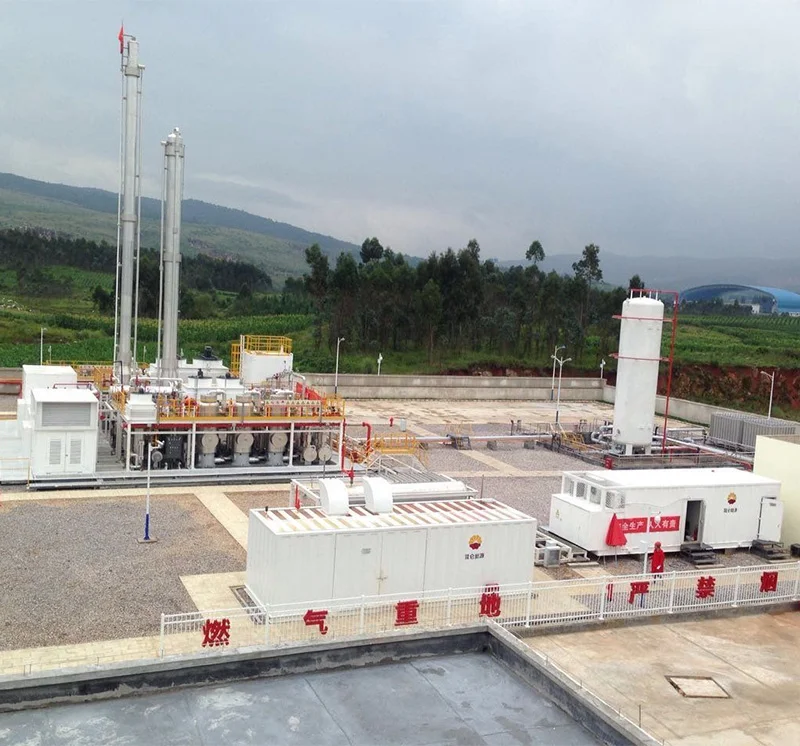
Evolution and Trajectory of Gas Separation Technology

From traditional hydrocarbon processing to the era of green hydrogen and bio-energy.

Market Development History

Between 1990 and 2010, the Malaysian market focused primarily on conventional LNG and LPG infrastructure, utilizing basic steel-based containment for bulk transport and regional distribution.

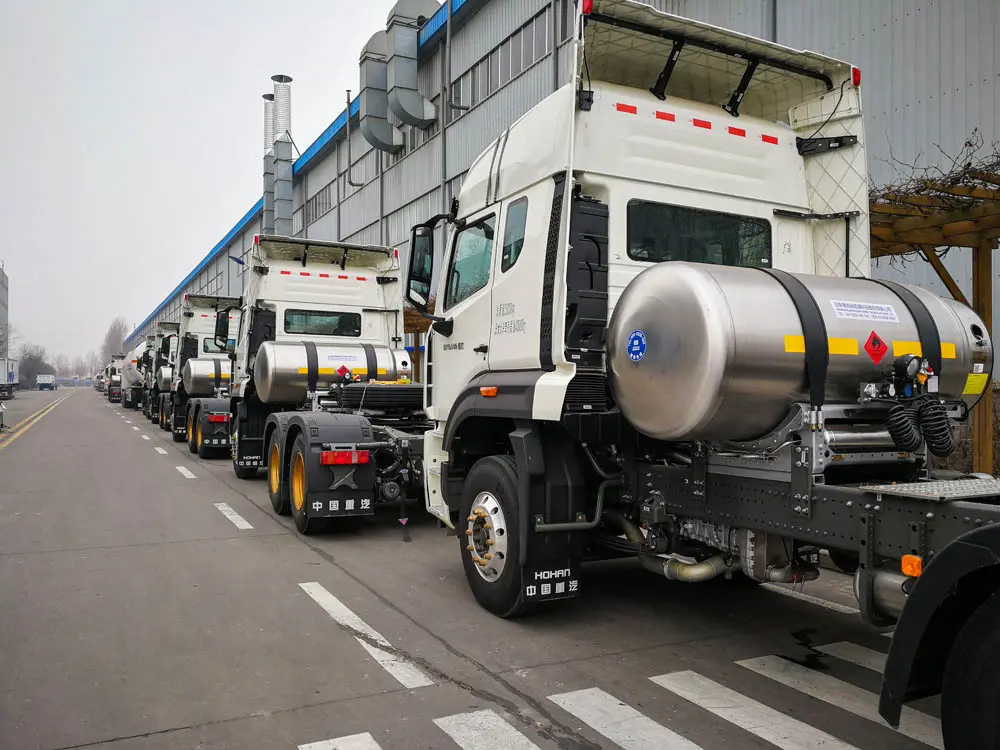
From 2011 to 2020, the industry transitioned toward composite materials. This era saw the rise of Type 3 and Type 4 cylinders, significantly reducing the weight of transportation units and improving safety margins for industrial gas delivery.

Since 2021, the focus has pivoted toward sustainability. The introduction of bio lpg gas systems reflects a strategic move to integrate biomass derivatives into the existing energy grid, reducing reliance on fossil-based feedstocks.

Future Development Trends

Cryogenic Material Innovation

Expect a shift toward nano-composite linings that prevent hydrogen embrittlement, ensuring the longevity of high-pressure storage in tropical climates.

Digital Twin Integration

The adoption of IoT-enabled monitoring for real-time leak detection and pressure management in gas separation plants will become the industry standard.

Circular Bio-Economy

Increasing synergy between palm oil mill effluent (POME) and bio-gas upgrading plants to produce high-purity renewable energy for industrial use.

Future Outlook for Gas Equipment in Asia - Malaysia

Strategic forecasts based on Google Search trends and regional energy roadmaps.

Hydrogen Hub Expansion
Rapid growth in demand for high-pressure storage as Malaysia aims to become a regional hydrogen export hub.
Modular Separation Units
Shift toward "plug-and-play" gas separation modules to reduce installation time in remote offshore locations.
Bio-LPG Integration
Integrating bio-energy solutions into traditional LPG supply chains to meet ESG targets.
Smart Pressure Vessels
Development of self-diagnostic storage tanks that predict maintenance needs using AI.

Industry Outlook

Based on regional search volume and industrial policy, the next 3-5 years will see a surge in "Green Gas" infrastructure. Malaysia's commitment to the National Energy Transition Roadmap (NETR) will drive the adoption of high-performance separation and compression equipment.

We anticipate a convergence of traditional petrochemical engineering and renewable gas technology, where existing LNG facilities are retrofitted to handle ammonia and hydrogen blends, requiring a total overhaul of storage safety standards.

Localized Application Scenarios in Malaysia

Practical deployment of gas equipment across diverse Malaysian industrial sectors.

01. Offshore Oil Platforms in East Malaysia

Implementing advanced separation systems and demulsifier oil and gas treatments to ensure rapid oil-water separation in the harsh conditions of the South China Sea.

02. Industrial Parks in Klang Valley

Deployment of high-capacity cng cylinder banks for factory power backup and fuel-switching initiatives to reduce carbon footprints.

03. Palm Oil Biomass Plants in Perak

Integration of bio-gas upgrading systems to produce bio lpg gas for local community heating and industrial boiler fuel.

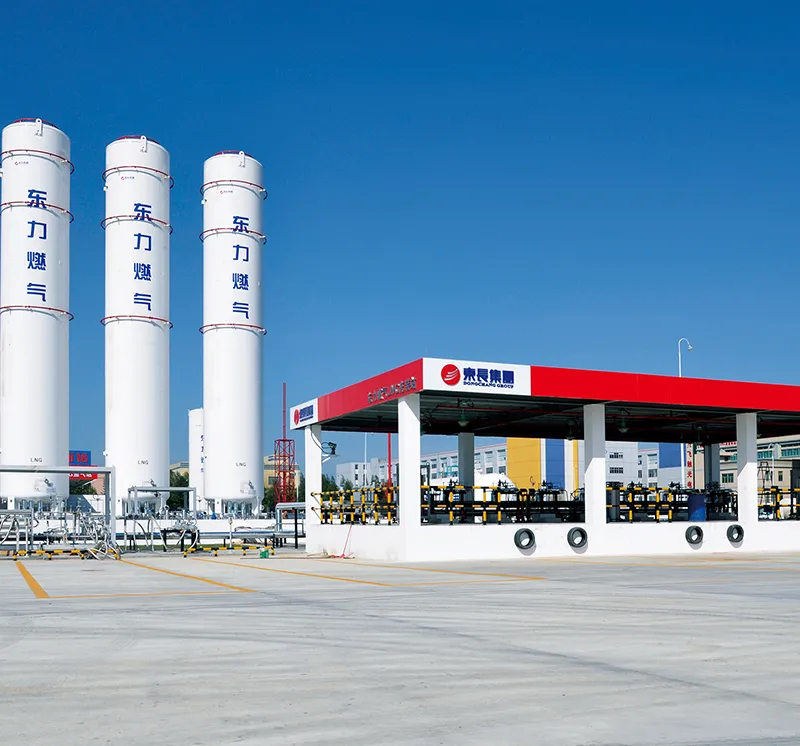
04. LNG Bunkering Stations in Port Klang

Utilization of specialized lng products and cryogenic pumps to facilitate the transition of marine fleets to cleaner fuels.

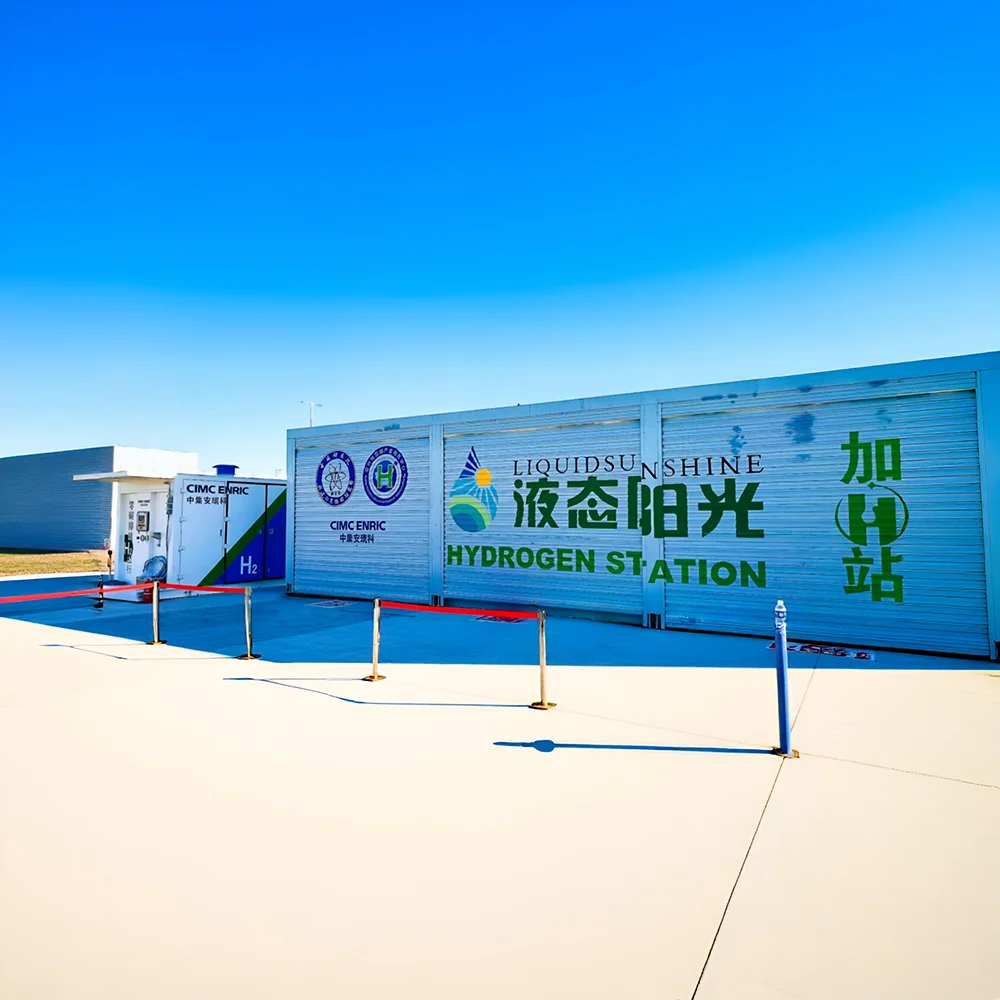
05. Future Hydrogen Refueling Stations in Kuala Lumpur

Installing state-of-the-art hydrogen storage tank arrays to support the rollout of fuel-cell commercial vehicles in the urban core.

Brand Story

Global Development History of Shijiazhuang Enric Gas Machinery Co., Ltd.

Engineering Foundation

Founded with a focus on precision gas compression, we began by solving the most basic pressure stability issues for regional chemical plants.

Technological Breakthrough

Developed proprietary alloy bonding techniques that significantly increased the safety and lifespan of high-pressure gas cylinders.

Global Market Entry

Expanded operations into Asia and the Middle East, adapting our equipment to withstand extreme tropical and desert environments.

Sustainable Transition

Pivoted R&D toward green hydrogen and bio-gas technologies to lead the global energy transition toward net-zero emissions.

Industry Leadership

Today, we provide end-to-end gas solutions, from separation to storage, for the world's most demanding energy projects.

Comprehensive Gas Solutions for Malaysia

A full spectrum of equipment designed for the unique demands of the Malaysian industrial landscape.

Frequently Asked Questions in Malaysia

Technical insights and regulatory guidance for gas equipment operators.

What are the safety standards for cng cylinder usage in Malaysia?

Equipment must comply with both international ISO standards and local DOSH (Department of Occupational Safety and Health) regulations, ensuring rigorous pressure testing and certification.

How do lng products perform in high-humidity tropical climates?

Our products utilize advanced vacuum insulation and anti-corrosive coatings to prevent thermal gain and external degradation caused by Malaysia's humid atmosphere.

Can a hydrogen storage tank be retrofitted into existing gas plants?

Yes, but it requires a complete review of the piping material to avoid hydrogen embrittlement and an upgrade to the pressure monitoring systems.

How does a demulsifier oil and gas system improve crude oil purity?

By breaking the interfacial tension between oil and water droplets, our systems accelerate the separation process, reducing the need for extensive heating.

What is the purity level of bio lpg gas produced from palm oil waste?

With our advanced separation and scrubbing technology, bio-LPG can achieve purities exceeding 95%, making it compatible with standard LPG burners.

What is the maintenance cycle for high-pressure gas separation equipment?

Depending on the feedstock purity, we recommend a comprehensive inspection every 12-24 months, with quarterly sensor calibration to ensure operational safety.

Ready to Optimize Your Gas Infrastructure?

Our engineering team is ready to provide customized gas compression and storage solutions for your projects in Malaysia.

Contact Us Now

If you are interested in our products, you can choose to leave your information here, and we will be in touch with you shortly.