
news

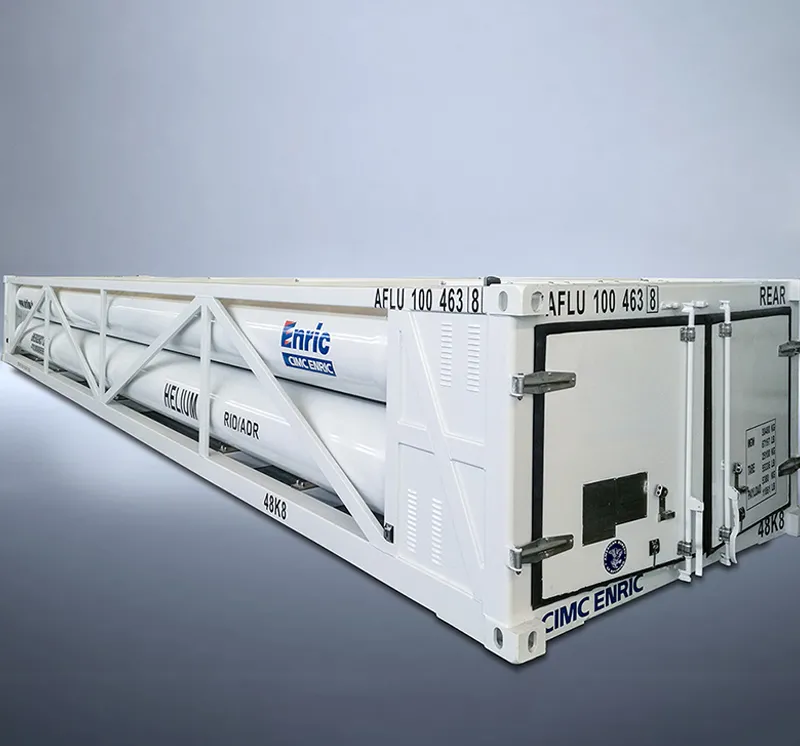
Advanced hydrogen storage tank Solutions for Brazil's Energy Transition

Driving the future of industrial gas compression and separation with high-performance storage and processing technology tailored for the Brazilian market.

Advanced hydrogen storage tank Solutions for Brazil's Energy Transition

Providing world-class gas compression and separation equipment to optimize energy efficiency and safety for Brazil's chemical and industrial sectors.

Energy Infrastructure Status in Brazil

Analyzing the intersection of natural gas expansion and green energy adoption in South America's largest economy.

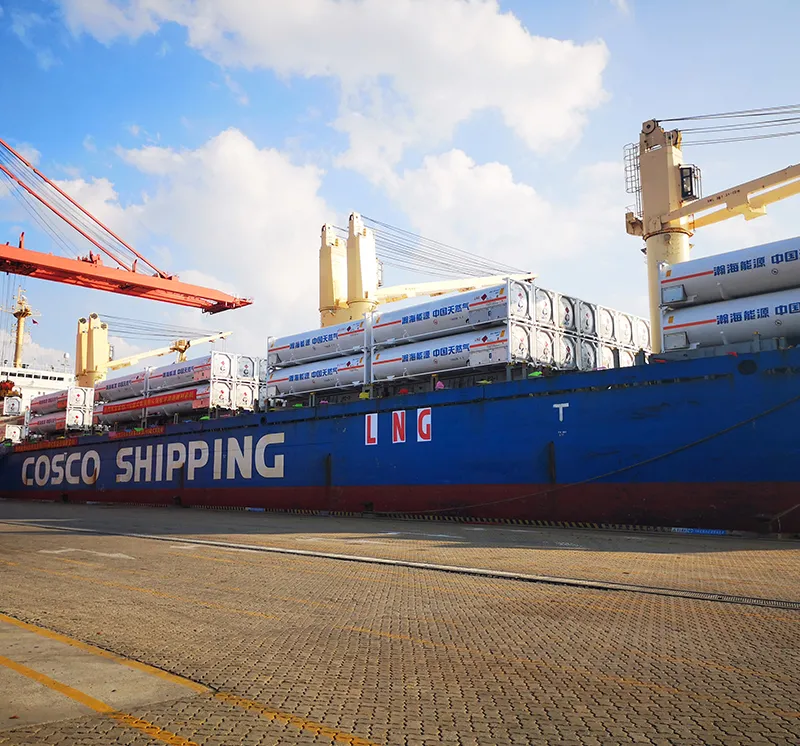
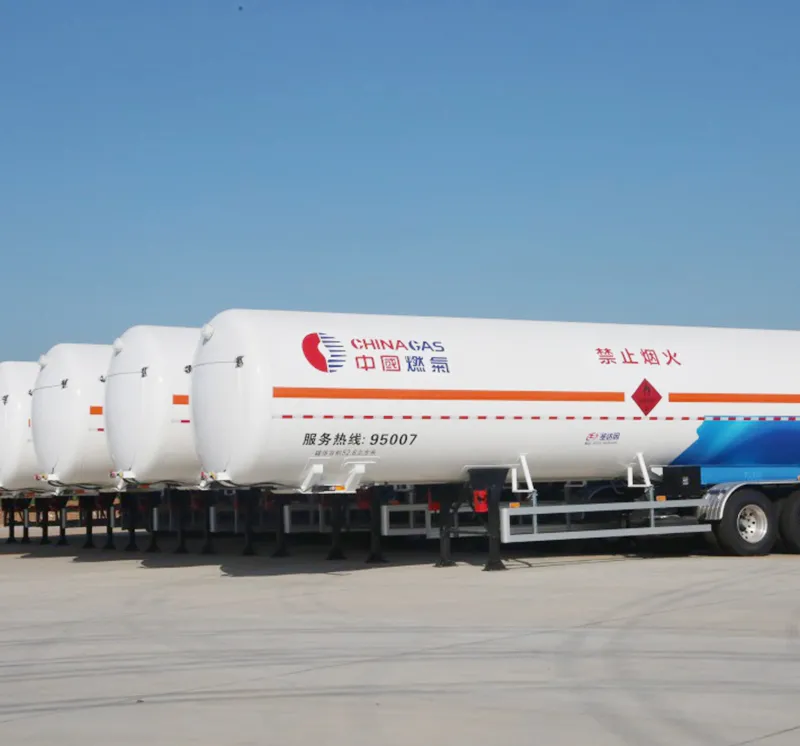
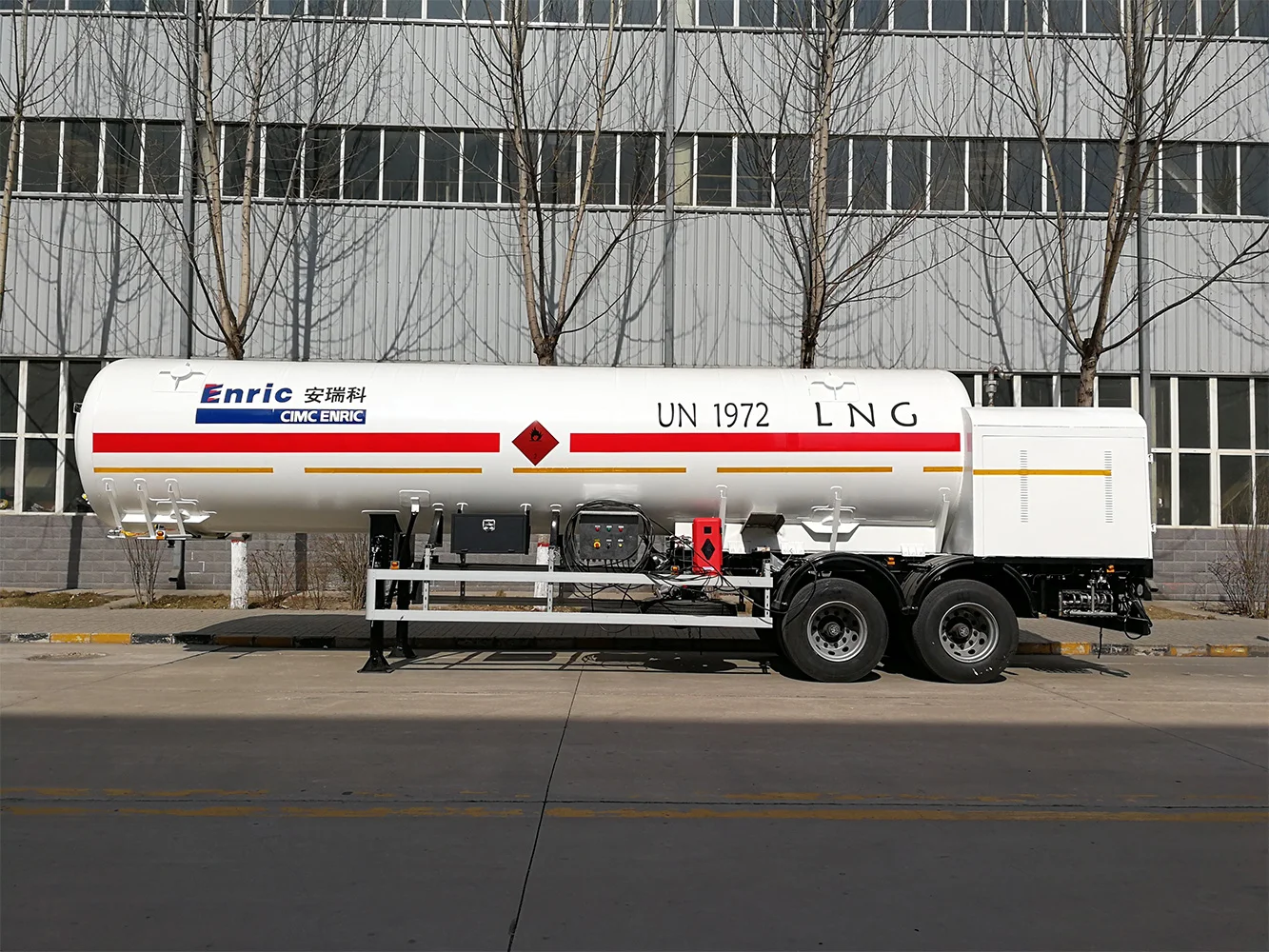
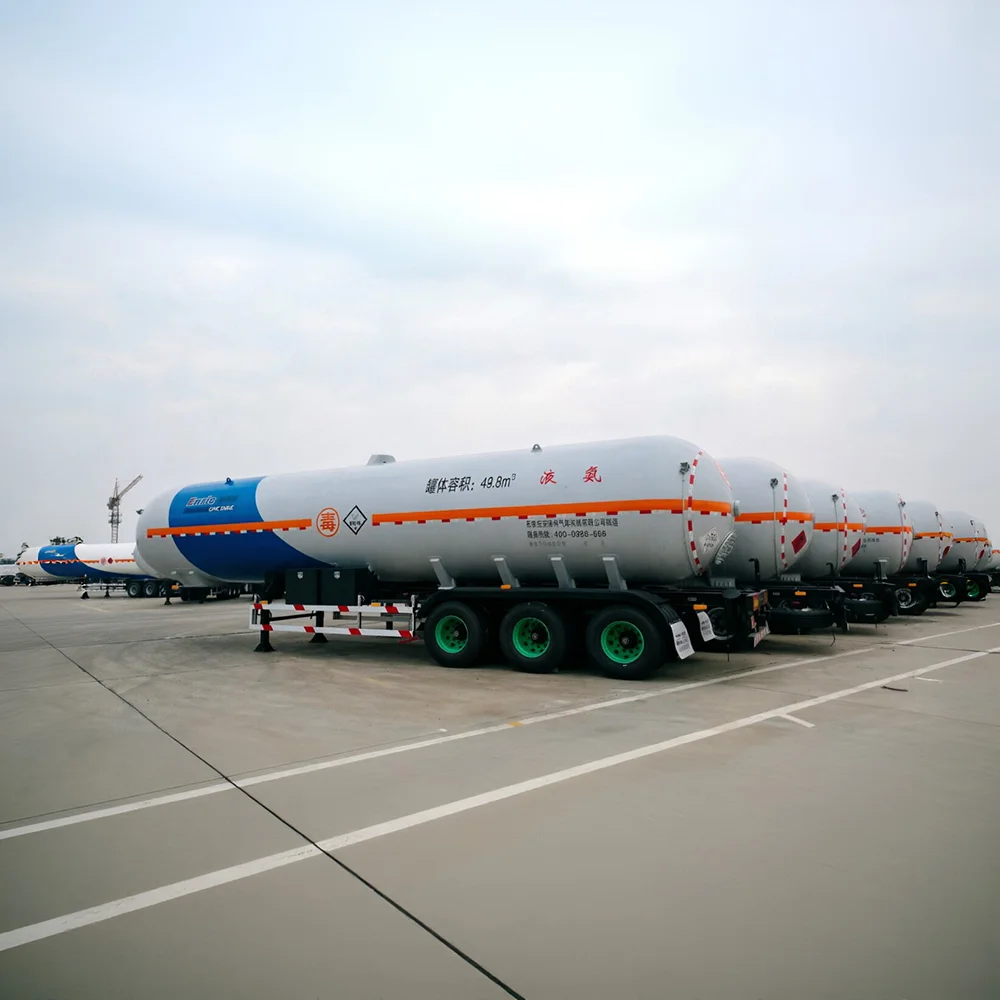
Brazil is currently undergoing a massive shift in its energy matrix, leveraging its vast offshore Pre-salt reserves. The demand for efficient lng products has surged as the country seeks to diversify its fuel sources and reduce dependence on traditional hydroelectric power during drought cycles.

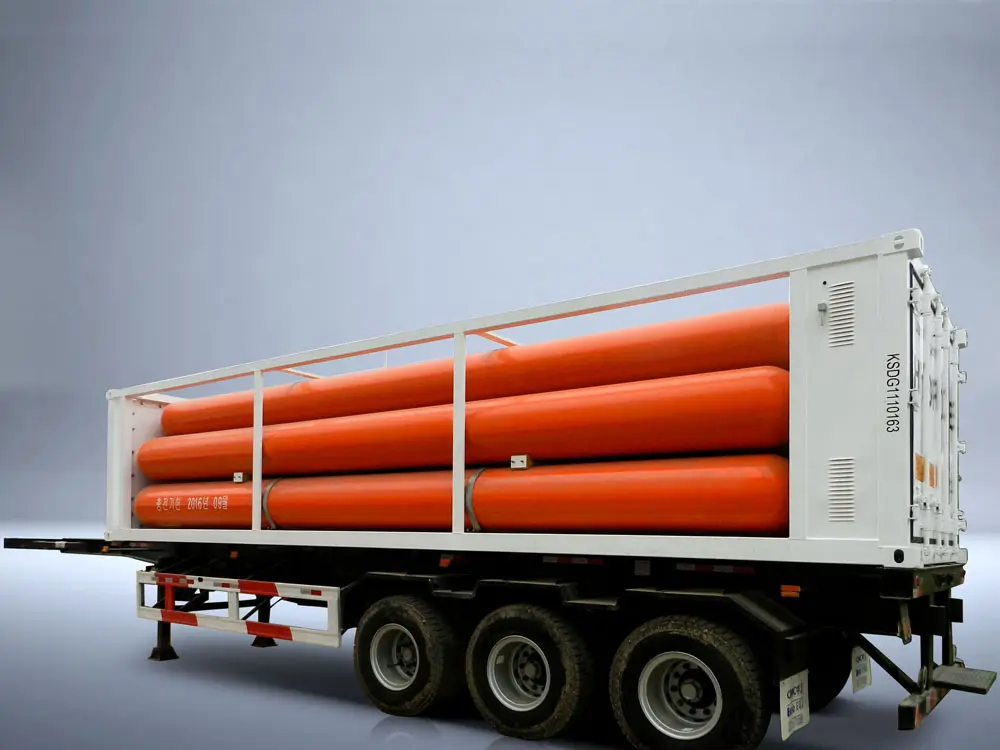
In the industrial heartlands of São Paulo and Minas Gerais, the adoption of cng cylinder technology is accelerating for heavy-duty logistics to lower carbon emissions. However, the humid subtropical climate requires equipment with superior corrosion resistance and strict adherence to safety standards to prevent structural fatigue.

Furthermore, the oil and gas sector in the Campos and Santos basins faces persistent challenges with emulsion stability. The integration of high-efficiency demulsifier oil and gas processing equipment is critical for optimizing crude oil purity and maximizing export quality from onshore and offshore facilities.
Evolution of Gas Equipment in Brazil

From basic compression to the era of sustainable hydrogen and bio-gas storage.

Market Development History

During the early 2000s, Brazil's gas sector focused primarily on basic distribution and rudimentary compression. The initial phase relied on imported standard tanks and limited separation technology, focusing on basic natural gas extraction for urban consumption.

Between 2010 and 2020, the industry witnessed a "Technical Leap," where the focus shifted toward high-pressure storage and the introduction of bio lpg gas as a sustainable alternative, utilizing Brazil's strong agribusiness base to create a circular energy economy.

From 2021 to the present, the focus has pivoted toward the "Green Hydrogen" movement. The deployment of advanced hydrogen storage tank systems has become the new frontier, aligning with Brazil's commitment to net-zero emissions by 2050.

Future Development Trends

Decentralized LNG Hubs

A shift toward smaller, modular regasification plants to provide energy to remote industrial zones in the North and Northeast regions.

Carbon-Neutral Storage

Integration of composite materials in gas cylinders to reduce weight and increase the lifecycle of transport equipment in harsh environments.

Synergy of Bio-fuels and Gas

The convergence of ethanol and compressed gas technologies to create hybrid energy solutions for the Brazilian automotive fleet.

Industry Trends and Future Outlook

Strategic forecasting for gas compression and separation equipment in the Brazilian market.

Hydrogen Economy Acceleration
Rapid expansion of electrolysis plants leading to massive demand for high-pressure storage and transport systems.
Bio-LNG Integration
Conversion of agricultural waste into Bio-LNG, requiring specialized compression and liquefaction units.
Digital Twin Monitoring
Implementing IoT and real-time sensor data for predictive maintenance of gas storage and compression plants.
Modular Separation Units
Standardized, plug-and-play separation modules for rapid deployment in remote oil fields.

Industry Outlook

The next 3-5 years will see Brazil emerge as a global hub for green hydrogen exports. Google search trends indicate a sharp increase in queries regarding "hydrogen infrastructure" and "sustainable gas storage" within the Brazilian industrial sector, signaling a shift toward high-value, low-carbon assets.

We expect a transition where traditional natural gas equipment is augmented by hybrid systems capable of handling multiple gas types, significantly reducing the total cost of ownership for plant operators through increased versatility and energy recovery systems.

Localized Application Scenarios in Brazil

Practical implementations of gas equipment across various Brazilian industries.

01. Offshore Pre-Salt Gas Processing

Utilizing high-efficiency separation and compression units to manage the high-pressure gas flows extracted from deep-water wells in the Santos Basin.

02. Agribusiness Bio-Gas Conversion

Deploying bio lpg gas systems in sugarcane processing plants to convert waste into clean energy for local power grids.

03. Urban Heavy-Duty Logistics

Implementation of cng cylinder fleets for logistics companies operating between São Paulo and Rio de Janeiro to lower fuel costs.

04. Industrial Hydrogen Pilot Plants

Installation of specialized hydrogen storage tank arrays for steel manufacturers in Minas Gerais transitioning to green hydrogen.

05. Crude Oil Dehydration Facilities

Applying advanced demulsifier oil and gas solutions to reduce water content in onshore oil production in the Northeast region.

Brand Story

Global Development History of Shijiazhuang Enric Gas Machinery Co., Ltd.

Foundational Excellence

Established with a mission to solve the most complex challenges in high-pressure gas compression and separation for global industries.

Technological Breakthroughs

Developed proprietary seal and valve technologies that significantly reduced gas leakage and increased the safety of storage systems.

Global Market Expansion

Successfully entered the South American market, adapting European and Asian standards to meet the specific regulatory requirements of Brazil.

Commitment to Sustainability

Pivoted R&D focus toward hydrogen and bio-gas equipment to support the global energy transition toward carbon neutrality.

Industry Leadership

Recognized as a leading provider of integrated gas solutions, bridging the gap between raw extraction and clean end-use application.

Complete Gas Equipment Portfolio for Brazil

A comprehensive suite of products designed for the Brazilian energy landscape.

Frequently Asked Questions in Brazil

Expert answers to technical and regulatory queries regarding gas equipment.

How do high-pressure cng cylinder standards comply with Brazilian safety laws?

Our cylinders are manufactured to exceed both international ISO standards and specific Brazilian safety certifications, ensuring durability under high tropical temperatures.

What are the benefits of using specialized lng products for remote industrial sites?

LNG products allow for "virtual pipelines," enabling energy delivery to areas where physical gas grids are unavailable, significantly reducing operational costs.

Can a hydrogen storage tank be integrated into existing natural gas plants?

Yes, our modular storage systems are designed for retrofitting, allowing plants to gradually introduce hydrogen blending into their current infrastructure.

How does the demulsifier oil and gas process handle high-salinity Brazilian crude?

Our separation equipment uses advanced chemical-mechanical synergy to break stable emulsions even in high-salinity environments typical of Pre-salt oil.

Is bio lpg gas viable for large-scale industrial heating in South America?

Absolutely. Bio-LPG offers a drop-in replacement for traditional LPG, utilizing existing burners and piping while drastically reducing the carbon footprint.

What maintenance cycle is recommended for compression equipment in humid climates?

Due to humidity, we recommend a quarterly inspection of seals and a biannual lubrication audit to prevent oxidation and ensure maximum uptime.

Ready to Optimize Your Gas Infrastructure?

Our expert engineering team is ready to provide customized solutions for your operations in Brazil.

Contact Us Now

If you are interested in our products, you can choose to leave your information here, and we will be in touch with you shortly.