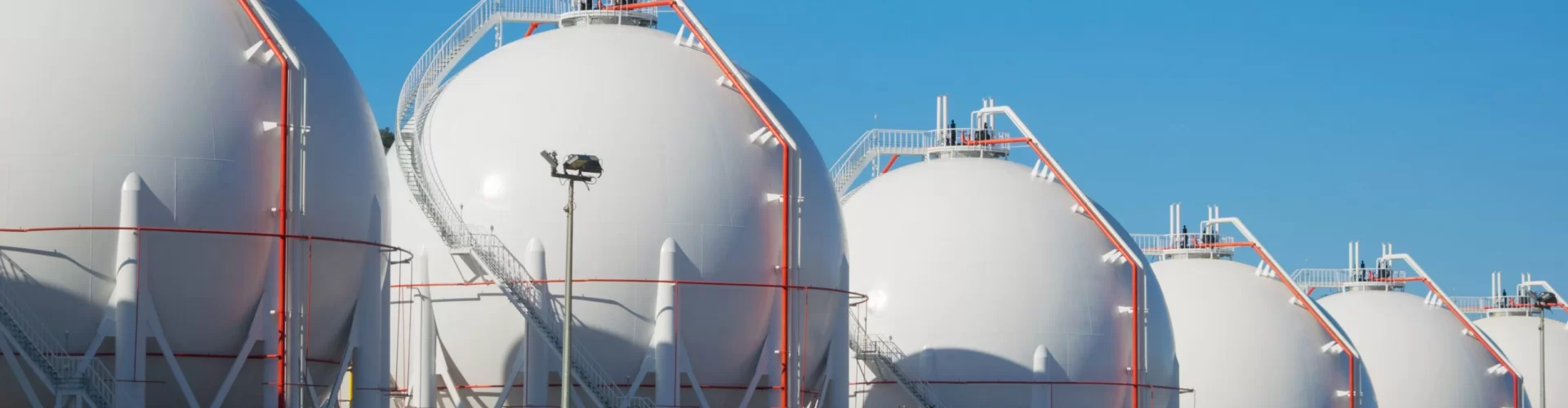
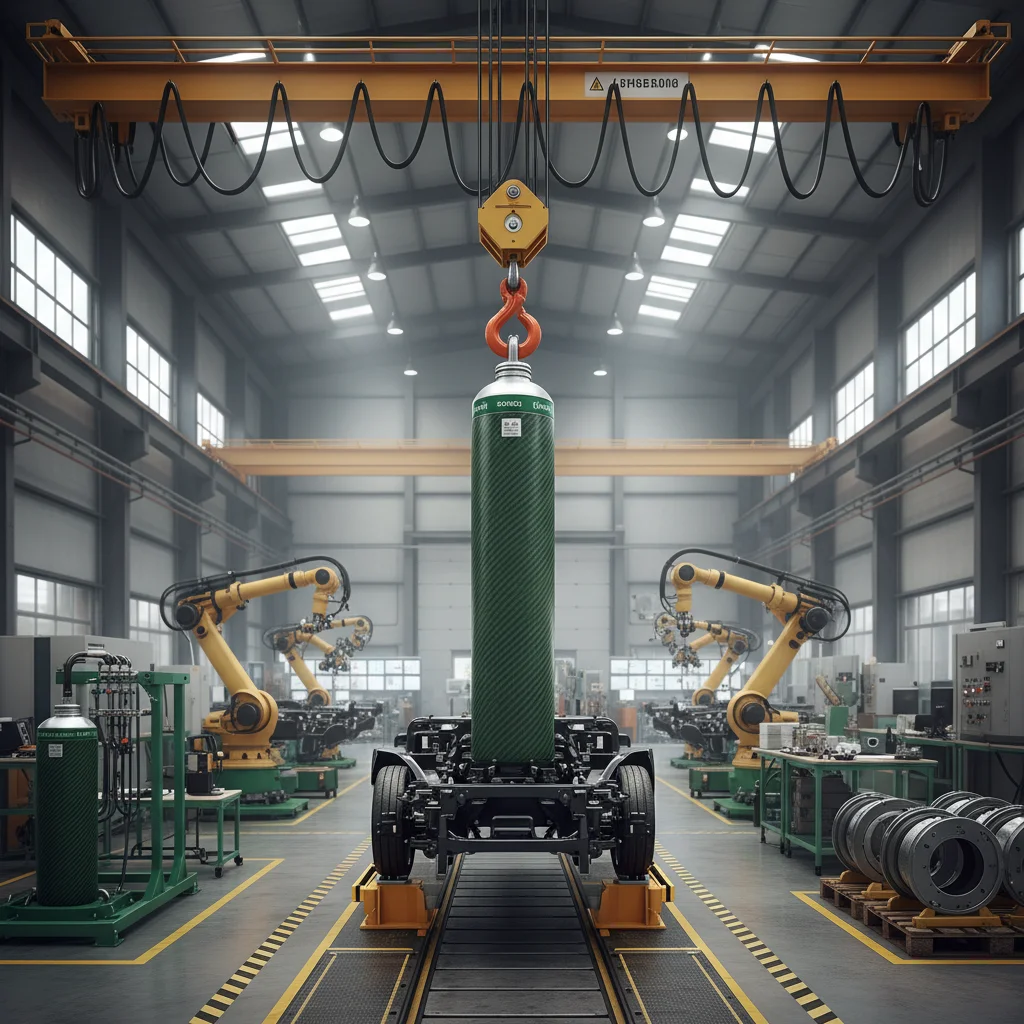
The global energy landscape is undergoing a seismic shift toward cleaner, more flexible fuel sources, and portable cng stands at the forefront of this transition. By enabling the transport of compressed natural gas without the need for expensive, fixed pipeline infrastructure, these modular solutions are unlocking energy access for remote industrial sites and urban centers alike. Understanding the mechanics and logistics of this technology is essential for companies looking to reduce their carbon footprint while maintaining high operational reliability.
From a logistical perspective, the adoption of portable cng solves the "last mile" delivery challenge that has long plagued the natural gas industry. By utilizing high-pressure tube skids, energy providers can now move massive volumes of gas—up to 8,855 M³ in premium configurations—across varied terrains using standard freight transport. This versatility transforms natural gas from a static resource into a dynamic asset that can be deployed wherever demand peaks.
Ultimately, the integration of portable cng into the broader green energy ecosystem facilitates a smoother transition from heavy fuel oils to lower-emission alternatives. As industries strive to meet ISO environmental standards and global sustainability goals, the ability to deploy scalable, safe, and high-capacity gas storage solutions becomes a competitive advantage. This guide explores the technical foundations, applications, and future trajectories of portable compressed natural gas systems.

Global Context of Portable CNG Logistics
On a global scale, the demand for cleaner energy is no longer just an environmental preference but a regulatory mandate. According to trends observed by international energy agencies, the shift toward natural gas as a "bridge fuel" is accelerating. However, the primary obstacle remains the immense capital expenditure required to build permanent pipelines. This is where portable cng enters the frame, providing a virtual pipeline that allows energy to flow into underdeveloped regions or temporary industrial sites without the need for underground infrastructure.
The strategic importance of this flexibility is evident in emerging markets where rapid industrialization outpaces infrastructure development. By deploying modular tube skids, companies can bypass the years of planning and permitting required for pipelines, reducing the time-to-market for energy-intensive projects. This agility not only lowers the entry barrier for small-to-medium enterprises but also enhances the overall energy security of a region by diversifying the modes of fuel delivery.
Defining Portable CNG and Its Industrial Role
In simple technical terms, portable cng refers to the system of compressing natural gas to high pressures (typically around 250 Bar) and storing it in specialized, high-strength tube trailers or skids. Unlike Liquefied Natural Gas (LNG), which requires cryogenic cooling to extremely low temperatures, CNG relies on pressure. This makes the portable delivery system more straightforward to operate and less energy-intensive to maintain at the point of delivery, as it eliminates the need for complex regasification plants.
From an industrial standpoint, this technology serves as a critical link in the supply chain for various sectors, including chemicals, electronics, and hydrogen energy. It allows for the precise delivery of high-purity gases to specific points of use, ensuring that manufacturing processes are not interrupted by fuel shortages. The "portable" aspect refers to the use of standard 20ft and 40ft ISO-compliant dimensions, which means these units can be seamlessly transported via ship, rail, or truck globally.
Furthermore, the role of portable cng extends into humanitarian and emergency response. In the wake of natural disasters where fixed energy grids are destroyed, portable gas skids can be rapidly deployed to power emergency generators or heating systems. This ability to provide immediate, high-capacity energy makes it a vital tool for resilience in an increasingly volatile global climate.
Core Components of High-Pressure Gas Systems
The efficacy of portable cng relies heavily on the engineering of the storage vessels. The primary component is the tube skid, which must be constructed from advanced alloys capable of withstanding constant working pressures of 250 Bar. These materials are selected for their high strength-to-weight ratio, ensuring that the vessel can hold a maximum volume of gas while keeping the tare weight low enough to optimize transport efficiency.
Precision engineering in the valve and manifold systems is another critical factor for portable cng. These components regulate the flow of gas during filling and discharging, preventing pressure spikes and ensuring a controlled release. High-quality sealing technology is employed to eliminate leakage, which is not only a safety requirement but also essential for maintaining the economic value of the gas being transported.
Finally, the integration of digital monitoring systems has revolutionized the management of portable cng fleets. Modern skids often feature real-time pressure sensors and capacity alerts that feed into a centralized logistics platform. This allows operators to track gas levels, schedule refills, and monitor the structural integrity of the cylinders remotely, drastically reducing the risk of operational downtime.
Technical Performance and Efficiency Metrics
When evaluating the performance of portable cng systems, the most critical metric is the gas-to-weight ratio. For instance, a 20ft skid with a tare weight of 16,900 Kg can hold 3,955 M³ of gas. In contrast, the premium 40ft models can push capacity up to 8,855 M³. The goal is to maximize the volumetric efficiency while adhering to road transport weight limits, ensuring that each trip delivers the maximum possible energy unit.
Safety and durability are equally prioritized. The ability to maintain a stable 250 Bar working pressure over thousands of refill cycles defines the long-term ROI of the equipment. By utilizing precision-engineered tube skids, operators can reduce the frequency of delivery cycles, thereby lowering fuel costs and reducing the carbon footprint of the transport fleet itself.
Efficiency Comparison of Portable CNG Configurations
Global Applications and Strategic Use Cases
The versatility of portable cng makes it indispensable across various global industries. In remote mining and oil extraction zones, where pipeline construction is geologically impossible, portable tube skids provide the only viable way to transport high-pressure gas for on-site power generation. This allows these operations to switch from diesel generators to cleaner-burning natural gas, significantly reducing local air pollution.
In the realm of urban energy transitions, "virtual pipelines" powered by portable cng are being used to fuel public transport fleets and industrial parks that are not yet connected to the main grid. By strategically placing "mother-daughter" stations—where a large portable skid (mother) refills smaller delivery trucks (daughter)—cities can rapidly scale their CNG infrastructure without waiting for massive civil engineering projects to be completed.
Long-Term Value and Sustainability Benefits
Investing in portable cng offers a compelling blend of economic and environmental value. From a logical angle, the reduction in CAPEX compared to pipeline installation is staggering. Companies can scale their energy delivery capacity incrementally, adding more 20ft or 40ft skids as their demand grows, rather than committing to a multi-million dollar infrastructure project that may take years to yield a return.
Beyond the numbers, there is a strong emotional and ethical driver: sustainability. Natural gas emits significantly less CO2 and NOx than coal or diesel. By making this fuel accessible to remote areas through portable cng, we are effectively promoting a "green leapfrog" effect, where developing regions can skip the dirtiest stages of industrialization and move straight to lower-carbon energy sources.
Reliability also builds trust between energy providers and their end-users. A robust, high-pressure system that guarantees delivery despite geographic challenges ensures that critical industries—such as hospitals in remote areas or high-tech factories—have a consistent power supply. This reliability transforms portable cng from a simple logistics tool into a cornerstone of industrial stability.
Future Trends in Gas Compression and Transport
The future of portable cng is inextricably linked to the rise of the hydrogen economy. Because the infrastructure for transporting compressed natural gas is so similar to that required for compressed hydrogen, many current CNG tube skids are being designed as "hydrogen-ready." This foresight allows companies to transition their fuel source from natural gas to green hydrogen without replacing their entire transport fleet, ensuring long-term asset viability.
Digital transformation is also playing a pivotal role. We are seeing the emergence of "Smart Skids" that utilize IoT and AI to optimize delivery routes based on real-time consumption patterns at the destination. By integrating these portable cng units with automated dispatch systems, the logistics of gas delivery will move from a reactive model to a predictive one, further reducing waste and transport emissions.
Finally, advances in material science, such as carbon-fiber composites, are promising to drastically reduce the tare weight of storage vessels. Lighter skids mean more gas can be carried per trip without exceeding legal weight limits, potentially increasing the capacity of a 40ft unit beyond the current 8,855 M³ limit. This evolution will continue to drive down the cost per unit of energy delivered, making portable cng the gold standard for flexible energy logistics.
Technical Specification and ROI Analysis of Portable CNG Models
|
Model Configuration
|
Gas Capacity (M³)
|
Tare Weight (Kg)
|
ROI Efficiency
|
| 20ft Standard |
3,955 |
16,900 |
Medium |
| 40ft Basic (Type A) |
5,890 |
24,000 |
High |
| 40ft Medium (Type C) |
8,118 |
31,250 |
Very High |
| 40ft Premium (Type B) |
8,855 |
34,260 |
Maximum |
| Custom Spec Short |
Variable |
Custom |
Optimized |
| Hydrogen Ready Mod |
8,500 |
32,000 |
Future-Proof |
FAQS
Our professional-grade portable CNG tube skids are engineered to handle a working pressure of 250 Bar. This high-pressure capacity is critical for maximizing the amount of natural gas that can be stored in a limited space, ensuring that transportation is as efficient as possible while maintaining strict international safety standards for high-pressure gas equipment.
The premium 40ft model (Type B) offers the highest capacity, providing up to 8,855 M³ of gas storage. While it has a higher tare weight of 34,260 Kg, the volumetric efficiency makes it the most cost-effective choice for large-scale industrial demands where maximizing the gas-to-trip ratio is the primary objective.
Yes, the engineering principles used for portable CNG are highly compatible with Hydrogen energy. Many of our skids are designed with high-grade materials that prevent hydrogen embrittlement, allowing them to be used in Green Energy transitions. This makes them an ideal investment for companies planning to switch to hydrogen in the future.
The choice depends on your logistics constraints and demand volume. 20ft skids (3,955 M³) are better for sites with limited access or smaller consumption rates. 40ft skids (up to 8,855 M³) are designed for high-volume industrial users to reduce the frequency of deliveries and lower the overall cost per cubic meter of gas delivered.
We provide multiple weight classes, ranging from 16,900 Kg to 34,260 Kg. This allows customers to balance the gas payload with local road weight regulations. By optimizing the tare weight versus payload, we help our clients minimize freight costs and avoid regulatory penalties during transit.
Absolutely. Our manufacturing process follows strict global standards for gas compression and separation equipment. Every tube skid undergoes rigorous pressure testing and quality inspections to ensure it can safely operate at 250 Bar, providing peace of mind and regulatory compliance for international shipments.
Conclusion
In summary, portable cng represents a pivotal innovation in energy logistics, bridging the gap between centralized gas sources and remote industrial needs. By combining high-pressure engineering (250 Bar) with standardized ISO transport dimensions, these systems eliminate the need for costly pipeline infrastructure, reduce carbon emissions, and provide an agile, scalable solution for the modern energy transition. From the high-capacity 40ft premium skids to the flexible 20ft models, the technology ensures that clean energy is no longer limited by geography.
Looking forward, the integration of IoT monitoring and the shift toward hydrogen-compatible materials will further enhance the value proposition of portable gas systems. For industries aiming to balance operational efficiency with sustainability, adopting a "virtual pipeline" strategy is not just a tactical move but a strategic necessity. We invite you to optimize your gas logistics and embrace the future of green energy. Visit our website: www.enricgroupsjz.com