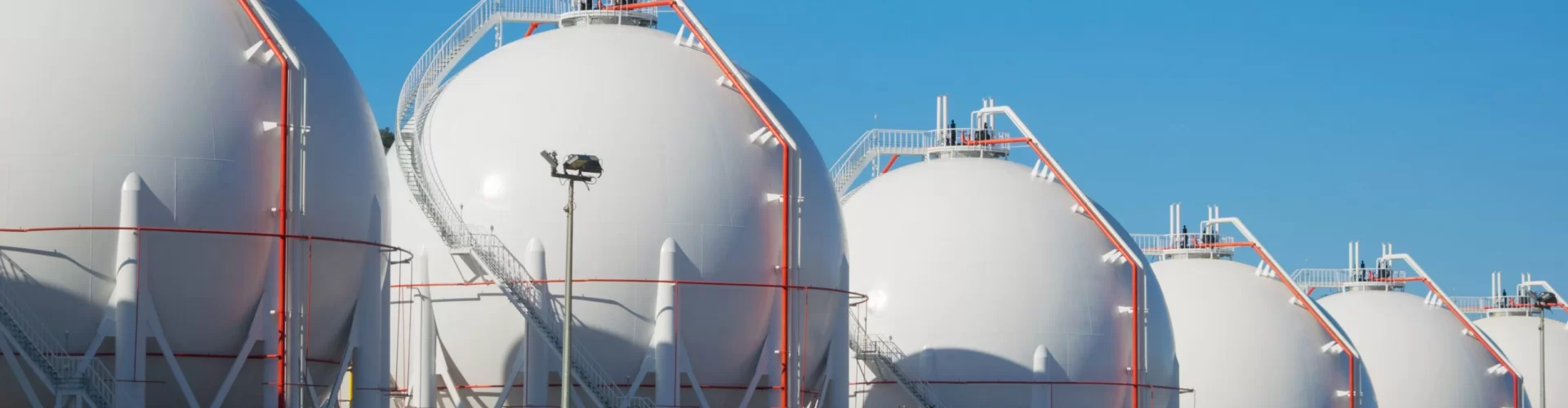
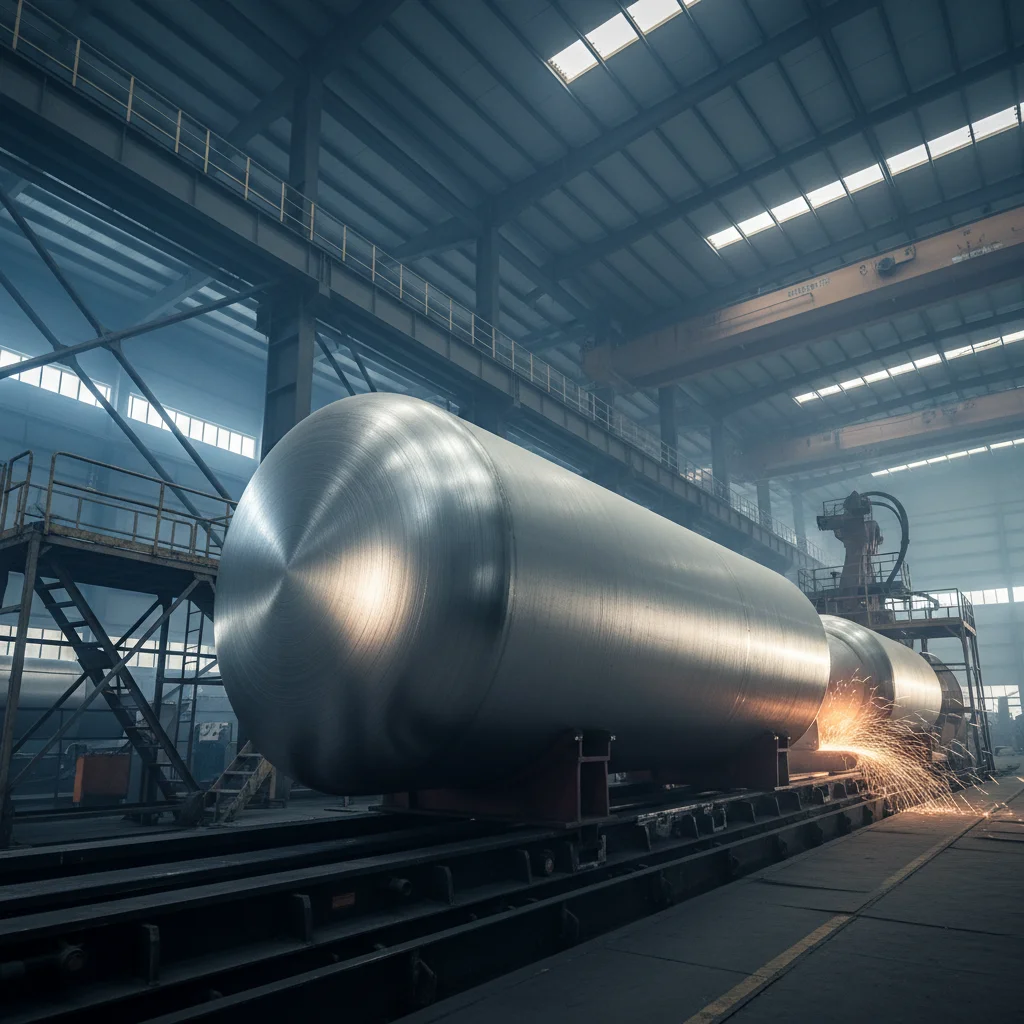
Understanding the nuances of gas storage and transport costs is essential for industries transitioning toward cleaner energy. When evaluating the 4 kg cng cylinder price, professionals must look beyond the initial sticker price and consider the total cost of ownership, including material grade, safety certifications, and operational lifespan.
In the global pursuit of decarbonization, high-pressure gas solutions have become pivotal. While small-scale cylinders serve specific niche markets, the industrial shift toward hydrogen and natural gas tube skids represents a scalable solution to the energy crisis, shifting the conversation from simple unit costs to volumetric efficiency and systemic reliability.
This comprehensive guide examines the intersection of portable storage and industrial-scale tube skids. By analyzing the factors that influence the 4 kg cng cylinder price and comparing them with heavy-duty Hydrogen tube skids, we provide a roadmap for procurement managers to optimize their energy infrastructure investments.

Market Dynamics of Gas Storage Pricing
The pricing of compressed gas storage is rarely static, as it is heavily influenced by the cost of raw materials such as high-grade carbon steel or carbon-fiber composites. When searching for a 4 kg cng cylinder price, buyers often find that the material's ability to withstand high working pressures—often up to 200 bar in industrial settings—dictates the final cost.
Furthermore, global supply chain fluctuations and the demand for "green" energy carriers have pushed manufacturers to innovate. This has led to a bifurcation in the market: low-cost, standardized portable cylinders and high-investment, high-capacity tube skids designed for bulk hydrogen or natural gas transport.
Technical Specifications of High-Pressure Vessels
At the heart of any gas storage system is the technical specification, which ensures safety and efficiency. For industrial hydrogen tube skids, dimensions and weight are critical factors. For instance, a 20-foot skid can range from a tare weight of 12,600 kg to 21,500 kg, depending on the total water capacity and gas volume it is designed to hold.
Working pressure is another non-negotiable parameter. Most professional-grade equipment operates at 200 bar, providing a balance between storage density and structural integrity. This high-pressure capability is what differentiates industrial skids from the smaller units often associated with the 4 kg cng cylinder price.
Capacity is measured both by water volume (liters) and gas volume (cubic meters). A 40-foot skid can hold up to 5,000 m³ of gas with a water capacity of 27,780 liters, offering an immense leap in scalability compared to portable cylinders, which are intended for short-term, low-volume use.
Comparing Portable Cylinders vs Tube Skids
Portable storage solutions are often evaluated based on a quick 4 kg cng cylinder price, making them ideal for small-scale laboratory use or emergency backup. However, their low capacity makes them inefficient for industrial energy distribution.
In contrast, Hydrogen tube skids are designed for logistics. While the 4 kg cng cylinder price focuses on portability, tube skids focus on "total gas capacity." For example, a 20-foot skid can deliver between 2,267 m³ and 4,720 m³ of gas in a single trip.
The choice between these two depends entirely on the application. If the goal is a localized, small-scale fuel source, the 4 kg cng cylinder price is the relevant metric; if the goal is fueling a hydrogen station, tube skids are the only viable option.
Cost-Efficiency and Volumetric Analysis
Calculating the cost-efficiency of gas transport requires analyzing the cost per cubic meter of gas delivered. While a small cylinder has a low entry cost, the operational cost per unit of gas is extremely high due to the frequent refills and handling required.
By scaling up to tube skids, the cost per m³ drops significantly. Even though the initial investment is higher than a typical 4 kg cng cylinder price, the ability to transport thousands of cubic meters in a single logistics movement creates immense long-term savings.
Efficiency Rating: Portable vs Industrial Storage
Global Applications in Green Energy
Across Europe and Asia, the shift toward hydrogen-powered transport is accelerating. In these regions, the reliance on small-scale units—where the 4 kg cng cylinder price was once the standard for testing—has evolved into the deployment of massive tube skid fleets.
These skids are now essential for fueling "Hydrogen Highways," providing the necessary volume to support fuel-cell electric vehicles (FCEVs) and industrial heating plants, thereby reducing the carbon footprint of heavy-duty logistics.
Safety Standards and Regulatory Compliance
Safety is the paramount concern when dealing with gases at 200 bar. Whether one is buying a small unit based on the 4 kg cng cylinder price or investing in a 40-foot skid, compliance with ISO and ASME standards is mandatory to prevent catastrophic failure.
Rigorous testing, including hydrostatic pressure tests and ultrasonic weld inspections, ensures that the vessels can withstand not only the internal pressure but also the external stresses of transport. This includes vibration resistance and impact protection.
Furthermore, the integration of safety valves and precise pressure monitoring systems allows operators to manage the gas flow safely, ensuring that the high-capacity storage of tube skids does not compromise site safety.
Future Trends in Hydrogen Transport
The future of gas transport lies in the optimization of the weight-to-capacity ratio. While the traditional 4 kg cng cylinder price reflected a reliance on steel, the next generation of storage will utilize Type IV composite materials to further reduce tare weight.
Automation in loading and unloading tube skids is also on the horizon. Digital twins and IoT sensors will allow companies to track the gas level and pressure of their skids in real-time, optimizing the logistics chain and reducing waste.
As the world moves toward a hydrogen economy, the scalability of these systems will determine the speed of adoption. The transition from small-scale cylinders to industrial tube skids is not just a change in size, but a fundamental shift in energy infrastructure.
Analysis of Hydrogen Tube Skid Capacities and Weights
| Skid Size |
Tare Weight (kg) |
Water Capacity (L) |
Gas Capacity (m³) |
| 20' (Type A) |
21,500 |
17,488 |
3,147 |
| 20' (Type B) |
18,800 |
12,600 |
2,267 |
| 40' (Type A) |
30,000 |
27,780 |
5,000 |
| 40' (Type B) |
24,890 |
22,100 |
3,975 |
| Composite 20' |
15,000 |
18,000 |
3,300 |
| Composite 40' |
22,000 |
29,000 |
5,200 |
FAQS
The 4 kg unit has a very low initial cost but high operational costs per unit of gas. Tube skids require a significant capital investment but offer a drastically lower cost per cubic meter of gas transported, making them the only viable choice for industrial-scale hydrogen or CNG logistics.
Most industrial-grade tube skids, including the models discussed here, operate at a working pressure of 200 bar. This pressure is chosen to maximize gas density while remaining within safe structural limits for steel and composite vessels.
Yes, while optimized for hydrogen, these high-pressure vessels can be used for other industrial gases such as CNG (Compressed Natural Gas) or electronic gases, provided the material compatibility is verified and the appropriate safety valves are installed.
Tare weight is primarily influenced by the wall thickness of the tubes (to handle pressure), the frame material, and the overall dimensions. For example, a 40' skid with higher water capacity typically requires a heavier frame to maintain structural stability during transport.
The choice depends on your logistics infrastructure and consumption rate. 20ft skids offer more flexibility for smaller transport vehicles, while 40ft skids provide the maximum gas capacity (up to 5,000 m³), reducing the number of trips required.
Yes, by enabling the efficient transport of green hydrogen and CNG, these systems facilitate the transition away from fossil fuels. Their durability and long service life further reduce the environmental impact compared to single-use or low-lifespan storage solutions.
Conclusion
In summary, while the 4 kg cng cylinder price provides a baseline for portable storage, the true efficiency for modern industry lies in high-capacity Hydrogen tube skids. By integrating high working pressures of 200 bar with massive volumetric capacities, these systems enable the scalable transport of clean energy essential for the global transition to net-zero emissions.
Looking forward, the industry will continue to evolve toward lighter composite materials and smarter monitoring systems. For companies seeking to optimize their energy logistics, investing in scalable, certified, and high-capacity storage solutions is the most strategic path to long-term operational success. Visit our website for more information: www.enricgroupsjz.com