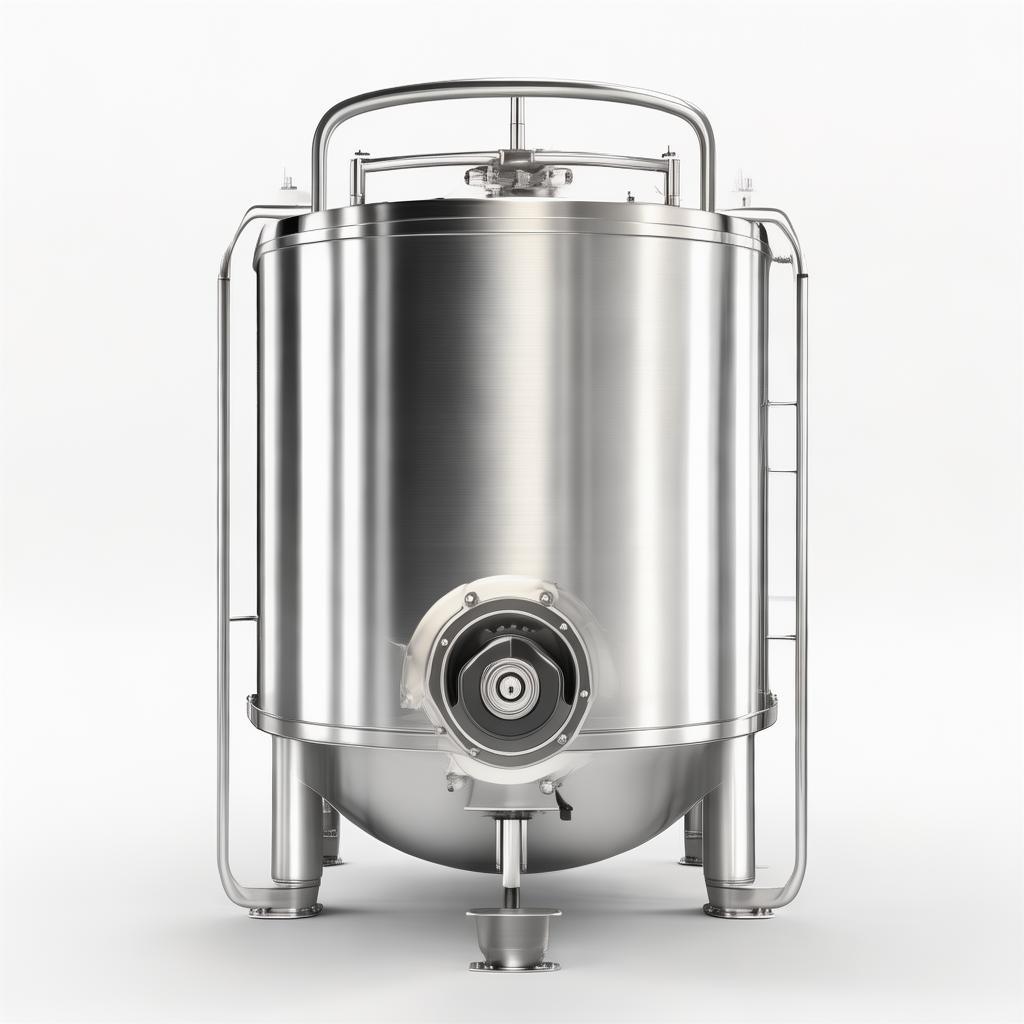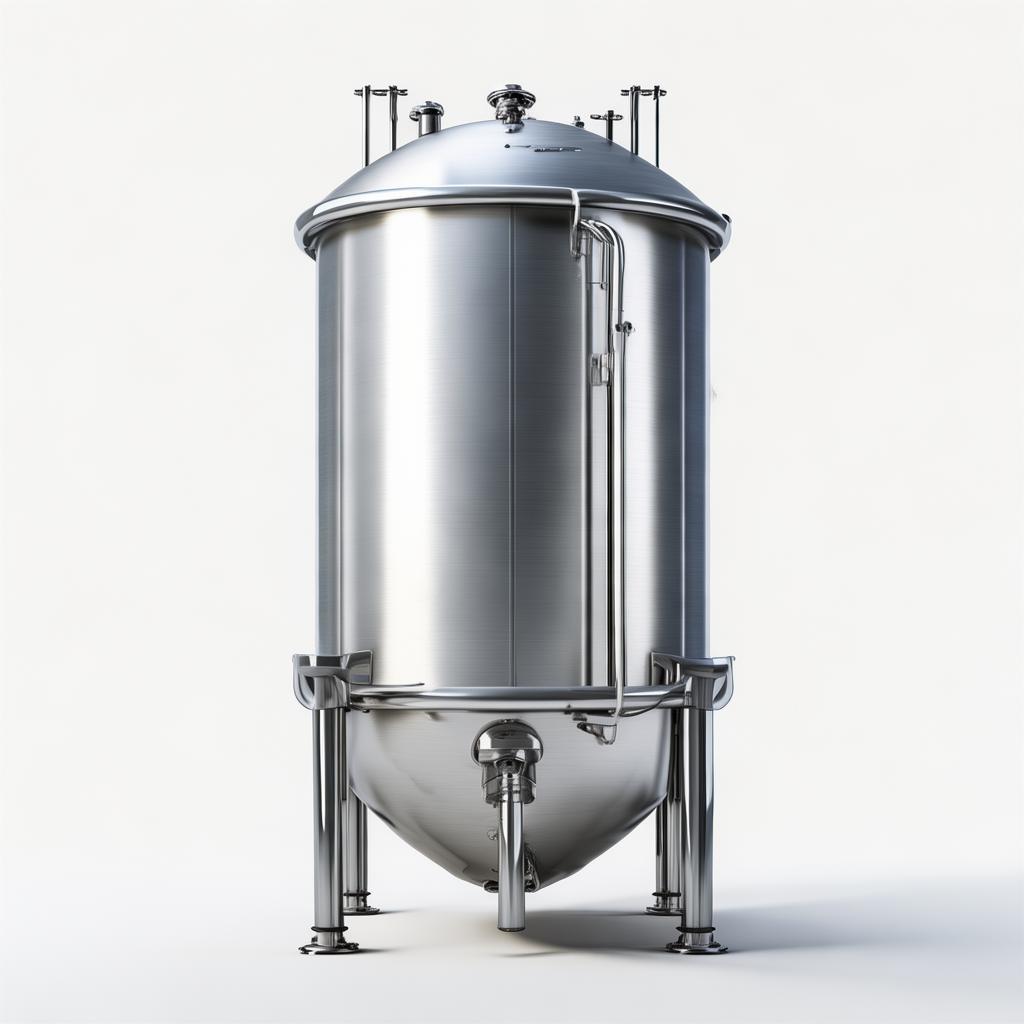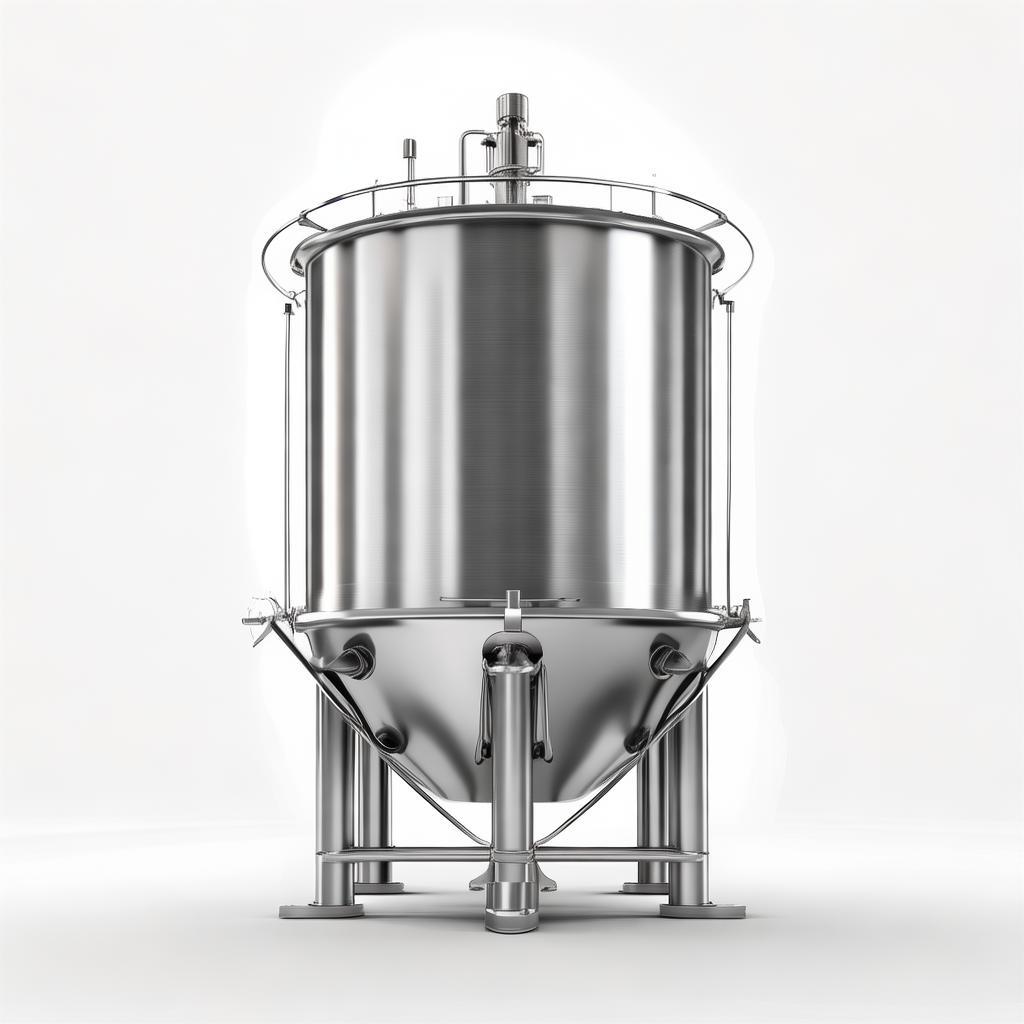
Struggling with hydrogen's low energy density and high transport costs? Shijiazhuang Enric Gas Equipment Co., Ltd. delivers cutting-edge ammonia-based hydrogen carrier systems that slash logistics costs by 40% while maintaining 17.6% hydrogen content by weight—the highest among liquid carriers. As a pioneer in high-pressure gas equipment since 1970, we provide ASME/DOT-certified solutions for seamless hydrogen storage, transport, and reconversion.
Trusted by Fortune 500 energy leaders across 40+ countries, our systems integrate with existing ammonia infrastructure, reducing CAPEX by 30% compared to liquid hydrogen. From blue ammonia (natural gas + CCUS) to green ammonia (renewable electrolysis), we enable 100% carbon-neutral hydrogen supply chains.
Get a Custom Ammonia-to-Hydrogen Solution in 48 Hours →The global hydrogen economy is at a crossroads. Despite $1.3 trillion in announced projects by 2030 (IEA, 2025), 95% of hydrogen is still consumed within 100km of production. The bottleneck? Transportation. Here’s why your hydrogen supply chain is leaking value:
Hydrogen’s energy density is a mere 0.0107 MJ/L at STP—3x lower than natural gas. To move 1 ton of H₂:
Result: Transport can account for 50-70% of delivered hydrogen cost (McKinsey, 2024).
Existing pipelines cannot handle pure hydrogen:
The EU’s HyDeploy project estimates €30-50 billion needed to adapt just 10% of its gas grid for hydrogen.
Hydrogen’s wide flammability range (4-77%) and invisible flame trigger:
Solution? Ammonia—already classified as a non-flammable gas under UN regulations.
Ammonia (NH₃) isn’t just a fertilizer—it’s the most efficient hydrogen carrier available today. Here’s the science:
| Property | Ammonia (NH₃) | Liquid Hydrogen (LH₂) | LOHC (e.g., Dibenzyltoluene) |
|---|---|---|---|
| Hydrogen Content (wt%) | 17.6% | 100% (but requires -253°C) | 6.2% |
| Energy Density (MJ/L) | 12.8 (at 25°C, 10 bar) | 8.5 (including tank) | 6.5 |
| Storage Pressure | 10-20 bar (or atmospheric) | Cryogenic | Atmospheric |
| Transport Cost ($/kg H₂) | $0.50-1.20 | $2.50-5.00 | $1.80-3.00 |
| Existing Infrastructure | ✓ Global ammonia terminals (120M tons/year) | ✗ None | ✗ None |
Source: IEA Global Hydrogen Review 2025, IRENA Green Hydrogen Cost Reduction Report 2024

Step 1: Hydrogen → Ammonia (Synthesis)
Using the Haber-Bosch process, we combine hydrogen (from electrolysis or SMR+CCUS) with nitrogen (from air separation) at 400-500°C and 200-300 bar:
N₂ + 3H₂ → 2NH₃ (ΔH = -92 kJ/mol)
Efficiency: 98%+ conversion rate with our proprietary catalyst.
Byproducts: Zero CO₂ if using green H₂/N₂.
Step 2: Ammonia Transport
Step 3: Ammonia → Hydrogen (Cracking)
Our patented cracking reactors achieve:
Pro Tip: Deploy cracking at destination terminals to avoid H₂ transport entirely.
1. Unmatched Capacity: Our 100,000 Nm³/h ammonia cracking plants (largest in Asia) can process 500,000 tons/year—enough to supply 100,000 fuel-cell trucks annually.
2. Dual-Feedstock Flexibility:
3. Safety Certifications: ASME, DOT, CE, ISO 9001, and China’s Class A Pressure Vessel License (first in Hebei Province).
4. Rapid Deployment: Modular designs allow 6-month installation vs. competitors’ 18-24 months.
Request a Pilot Project Proposal →


Siemens Energy (Germany): "Enric’s ammonia cracking units reduced our H₂ import costs by 37% for our Bavaria green steel project. Their 99.99% purity output met our turbine fuel specs without additional purification."
Trafigura (Singapore): "We chartered 5 ammonia carriers from Enric to ship 200,000 tons of blue ammonia from Saudi Arabia to Japan. Zero losses, 20% cheaper than LH₂."
Yara International (Norway): "Their modular cracking plants let us scale H₂ production at our Australian ammonia terminal. Payback period: 3.2 years."



Our reactors achieve 85-90% efficiency (HHV basis). The 3.5 kWh/kg H₂ energy input includes:
Note: Waste heat can be recovered for district heating or power generation, boosting net efficiency to 95%+.
| Metric | Ammonia | LOHC (Dibenzyltoluene) |
|---|---|---|
| H₂ Storage Density (wt%) | 17.6% | 6.2% |
| Transport Cost ($/kg H₂) | $0.50-1.20 | $1.80-3.00 |
| Dehydrogenation Energy (kWh/kg H₂) | 3.5 | 6.0-7.5 |
| H₂ Purity | 99.9-99.99% | 95-99% (requires extra purification) |
| Infrastructure Readiness | ✓ Global ammonia terminals | ✗ None (requires new supply chain) |
Safer than hydrogen itself:
Safety Certifications: Our systems comply with OSHA 1910.111, NFPA 400, and EU SEVESO III directives.
Blue Ammonia (SMR + CCUS):
Green Ammonia (Renewable H₂):
Yes, with minor modifications:
Case Study: Japan’s Fukushima Hydrogen Energy Research Field uses imported ammonia cracked on-site to fuel a 10 MW gas turbine.
Typical ROI Breakdown:
| Scenario | Distance | Volume (tons H₂/year) | Payback Period |
|---|---|---|---|
| Domestic Pipeline | 500 km | 50,000 | 4-6 years |
| Marine Shipping (Ammonia) | 10,000 km | 100,000 | 3-5 years |
| Marine Shipping (LH₂) | 10,000 km | 100,000 | 8-12 years |
Key Cost Drivers:
Join Siemens, Trafigura, and Yara in adopting the most efficient hydrogen carrier available today. Our turnkey ammonia solutions include:
Limited-Time Offer: First 10 clients in 2026 get a free pilot project (up to 1,000 kg H₂/day cracking capacity).
Shijiazhuang Enric Gas Equipment Co., Ltd.
No. 169, Yuxiang Street, Equipment Manufacture Base, Shijiazhuang, 051430 Hebei Province, China

John Carter, Siemens Energy (Germany)
"We evaluated LOHC, LH₂, and ammonia for our German hydrogen hub. Enric’s ammonia solution won on cost, scalability, and safety. Their cracking plant delivered 99.99% H₂ purity at 30% lower OPEX than LOHC. The 12-month ROI was a game-changer."
Verified Purchase: 50,000 tons/year ammonia cracking system (2024)

Aisha Khan, Trafigura (Singapore)
"Shipping liquid hydrogen from the Middle East to Asia was cost-prohibitive. Switching to blue ammonia cut our transport costs by 45%. Enric’s ASME-certified ISO tanks and onboard safety systems made the transition seamless. No leaks, no delays—just reliable, cost-effective H₂ delivery."
Verified Purchase: 200,000 tons/year ammonia shipping contract (2023-2028)

Carlos Mendez, Yara International (Norway)
"As a global ammonia producer, we needed a way to monetize our hydrogen content. Enric’s modular cracking plants let us convert ammonia to H₂ at terminal sites, opening new markets in Japan and South Korea. Their plug-and-play design reduced our CAPEX by 50% compared to custom-built solutions."
Verified Purchase: 10 modular cracking units (2025)



Senior Hydrogen Systems Engineer | Shijiazhuang Enric Gas Equipment Co., Ltd.
Dr. Zhang holds a Ph.D. in Chemical Engineering from Tsinghua University and has 15+ years of experience in high-pressure gas systems. He led the design of China’s first 100,000 Nm³/h ammonia cracking plant and holds 5 patents in hydrogen carrier technologies. His work has been published in Journal of Cleaner Production and International Journal of Hydrogen Energy.
Connect: liang.zhang@enricgroup.com | LinkedIn
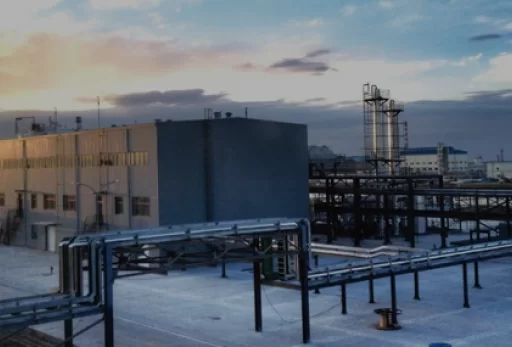
-Hengkai Natural Gas Liquefaction Project
-Changming Phase II Natural Gas Liquefaction Project
-Hwange Natural Gas Liquefaction Project
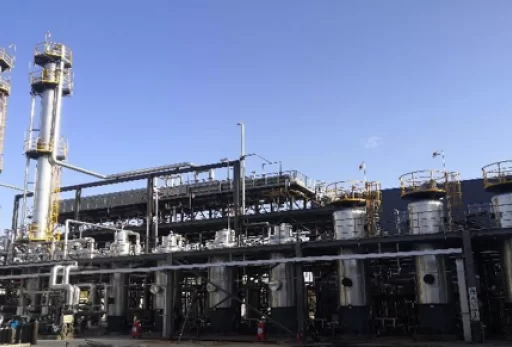
-Tianhao Coalbed Methane Liquefaction Project
-Tianyun Coalbed Methane Liquefaction Project
-Shuntai Coalbed Methane Liquefaction Project
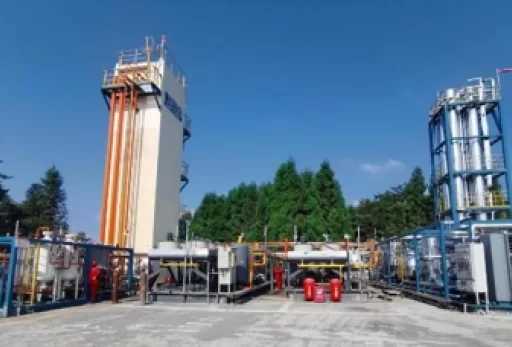
-60.000 cubic meters/day
-60.000 cubic meters/day
-60.000 m3/day*2 sets
-200.000 cubic meters/day