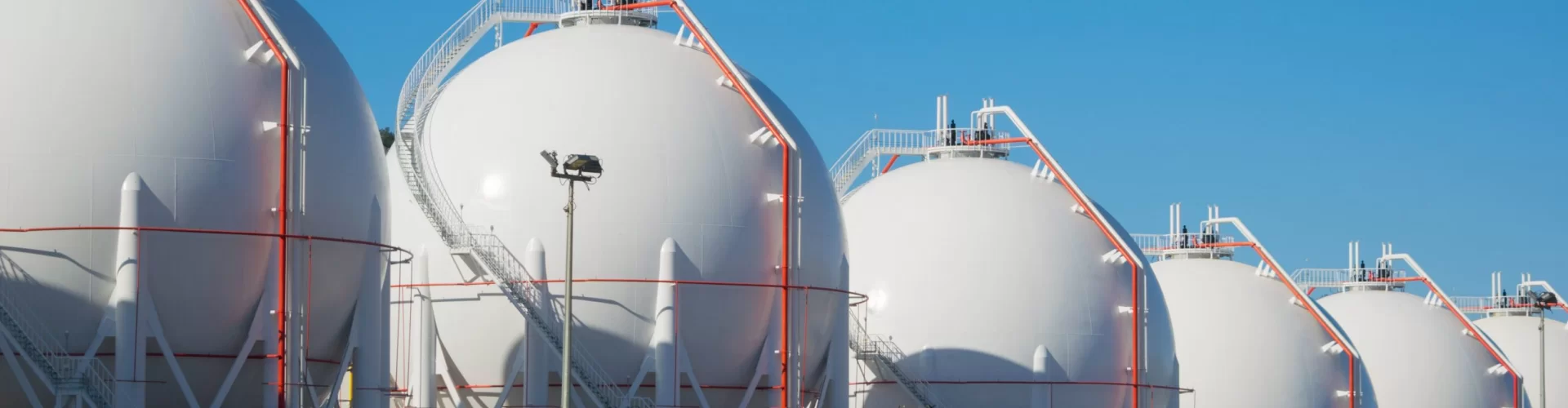
Reduce gas supply costs by 30% with Shijiazhuang Enric Gas Equipment’s ASME/DOT-certified bulk gas storage systems—engineered for hydrogen, natural gas, and specialty gases in high-demand industrial environments. From 500L to 50,000L+ capacities, our solutions integrate seamlessly with your factory’s infrastructure while meeting ISO 9809, EN 12245, and DOT 49 CFR standards.
As a subsidiary of China International Marine Containers (Group) Co., Ltd., we leverage 50+ years of pressure vessel expertise to deliver turnkey storage systems with 24/7 remote monitoring, leak-proof designs, and rapid deployment—trusted by Fortune 500 manufacturers in 40+ countries.
Get a Custom Quote in 24 Hours →📞 Contact Now: +86-311-81663811 | 🌍 Global Coverage: USA, Europe, Asia, Middle East
Factory managers and procurement teams face growing pressure to optimize gas storage while ensuring safety, compliance, and cost-efficiency. Here’s what keeps them up at night:
Traditional above-ground storage tanks require heavy civil works, driving upfront costs to $500,000+ for large-scale systems. Underground cavern storage can exceed $10M—prohibitive for SMEs.
According to the Fortune Business Insights 2025 report, 62% of manufacturers cite budget constraints as their top barrier to upgrading gas infrastructure.
Non-compliance with OSHA, EPA, or EU Pressure Equipment Directive (PED) can result in fines up to $200,000/day (EPA) or production shutdowns. Hydrogen storage faces additional scrutiny under NFPA 2 and ISO 19880.
The IEA Global Hydrogen Review 2024 highlights that 34% of hydrogen projects face delays due to permitting and certification hurdles.
Hydrogen’s low ignition energy (0.02 mJ) and wide flammability range (4–75%) make it highly explosive. A single leak in a high-pressure storage system can cause catastrophic failures—costing $5M+ in damages and reputation loss.
MIT’s Future of Natural Gas Study notes that methane leakage rates above 2.7% can negate its climate benefits over coal.
Urban factories often lack space for horizontal cylindrical tanks. Vertical ASME tanks (e.g., Type 1–4) offer compact alternatives but may limit capacity (typically 300–1,000L).
Lead times for custom-fabricated pressure vessels can exceed 6–12 months, especially for high-purity electronic gases (e.g., N2, Ar, He) used in semiconductor manufacturing.
Corrosion in carbon steel tanks (common for CO₂ or NH₃ storage) requires frequent inspections (every 5 years per API 653). Composite tanks (e.g., Type 4) reduce maintenance but cost 2–3x more.
Enric’s bulk gas storage solutions address these challenges with modular, compliant, and cost-optimized designs.
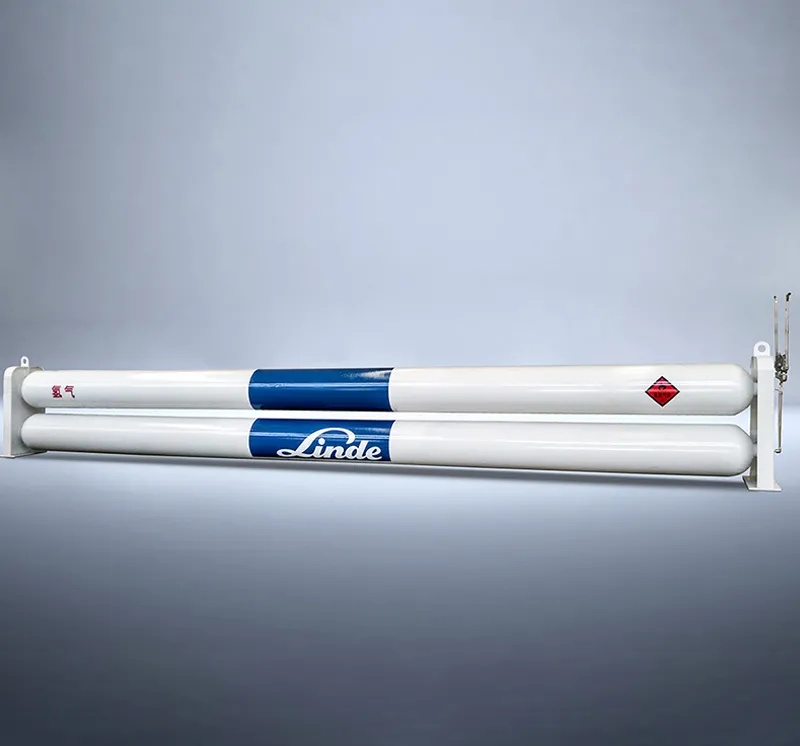
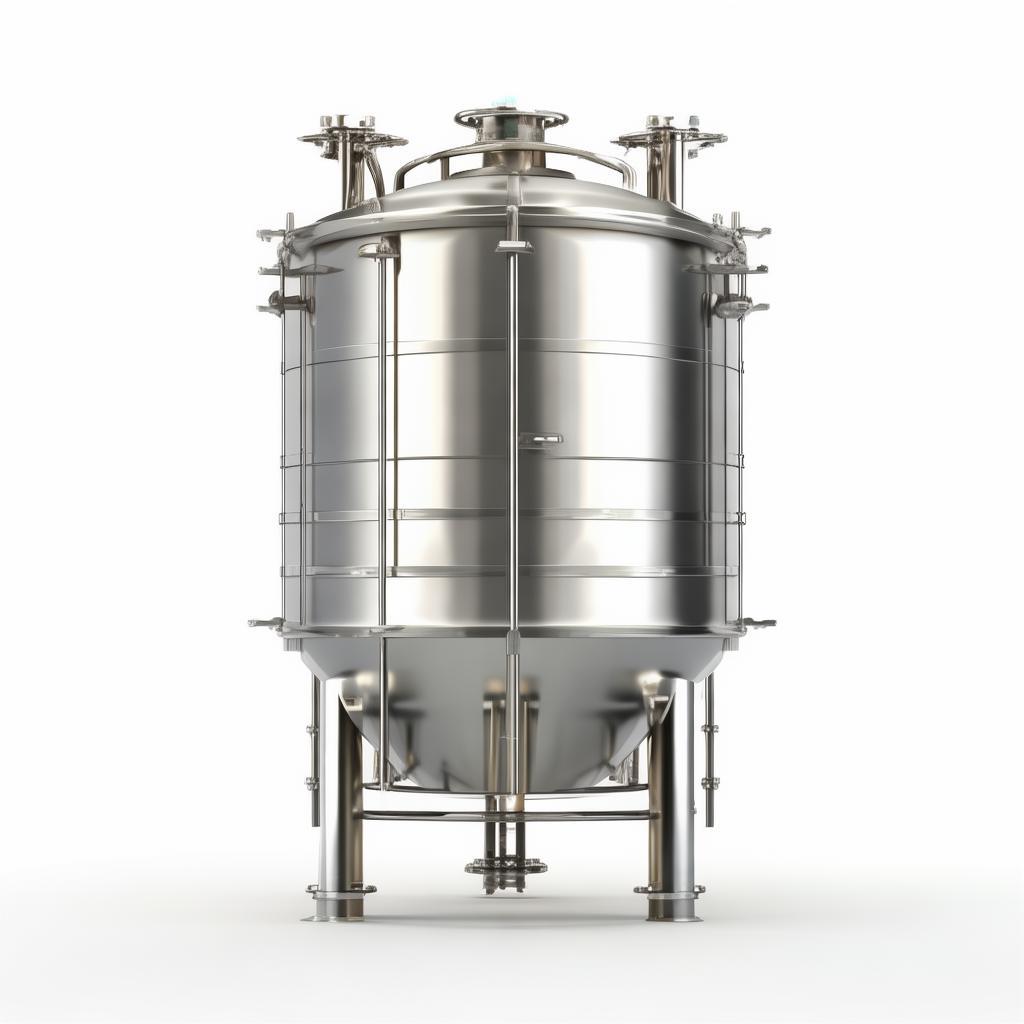
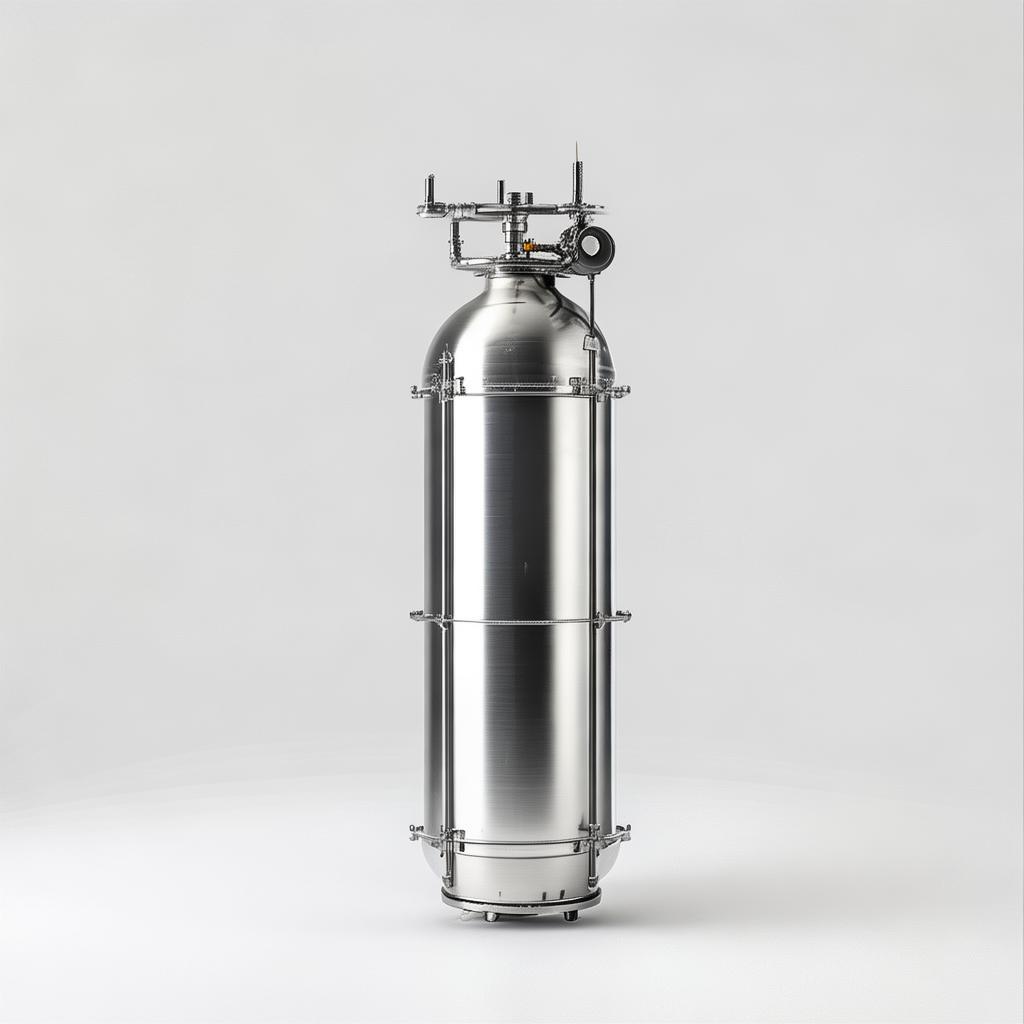
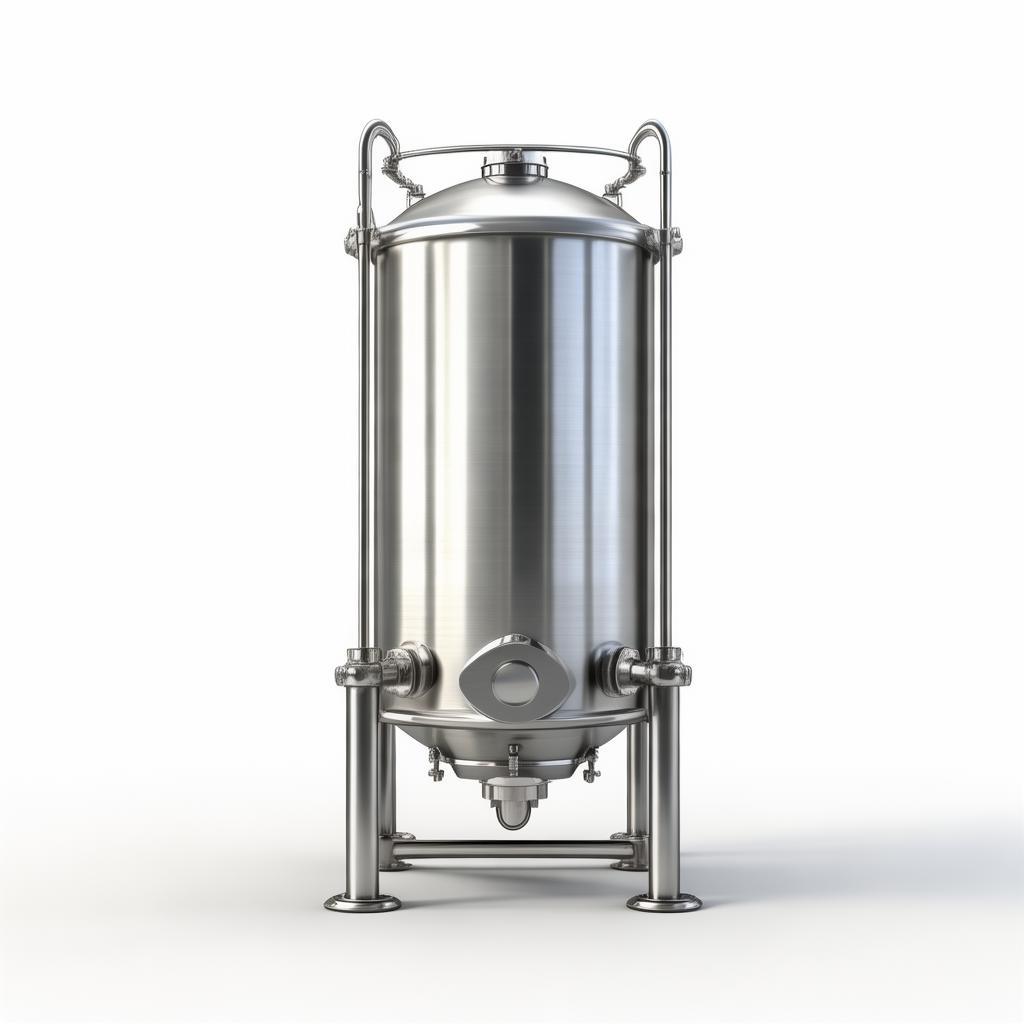
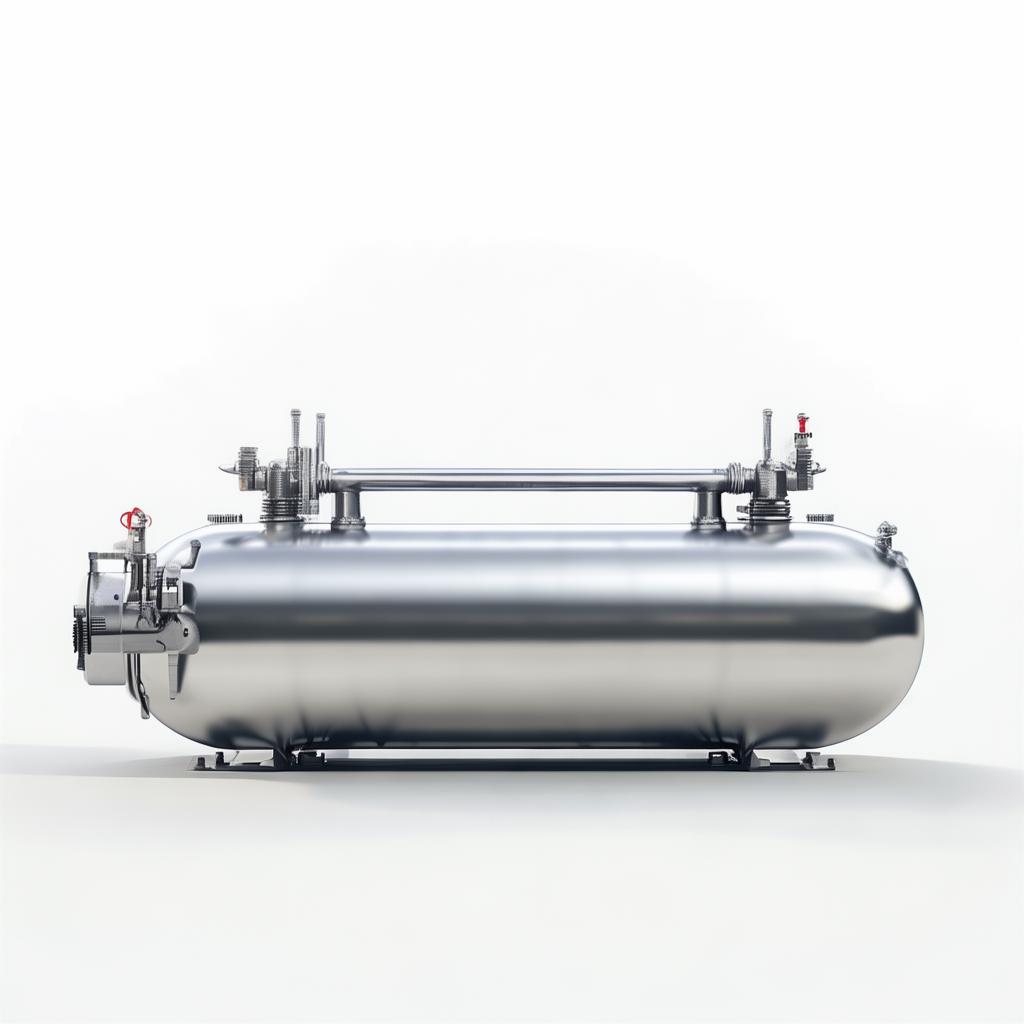
Shijiazhuang Enric Gas Equipment Co., Ltd. specializes in high-pressure bulk gas storage systems tailored for factories, chemical plants, and energy facilities. Our solutions are ASME, DOT, CE, and PED-certified, with customizable capacities (500L–50,000L+) and pressure ratings (200–700 bar).
Unlike generic suppliers (e.g., Luxfer, Hexagon), we offer:
| Feature | Enric | Generic Supplier A | Generic Supplier B |
|---|---|---|---|
| Lead Time | 8–12 weeks (standard designs) | 16–24 weeks | 20+ weeks |
| Certifications | ASME, DOT, CE, PED, ISO 9809, EN 12245 | ASME, DOT | CE, PED |
| Customization | Full OEM/ODM (materials, dimensions, coatings) | Limited (standard sizes only) | Semi-custom |
| Price (20’ Tank) | $12,000–$18,000 | $15,000–$22,000 | $18,000–$25,000 |
| Warranty | 5–10 years (leak-proof guarantee) | 2–3 years | 1–2 years |
| Smart Monitoring | IoT-enabled (pressure, temperature, leakage) | Optional (extra cost) | Not available |
Our CE-certified hydrogen storage tanks meet the EU’s 2026 Green Deal requirements for low-carbon industrial gases, as outlined in the IEA Global Hydrogen Review 2025.
Below are our most popular bulk gas storage solutions for factories. Custom configurations available—contact us for a tailored quote.
| Model | Type | Capacity (L) | Pressure (bar) | Material | Gas Compatibility | Certifications | Lead Time | Price (USD) |
|---|---|---|---|---|---|---|---|---|
| EN-H2-500 | Type 1 (Steel) | 500 | 200–300 | Carbon Steel | H₂, N₂, Ar, CO₂ | ASME, CE, PED | 6 weeks | $8,500 |
| EN-H2-2000 | Type 2 (Aluminum-Lined) | 2,000 | 300–450 | Aluminum + Steel | H₂, He, Specialty Gases | ASME, DOT, EN 12245 | 8 weeks | $18,000 |
| EN-H2-10000 | Type 3 (Composite) | 10,000 | 450–700 | Carbon Fiber + Aluminum | H₂, NG, High-Purity Gases | ASME, DOT, CE, PED | 10 weeks | $45,000 |
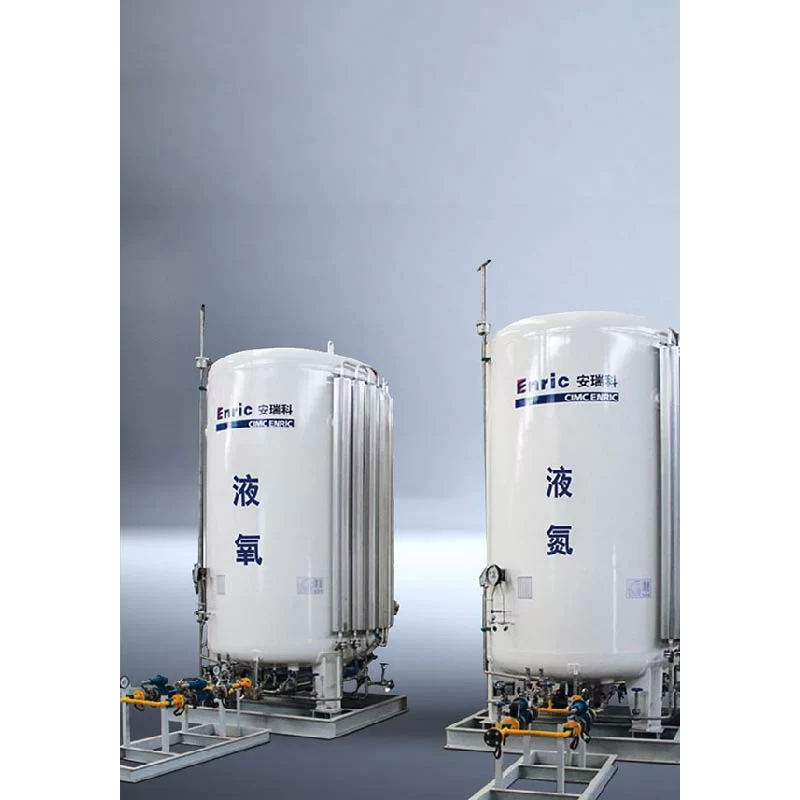
| EN-LNG-20000 | Cryogenic | 20,000 | 10–20 (Cryo) | Stainless Steel (304/316) | LNG, Liquid O₂/N₂ | ASME, DOT, ISO 21029 | 12 weeks | $85,000 |
| EN-CO2-5000 | Type 1 (Corrosion-Resistant) | 5,000 | 200–300 | Stainless Steel + Epoxy | CO₂, NH₃, HCl | ASME, CE, PED | 7 weeks | $22,000 |
🔧 Application Scenarios:

Enric’s state-of-the-art manufacturing base in Shijiazhuang, Hebei (500,000 m² production area)
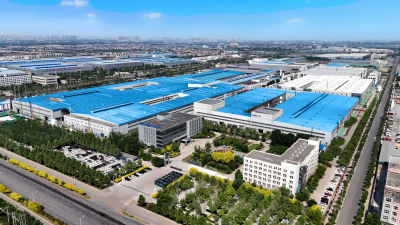
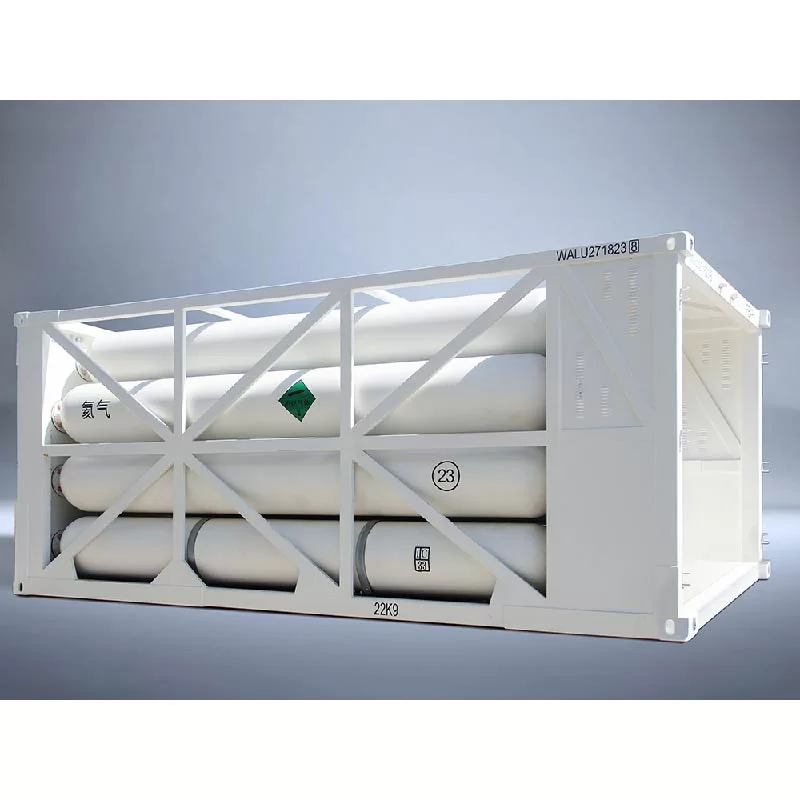
Clustered hydrogen storage system for a European steel mill (Capacity: 50,000L at 500 bar)
Here are answers to the most common questions from factory managers, procurement teams, and engineers about bulk gas storage solutions.
Type 1: All-metal (steel or aluminum). Heaviest but cheapest (e.g., CO₂, N₂).
Type 2: Metal with fiber wrap (e.g., aluminum + carbon fiber). 30% lighter than Type 1.
Type 3: Full carbon fiber wrap over a metal liner. 60% lighter than Type 1 (e.g., hydrogen, high-pressure gases).
Type 4: Carbon fiber + non-metal liner (e.g., HDPE). Lightest (used in mobile applications).
Above-Ground:
For hydrogen, above-ground Type 4 tanks are the most popular due to weight savings and modularity.
United States:
Enric provides full documentation support for permitting, including HAZOP studies and risk assessments.
Lifespan by Type:
Maintenance Requirements:
Our 5–10-year warranty covers manufacturing defects and leakage.
Yes! We offer:
All custom tanks undergo 100% X-ray/ultrasonic testing and leak tests at 1.5x working pressure.
Shipping Methods:
Our After-Sales Services Include:
Yes! We partner with:
Example: A $50,000 Type 4 hydrogen tank can be leased for $800/month (5-year term).
Limited-Time Offer: Order before December 31, 2026, and get:
🔒 Risk-Free Guarantees:
Address: No. 169, Yuxiang Street, Equipment Manufacture Base, Shijiazhuang, 051430 Hebei Province, China
🌐 Website: www.enricgroupsjz.com

“We ordered 10x EN-H2-10000 Type 4 tanks for our hydrogen fueling station. Enric’s team customized the pressure relief valves to meet NFPA 2 standards—something our previous supplier couldn’t do. Delivery was on time, and the IoT monitoring has already prevented 2 potential leaks. 10/10 would recommend.”
★★★★★

“Our LNG storage project needed PED-certified tanks with vacuum insulation. Enric provided a 20,000L system that exceeded our efficiency targets—BOG losses dropped from 3% to 0.5%. The 5-year warranty gave us peace of mind.”
★★★★★

“We needed CO₂ storage for our fertilizer plant in Gujarat. Enric’s Type 1 stainless steel tanks with PTFE coating have zero corrosion after 3 years in humid coastal conditions. The local support team was responsive—issue resolved in 24 hours.”
★★★★★

“For our lithium-ion battery production, we required ultra-high-purity Argon storage. Enric’s SEMI S2-certified tanks met our 99.9999% purity needs. The modular design allowed us to scale capacity as our factory expanded.”
★★★★★

“Enric’s Type 3 hydrogen tanks helped us decarbonize our cement production. The 600 bar pressure rating was critical for our new electrolyzer system. No issues in 2 years—highly reliable.”
★★★★★

Discussion with a US client about DOT compliance

German customer inquiring about PED certification

Indian client negotiating bulk order discounts

Chief Technical Officer (CTO)
Shijiazhuang Enric Gas Equipment Co., Ltd.
Dr. Zhang Wei is a leading expert in high-pressure gas storage and transportation with 25+ years of experience in the clean energy and industrial gas sectors. As the CTO of Enric Gas Equipment, he oversees R&D, engineering, and quality control for the company’s bulk gas storage solutions, ensuring compliance with ASME, DOT, CE, and PED standards.
Prior to joining Enric, Dr. Zhang served as a Senior Research Scientist at the China Special Equipment Inspection and Research Institute, where he contributed to the development of national standards for pressure vessels. He holds a Ph.D. in Mechanical Engineering from Tsinghua University and has published over 30 papers on gas storage safety, materials science, and hydrogen infrastructure.
Dr. Zhang is a member of the ISO TC 58 (Gas Cylinders) committee and a certified lead auditor for ASME BPVC. His expertise has been instrumental in Enric’s expansion into 40+ international markets, including the USA, Europe, and Southeast Asia.
📧 Contact Dr. Zhang: zhangwei@enricgroup.com | 📞 Direct Line: +86-311-81663812
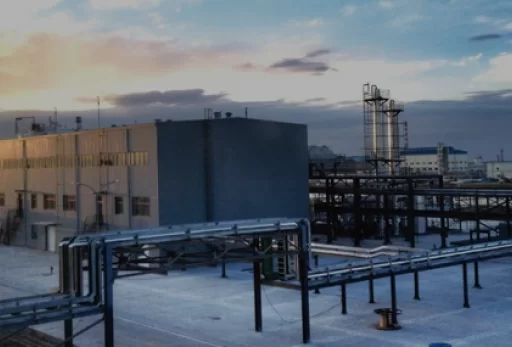
-Hengkai Natural Gas Liquefaction Project
-Changming Phase II Natural Gas Liquefaction Project
-Hwange Natural Gas Liquefaction Project
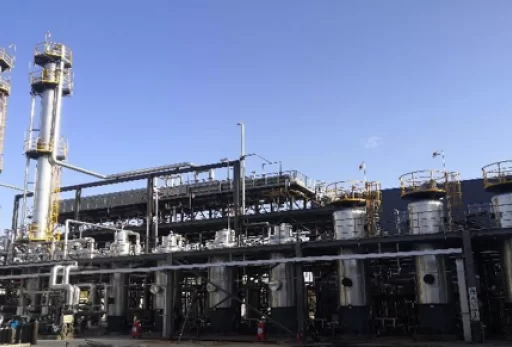
-Tianhao Coalbed Methane Liquefaction Project
-Tianyun Coalbed Methane Liquefaction Project
-Shuntai Coalbed Methane Liquefaction Project
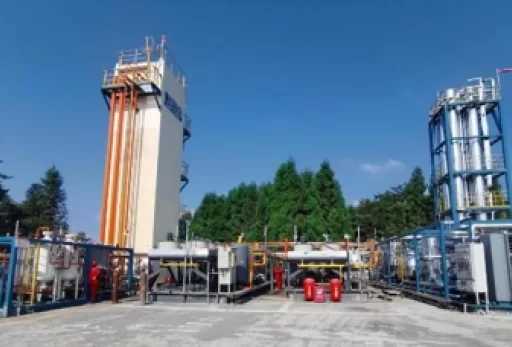
-60.000 cubic meters/day
-60.000 cubic meters/day
-60.000 m3/day*2 sets
-200.000 cubic meters/day


Trusted by Global Industrial Leaders
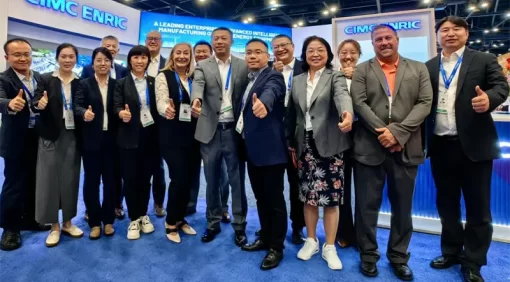
With 20+ years in international markets, Enric’s bulk gas storage solutions power Fortune 500 factories, chemical giants, and renewable energy projects worldwide. Our 99.8% on-time delivery rate and 0.01% defect rate (2023 data) make us the #1 choice for OEMs in Asia, Europe, and North America.
🏆 Client Logo Wall
📢 Customer Testimonials
“Enric’s Type 4 hydrogen tanks helped us cut storage footprint by 40% while increasing capacity by 25%. Their ASME/DOT certification streamlined our US EPA compliance—saving us $120K in permitting costs.”
— Markus Weber, Operations Director at Thyssenkrupp Steel (Germany)
“We needed LNG storage for our glass manufacturing in Turkey. Enric delivered a 20,000L cryogenic tank in 10 weeks—half the time of European suppliers. The vacuum insulation reduced our BOG losses to 0.5%.”
— Ahmet Yilmaz, Procurement Manager at Şişecam
“For our semiconductor fab in Arizona, Enric customized a high-purity Argon storage system with SEMI S2 certification. Their on-site training ensured our team met OSHA 1910.110 standards from day one.”
— Linda Chen, Facilities Engineer at Intel
📜 Certifications & Compliance
Enric holds the most comprehensive certifications in the industry, ensuring seamless compliance with local and international regulations:
Our hydrogen storage systems also meet SAE J2579 (fuel cell vehicles) and EC 79/2009 (EU hydrogen infrastructure) standards.