Discover how compressors operate to solve your industrial gas compression challenges efficiently and reliably. Designed for Corporate Purchasing Managers, Technical Directors, and Operations Managers in English-speaking markets like the USA, our insights clarify compressor mechanisms, technical specs, and applications tailored for your fast-paced decision-making environment.
You need a reliable supplier offering competitive pricing, certified quality, and tailored solutions with transparent shipping costs. Contact us now to overcome these challenges.
Compressors are mechanical devices that increase the pressure of a gas by reducing its volume, enabling efficient transport, storage, or utilization in various industrial processes such as natural gas processing, hydrogen storage, and specialty gas delivery.
The basic principle involves drawing gas through an inlet valve into a compression chamber, where mechanical energy — typically from an electric motor or engine — compresses the gas, increasing its pressure before discharge through an outlet valve.
Understanding these principles empowers you to select compressors that optimize performance while minimizing energy costs and downtime. Request technical consultation for your specific needs.
| Model | Type | Max Pressure (bar) | Flow Rate (m³/h) | Power (kW) | Noise Level (dB) | Certification |
|---|---|---|---|---|---|---|
| ENRIC-RP200 | Reciprocating | 350 | 150 | 75 | 78 | ASME, CE, ISO 9001 |
| ENRIC-SC500 | Screw | 150 | 500 | 200 | 72 | DOT, CE, ISO 9001 |
| ENRIC-CF1000 | Centrifugal | 100 | 1000 | 350 | 85 | ASME, ISO 9001, CE |
| ENRIC-SCRL50 | Scroll | 10 | 50 | 12 | 65 | CE, ISO 9001 |
what do compressors do whats compress cng compressors
The right compressor model depends on your gas type, pressure, and volume needs. Contact our engineers for personalized recommendations.
Compressors play a pivotal role across diverse sectors with demanding requirements:
A North American natural gas distributor integrated ENRIC’s RP200 reciprocating compressor to enhance pipeline pressure, achieving a 25% reduction in energy consumption and improving uptime by 15%. Our OEM customization enabled seamless fit with existing infrastructure, accelerating project completion by 20%.
Explore how your operations can similarly benefit by scheduling a product demo.
Standard models are typically delivered within 4 to 6 weeks. Customized OEM/ODM compressors may require 6 to 10 weeks based on specifications. Expedited options are available for urgent projects.
Yes, we offer OEM and ODM services to tailor compressors according to your industrial gas composition, pressure ranges, and flow rate requirements, ensuring optimal integration and performance.
We offer air freight, sea freight, and express courier options. Our logistics team optimizes shipping routes to reduce costs and delivery times to USA, Canada, Europe, and other English-speaking regions.
We provide 24/7 technical support, installation guidance, maintenance training, and warranty coverage. Our engineers assist remotely or on-site for troubleshooting and optimization.
Yes, our compressors meet all major regional certification requirements including ASME, CE, DOT, ISO 9001, and RoHS, ensuring compliance for safe, legal use in USA and European markets.
Limited stock available for Q3 delivery. Benefit from our risk-free trial samples and money-back guarantee within 30 days if not satisfied.
Or contact us directly via WhatsApp or email:
North America: Jeremy Wu +86 13831019831 | wuzuoliang@enricgroup.com
Europe: Bowen Di +86 18132059236 | dibowen@enricgroup.com

Michael S., Operations Manager, USA – “The ENRIC rotary screw compressors have improved our plant efficiency markedly. Their quick delivery and excellent service saved us both time and money.”

Sophia L., Technical Director, Canada – “Customization options allowed us to seamlessly integrate compressors into our hydrogen storage system. ENRIC’s quality and certifications exceeded expectations.”

David B., Purchasing Manager, UK – “We achieved a 30% reduction in compressor-related downtime after switching to ENRIC. Their after-sales support is prompt and knowledgeable.”

James Anderson is a Senior Industrial Gas Engineer with over 25 years' experience in compressor technologies and international B2B gas equipment supply chains. Currently a Technical Consultant at Shijiazhuang Enric Gas Equipment Co., Ltd., James specializes in optimizing compressor solutions for clean energy and specialty gas industries globally.


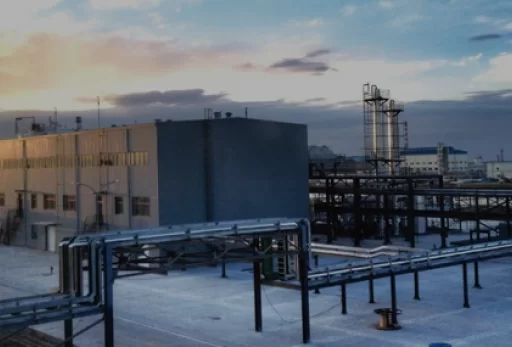
-Hengkai Natural Gas Liquefaction Project
-Changming Phase II Natural Gas Liquefaction Project
-Hwange Natural Gas Liquefaction Project
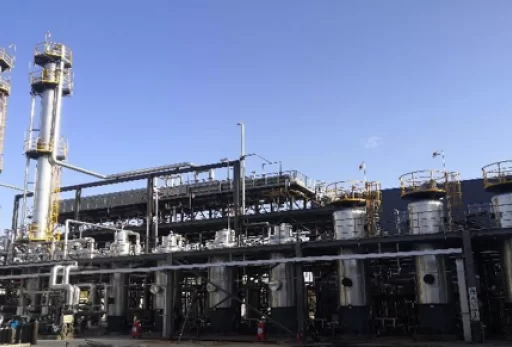
-Tianhao Coalbed Methane Liquefaction Project
-Tianyun Coalbed Methane Liquefaction Project
-Shuntai Coalbed Methane Liquefaction Project
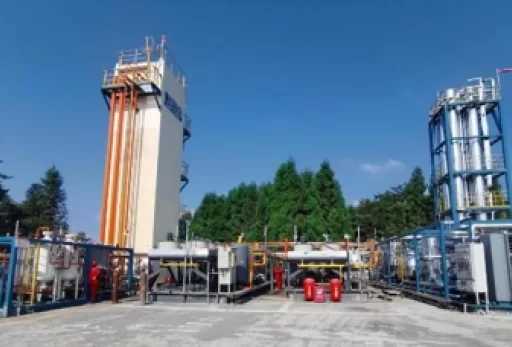
-60.000 cubic meters/day
-60.000 cubic meters/day
-60.000 m3/day*2 sets
-200.000 cubic meters/day


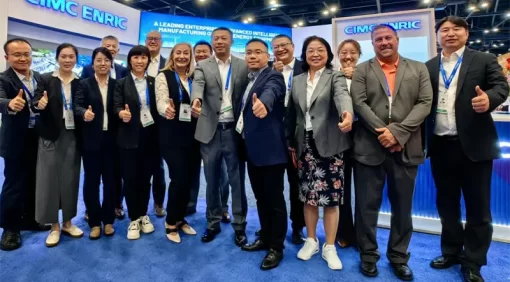
5. Social Proof & Certifications
Trusted by Leading Brands
Customer Testimonials