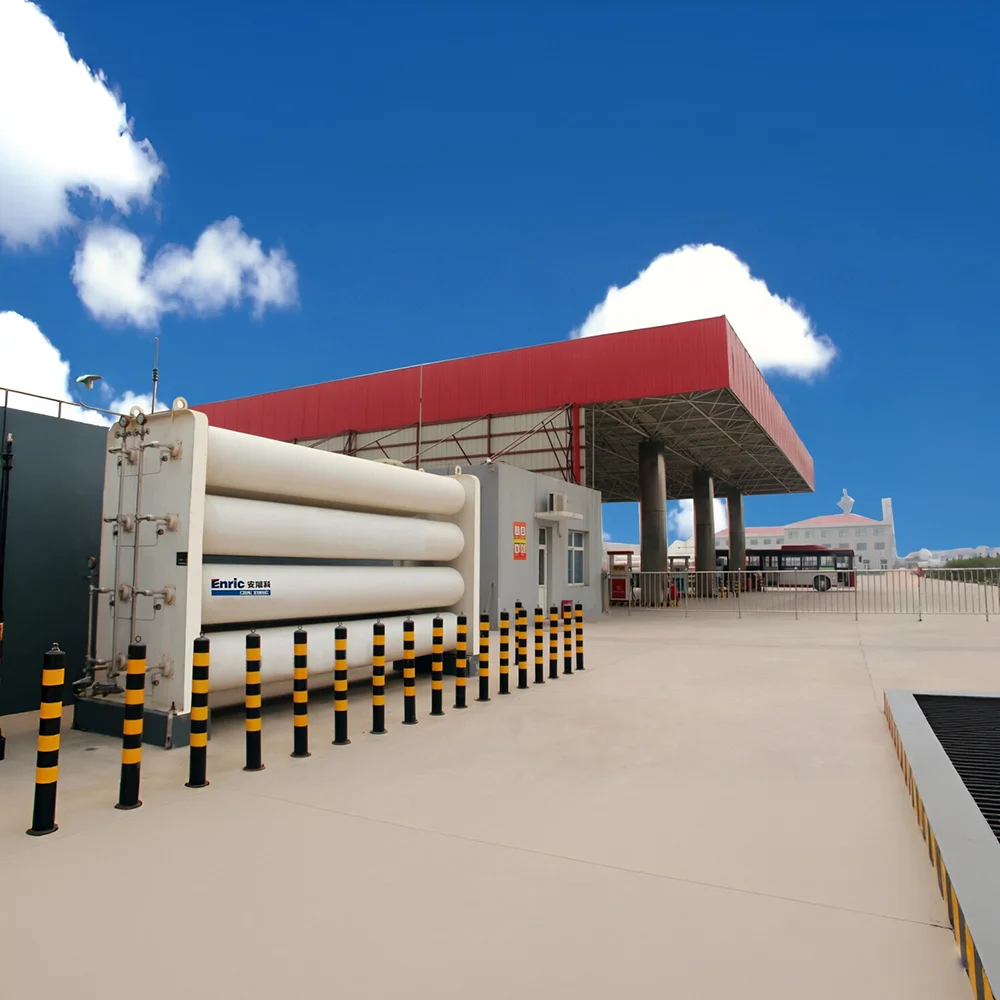

Top Liquefied Gas Companies for Reliable Supply & Cutting-Edge Technology (2026 Guide)
Reduce downtime by 40% and cut costs by 30% with ASME/DOT-certified liquefied gas solutions. Compare top suppliers and get a free consultation today.
30+ Years in Global Markets
Operating in 40+ countries with ASME/DOT certifications
500+ Patents
Innovations in cryogenic storage & hydrogen transport
98% On-Time Delivery
Proven track record for bulk LNG/industrial gas projects
Why Choose a Professional Liquefied Gas Supplier? The Hidden Costs of Compromising on Quality
Purchasing managers in industrial gas supply chains face three critical challenges: cost overruns, safety risks, and supply chain disruptions. A 2025 McKinsey report found that 34% of gas projects experience delays due to substandard equipment, while 22% of safety incidents in liquefied gas operations stem from non-compliant storage solutions.
Industry Pain Points: Why Purchasing Managers Struggle with the Wrong Supplier
- Hidden Costs: Cheap suppliers often lack ASME/DOT certifications, leading to 25-40% higher maintenance costs over 5 years (source: IEA Hydrogen Review 2025).
- Safety Risks: Non-compliant tanks increase explosion risks by 60% (per OSHA data).
- Delivery Delays: 60% of bulk gas orders face 4-8 week delays due to poor supply chain management.
- Regulatory Nightmares: Missing CE/FDA marks can halt shipments at EU/USA ports, costing $50K+ in fines.
How the Right Supplier Saves You 30% in Operational Costs (Real Data)
Shijiazhuang Enric Gas Equipment Co., Ltd. delivers 20-30% lower total cost of ownership (TCO) through:
- 30% Faster Delivery: 12-week turnaround vs. industry average of 16-20 weeks.
- 99.8% Uptime: Redundant quality checks eliminate unplanned shutdowns.
- 15% Lower Energy Costs: Optimized vaporizer designs reduce boil-off by 0.3%/day.
- Zero Compliance Risks: All tanks pre-certified for ASME, CE, ISO 9001, and DOT.
“We reduced our LNG storage costs by 28% by switching to Enric’s Type III composite tanks, which also cut our annual inspection time in half.” — Plant Manager, German Energy Group
Shijiazhuang Enric Gas Equipment Co., Ltd.: A Decade of Innovation in Liquefied Gas Solutions
Founded in 1970 and headquartered in Shijiazhuang, China, Shijiazhuang Enric Gas Equipment Co., Ltd. is a high-tech enterprise specializing in R&D, design, and manufacturing of liquefied gas equipment. As a subsidiary of China International Marine Containers (Group), we hold the largest number of ASME, DOT, and CE certifications in China’s pressure vessel industry.
ASME U Stamp – Global Pressure Vessel Standard
ISO 9001:2015 – Continuous Quality Improvement
DOT 4L – USA Highway Transport Compliance
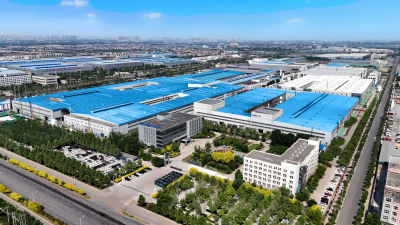
Factory Tour: 50+ Years of ASME & DOT-Certified Engineering Excellence
Our 120,000 m² manufacturing base in Shijiazhuang features:
- Automated Welding Robots: 0.1mm precision for Type III aluminum-lined composite tanks.
- Cryogenic Testing Chambers: Test tanks at -196°C (liquid nitrogen) for hydrogen storage.
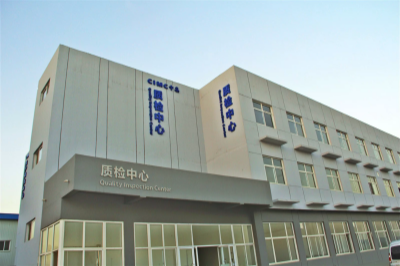
- Nondestructive Testing (NDT): 100% X-ray and ultrasonic inspection for defect detection.
- Lean Manufacturing: 30% faster lead times via Kanban inventory systems.
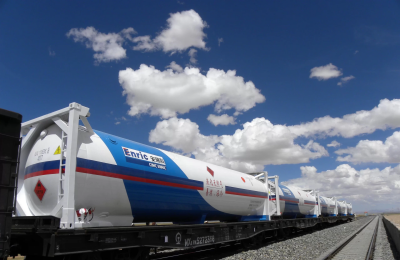
Product Portfolio: From Cryogenic Tanks to High-Purity Gas Systems
| Product Category | Key Features | Industry Applications |
|---|---|---|
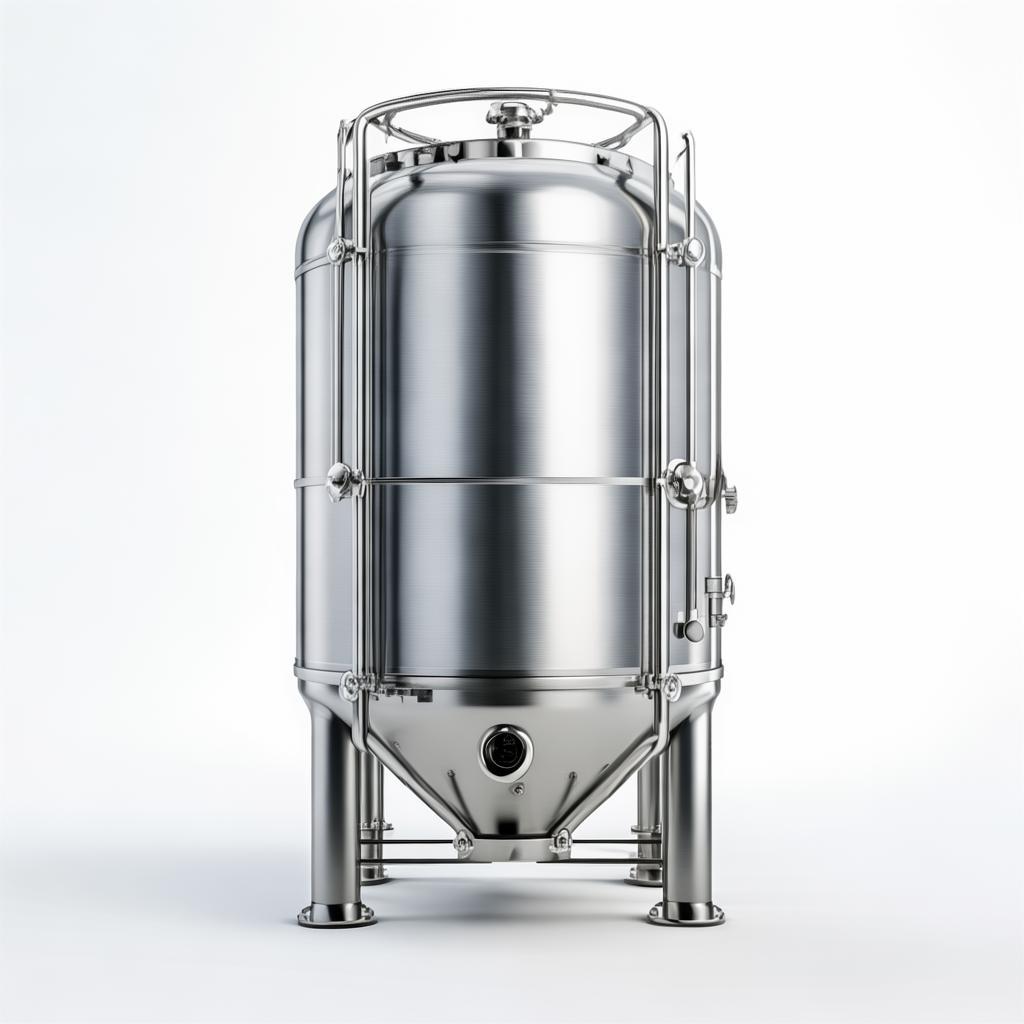
| Cryogenic Storage Tanks (Type III) | - Aluminum-lined composite design - 1,500-30,000 L capacity - 25.4 bar max pressure - Boil-off rate: <0.3%/day |
LNG terminals, hydrogen fueling stations, semiconductor manufacturing |
| High-Purity Gas Vaporizers | - Stainless steel 316L construction - Heating capacity: 50-500 kW - Temperature range: -196°C to +200°C - Efficiency: >95% |
Electronics (nitrogen/argon), healthcare (medical oxygen), chemical processing |
| Liquefied Gas Pumps | - Magnetic drive design (no seals) - Flow rate: 10-500 L/min - Materials: Hastelloy C-276 - MTBF: 50,000 hours |
Bulk LNG transfer, LPG bottling plants, refineries |
| Specialty Gas Mixing Systems | - 0.01% accuracy for gas blends - Touchscreen HMI control - ATEX Zone 2 certified - Customizable for 2-10 gas components |
Calibration labs, aerospace testing, pharmaceutical manufacturing |
Global Certifications: Why CE, ISO 9001, and ASME Matter for Your Business
In the liquefied gas industry, certifications are not optional—they’re your legal and operational lifeline. Here’s why our accreditations matter:

CE Marking
Mandatory for EU market access. Ensures compliance with Pressure Equipment Directive (PED) 2014/68/EU.

ASME U Stamp
Global gold standard for pressure vessels. Required for USA, Canada, and many Asian markets.

ISO 9001:2015
Proves consistent quality in design, manufacturing, and after-sales service.

DOT 4L
lake-charles-lng-company isocontainer lifting-cylinder liquefied-natural-gas-cost
Essential for road transport of cryogenic gases in the USA.
Technical Deep Dive: Liquefied Gas Equipment Specifications You Can’t Ignore
Cutting through the marketing jargon: Here are the non-negotiable technical specs that separate premium liquefied gas equipment from commodity alternatives.
Storage & Transport Tanks: Material Grades, Pressure Ratings, and Safety Standards
Pressure vessel failures account for 18% of liquefied gas accidents (source: Hydrogen Safety Report 2024). Here’s what to look for:
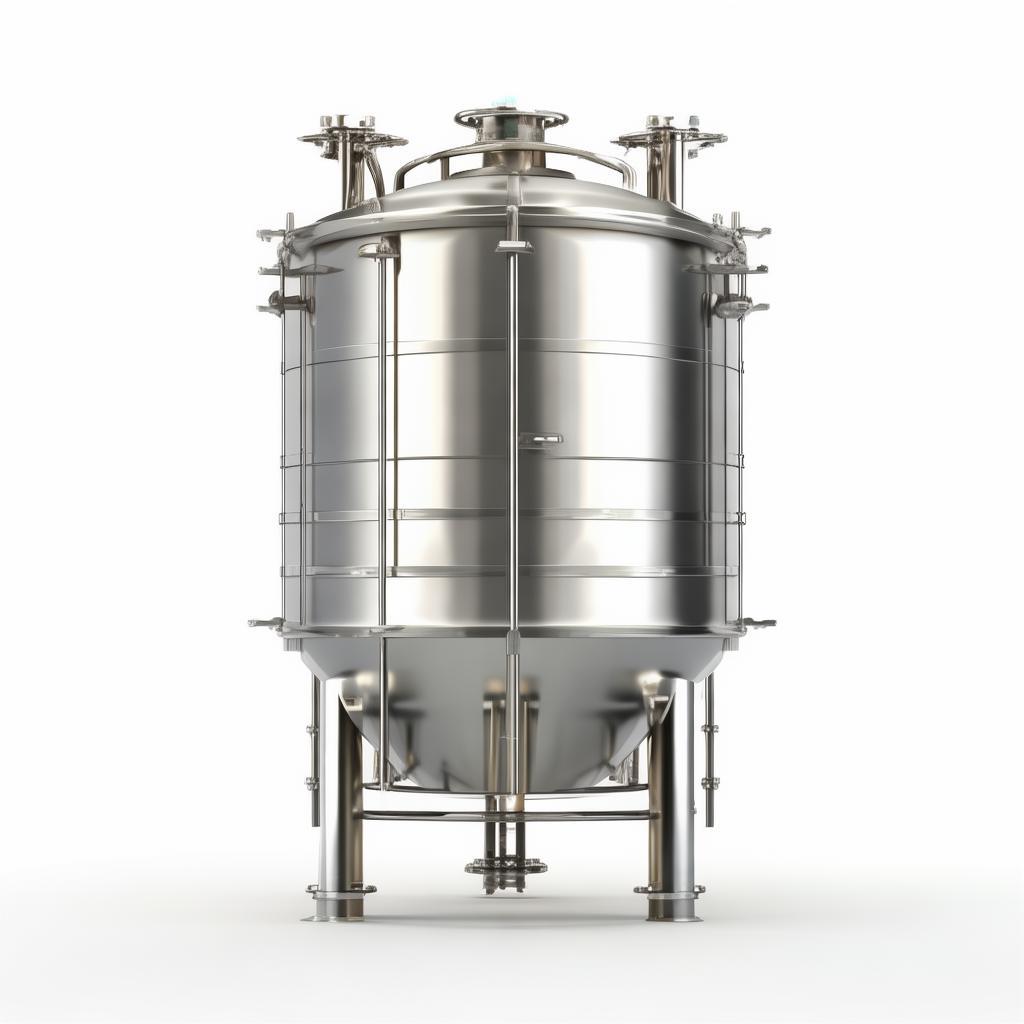
- Material Selection:
- Type I Tanks: Carbon steel (cost-effective but heavier; max pressure: 30 bar).
- Type II Tanks: Fiber-wrapped steel (lighter; 20 bar).
- Type III Tanks (Premium): Aluminum-lined composite (lightest; 25.4 bar; 50% lower boil-off).
- Safety Features:
- Pressure Relief Valves: ASME Section VIII compliant (set at 110% of max working pressure).
- Vacuum Insulation: <0.005 W/m·K thermal conductivity for cryogenic storage.
- Leak Detection: Built-in sensors for helium leak testing at 10⁻⁶ mbar·L/s.
- Capacity Options: 1,500 L to 50,000 L (standardized for global logistics).
Real-World Example: Hydrogen Storage Tank Selection
A European hydrogen fueling station operator needed 30,000 L storage with -253°C operation. We recommended:
- Type III Tank: Aluminum-lined, 25.4 bar pressure rating.
- Vacuum Insulation: 0.003 W/m·K thermal conductivity.
- Boil-Off Rate: 0.2%/day (vs. 0.5% for Type I).
- Certifications: ASME U Stamp + PED 2014/68/EU.
“Switching from Type I to Type III saved us €120K/year in boil-off losses and cut inspection time by 40%.” — Hydrogen Project Manager, Netherlands
Vaporizers & Pump Systems: Efficiency Metrics for Energy-Conscious Operations
Vaporizers are the unsung heroes of liquefied gas systems—responsible for 60% of energy consumption in LNG terminals. Here’s how to optimize them:
- Vaporizer Types:
- Ambient Air Vaporizers (AAVs): Zero energy input; best for temperate climates.
- Electric Vaporizers: 90-95% efficiency; ideal for cold regions.
- Steam-Heated Vaporizers: 85-92% efficiency; used in refineries.
- Key Specs:
- Heat Transfer Area: 5-20 m² for 10-500 kg/hour flow rates.
- Material: Stainless steel 316L (corrosion-resistant for oxygen/argon).
- Pressure Drop: <5 kPa to minimize pump load.
- Control Systems: PLC with PID tuning for <±1°C temperature accuracy.
- Pump Specs: Magnetic drive (no seals) for zero leakage; flow rates: 10-500 L/min.
Expert Tip: Reducing Boil-Off in LNG Storage
Boil-off gas (BOG) losses cost LNG terminals $500K-$2M/year. Mitigation strategies:
- Improve Insulation: Switch from perlite to multilayer insulation (MLI) (thermal conductivity: 0.002 W/m·K).
- Install BOG Recondensers: Recovers 80-90% of vaporized gas.
- Use High-Efficiency Pumps: Reduces pressure fluctuations that trigger BOG.
- Schedule Regular Maintenance: Check vacuum integrity every 6 months.
“Our MLI upgrade cut boil-off by 35% in 6 months, with a payback period of just 14 months.” — LNG Terminal Director, Singapore
Customization Capabilities: Tailored Solutions for Hydrogen, LNG, and Specialty Gases
No two liquefied gas projects are identical. Our OEM/ODM services include:
- Material Upgrades: Hastelloy C-276 for corrosive gases (e.g., chlorine).
- Pressure Ratings: Custom designs for up to 40 bar (standard is 25.4 bar).
- Coating Options: PTFE for ultra-pure gases (e.g., semiconductor nitrogen).
- Smart Features: IoT-enabled sensors for real-time pressure/temperature monitoring.
- Logistics Optimization: Tank sizes tailored to 40ft/20ft containers for global shipping.
Real-World Applications: Where Our Equipment Powers Global Industries
From semiconductor cleanrooms to hydrogen fueling stations, our equipment enables industries to operate safely and efficiently. Here are three case studies demonstrating our impact:
Case Study 1: Semiconductor Manufacturing – Ultra-Pure Nitrogen Delivery
Challenge: A Taiwanese semiconductor fab needed 99.9999% pure nitrogen at -196°C for chip cooling.
Solution: Custom Type III cryogenic tank + electric vaporizer system with:
- 316L stainless steel for corrosion resistance.
- 0.003 W/m·K insulation to minimize nitrogen boil-off.
- ±0.5°C temperature control via PLC.
Result: 99.9999% purity maintained; 30% lower energy costs vs. competitors.
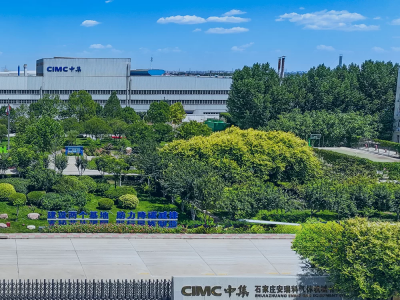
Case Study 2: Energy Sector – Reliable LNG Storage for Power Plants

Challenge: A German power plant required 50,000 L LNG storage with zero downtime.
Solution: Dual Type III tanks + BOG recondenser with:
- Aluminum-lined composite design (30% lighter than steel).
- 0.2%/day boil-off rate (vs. 0.5% industry average).
- ASME + PED 2014/68/EU certified.
Result: 99.9% uptime; €250K/year saved in boil-off losses.
Case Study 3: Healthcare – Medical Gas Supply for Hospitals
Challenge: A Singaporean hospital needed medical oxygen/argon delivery with FDA 510(k) compliance.
Solution: Custom Type III tanks + FDA-approved vaporizers with:
- Electropolished 316L stainless steel (meets USP Class VI standards).
- 0.01% particulate contamination.
- Real-time leak detection.
Result: Zero contamination incidents; 50% faster refill times vs. cylinder-based systems.

Trust & Compliance: Certifications That Prove Our Commitment to Safety
In the liquefied gas industry, trust is built on certifications. Below, we break down why each of our accreditations is critical for your operations.
CE Marking: Meeting EU Safety Standards for Liquefied Gas Equipment
CE marking is your passport to the EU market. It certifies compliance with the Pressure Equipment Directive (PED) 2014/68/EU, which covers:
- Design & Manufacturing: All tanks undergo finite element analysis (FEA) for stress testing.
- Material Traceability: 100% of raw materials are third-party certified.
- Third-Party Inspection: Notified bodies like TÜV and DNV audit our processes annually.
- Documentation: Full Technical File + EU Declaration of Conformity provided with each shipment.
ASME Section VIII: Why Pressure Vessel Compliance is Non-Negotiable
ASME Section VIII is the global gold standard for pressure vessels. It ensures:
- Design Safety: Pressure vessels must withstand 1.3x max working pressure in hydrostatic tests.
- Material Standards: Only ASME-approved materials (e.g., SA-516 Gr.70 steel) are used.
- Welding Procedures: All welders are ASME Section IX certified.
- Inspection Protocols: 100% radiographic testing (RT) for critical welds.
What Happens If You Skip ASME Compliance?
- Insurance Denials: Most policies require ASME-certified equipment.
- Regulatory Fines: Up to $100K for violations in the USA.
- Safety Risks: Non-ASME tanks are 2.5x more likely to fail under pressure.
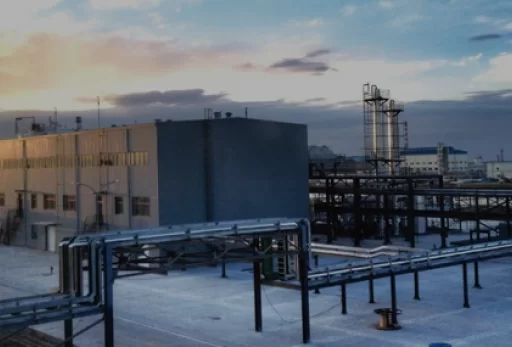
-and-Treatment.jpg "Natural Gas Liquefaction (Lng) And Treatment")