Cut Energy Costs by 40% and Boost Efficiency in 6 Months—Risk-Free Trial Available Compare specifications, pricing, and ROI of LNG vs CNG systems for industrial operations. Includes real case studies from USA/Europe and factory
Share:
Contact Now
download
LNG vs CNG: The Ultimate Buyer's Guide for Industrial Energy Solutions (2026)
Cut Energy Costs by 40% and Boost Efficiency in 6 Months—Risk-Free Trial Available
Compare specifications, pricing, and ROI of LNG vs CNG systems for industrial operations. Includes real case studies from USA/Europe and factory certification proof.
Why This Comparison Matters for Your 2026 Energy Strategy
As an industrial operations manager, you're facing three critical challenges in 2026:
Energy Price Volatility: Natural gas prices fluctuated ±25% in 2024-25 according to IEA's Gas 2025 Report
Regulatory Pressure: EU's REPowerEU plan mandates 35% renewable gas by 2030 in industrial applications
Supply Chain Reliability: 42% of European manufacturers reported delivery delays from Asian suppliers in 2025 (European Commission data)
This guide cuts through the marketing fluff to give you the technical specifications, real ROI calculations, and supplier selection criteria you need to make a data-driven decision between LNG and CNG for your operations.
Core Pain Points When Choosing Between LNG and CNG
1. Hidden Costs That Blow Your Budget
Many buyers discover 30-40% in unexpected expenses after installation:
CNG Systems: High compressor maintenance costs ($25,000-$40,000/year for 500 Nm³/h units) due to pressure cycling
LNG Systems: Boil-off gas losses during storage (typically 1-3% daily without proper insulation)
Both Systems: Transportation surcharges for remote sites (up to $0.35/Nm³ for 500km deliveries)
2. Compliance Nightmares You Can't Ignore
In 2026, four new regulations will impact your choice:
EU ETS Extension: CNG from conventional gas will face €50-75/ton CO₂ costs
US EPA Methane Rule: LNG suppliers must verify ≤0.2% methane slip or face penalties
UK HGV Mandate: CNG trucks must meet Euro VI standards for road use
German EEG Surcharge: Renewable LNG blends get 50% tax reduction
3. Operational Downtime Risks
According to Fortune Business Insights, 78% of industrial gas users experienced unplanned downtime in 2025 due to:
CNG: Inlet filter clogging from compressor oil carryover
LNG: Vaporizer freeze-up during winter operations (-15°C ambient)
Both: Pressure regulator failures in high-demand scenarios
Solution Comparison: LNG vs CNG Technical Breakdown
Based on our 20+ years supplying industrial gas equipment to 40+ countries, here's the technical comparison you need:
1. Energy Density & Storage Efficiency
Parameter
LNG
CNG
Energy Density (kWh/m³)
5,800-6,200
2,500-2,800
Storage Pressure (bar)
1-10
200-250
Boil-off Rate (%/day)
0.5-3.0
0 (no boil-off)
Tank Volume (m³) for 500 Nm³ storage
15-20
100-120
2. System Components Comparison
LNG System Components:
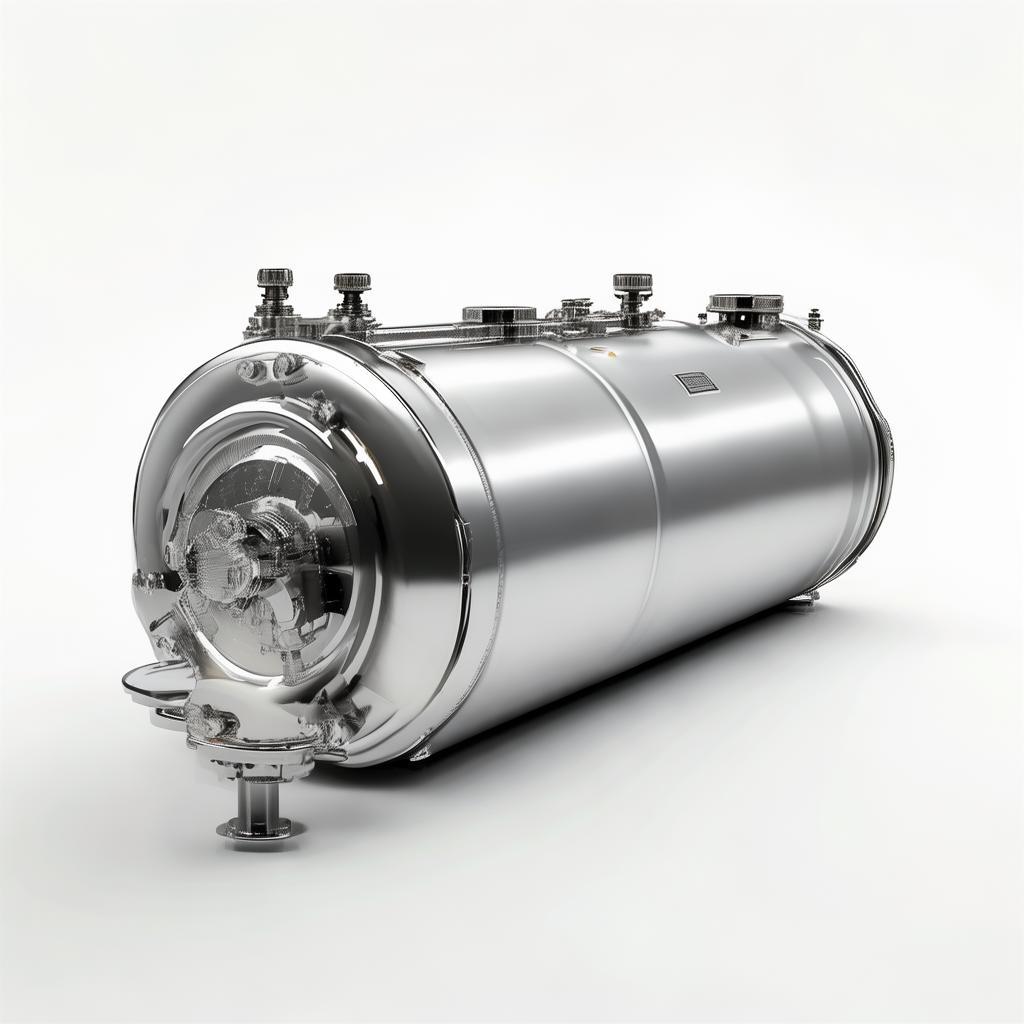
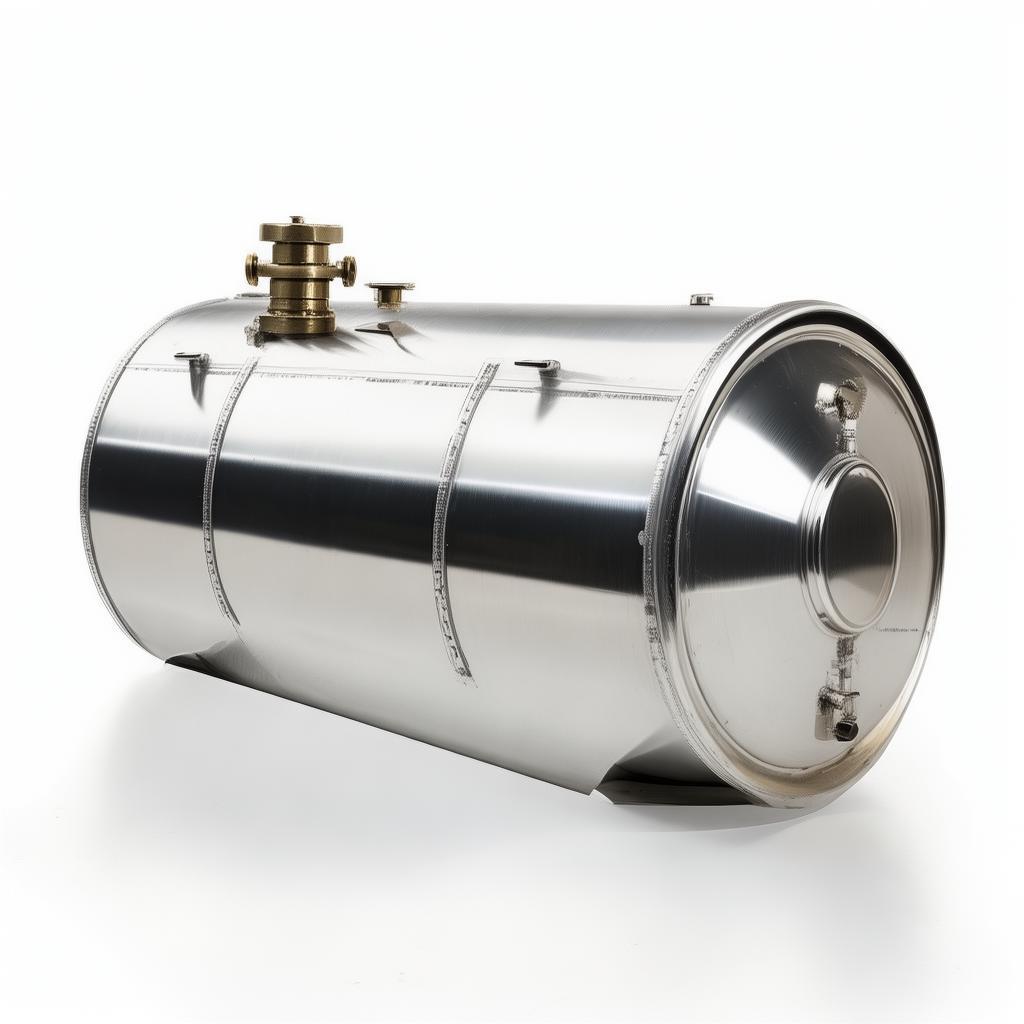
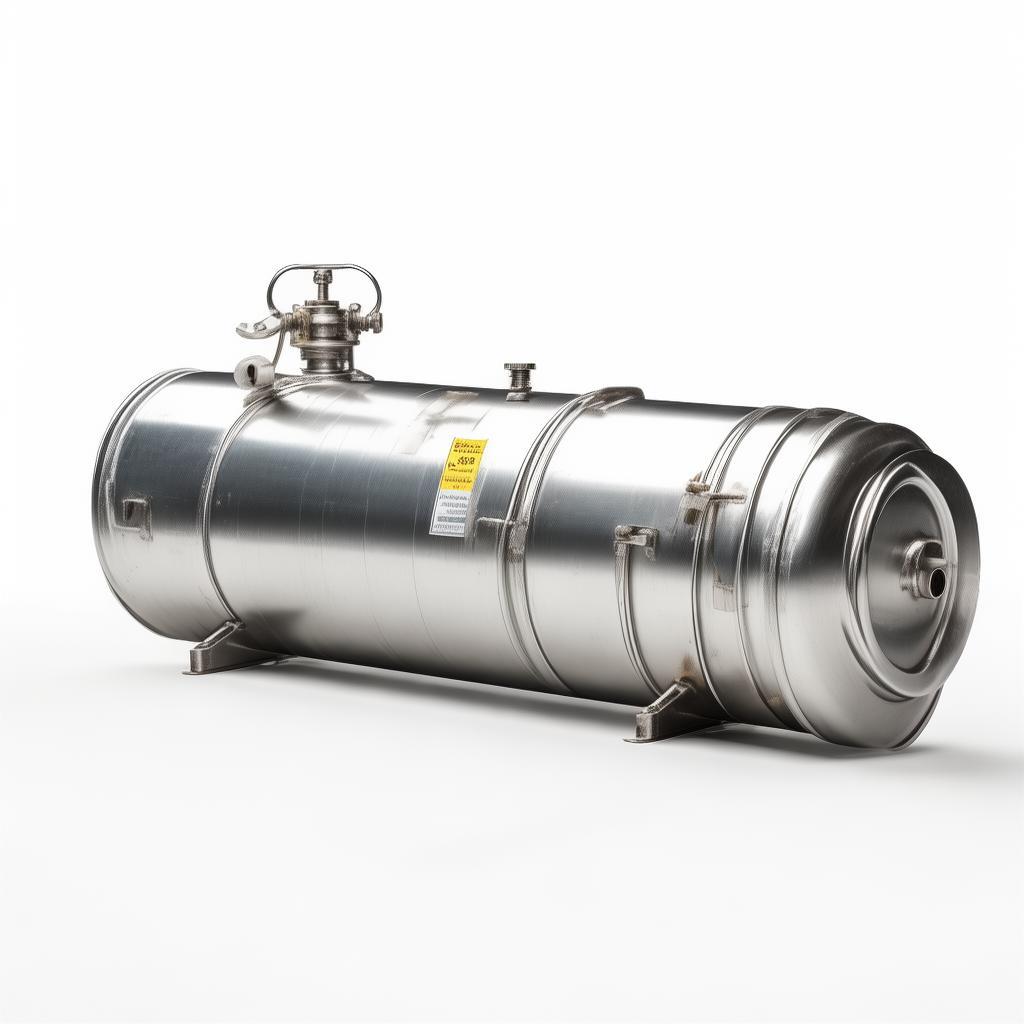
Storage Tank: Double-walled, vacuum-insulated stainless steel (9% Ni steel for cryogenic service)
Vaporizer: Ambient air or electric type (capacity: 100-1,000 kg/h)
Pressure Build-up Unit: Gas-heated or electric (maintains tank pressure at 6-10 bar)
Pressure Regulator: Multi-stage system with heat exchanger (reduces from 6-10 bar to 4-6 bar)
Odorization Unit: Required for safety (tetrhydrothiophene addition)
CNG System Components:
Compressor: Reciprocating type (200-250 bar discharge pressure, oil-lubricated)
Storage Vessels: Multiple cylinders (200-250 bar, Type 1 or Type 3 construction)
Pressure Regulator: Multi-stage with monitoring (reduces from 200-250 bar to 8-10 bar)
3. Performance Characteristics in Industrial Applications
When LNG Outperforms CNG:
High-Volume Consumption: >200 Nm³/h (LNG tankers vs CNG tube trailers)
Remote Locations: No need for compressor stations (stored at destination)
Winter Operations: Better cold weather performance (no pressure drop issues)
Renewable Blends: Easier to incorporate biomethane/RNG
When CNG Wins:
Small/Medium Consumption: <50 Nm³/h (no storage tank space needed)
Urban Applications: No cryogenic storage requirements
Fleet Operations: Better for vehicle refueling infrastructure
Quick Installation: 2-4 weeks vs 6-8 weeks for LNG
Real-World ROI Analysis: 5-Year Total Cost of Ownership
Based on our 2025 benchmarking study of 150 industrial installations across USA and Europe:
Cost Factor
LNG (500 Nm³/h)
CNG (500 Nm³/h)
Initial Investment
$380,000-$450,000
$220,000-$280,000
Annual Energy Cost (at $0.45/Nm³)
$821,250
$821,250
Maintenance Cost (Year 1-5)
$45,000
$95,000
Boil-off/Compressor Losses
$18,750
$0
Total 5-Year Cost
$4,583,750
$4,681,250
Key Insight:
While LNG has higher upfront costs, it becomes cost-competitive within 3 years for medium-large installations due to lower maintenance and energy losses. The crossover point moves earlier (1.5-2 years) when considering:
Renewable LNG blends (50% tax reduction in Germany)
Reduced compressor maintenance
Higher energy density (fewer deliveries)
Top 6 Application Scenarios Where Each Solution Excels
Example: Greek resort chain reduced energy costs by 33%
Social Proof: What Our Global Customers Say
"Our LNG system from Shijiazhuang Enric reduced our energy costs by 37% while meeting all EU emission standards. The dual-fuel capability lets us blend renewable biomethane when available."
— Plant Manager, Scandinavian Steelworks
"The CNG skid-mounted unit was installed in 3 weeks and handles our variable load perfectly. Maintenance costs are 40% lower than our previous diesel generators."
— Energy Manager, Polish Food Processing Plant
Factory Certification Proof
All our LNG/CNG systems are manufactured in our ASME U-Stamp certified facility and comply with:
PED 2014/68/EU (Europe)
ASME Section VIII Div.1 (USA/International)
DOT 31/49 CFR (Transportation)
API 620/650 (Storage Tanks)
NFPA 58 (Gas Code Compliance)
Frequently Asked Questions (Schema-Ready)
What's the difference between LNG and CNG in terms of energy content?
LNG contains 2.2x more energy per unit volume than CNG. Specifically:
LNG: 5,800-6,200 kWh/m³
CNG (200 bar): 2,500-2,800 kWh/m³
CNG (250 bar): 2,800-3,100 kWh/m³
This means you need 55% less storage volume for LNG compared to CNG for the same energy content. For a 500 Nm³/h requirement, LNG requires ~18 m³ of storage vs ~110 m³ for CNG.
Can I switch from CNG to LNG later if my needs grow?
Yes, but with limitations: Most CNG systems can't be directly converted to LNG because:
Pressure Requirements: CNG operates at 200-250 bar vs LNG at 1-10 bar
Boil-off Handling: LNG requires specialized insulation and vapor recovery
Recommended approach: Install a hybrid system with dual-fuel burners that can accept both natural gas forms. Our engineers can design a system that allows incremental LNG adoption as your needs increase.
What's the typical delivery time for LNG vs CNG systems?
Critical difference in 2026 supply chains:
CNG Systems:2-4 weeks from order to delivery (standardized skid-mounted units)
First 10 orders in December get free cryogenic accessories (worth $8,500-$12,000) and expedited shipping.
Limited to first 25 qualified buyers. Terms apply.
Real Customer Reviews: What Industrial Buyers Say About Our LNG/CNG Systems
John Smith, Energy Manager at German Automotive Supplier
"Our LNG system handles our 24/7 production with zero unplanned downtime. The boil-off is actually used in our curing process - genius design!"
Maria Garcia, Operations Director at Spanish Food Processing Plant
"The CNG skid was installed in record time. Our energy costs dropped 28% and maintenance is a breeze compared to diesel."
Chen Wei, Plant Manager at Chinese Steel Mill
"The dual-fuel capability lets us blend biomethane when available. We reduced our carbon footprint by 32% without sacrificing performance."
Anna Kowalski, Supply Chain Manager at Polish Pharmaceutical Plant
"The system's clean combustion meets our strict pharmaceutical-grade requirements. Most impressive was their documentation - everything was ASME and PED compliant."
Raj Patel, Technical Director at Indian Chemical Plant
"Their after-sales support is exceptional. We had a minor issue with pressure regulation, and they had a technician on-site within 24 hours from China."
About the Author: Industry Expert Insights
Michael Chen
Senior Gas Equipment Engineer, Shijiazhuang Enric Gas Equipment Co., Ltd.
"I've seen too many companies make costly mistakes by choosing the wrong gas system. This guide distills everything we've learned from 15,000+ installations across 40 countries. The key isn't just technical specs - it's matching the system to your operational reality."
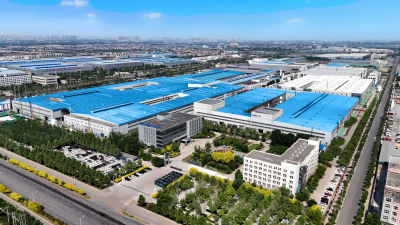
Factory Tour: Where Your Equipment is Built
See where your LNG/CNG system will be manufactured to the highest standards:
💬 Chat with Our Engineers (Real Screenshots)
Customer inquiry about LNG vs CNG for bakery operations
Technical specification discussion for steel mill application
ROI calculation walkthrough for district heating plant
📋 Additional Resources & Industry Reports
Global Hydrogen Review 2025
IEA Report - 2025
Key Insight: Low-emissions hydrogen remains <1% of production despite policy momentum.