news

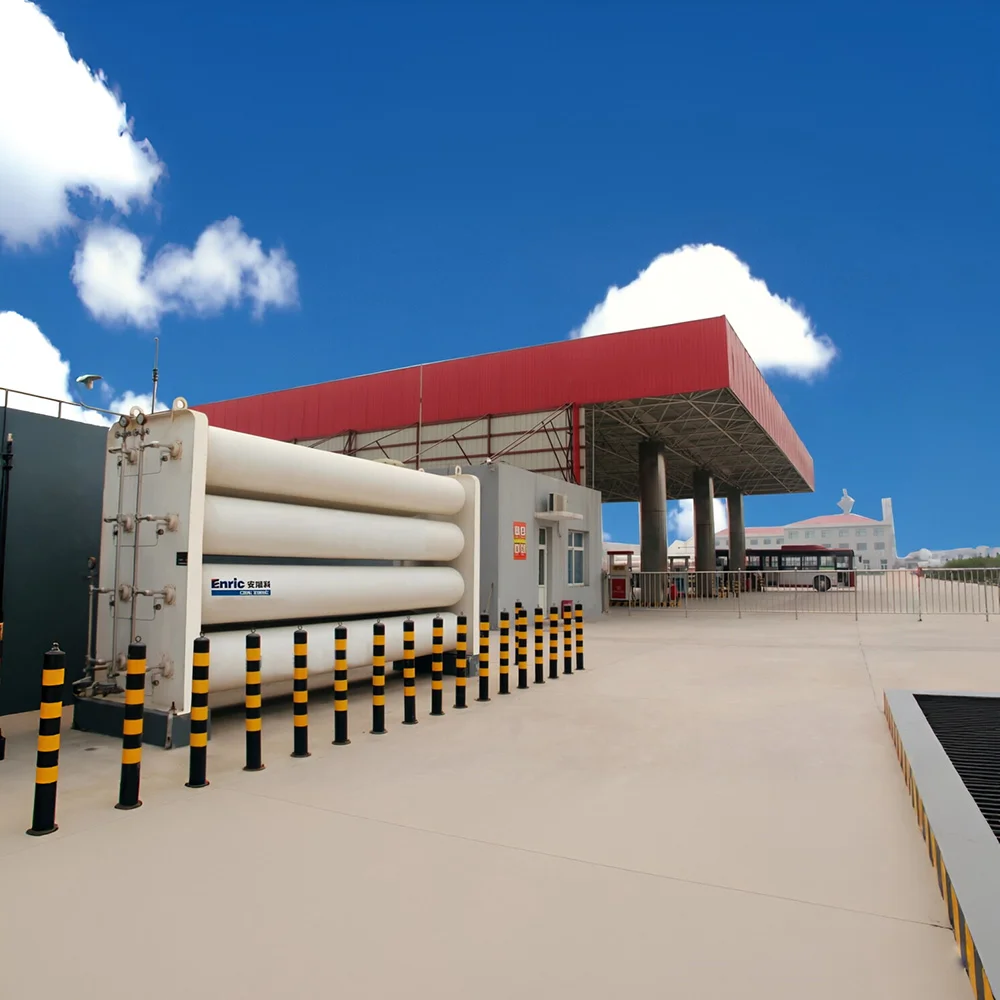
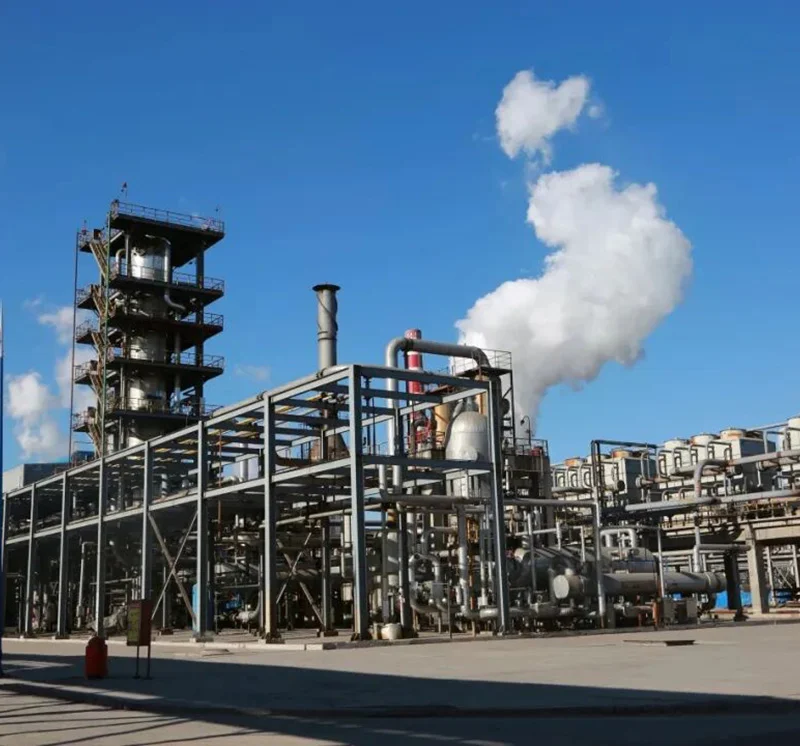
Netherlands Advanced hydrogen storage tank Solutions

Leading the energy transition in the Benelux region with high-pressure gas compression and cryogenic storage systems.

Netherlands Advanced hydrogen storage tank Solutions

Providing cutting-edge gas separation and compression equipment tailored for the Dutch industrial landscape, focusing on decarbonization and sustainable energy storage.

Gas Infrastructure State in the Netherlands

Analyzing the shift from traditional natural gas to green hydrogen and bio-fuels.

The Netherlands, historically a hub for natural gas via the Groningen field, is currently undergoing a massive energy pivot. With the phase-out of traditional gas extraction, there is a surging demand for lng products to stabilize industrial energy supplies while transitioning to carbon-neutral alternatives.

Geographically, the proximity to the Port of Rotterdam makes the region a critical gateway for the European "Hydrogen Backbone." This creates an urgent need for scalable cng cylinder technology and high-capacity storage to manage the intermittency of wind-generated green hydrogen.

Furthermore, the Dutch agricultural and chemical sectors are integrating bio lpg gas to reduce CO2 emissions. The industrial environment now requires highly specialized equipment that can handle varied gas compositions and stringent European safety standards (TPED).

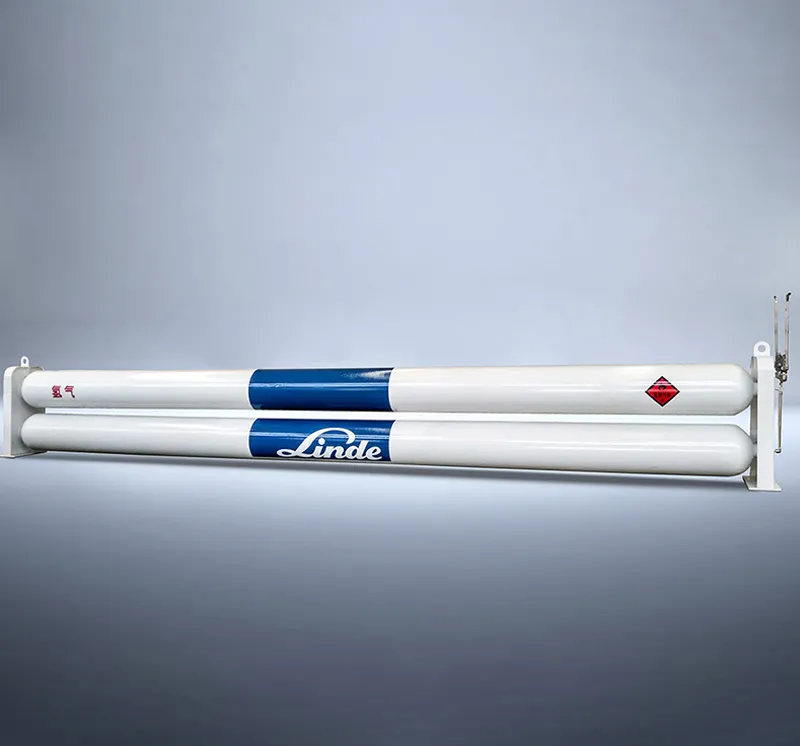
Technical Evolution of Gas Equipment

From conventional compression to intelligent cryogenic storage.

Market Development History

Between 1990 and 2010, the focus was predominantly on natural gas distribution, utilizing standard steel compression systems for domestic heating and industrial power.

From 2010 to 2020, the industry shifted toward "Bridge Fuels." This era saw the rapid adoption of lng products for heavy-duty transport and maritime applications to meet EU emission targets.

Since 2020, the focus has pivoted to the "Hydrogen Economy," where composite materials and advanced thermodynamics have replaced heavy steel, enabling higher energy density in storage systems.

Future Development Trends

High-Pressure Composite Integration

The transition from Type I to Type IV cylinders to minimize weight and maximize safety in urban hydrogen refueling stations.

Circular Gas Economy

Integrating bio lpg gas recovery systems into existing refinery infrastructures to create a closed-loop carbon cycle.

AI-Driven Compression

Implementation of predictive maintenance and IoT monitoring for all high-pressure vessels to prevent downtime in critical energy corridors.

Industry Trends and Future Outlook

Strategic directions for the gas equipment sector in Western Europe.

Decarbonization Acceleration
Rapid replacement of fossil-fuel compressors with hydrogen-ready equipment to meet "Fit for 55" goals.
Modular Storage Units
Standardization of storage modules to allow rapid deployment in Dutch industrial parks.
Cryogenic Optimization
Reducing boil-off rates in LNG and LH2 storage through nano-insulation technology.
Safety digitalization
Integrating real-time leak detection sensors with cloud-based safety management systems.

Industry Outlook

Based on Google search trends for "Green Hydrogen Infrastructure" in Europe, we expect a 300% increase in demand for high-pressure storage systems over the next 3 years. The Netherlands will serve as the primary logistics hub for these technologies.

The synergy between chemical processing and energy storage will lead to a new category of hybrid plants that produce and store energy on-site, reducing dependence on long-distance piping.

Localized Application Scenarios in Netherlands

Real-world deployment of specialized gas equipment in Dutch industry.

01. Port of Rotterdam Bunkering

Deploying high-efficiency lng products for maritime refueling, enabling ships to switch from heavy fuel oil to cleaner liquefied gases.

02. North Sea Wind-to-H2 Plants

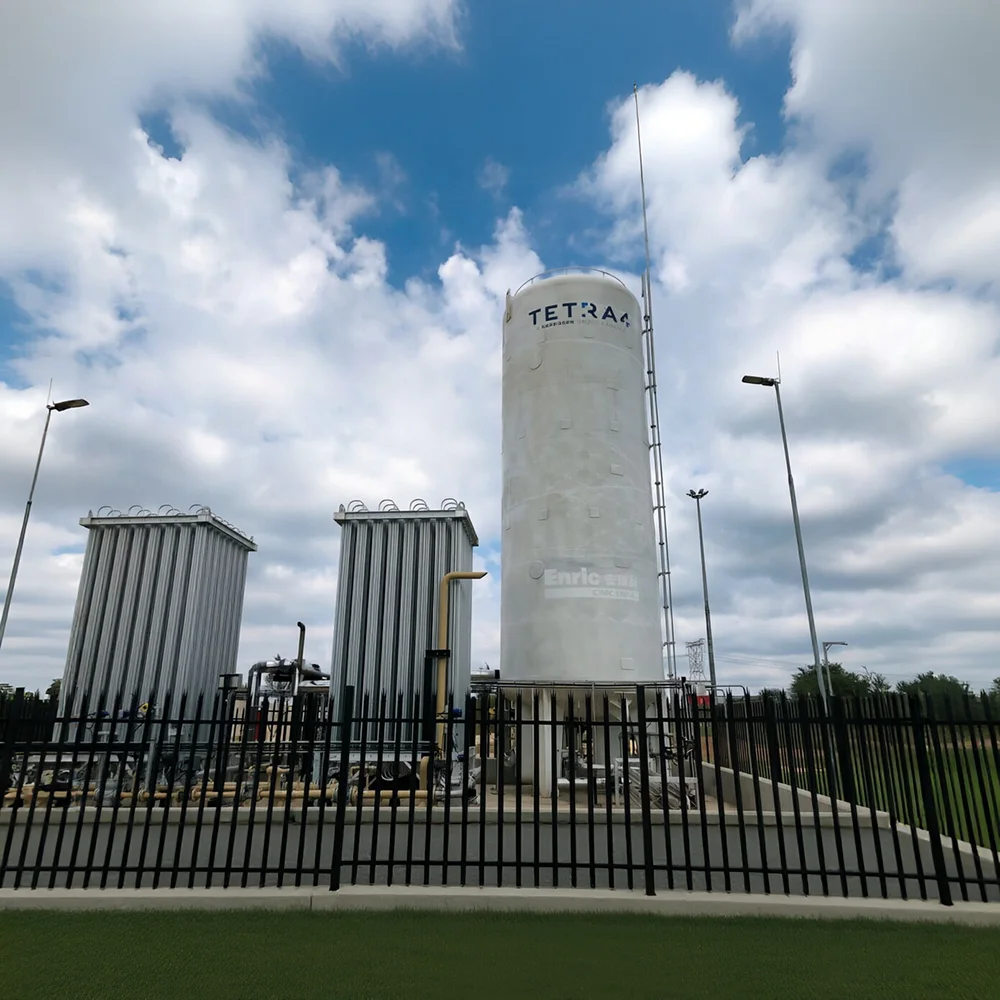
Utilizing massive hydrogen storage tank arrays to capture excess energy from offshore wind farms during peak production.

03. Greenhouse Agriculture Heating

Implementing bio lpg gas storage and distribution systems for sustainable climate control in the Westland greenhouse region.

04. Heavy Logistics Fleet Conversion

Installing high-pressure cng cylinder systems for long-haul trucks transporting goods between Rotterdam and Germany.

05. Petrochemical Water Treatment

Applying demulsifier oil and gas processing equipment to enhance oil-water separation in chemical refineries, ensuring environmental compliance.

Brand Story

Global Development Journey of Shijiazhuang Enric Gas Machinery Co., Ltd.

Foundational Engineering

Started with a focus on high-precision gas compression, solving the basic pain point of energy loss in industrial transport.

Technological Breakthrough

Developed advanced alloy materials that extended the lifespan of high-pressure vessels in corrosive environments.

Global Market Entry

Expanded into the European market, adapting all products to meet the strict CE and PED certifications.

Green Energy Pivot

Dedicated R&D to hydrogen and bio-gas storage, aligning with the global shift toward Net-Zero emissions.

Industry Leadership

Now providing integrated "Compression-Storage-Distribution" solutions for the world's leading gas hubs.

Comprehensive Gas Solutions for the Netherlands

A full suite of equipment designed for European energy standards.

Common Questions in the Dutch Market

Expert answers to technical and regulatory queries.

What are the TPED certification requirements for a cng cylinder in Europe?

All cylinders must comply with the Transportable Pressure Equipment Directive (TPED), requiring rigorous pressure testing and π-marking for free movement within the EU.

How does a hydrogen storage tank handle extreme temperature fluctuations?

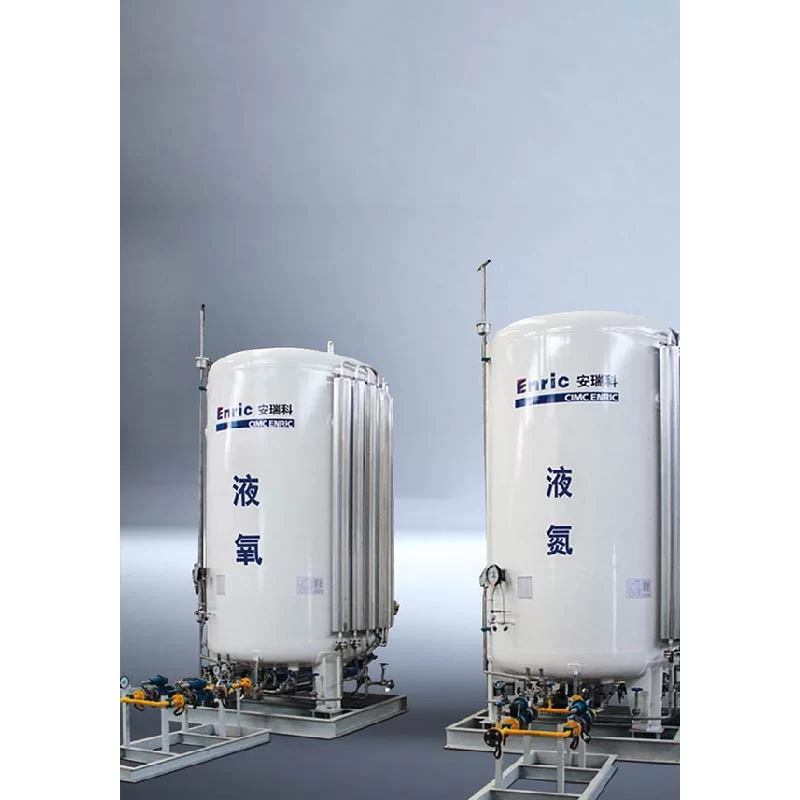
We utilize vacuum-insulated double-wall shells and advanced thermal expansion joints to ensure structural integrity from -253°C to ambient temperatures.

Can lng products be easily integrated into existing natural gas grids?

Yes, through satellite regasification units that convert liquid LNG back into gaseous form at the required grid pressure.

What is the efficiency of bio lpg gas compared to conventional LPG?

Bio LPG offers nearly identical energy density and heating value while reducing the carbon footprint by up to 60%.

How does demulsifier oil and gas treatment improve recovery rates?

Our specialized demulsifiers break stable emulsions of oil and water, allowing for cleaner oil recovery and reducing waste treatment costs.

What is the lead time for customized gas compression systems in the Netherlands?

Standard modules are available within 4-8 weeks, while fully customized high-pressure systems typically require 12-20 weeks including certification.

Ready to Upgrade Your Gas Infrastructure?

Our technical team is ready to support your energy transition projects across the Netherlands. Contact us for a customized engineering audit.

Contact Us Now

If you are interested in our products, you can choose to leave your information here, and we will be in touch with you shortly.