Efficient gas distribution often hinges on the ability to manage high-pressure differentials without sacrificing the usable volume of the medium. In industrial settings, the transition from simple cylinder storage to structured cascade systems represents a critical shift in operational efficiency.
The challenge for many chemical and energy operators is the inherent waste associated with single-cylinder discharge, where a significant percentage of the gas remains trapped as pressure drops. To solve this, engineers have developed multi-stage storage configurations that optimize recovery through strategic pressure banking.
Exploring the technical nuances of cng products and high-pressure storage cascades reveals how these systems reduce refueling frequency and lower long-term operational expenses.


Unlike traditional storage where each cylinder is used independently, a cascade system organizes vessels into banks of varying pressures. When gas is requested, the system draws from the lowest pressure bank first, then moves to the medium, and finally the high-pressure bank.
This sequence allows the gas in the lower-pressure banks to be almost entirely depleted before the system taps into the high-pressure reserves. The result is a significant increase in the percentage of usable gas per refill cycle, which is a primary driver for adopting advanced cng products.
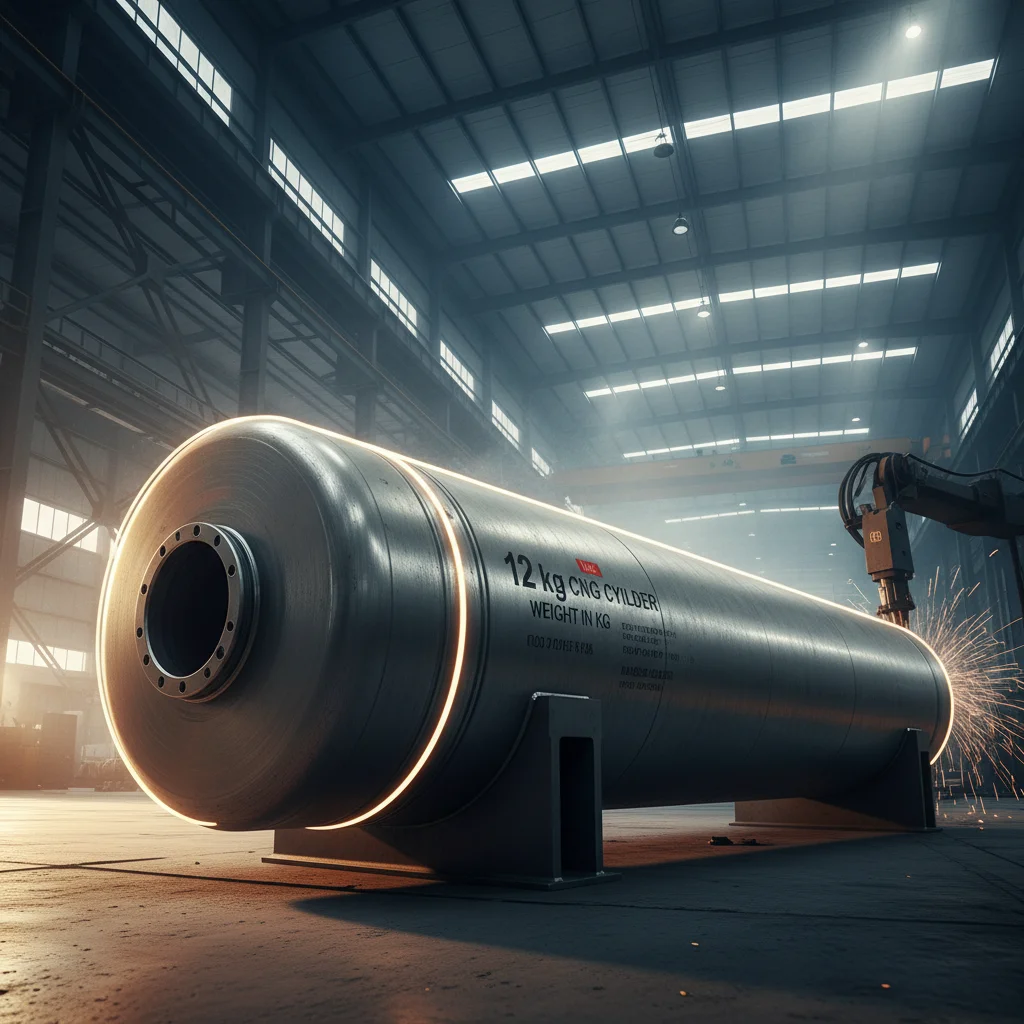
The safety of a gas storage system is determined by its ability to withstand extreme internal pressures. For specialty gases like Hydrogen (H2), which has a high permeability and small molecular size, the selection of materials is paramount. High-strength alloy vessels with reinforced walls are used to prevent leakages and structural failure.
Industrial compliance requires rigorous hydrostatic testing and the integration of precision safety relief valves. These components act as the final line of defense, triggering automatic shut-offs or controlled venting if temperature spikes or over-pressure conditions occur, ensuring that the infrastructure remains stable under 550 Bar conditions.
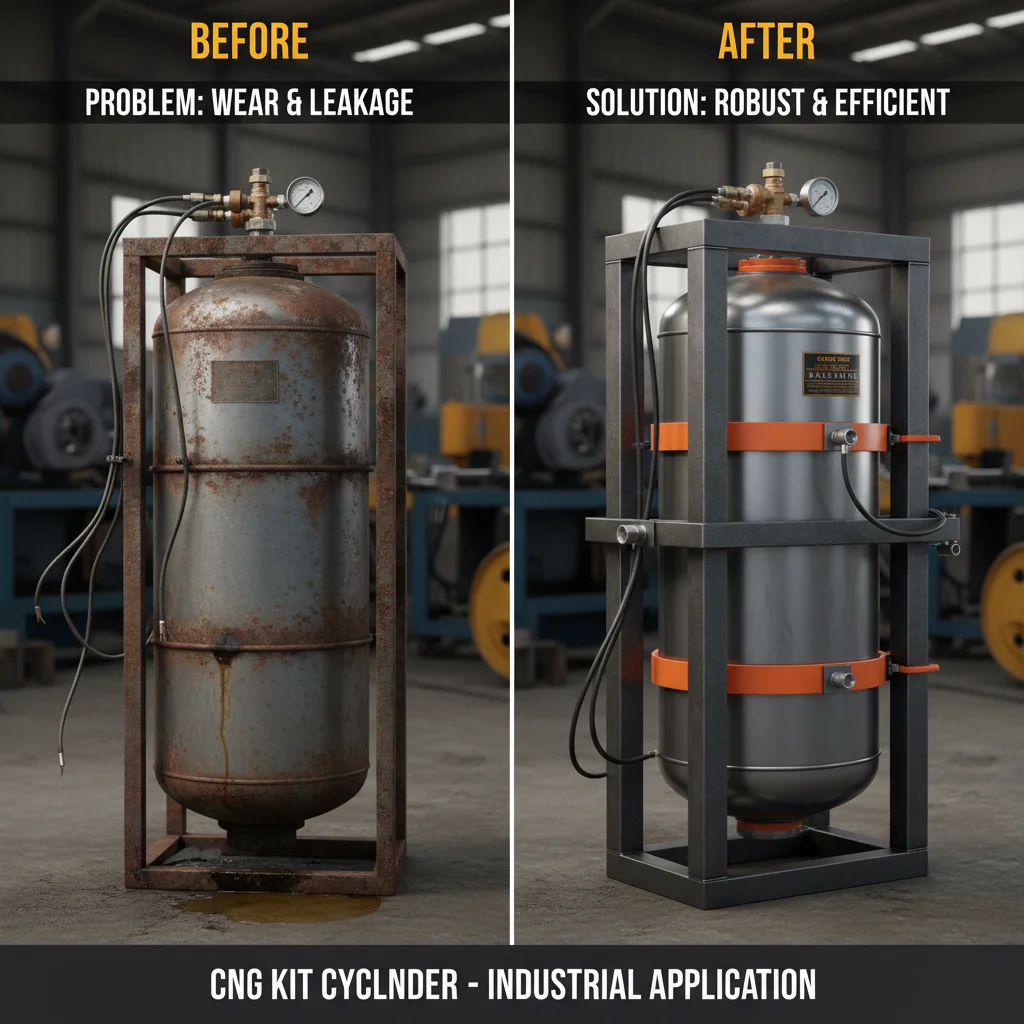
Furthermore, the architectural design of the cascade framework must account for vibrational stress and environmental corrosion. By adhering to international standards for gas compression and separation equipment manufacturing, manufacturers ensure that the system maintains its structural integrity over decades of operational use.
Gas recovery is the most direct metric for assessing the ROI of a storage system. In a standard cylinder setup, once the pressure in the cylinder equals the downstream pressure, the remaining gas becomes inaccessible, often leaving 30-40% of the product unused.
Cascade logic transforms gas recovery by transferring gas from high-pressure banks to low-pressure banks during the filling process, effectively utilizing nearly 95% of the stored volume.
This efficiency is achieved through a multi-stage discharge configuration. By carefully managing the output pressure based on downstream requirements, the system minimizes pressure loss. This not only reduces the frequency of refills but also lowers the logistics costs associated with transporting heavy pressure vessels.
When evaluating different storage methodologies, several performance indices emerge: gas utilization, refill frequency, and storage density. Standard storage often struggles with low utilization and high manual overhead, whereas cascade systems automate these processes.
The following index compares the relative performance of various storage configurations across key industrial metrics, highlighting the operational superiority of cascade-based cng products in high-demand environments.
In the semiconductor and electronic gas industries, high-purity Argon, Nitrogen, and Helium are essential. A typical industrial setting requires these gases to be delivered at precise pressures without contamination. Cascade systems allow for large-scale storage in a compact footprint, which is vital for facilities with limited floor space but high throughput requirements.
For green energy initiatives, the focus shifts to Hydrogen. Because H2 requires extremely high pressures for efficient storage (up to 550 Bar), the cascade system's ability to manage these levels safely makes it an ideal solution for refueling stations and industrial power plants.
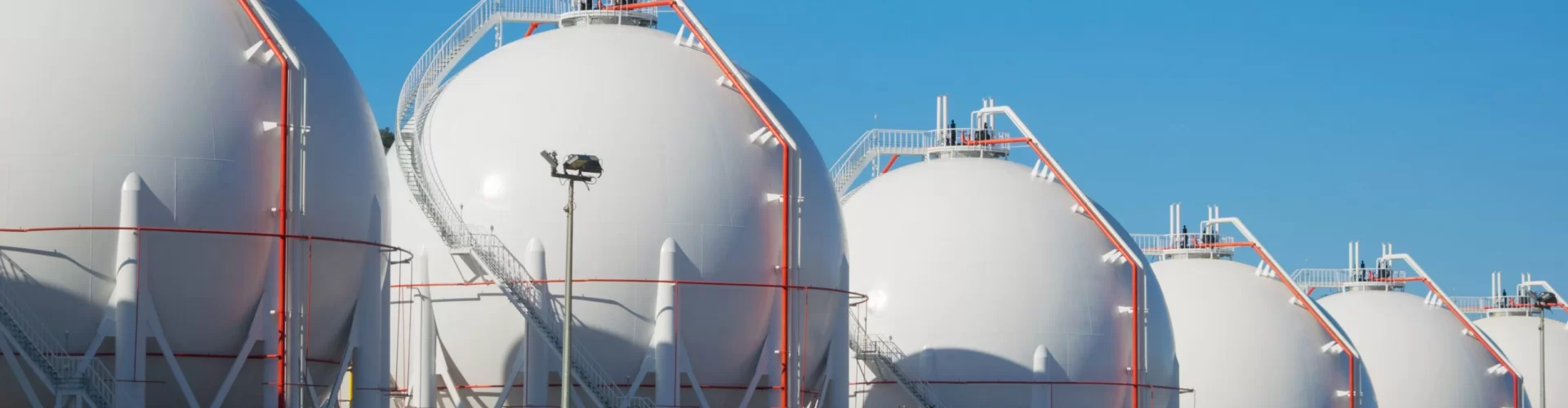
The global energy transition is placing unprecedented demand on Hydrogen storage. The technical challenge lies in Hydrogen's low volumetric energy density, necessitating high-pressure compression to make transportation and storage viable. This has led to the development of specialized High-Cap cascades capable of storing over 1000 M³ of gas.
Future infrastructure is moving toward automated management platforms. Integrated leak detection and digital maintenance logs are becoming standard, allowing operators to forecast gas consumption and optimize refill cycles through analytical tools rather than manual inspections.
As the industry matures, the integration of these systems into larger energy grids will require scalable designs. The ability to add more vessel banks to an existing cascade without redesigning the entire manifold is a key requirement for companies investing in long-term green energy assets.
Choosing between standard cylinder storage and a cascade system depends on the scale of operation and the cost of the gas medium. For low-volume laboratory use, single cylinders may suffice; however, for industrial processing, the waste associated with standard storage quickly outweighs the initial investment cost.
Key factors to evaluate include the working pressure requirements (e.g., 200 Bar for Argon vs. 550 Bar for Hydrogen) and the required water capacity of the vessels. A higher water capacity generally correlates to higher gas capacity, but it also increases the physical footprint of the system.
The following comparison provides a relative assessment of how different storage configurations impact business outcomes, emphasizing the trade-off between initial CapEx and long-term OpEx.
| Evaluation Factor | Standard Storage | Cascade Storage | Business Impact |
|---|---|---|---|
| Gas Utilization | 60-70% | 95%+ | Lower Gas Waste |
| Refill Frequency | High | Low | Reduced Logistics |
| Storage Density | Moderate | Very High | Saved Floor Space |
| Operational Safety | Manual | Automated | Lower Risk Profile |
| Monitoring Level | Basic Gauges | Integrated Platform | Precision Control |
| Long-term ROI | Low | High | Lower OpEx |
A single cylinder system discharges gas until the internal pressure reaches the delivery pressure, leaving a significant amount of gas trapped. A cascade system organizes cylinders into banks of different pressures. By drawing gas from the lowest-pressure bank first, the system ensures that each vessel is almost completely depleted before moving to the next, maximizing the usable volume of the gas.
Yes, specialized Hydrogen cascades are engineered to handle pressures up to 550 Bar. Hydrogen requires reinforced vessel walls and specific alloy compositions to address its permeability and safety requirements. These systems are critical for green energy infrastructure where high-density storage is necessary for efficient transport and refueling.
Safety is maintained through a combination of high-strength alloy materials, rigorous hydrostatic testing, and precision safety relief valves. Additionally, integrated safety interlocks can trigger automatic shut-off valves in the event of over-pressure or temperature spikes, preventing vessel failure and ensuring operational stability.
These systems are versatile and compatible with a wide range of industrial and electronic gases. Common applications include Hydrogen (H2) for energy, Argon (Ar) and Nitrogen (N2) for fabrication and welding, and Helium (He) for specialty laboratory or semiconductor processes.
Lead times typically range from 4 to 8 weeks. This duration includes the design approval phase, where water capacity and working pressure specifications are finalized, followed by the manufacturing of the pressure vessels and the assembly of the manifold and monitoring system.
Regular inspection of valves, seals, and pressure gauges is essential. Digital maintenance logs and management platforms help track these intervals. Periodic certification of the pressure vessels and testing of the safety relief valves are recommended to maintain compliance with industrial safety standards.
The transition to cascade storage represents a strategic move toward operational sustainability. By maximizing gas utilization and reducing the frequency of refills, industrial operators can significantly lower their OpEx while enhancing the safety of their high-pressure infrastructure.
Whether supporting the semiconductor industry's need for high-purity gases or the global shift toward Hydrogen energy, the integration of advanced cng products ensures that gas distribution remains efficient, safe, and scalable.