news

Advanced Energy Storage Solutions for hydrogen storage tank in Australia

Providing high-pressure gas compression and separation equipment tailored for the Australian energy transition and industrial sectors.

Advanced Energy Storage Solutions for hydrogen storage tank in Australia

Integrated gas equipment solutions designed to optimize the storage and transport of clean energy fuels across the diverse Australian landscape.

Energy Infrastructure Landscape in Australia

Analyzing the intersection of vast natural resources and stringent environmental standards.

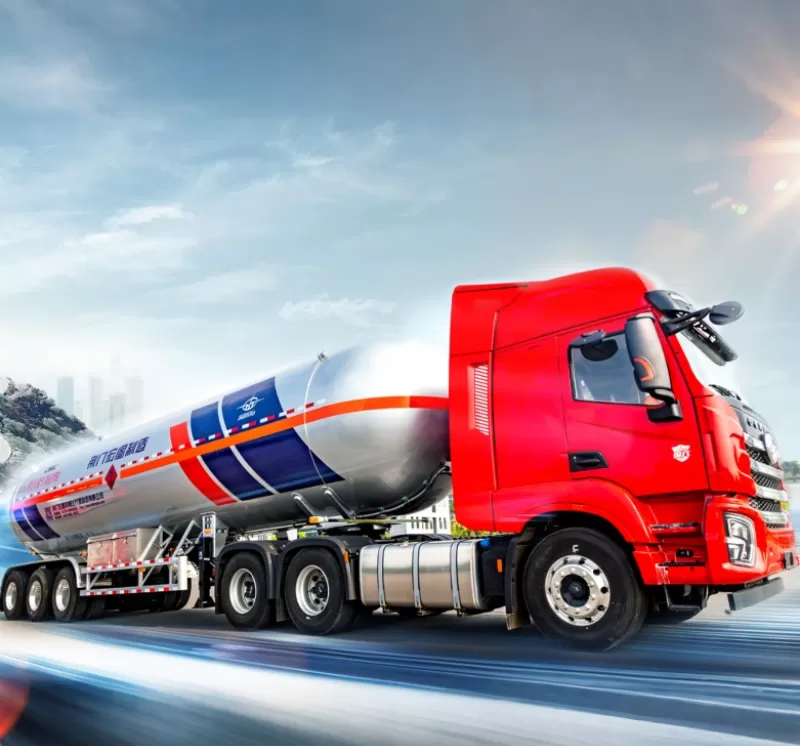
Australia's energy sector is currently undergoing a massive pivot toward decarbonization. With its unique geography, the demand for efficient lng products has remained strong for remote power generation, while the push for "Green Hydrogen" is creating an unprecedented need for high-capacity storage infrastructure.

The harsh Australian climate, characterized by extreme temperature fluctuations in the Outback and high humidity in coastal regions, places severe stress on equipment. This necessitates a shift toward high-grade materials in cng cylinder manufacturing to ensure safety and longevity under rigorous operating conditions.

Furthermore, the oil and gas fields in Western Australia and Queensland are increasingly integrating specialized demulsifier oil and gas technologies to optimize the separation of water-in-oil emulsions, ensuring that raw materials are processed with maximum efficiency and minimum environmental impact.
Evolution of Gas Compression and Separation

Tracing the trajectory from traditional fossil fuel logistics to sustainable gas alternatives.

Market Development History

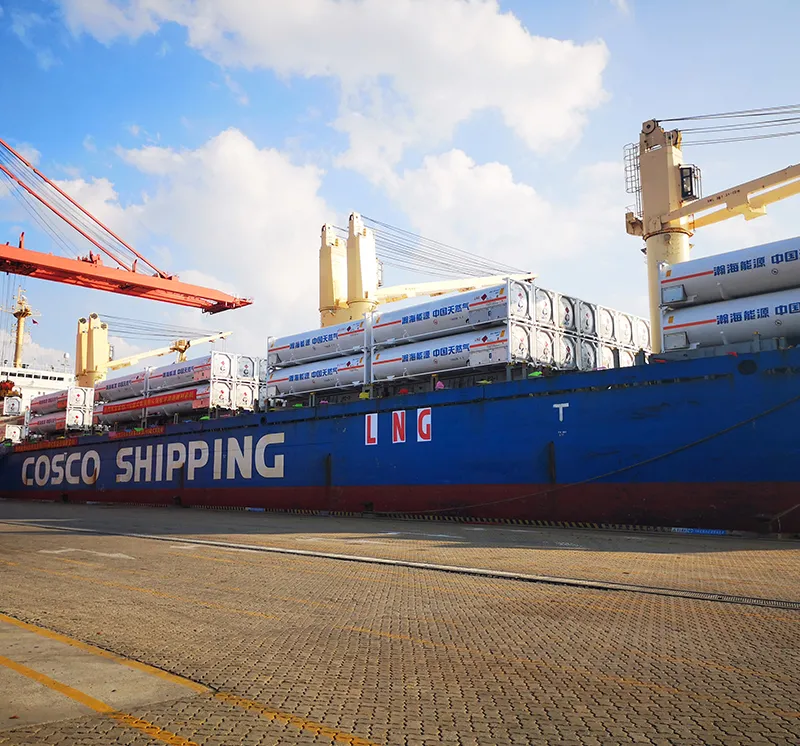
From the 1990s to the early 2010s, the Australian market focused heavily on the expansion of conventional LNG and LPG infrastructure to support mining and residential heating, utilizing basic steel-based storage systems.

Around 2015, the introduction of composite materials revolutionized the industry, allowing for lighter and safer cng cylinder designs that improved transport efficiency across the continent's vast distances.

Post-2020, the focus has shifted toward the "Hydrogen Economy." The technical iteration has moved from simple gas compression to advanced cryogenic and high-pressure storage, integrating bio lpg gas to reduce carbon footprints in industrial heating.

Future Development Trends

Integration of Type IV Composite Tanks

The shift toward non-metallic liners in hydrogen storage to eliminate hydrogen embrittlement, increasing the safety of high-pressure storage.

Modular CNG/LNG Micro-Hubs

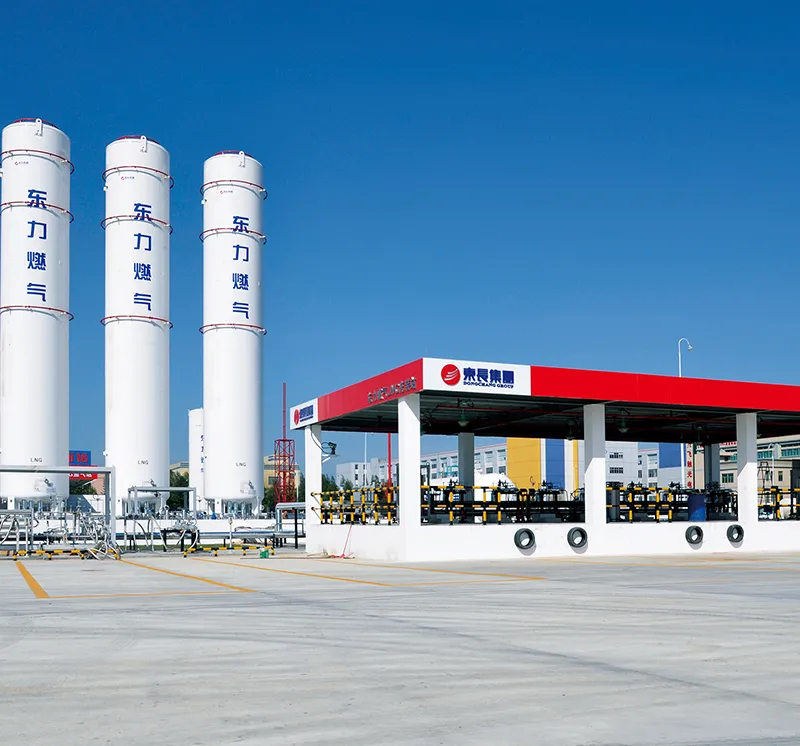
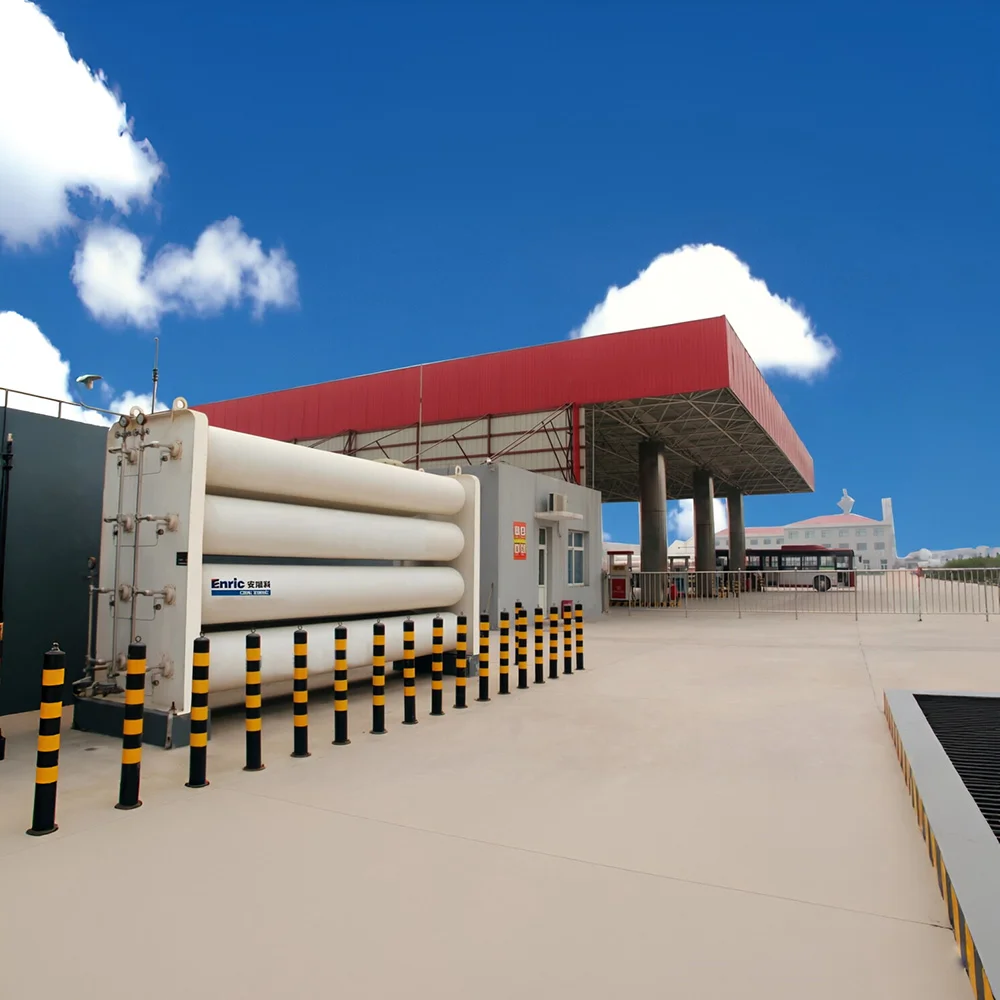
Developing decentralized filling stations to serve the remote Australian agricultural and mining sectors more effectively.

Carbon-Neutral Bio-Gas Transition

Accelerating the adoption of bio lpg gas systems to replace traditional fossil-based LPG in regional industrial clusters.

Future Outlook of Gas Equipment Manufacturing

Predicting the shift towards intelligent, sustainable, and high-density energy storage.

Hydrogen Ecosystem Growth
Rapid scaling of hydrogen storage tank capacity to support heavy-haulage trucking in the Northern Territory.
Smart Monitoring Systems
IoT integration for real-time pressure and leak detection in lng products to ensure operational safety.
Sustainable Feedstock
Increasing transition to bio lpg gas for industrial applications to meet net-zero targets.
Advanced Separation
Next-gen demulsifier oil and gas chemistry for ultra-efficient water removal in upstream assets.

Industry Outlook

Based on current Google search trends in Australia, there is a sharp increase in queries related to "green hydrogen infrastructure" and "carbon-neutral LPG." This indicates a market shift where equipment providers must offer modular, scalable solutions that can adapt from LNG to hydrogen.

The long-term outlook suggests a hybrid energy model. For the next 3-5 years, we expect a surge in the deployment of multi-fuel storage terminals that can handle both conventional lng products and emerging biofuels to ensure energy security across rural Australia.

Localized Application Scenarios in Australia

Real-world deployments of gas equipment across diverse Australian industries.

01. Mining Operations in Western Australia

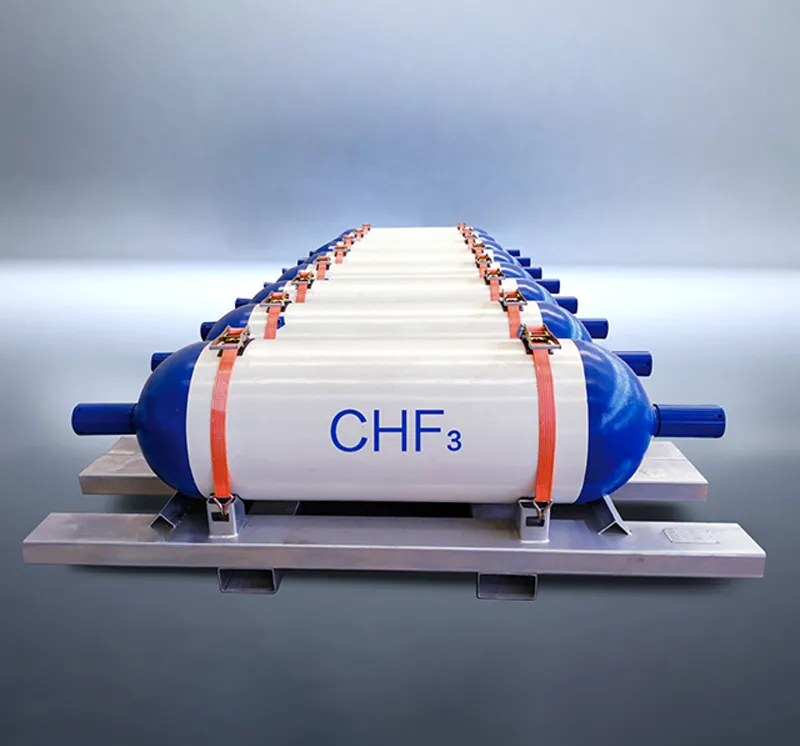
Deployment of high-pressure cng cylinder banks to power remote mining machinery, reducing reliance on diesel generators in the Pilbara region.

02. Green Hydrogen Hubs in Queensland

Installation of industrial-scale hydrogen storage tank systems to facilitate the transport of hydrogen produced from solar-powered electrolysis plants.

03. Remote Community Energy in Northern Territory

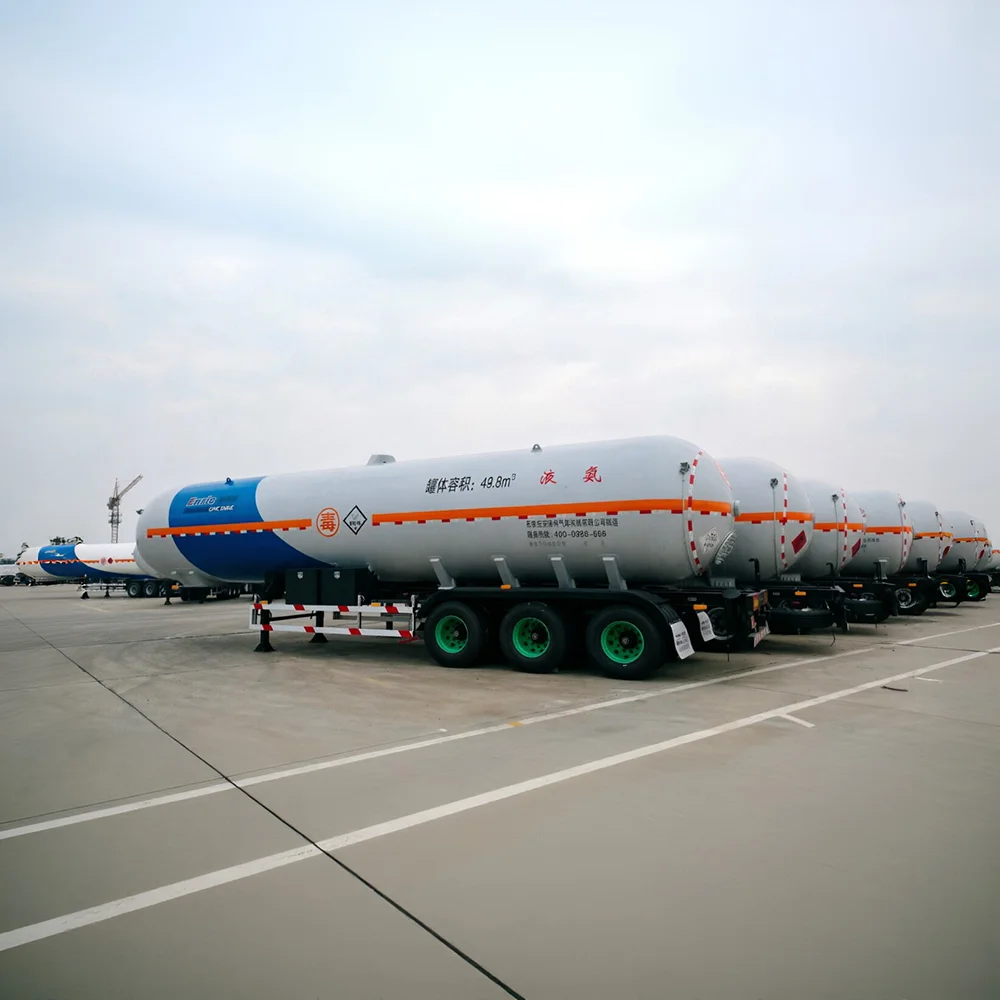
Utilization of lng products for localized micro-grids, providing stable and clean electricity to off-grid indigenous communities.

04. Agricultural Heating in Victoria

Implementation of bio lpg gas storage and distribution systems for greenhouse heating and crop drying processes.

05. Upstream Oil Production in the Bass Strait

Application of high-efficiency demulsifier oil and gas agents in offshore separation units to optimize crude oil purity before transport.

Brand Story

Global Development History of Shijiazhuang Enric Gas Machinery Co., Ltd.

Foundation and Technical Roots

Started as a specialized manufacturer of high-pressure gas valves and fittings, establishing a reputation for precision engineering.

Expansion into Storage Systems

Developed advanced composite storage technologies to solve the weight and safety pain points of traditional gas cylinders.

Global Market Penetration

Expanded operations into the Oceania region, tailoring equipment to meet the strict Australian Standards (AS) for pressure vessels.

Innovation in Clean Energy

Pivoted R&D toward hydrogen and bio-gas technologies, becoming a leading provider of zero-emission gas infrastructure.

Commitment to Sustainability

Now focused on providing integrated, life-cycle gas solutions that empower global industries to transition to a net-zero future.

Comprehensive Gas Equipment Portfolio for Australia

A full suite of compression, separation, and storage solutions designed for the Australian industrial environment.

Frequently Asked Questions in Australia

Expert answers to common technical and regulatory queries regarding gas equipment.

What are the safety standards for cng cylinder use in Australia?

All CNG cylinders must comply with AS 2273 standards, ensuring they undergo rigorous hydrostatic testing and certification to withstand the local environmental extremes.

How do I choose the right lng products for remote power?

Selection depends on daily consumption and storage duration. We recommend vacuum-insulated tanks for minimal boil-off rates in hot Australian climates.

What is the lifespan of a high-pressure hydrogen storage tank?

Depending on the material (Type III or IV), the lifespan typically ranges from 15 to 25 years, provided that regular ultrasonic inspections are performed according to safety protocols.

How does demulsifier oil and gas improve production efficiency?

By accelerating the separation of water from crude oil, it reduces the size of separation vessels required and lowers the energy needed for downstream processing.

Is bio lpg gas compatible with existing LPG infrastructure?

Yes, bio-LPG is a "drop-in" fuel, meaning it has the same chemical properties as conventional LPG and can be used in existing tanks and burners without modification.

What maintenance is required for gas compression equipment in Australia?

Routine maintenance includes valve seal replacement, lubricant analysis, and pressure vessel certifications every 2-5 years depending on the specific AS/NZS regulation.

Get Expert Consultation Today

Ready to optimize your energy infrastructure in Australia? Our engineers are here to provide tailored gas solutions for your specific operational needs.

Contact Us Now

If you are interested in our products, you can choose to leave your information here, and we will be in touch with you shortly.