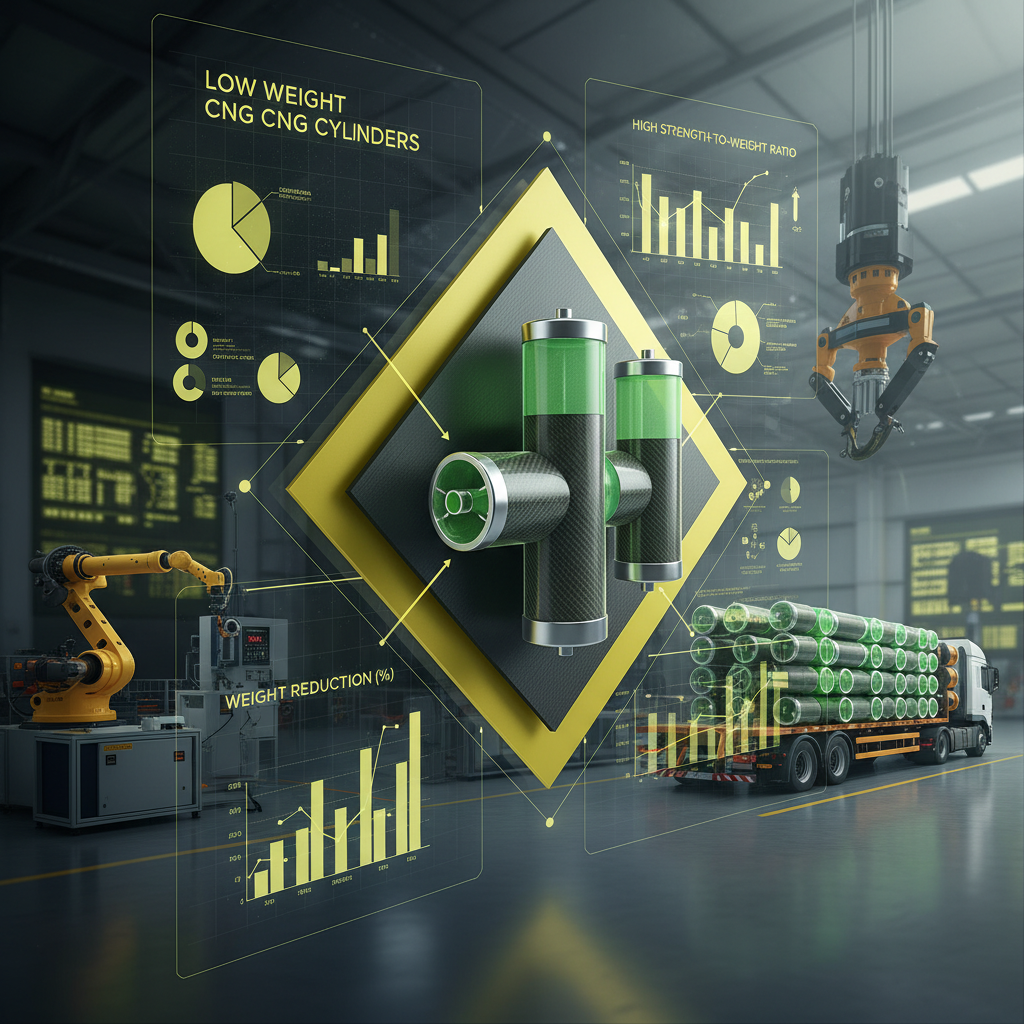
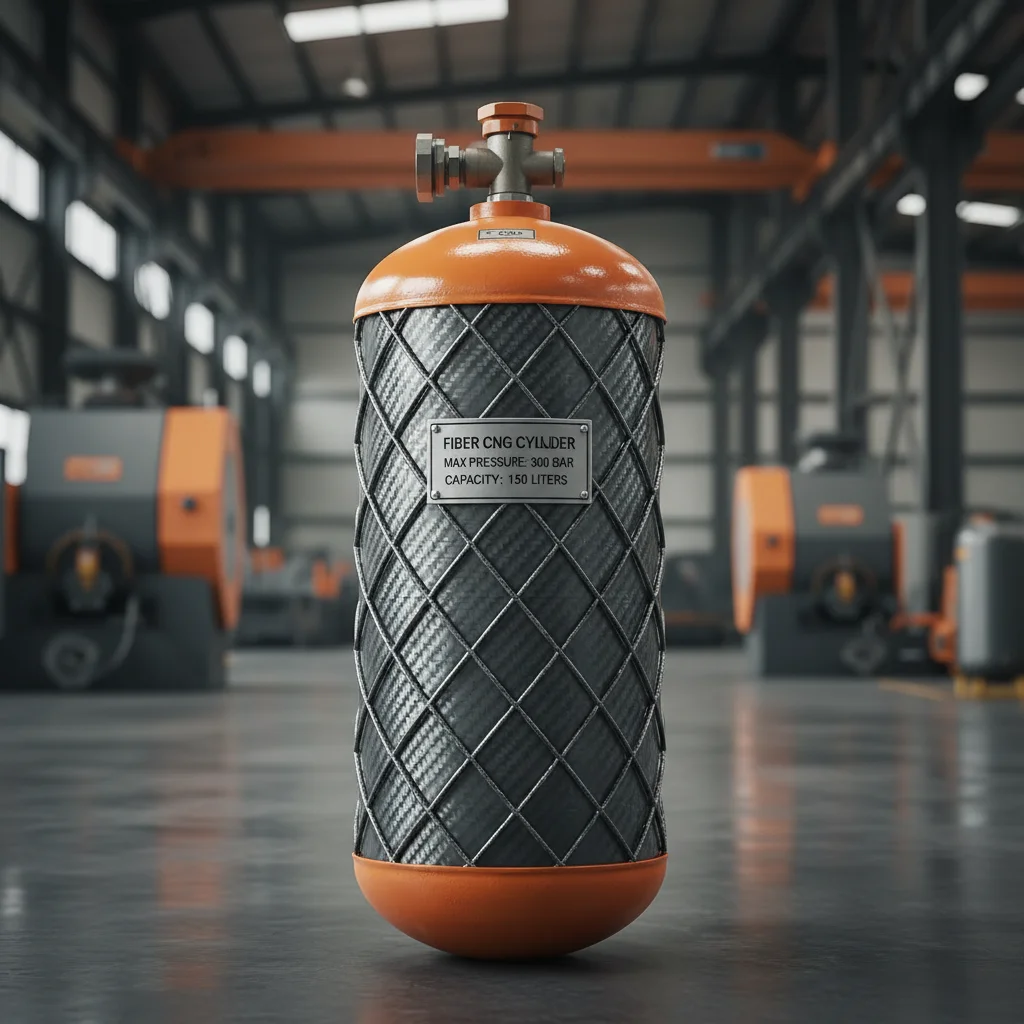
The global transition toward cleaner energy has placed a significant spotlight on the efficiency of fuel storage and transport, where the low weight cng cylinder emerges as a critical innovation. By reducing the tare weight of storage vessels, industries can significantly increase the payload of Compressed Natural Gas (CNG), directly improving the economic viability of natural gas as a primary energy source for transportation and industrial heating.
Achieving a reduction in cylinder weight is not merely a matter of convenience but a fundamental requirement for enhancing fuel economy and reducing carbon emissions. When vehicles carry lighter fuel tanks, the overall energy required for propulsion decreases, creating a positive feedback loop that maximizes the environmental benefits of switching from diesel or gasoline to CNG.
Understanding the engineering behind a low weight cng cylinder allows stakeholders in the green energy sector to optimize their infrastructure. From the selection of advanced carbon-fiber composites to the implementation of rigorous safety standards, the drive toward lightweighting is reshaping the landscape of the Natural Gas and Hydrogen Energy industries.
Global Relevance of Low Weight CNG Cylinder Technology
On a global scale, the demand for a low weight cng cylinder is driven by the urgent need to decarbonize the transport sector. As nations align with ISO standards and climate goals, the shift toward CNG requires storage solutions that do not compromise vehicle load capacity. Heavy steel cylinders often negate the efficiency gains of natural gas, making lightweight composite alternatives a necessity for commercial fleets and heavy-duty trucking.
The integration of lightweighting technology addresses the "weight penalty" associated with high-pressure gas storage. By leveraging advanced materials, the industry can provide a higher gas-to-weight ratio, which is essential for expanding the range of CNG-powered vehicles and reducing the frequency of refueling stops, thereby enhancing the overall operational efficiency of green energy logistics.
Defining the Low Weight CNG Cylinder and Its Purpose
A low weight cng cylinder is a high-pressure storage vessel, typically constructed from a combination of a thin metallic liner and a thick wrap of carbon fiber reinforced polymer (CFRP). Unlike traditional Type I steel cylinders, these advanced vessels (Type III or Type IV) are designed to withstand pressures of 200 to 250 bar while weighing a fraction of their metal counterparts.
The primary purpose of reducing the cylinder weight is to optimize the energy density of the vehicle. In the context of modern industrial needs, a lighter tank allows for more fuel to be carried without exceeding the maximum gross vehicle weight (GVW), which is a critical constraint for logistics companies operating in strictly regulated regions.
Beyond transportation, these cylinders serve humanitarian and remote industrial needs, where the ease of transport and deployment is paramount. Whether it is providing energy to remote mining sites or supporting emergency power grids in disaster zones, the portability of a lightweight cylinder ensures that clean energy can reach the most inaccessible locations.
Core Components and Material Innovations
The structural integrity of a low weight cng cylinder depends on the synergy between its liner and the composite wrap. The liner—often made of aluminum or high-density polyethylene (HDPE)—acts as the primary gas barrier, preventing leakage, while the carbon fiber wrap provides the hoop strength necessary to contain the immense pressure of compressed gas.
Material innovation is the heart of the lightweighting process. By utilizing high-modulus carbon fibers and advanced epoxy resins, manufacturers can create a low weight cng cylinder that offers superior strength-to-weight ratios. This prevents the vessel from expanding excessively under pressure, ensuring a stable and safe fuel delivery system.
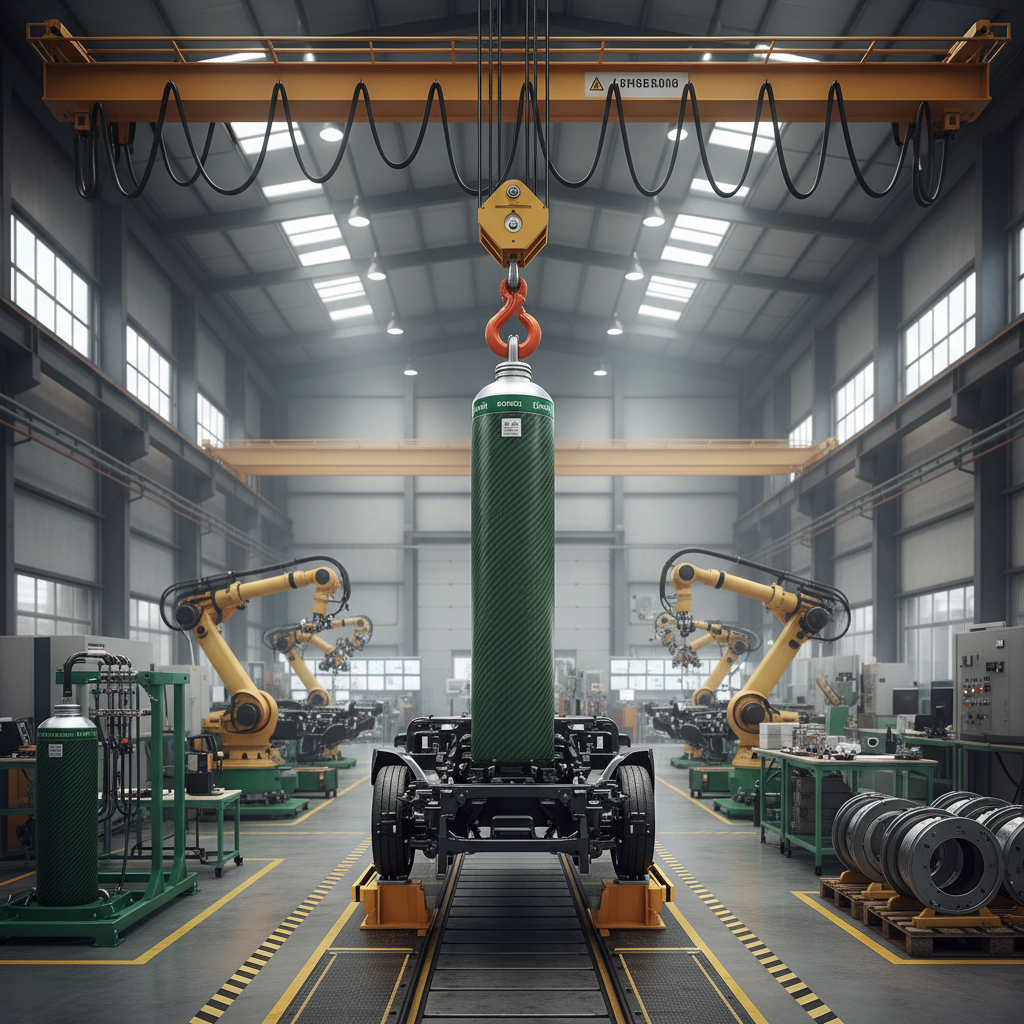
Furthermore, the winding process—specifically filament winding technology—allows for precise control over the fiber orientation. This ensures that the cylinder can handle both axial and radial stresses, making the low weight cng cylinder not only lighter but significantly more durable than traditional metal options.
Practical Performance Factors and Efficiency
When evaluating the performance of a low weight cng cylinder, the "gravimetric efficiency" is the most critical metric. This is the ratio of the weight of the stored gas to the total weight of the cylinder. A higher efficiency means more fuel per kilogram of equipment, which directly translates to lower operating costs for fleet managers.
Another key factor is thermal stability. Lightweight composite materials must be engineered to resist degradation from temperature fluctuations, ensuring that the low weight cng cylinder remains safe and effective whether it is operating in the freezing temperatures of northern climates or the extreme heat of desert environments.
Performance Comparison of Gas Storage Solutions
Global Applications and Industry Use Cases
The application of the low weight cng cylinder spans across multiple sectors. In the commercial trucking industry in Europe and Asia, these cylinders are being integrated into heavy-duty long-haul trucks to replace diesel, allowing companies to maintain their cargo capacity while slashing carbon emissions.
In remote industrial zones, such as oil and gas exploration sites or distant mining operations, the use of lightweight cylinders simplifies the "virtual pipeline" model. Gas can be compressed into low weight cng cylinder units and transported via small trucks to sites where permanent pipelines are not economically feasible, providing a flexible and clean energy source.
Long-Term Value and Sustainability Benefits
Investing in a low weight cng cylinder provides tangible long-term value through reduced fuel consumption and lower maintenance costs. Because composite materials are naturally more resistant to corrosion than steel, the lifespan of these cylinders is often extended, reducing the frequency of replacement and the associated waste.
From a sustainability perspective, the lightweighting of gas storage contributes to a circular economy. As recycling technologies for carbon fiber improve, the end-of-life management of these cylinders becomes more sustainable, ensuring that the transition to green energy does not create a new waste problem.
Moreover, the adoption of this technology fosters innovation and trust. By meeting stringent international safety standards, the low weight cng cylinder proves that safety and efficiency can coexist, encouraging more enterprises to abandon fossil fuels in favor of natural gas and hydrogen.
Future Trends in Lightweight Gas Storage
The future of the low weight cng cylinder is closely tied to the rise of hydrogen energy. Many of the composite technologies developed for CNG are now being adapted for high-pressure hydrogen storage (Type IV cylinders), which requires even more stringent permeability controls and higher pressure ratings (up to 700 bar).
Digital transformation is also playing a role through the integration of "Smart Cylinders." Future iterations will likely include embedded sensors that provide real-time data on pressure, temperature, and structural integrity, allowing for predictive maintenance and enhancing the safety of low weight cng cylinder deployments.
As automation in filament winding becomes more sophisticated, the cost of producing these advanced cylinders will decrease, making them accessible to smaller markets and developing nations, further accelerating the global shift toward a low-carbon economy.
Analysis of Low Weight CNG Cylinder Material and Performance Dimensions
| Material Type |
Weight Reduction % |
Pressure Rating |
Durability Score (1-10) |
| Steel (Type I) |
0% (Baseline) |
200 Bar |
7 |
| Aluminum (Type II) |
20-30% |
200 Bar |
6 |
| AL Liner CF (Type III) |
50-60% |
250 Bar |
9 |
| Polymer Liner CF (Type IV) |
70-80% |
250 Bar |
8 |
| Next-Gen Nano-Composite |
85%+ |
300 Bar+ |
10 |
| Hybrid Alloy-Fiber |
40-50% |
200 Bar |
7 |
FAQS
Unlike steel cylinders, which can fragment or "shrapnel" during a catastrophic failure, a low weight cng cylinder made of composites typically fails via a slower leak or a controlled rupture. The carbon fiber wrap contains the liner, preventing the explosive fragmentation seen in older metal tanks, thus significantly increasing passenger and operator safety.
The gain depends on the vehicle size, but reducing the tank weight can improve overall fuel economy by 3% to 8% in heavy-duty trucks. Because the low weight cng cylinder allows for a higher gas-to-weight ratio, vehicles can travel further on a single fill without increasing the vehicle's total mass, which directly lowers the cost per kilometer.
Actually, they often require less maintenance. Composite materials are immune to the rust and oxidation that plague steel cylinders. While they require specialized inspection methods (such as ultrasonic testing) every few years, the absence of corrosion means that a high-quality low weight cng cylinder often has a longer operational life than a metal one.
Yes, the technology is very similar. Type IV low weight cng cylinder designs, which use polymer liners, are the gold standard for hydrogen storage. However, hydrogen requires a more dense liner to prevent the smaller hydrogen molecules from leaking through (permeation), meaning hydrogen cylinders are a specialized evolution of CNG technology.
Look for certifications such as ISO 11439, UN ECE R110, or DOT standards. A reputable manufacturer of a low weight cng cylinder will provide a certification plate on the vessel itself and a compliance certificate detailing the burst pressure tests and cycle tests the unit has passed.
Most composite cylinders are designed for a service life of 15 to 20 years. The lifespan of a low weight cng cylinder is determined by the number of refill cycles it can withstand and the environmental conditions it is exposed to, though they generally outperform steel in corrosive environments.
Conclusion
The implementation of the low weight cng cylinder represents a pivotal shift in how we approach green energy storage. By combining advanced material science with precision engineering, these cylinders solve the critical conflict between high-pressure storage and vehicle weight, enabling a more efficient, safer, and more economical transition to natural gas and hydrogen energy.
As we look toward a net-zero future, the continued evolution of lightweighting will be essential for scaling the "virtual pipeline" and decarbonizing heavy transport. For enterprises seeking to optimize their energy logistics, investing in high-performance, lightweight storage is not just an upgrade—it is a strategic necessity for long-term sustainability. Visit our website: www.enricgroupsjz.com