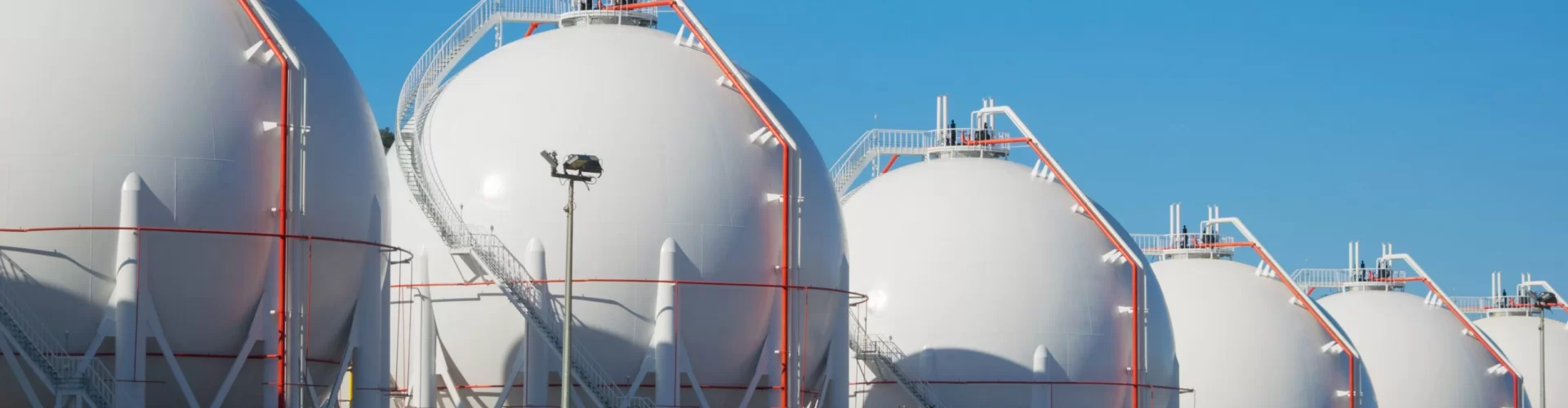
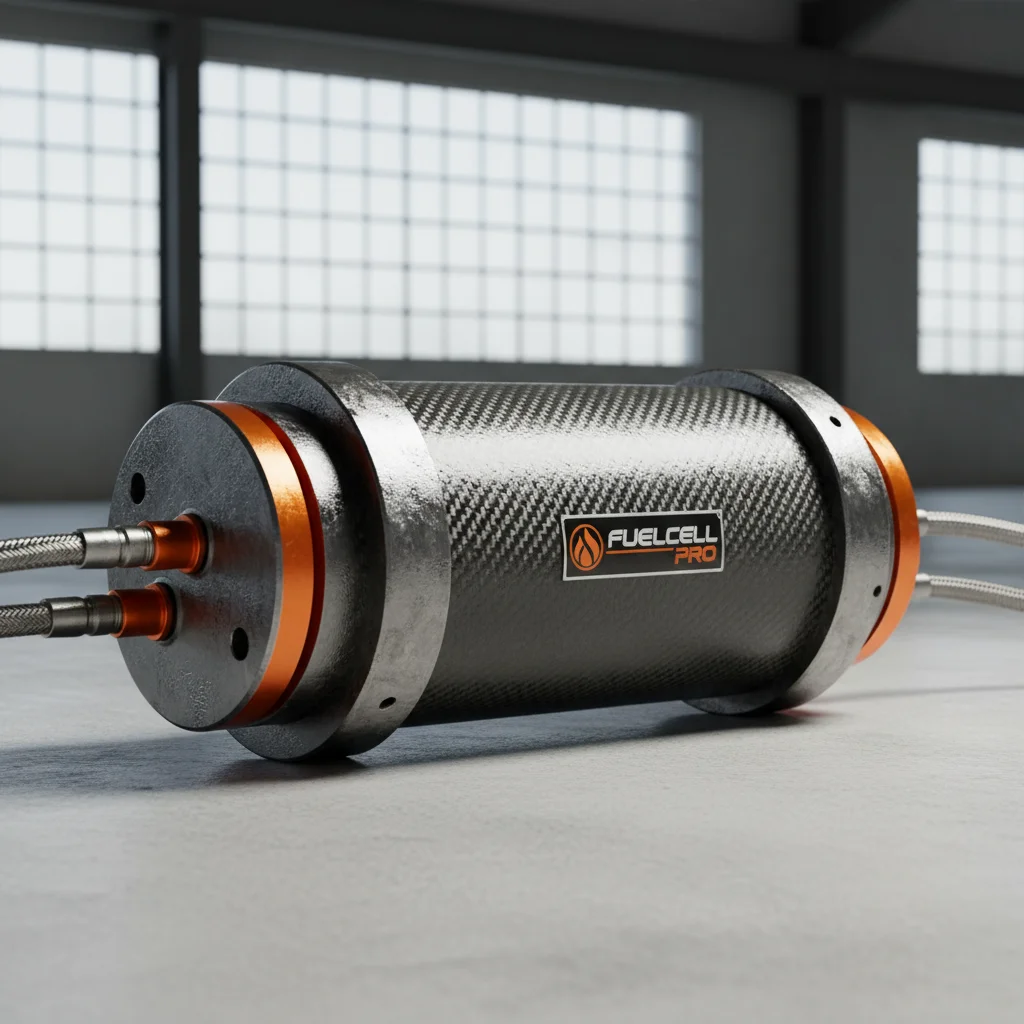
The global transition toward cleaner energy has placed a significant spotlight on the efficiency of gas storage and transport. Among the most versatile tools in this transition is the mini cng cylinder, a compact yet powerful solution designed to bridge the gap between large-scale industrial supply and localized, on-demand consumption. By allowing for the safe transport of compressed natural gas in smaller volumes, these cylinders enable a wider range of industries to decouple from fixed pipeline infrastructure.
From a technical perspective, the evolution of the mini cng cylinder reflects broader advancements in material science, particularly in the use of carbon fiber composites and high-grade aluminum alloys. These innovations have drastically reduced the weight-to-capacity ratio, making them ideal for mobile applications where every kilogram of payload matters. As urban centers seek to reduce carbon footprints, the agility provided by these compact storage units becomes an indispensable asset for "last-mile" energy delivery.
Understanding the nuances of these cylinders is not merely a matter of technical specification, but a strategic necessity for businesses operating in the green energy and industrial gas sectors. Whether used for backup power, specialized laboratory heating, or as a transitional fuel source for small vehicles, the mini cng cylinder offers a balance of safety, portability, and economic viability that larger storage systems cannot match.

Global Relevance and Industrial Context of Mini CNG Cylinders
On a global scale, the demand for decentralized energy storage is surging. According to trends observed in ISO standards and energy reports, the shift toward "virtual pipelines"—where gas is transported via cylinders rather than pipes—is accelerating in developing regions and remote industrial zones. The mini cng cylinder serves as the fundamental unit of this movement, allowing for a modular approach to energy distribution that bypasses the massive capital expenditure required for permanent infrastructure.
The challenge today is not just about having gas, but about the agility of its delivery. In many parts of Asia and Africa, traditional grid extensions are economically unfeasible. By deploying a network of mini cng cylinder units, local businesses can access clean-burning natural gas for heating and power, reducing reliance on dirtier fuels like diesel or coal, thereby aligning with international sustainability goals set by the UN and World Bank.
Defining the Mini CNG Cylinder in Modern Energy
In the simplest terms, a mini cng cylinder is a high-pressure vessel specifically engineered to store Compressed Natural Gas (CNG) in a compact form factor. Unlike industrial-sized tanks, the "mini" designation refers to its portability and capacity, typically designed for specific small-scale applications such as forklifts, small utility vehicles, or portable laboratory equipment. It is the critical link that transforms a stationary resource into a mobile asset.
From an industrial standpoint, these cylinders are not just containers but precision-engineered safety devices. They must withstand extreme pressure fluctuations while remaining light enough for manual or light-machinery handling. This duality of strength and lightness is achieved through advanced lining materials and outer reinforcement wraps, ensuring that the gas remains stable and secure regardless of the external environment.
Moreover, the role of the mini cng cylinder extends to humanitarian needs. In post-disaster relief operations, where permanent energy lines are severed, these compact cylinders provide an immediate source of fuel for cooking, heating, and powering emergency generators, proving that small-scale storage can have a massive impact on human survival and dignity.
Core Components and Engineering Factors
The durability of a mini cng cylinder begins with its internal liner. Typically made from high-density polyethylene (HDPE) or aluminum, the liner prevents gas permeation and protects the structural shell from corrosion. This foundational layer is what ensures the long-term integrity of the vessel, preventing leaks that could lead to safety hazards in confined industrial spaces.
Scalability and weight efficiency are achieved through the composite wrapping process. By winding carbon fiber or fiberglass around the liner with high-strength epoxy resin, the mini cng cylinder can handle pressures exceeding 20MPa while remaining significantly lighter than traditional steel tanks. This engineering feat allows for easier transport and higher fuel density per unit of weight.
Finally, cost efficiency is balanced with rigorous safety valve integration. Each mini cng cylinder is equipped with pressure relief devices (PRDs) that automatically vent gas in the event of extreme temperature increases (such as fire), preventing catastrophic failure. This combination of material science and safety engineering makes them a trusted choice for global industrial gas products.
Practical Applications and Use Case Efficiency
The real-world application of the mini cng cylinder is vast, spanning across diverse industries. In remote industrial zones, such as mining sites or offshore platforms, these cylinders are used to power specialized tools and small generators where running a pipeline is impossible. Their modular nature allows operators to scale their energy needs up or down simply by adding or removing cylinders from their inventory.
In the automotive sector, particularly for light commercial vehicles and forklifts, switching to a mini cng cylinder reduces operating costs and emissions compared to LPG or diesel. The efficiency of the "swap-and-go" model—where an empty cylinder is quickly replaced with a full one—minimizes downtime and optimizes workflow in high-intensity warehouse environments.
Performance Comparison of Mini CNG Cylinder Configurations
Economic and Environmental Advantages
The adoption of the mini cng cylinder offers a compelling economic argument. By reducing the initial investment in fixed infrastructure, companies can enter new markets or launch new product lines with significantly lower overhead. The low maintenance cost of modern composite cylinders, which are resistant to rust and environmental degradation, ensures a longer lifecycle and a higher return on investment (ROI) over time.
From an environmental perspective, the shift to CNG via these compact cylinders is a major win for sustainability. Natural gas produces significantly fewer particulate emissions and greenhouse gases than diesel or gasoline. By enabling the use of cleaner fuels in niche applications—such as small-scale industrial heating—the mini cng cylinder helps organizations meet stringent ESG (Environmental, Social, and Governance) targets and transition toward a zero-carbon future.
Future Innovations in Gas Storage Technology
Looking ahead, the mini cng cylinder is poised for a digital transformation. The integration of IoT-enabled sensors is one of the most exciting trends, allowing operators to monitor pressure, temperature, and fill levels in real-time via smartphone apps. This "smart cylinder" approach eliminates the guesswork in fuel management, reducing the risk of unexpected outages and enhancing overall operational safety.
Furthermore, the development of "Type IV" and "Type V" cylinders—which utilize fully non-metallic liners—is pushing the boundaries of weight reduction. These next-generation mini cng cylinder models will be even lighter and more durable, potentially opening doors for use in drone-based energy delivery or advanced aerospace applications where every gram is critical.
Sustainability is also driving the search for bio-CNG and hydrogen-compatible materials. As the world moves toward hydrogen energy, the lessons learned from mini cng cylinder design are being applied to create hydrogen storage solutions. This cross-pollination of technology ensures that the industry remains agile, adapting to whichever green fuel becomes the dominant standard in the coming decades.
Overcoming Technical Challenges in Implementation
Despite their benefits, the deployment of mini cng cylinder systems is not without challenges. One primary concern is the "refilling bottleneck"—the need for specialized high-pressure compressors to fill the cylinders. To solve this, the industry is moving toward modular filling stations that can be deployed quickly and operated with minimal training, making the fuel cycle more efficient.
Another limitation is the regulatory complexity across different borders. Different countries have varying safety standards for pressure vessels. The solution lies in the adoption of global certifications (such as ISO and DOT), which allow a mini cng cylinder manufactured in one region to be legally and safely used in another, facilitating international trade and humanitarian aid.
Finally, the issue of end-of-life disposal for composite materials is being addressed through circular economy initiatives. New recycling processes are being developed to reclaim carbon fiber from old cylinders, ensuring that the mini cng cylinder remains an eco-friendly choice from production to decommissioning.
Technical Analysis and Material Comparison of Mini CNG Cylinder Types
| Cylinder Material Type |
Weight Efficiency |
Pressure Capacity |
Lifespan (Years) |
| Steel Alloy (Type I) |
Low |
Moderate |
20+ |
| Aluminum (Type II) |
Moderate |
Moderate |
15-20 |
| Carbon Fiber (Type III) |
High |
Very High |
15 |
| Plastic Liner (Type IV) |
Very High |
Very High |
15-20 |
| Hybrid Composite |
High |
High |
12-15 |
| Experimental Nano-wrap |
Ultra-High |
Extreme |
10 (Est.) |
FAQS
Mini CNG cylinders utilize advanced composite materials and integrated Pressure Relief Devices (PRDs). Unlike older steel tanks that may corrode or rupture violently, composites are designed to manage stress more efficiently, and PRDs ensure that gas is vented safely in extreme heat, preventing explosions.
The lifespan varies by material. Type I steel tanks can last over 20 years, while modern Type III and IV composite cylinders typically have a service life of 15 to 20 years. Regular hydrostatic testing is recommended every 3-5 years to ensure the structural integrity of the vessel.
Not all of them. Hydrogen molecules are much smaller than methane, leading to "hydrogen embrittlement" in some metals. However, specialized mini cylinders designed with specific liners and coatings are being developed specifically for hydrogen energy, borrowing the compact form factor of CNG systems.
Yes, especially for those who lack access to natural gas pipelines. The low upfront infrastructure cost and the reduced fuel expense of CNG compared to diesel make it a highly economical choice for forklift fleets and small industrial workshops.
Transport should always follow local hazardous material regulations. Cylinders must be secured in an upright position to prevent valve damage, kept away from direct heat sources, and transported in well-ventilated areas to avoid the accumulation of gas in case of a minor leak.
It is crucial to source from manufacturers who provide ISO and DOT certifications. This ensures the cylinders meet global safety benchmarks and can be cleared through customs in various countries without regulatory hurdles.
Conclusion
In summary, the mini cng cylinder represents a critical innovation in the field of gas storage and transport. By combining high-pressure engineering with lightweight composite materials, these units provide an agile, safe, and sustainable alternative to fixed energy infrastructure. From enabling "virtual pipelines" in developing regions to reducing the carbon footprint of industrial fleets, the value of these compact vessels lies in their ability to make clean energy accessible and mobile.
As we look toward a future dominated by green energy and digital optimization, the evolution of the mini cng cylinder—through IoT integration and new material science—will only accelerate. For businesses seeking to enhance their operational flexibility while committing to environmental responsibility, investing in high-quality, certified CNG storage is a strategic move. To explore our range of advanced gas storage solutions, visit our website: www.enricgroupsjz.com.