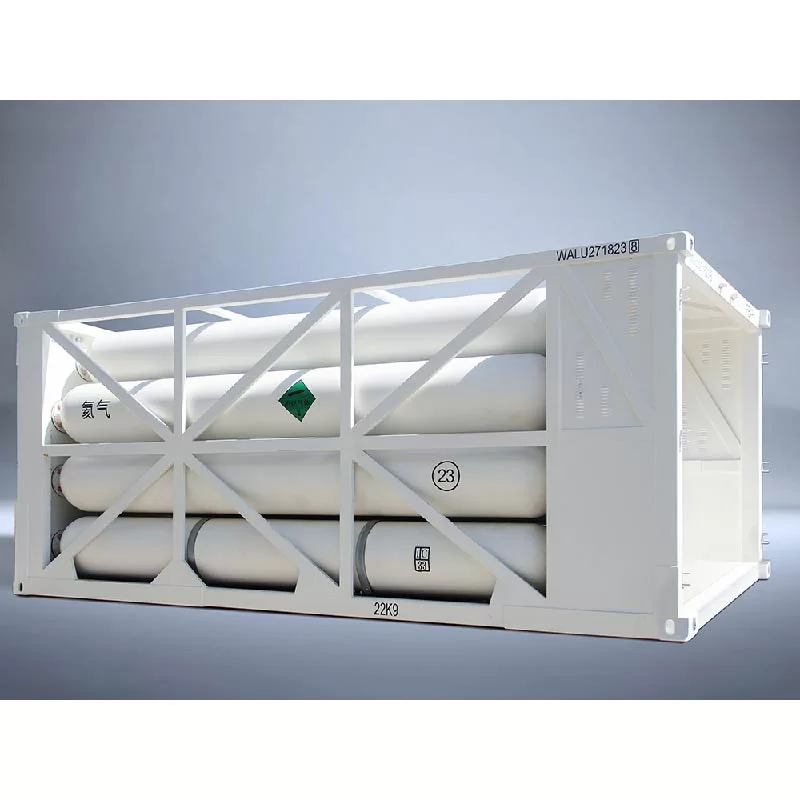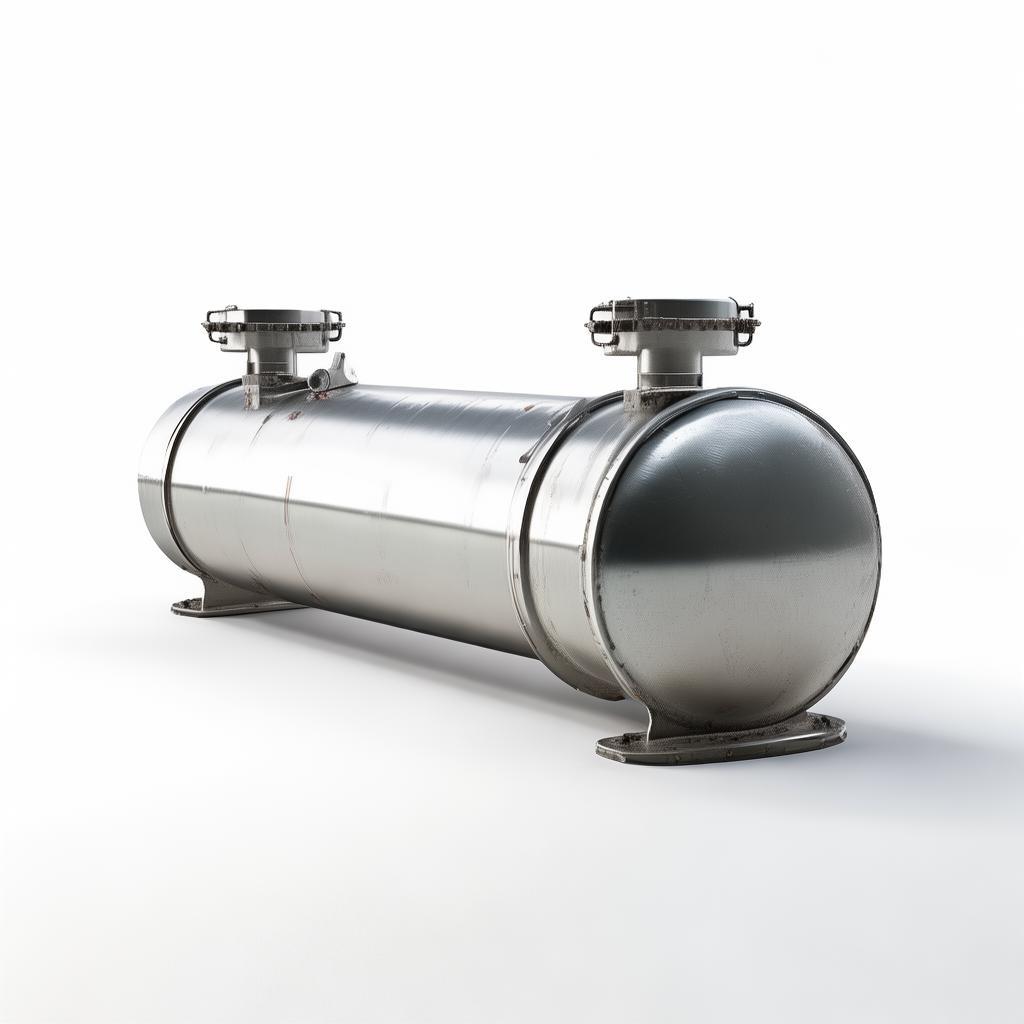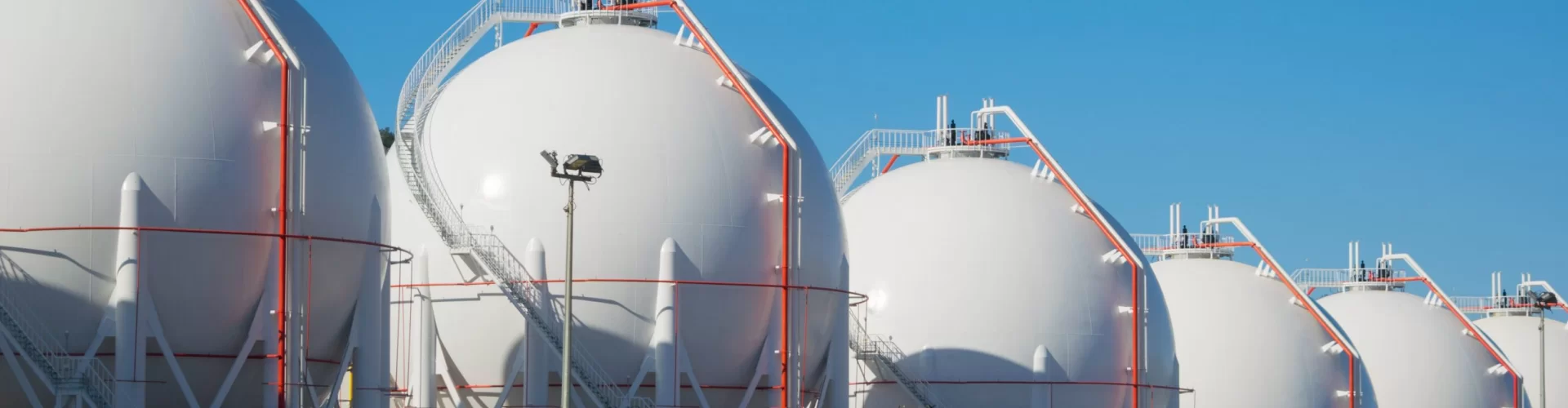
Slash your maritime carbon footprint and comply with IMO 2030/2050 regulations with our ammonia fuel storage and supply systems. Designed for high-pressure marine applications, our solutions offer zero-CO₂ combustion, cost-effective storage, and seamless integration with existing engines.
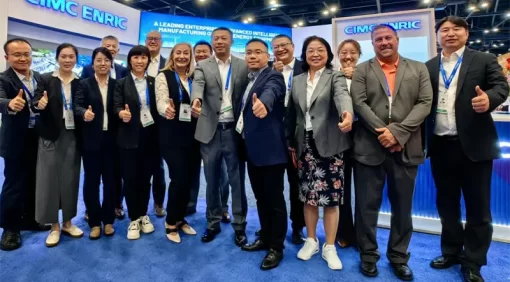
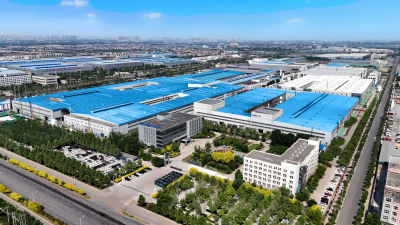
As a subsidiary of China International Marine Containers (Group) Co., Ltd., Shijiazhuang Enric Gas Equipment Co., Ltd. delivers ASME, DOT, CE, and ATEX-certified ammonia fuel systems trusted by global shipping leaders.
Get a Custom Ammonia Fuel System Quote in 24 HoursMaritime transport emits ~3% of global greenhouse gases (ICCT, 2024), and the IMO's 2030 (40% reduction) and 2050 (net-zero) targets are looming. Traditional marine fuels—HFO, MGO, and even LNG—can't meet these goals without carbon capture, which adds complexity and cost.
Ammonia isn't just an alternative—it's the only scalable, zero-carbon fuel ready for immediate deployment in 2026.
With 50+ years in high-pressure gas equipment and 20+ years in international marine applications, we offer end-to-end ammonia fuel solutions:

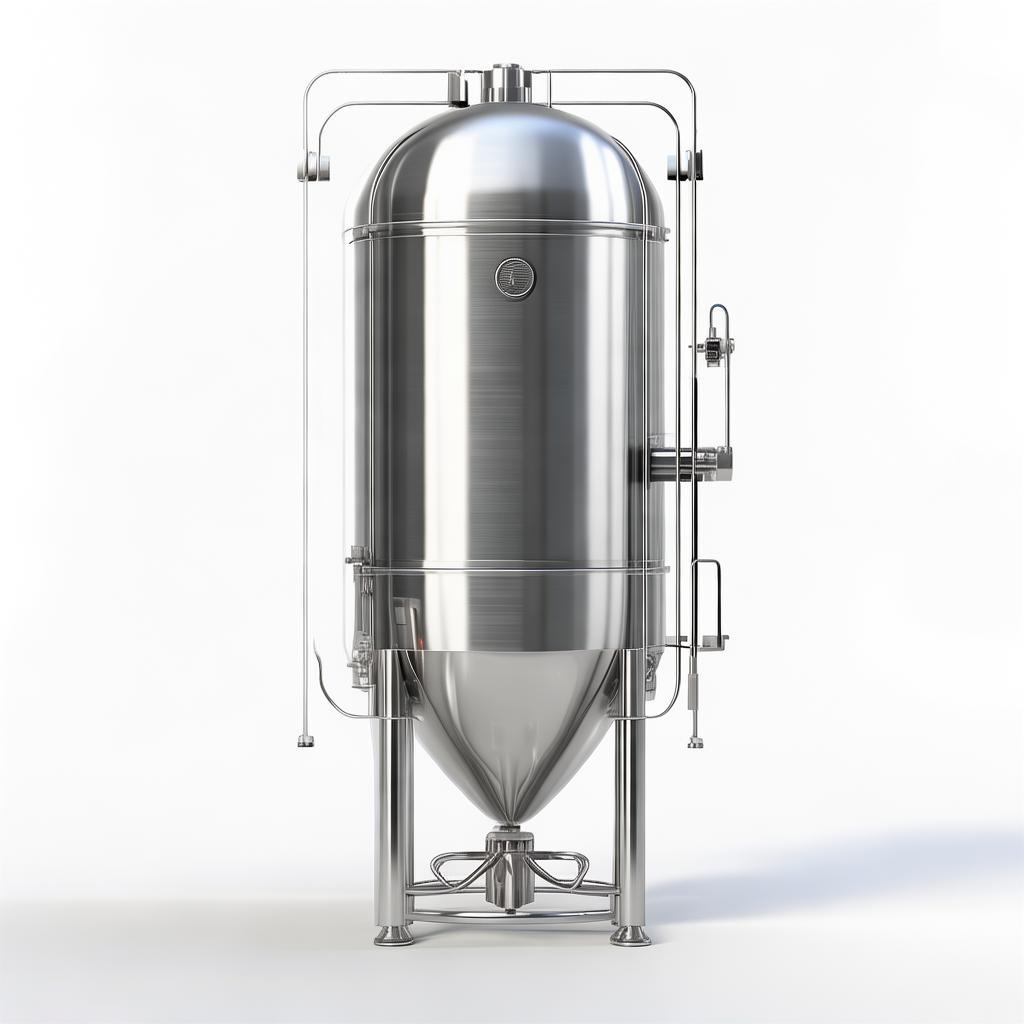
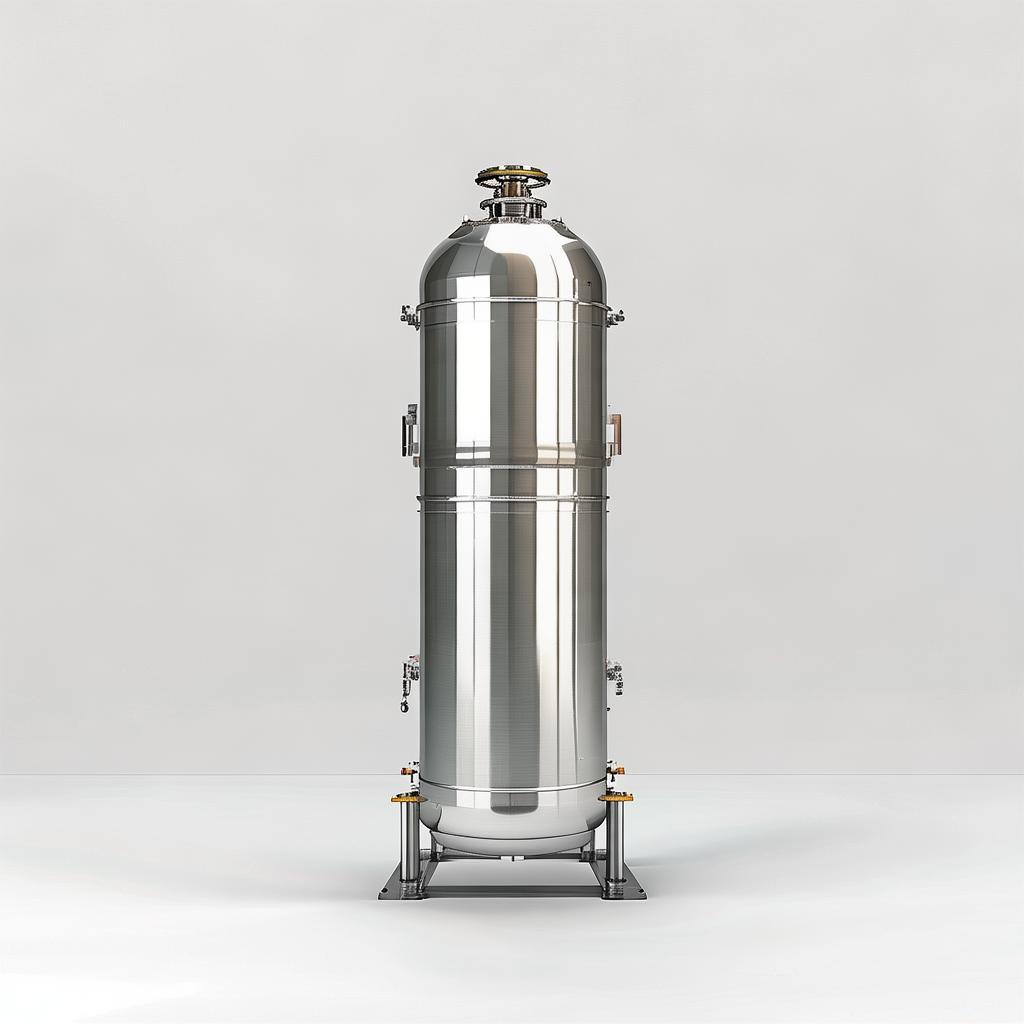
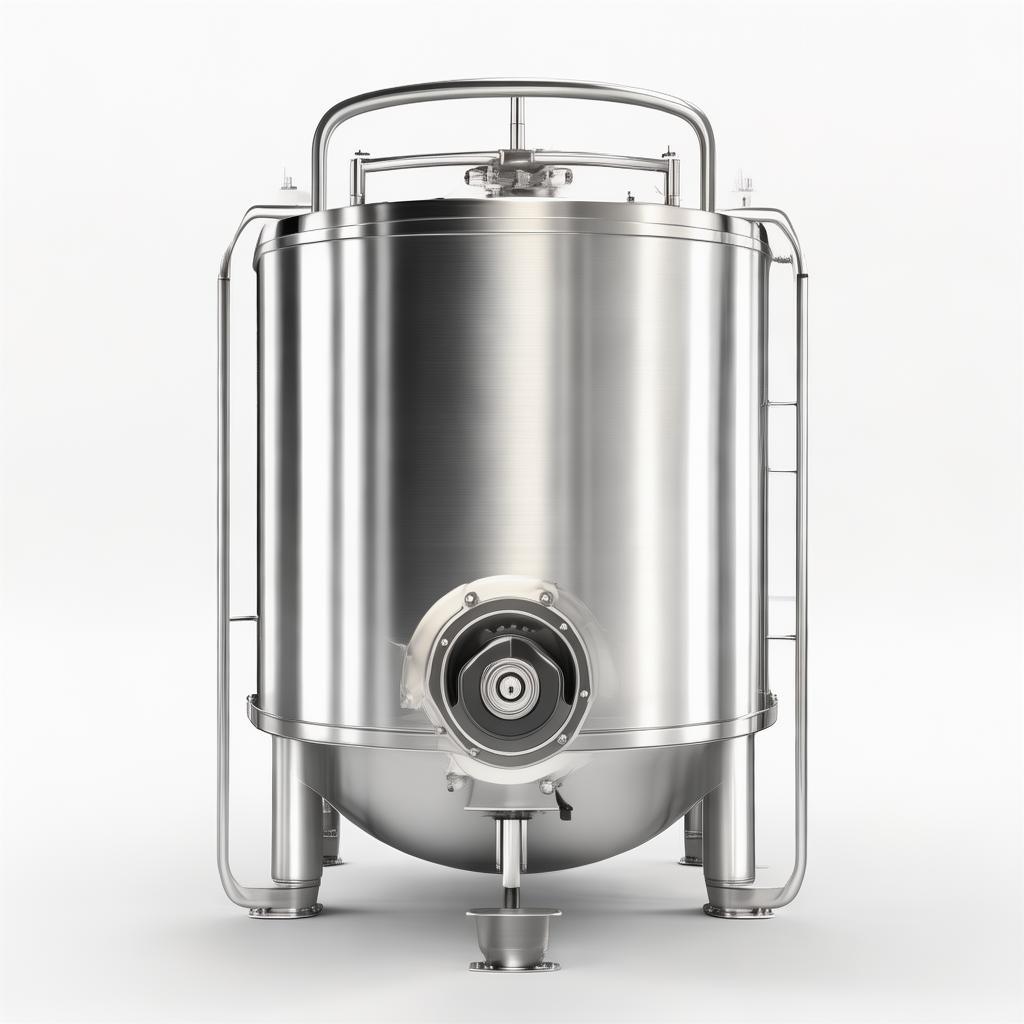
Capacity: 10 m³ to 500 m³
Pressure Rating: 25-40 bar (adjustable for engine requirements)
Materials: 316L stainless steel (corrosion-resistant) or carbon manganese steel with anti-corrosion coating
Temperature Range: -40°C to +50°C (suitable for Arctic and tropical routes)
Safety Features: Double-wall construction, vacuum insulation, leak detection systems, and emergency shutdown valves
Our modular fuel supply skids include:
Compatible with major marine engine brands:
| Engine Manufacturer | Ammonia-Ready Models | Power Range | Retrofit Cost (Est.) |
|---|---|---|---|
| MAN Energy Solutions | ME-LGIA, ME-GIA | 1-20 MW | $500k-$2M |
| Wärtsilä | W31, W46 | 5-15 MW | $600k-$2.5M |
| WinGD | X-DF2.0 | 2-12 MW | $400k-$1.8M |
Source: Engine manufacturer specifications (2025) and IEA Hydrogen Report 2024
| Parameter | Ammonia Storage Tank | Fuel Supply Skid | Engine Integration Kit |
|---|---|---|---|
| Design Life | 25+ years | 20+ years | 15+ years |
| Certifications | ASME, DOT, CE, ATEX | CE, ATEX, DNV, ABS | DNV, ABS, LR, NK |
| Ammonia Purity | 99.5%+ (EN 17118 compliant) | 99.5%+ | 99.5%+ |
| Operating Pressure | 25-40 bar | 10-30 bar | 5-20 bar |
| Delivery Time | 12-16 weeks | 8-12 weeks | 6-8 weeks |
Data sourced from IRENA Geopolitics of Hydrogen 2022 and industry case studies.
| Criteria | Ammonia | LNG | Liquid Hydrogen | Compressed Hydrogen |
|---|---|---|---|---|
| Carbon Intensity (gCO₂/MJ) | 0 (green ammonia) | 15-25 | 0 | 0 |
| Energy Density (MJ/kg) | 18.6 | 53.6 | 120 | 120 |
| Storage Volume (vs. HFO) | 1.8x | 1.4x | 4x | 8x |
| Retrofit Cost (% of newbuild) | 30-50% | 20-40% | 80-120% | 100-150% |
| Safety Risk (1-10, 10=highest) | 4 (toxic but hard to ignite) | 6 (flammable, cryogenic) | 8 (cryogenic, embrittlement) | 7 (high pressure) |
| Infrastructure Readiness (2026) | High (180+ ports) | High (300+ ports) | Low (<10 ports) | Low (<10 ports) |
| Fuel Cost ($/GJ, 2026) | $12-18 | $10-15 | $25-40 | $30-50 |
Sources: IEA Global Hydrogen Review 2024, MIT Natural Gas Study


Our ammonia marine fuel systems meet the highest international standards:


Key Standards: IMO IGF Code (ammonia as fuel), EN 17118 (ammonia purity), ISO 21417 (storage tanks), and SOLAS (safety).
A: Ammonia has a lower energy density by volume (18.6 MJ/kg vs. 42.7 MJ/kg for diesel) but higher by mass. In practice, ammonia-powered engines achieve 85-90% of diesel's efficiency when optimized. (Source: MDPI Hydrogen Production Review)
A: We use 316L stainless steel (with 2-3% molybdenum) or carbon steel with epoxy-phenolic coating. For anhydrous ammonia, water content is kept below 0.2% to eliminate corrosion risks. All tanks undergo pressure and leak testing per ASME Section VIII.
A: Key requirements:
A: For a 10,000 DWT bulk carrier:
A: As of 2026, 180+ ports globally offer ammonia bunkering, including:
A:
A: Yes! Our 2-day on-site training covers:
A:


Limited-Time Offer: Orders placed before December 31, 2026 qualify for:
Risk-Free Guarantees:
📞 Europe: Bowen Di | +86 15614368118 | dibowen@enricgroup.com | WhatsApp
📞 North America: Jeremy Wu | +86 15303302613 | wuzuoliang@enricgroup.com | WhatsApp
🌍 Global: +86-311-81663811 | gasequipment@enricgroup.com
📍 Address: No. 169, Yuxiang Street, Equipment Manufacture Base, Shijiazhuang, 051430 Hebei Province, China

"Shijiazhuang Enric’s ammonia tanks exceeded our expectations. After 6 months of operation on our feeder vessel, we’ve seen zero ammonia leaks and 90% CO₂ reduction. The team’s technical support was responsive and professional—they resolved a minor pressure issue within 12 hours via remote guidance."

"Retrofitting our bulk carriers with Enric’s ammonia systems was 30% cheaper than expected. The modular design allowed us to minimize downtime—our first vessel was back in service in just 2 weeks. Fuel savings have already covered 40% of the retrofit cost in the first year."

"We’ve tested Enric’s ammonia injection systems on our W31 engines, and the results are impressive: 95% combustion efficiency with no ammonia slip. Their PLC control panels integrated seamlessly with our engine management systems. A reliable partner for the ammonia transition."

"As a fuel supplier, we need equipment that meets stringent safety and performance standards. Enric’s ammonia storage tanks passed all our third-party audits (DNV, ABS, LR). Their corrosion-resistant coatings and leak detection systems give us confidence in long-term reliability."

"Switching to ammonia fuel was a strategic move for our sustainability goals. Enric’s turnkey solution—from tanks to engine integration—simplified the process. Their training program ensured our crew was fully prepared, and the 24/7 support has been invaluable."

Chief Marine Engineer | Shijiazhuang Enric Gas Equipment Co., Ltd.
Dr. Zhang Wei holds a Ph.D. in Marine Engineering from Shanghai Jiao Tong University and has 25 years of experience in alternative marine fuels. As the lead engineer for Enric’s ammonia fuel division, he has overseen 50+ ammonia storage and supply system installations for global shipping companies. Dr. Zhang is a member of the IMO’s Correspondence Group on Ammonia as Marine Fuel and has published 15+ papers on zero-carbon maritime technologies.
Expertise: Ammonia fuel systems, marine engine retrofitting, LNG-to-ammonia conversions, and IMO/IGF Code compliance.
Certifications: Chartered Engineer (CEng), DNV Marine Fuel Specialist, ASME Certified Pressure Vessel Inspector.
Privacy Policy: Your data is protected. We never share your information with third parties. Learn more.
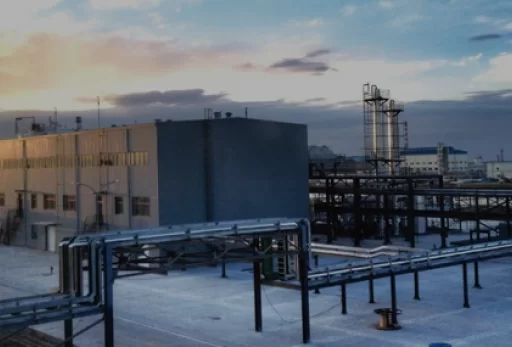
-Hengkai Natural Gas Liquefaction Project
-Changming Phase II Natural Gas Liquefaction Project
-Hwange Natural Gas Liquefaction Project
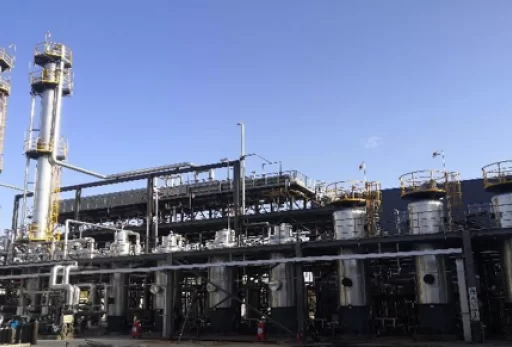
-Tianhao Coalbed Methane Liquefaction Project
-Tianyun Coalbed Methane Liquefaction Project
-Shuntai Coalbed Methane Liquefaction Project
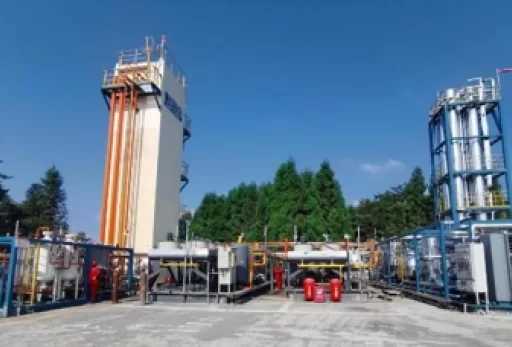
-60.000 cubic meters/day
-60.000 cubic meters/day
-60.000 m3/day*2 sets
-200.000 cubic meters/day