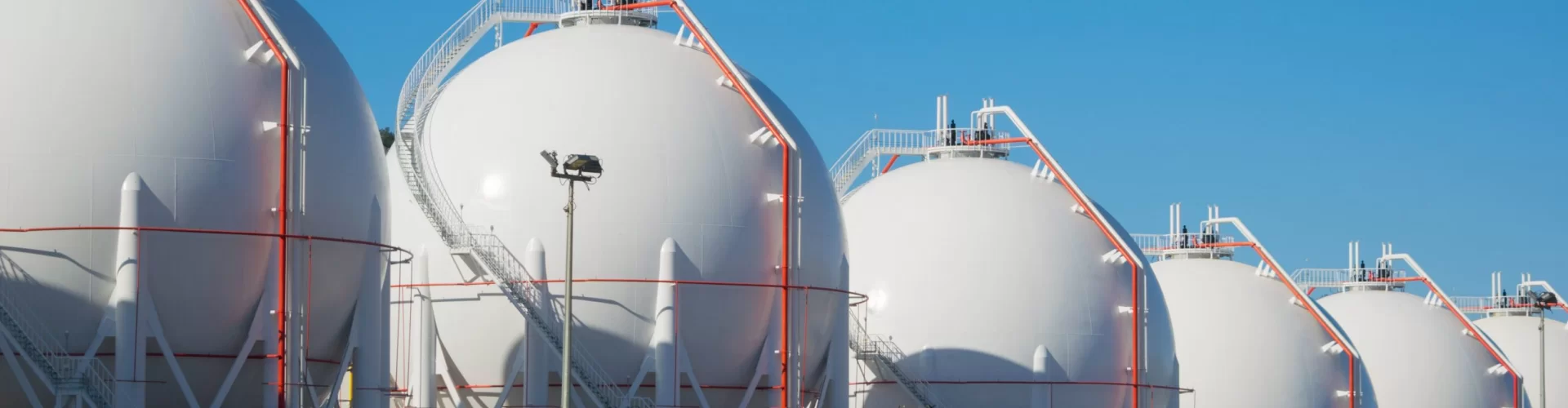
Shijiazhuang Enric Gas Equipment Co., Ltd. delivers cutting-edge thermal energy storage (TES) systems to help industrial and commercial clients reduce energy costs, enhance grid stability, and achieve sustainability goals. Our solutions are engineered for high-performance, long lifespan, and seamless integration with existing infrastructure.
Solving energy volatility, peak demand charges, and carbon footprint challenges for manufacturing plants, data centers, and renewable energy providers.
Get a Free TES System Quote in 24hLimited-time offer: First 50 inquiries receive a free energy audit (worth $2,500).
Industrial and commercial energy consumers face escalating pressures from volatile energy prices, grid instability, and decarbonization mandates. Here’s how thermal energy storage (TES) directly addresses these pain points:
Commercial and industrial (C&I) facilities pay up to 50% of their electricity bills during peak hours (IEA, 2025). For a 1 MW plant, this can exceed $200,000/year in demand charges alone.
TES Solution: Shift energy consumption to off-peak hours, reducing demand charges by 30-60% (MIT Energy Study, 2024).
Over 15% of solar and wind energy is curtailed globally due to grid congestion (IRENA, 2025). Factories with on-site renewables often waste excess generation.
TES Solution: Store excess renewable energy as heat/cold for later use, increasing self-consumption to 90%+ and stabilizing grid integration.
Industrial heat accounts for 20% of global CO₂ emissions (IEA, 2025). Stricter regulations (e.g., EU CBAM, U.S. IRA) penalize high-emission operations.
TES Solution: Decouple energy supply from demand, enabling 50-80% CO₂ reduction by integrating with renewables and waste heat recovery.
Shijiazhuang Enric Gas Equipment Co., Ltd. leverages 50+ years of expertise in high-pressure gas and energy systems to deliver TES solutions that outclass batteries, fossil fuel backup, and traditional storage methods. Here’s how we compare:
| Feature | Enric TES Systems | Lithium-Ion Batteries | Fossil Fuel Generators |
|---|---|---|---|
| Lifespan | 25-30 years (minimal degradation) | 8-12 years (60% capacity loss at end of life) | 10-15 years (high maintenance) |
| Cost per kWh (2026) | $20-$50 (sensible heat storage) | $130-$250 | $80-$150 (fuel + O&M) |
| Scalability | Modular (10 kWh to 100+ MWh) | Limited by space/weight | Limited by fuel supply/logistics |
| Temperature Range | -50°C to 1,000°C (customizable) | 0°C-45°C (thermal management required) | N/A (only generates power) |
| Safety | Non-flammable, non-toxic (e.g., molten salt, water-based) | Fire/explosion risk (Li-ion) | Combustion/emission risks |
| Recyclability | 95%+ (steel, salts, water) | 50-70% (complex recycling) | Low (engine disposal) |
Source: Adapted from IEA (2025), MIT Energy Study (2024), and internal Enric R&D data.
Unlike batteries, our TES systems store energy as heat or cold, which is ideal for industrial processes (e.g., cement, steel, food processing) that require high temperatures (200°C-1,000°C). For commercial buildings, we offer chilled water or ice storage for HVAC optimization.

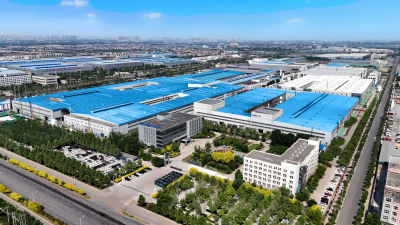
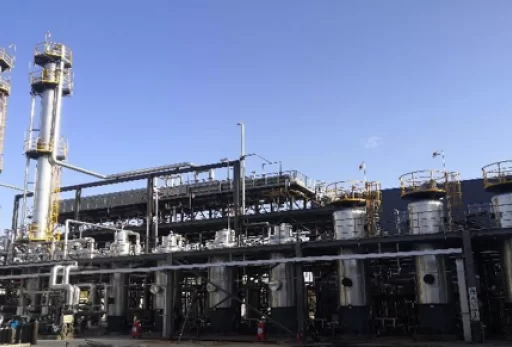
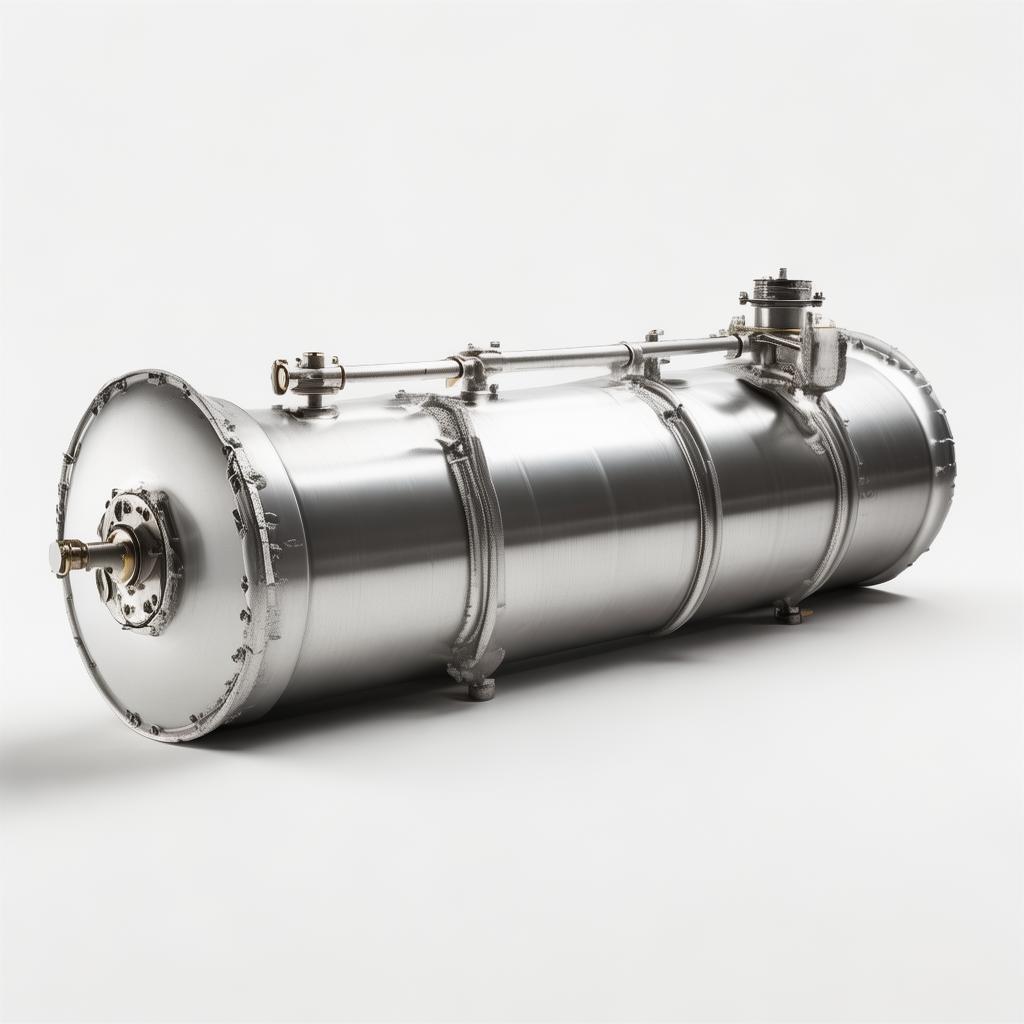
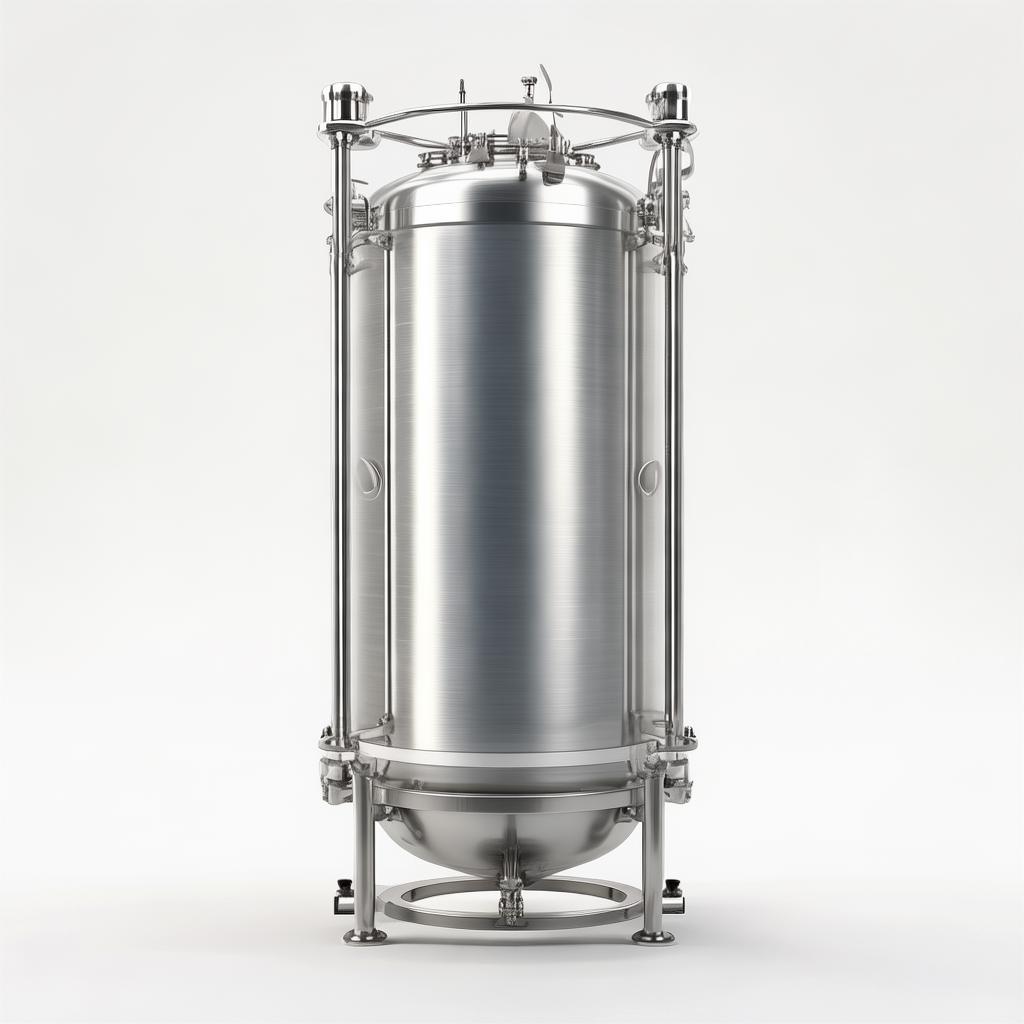
Our state-of-the-art TES manufacturing facility in Shijiazhuang, Hebei Province
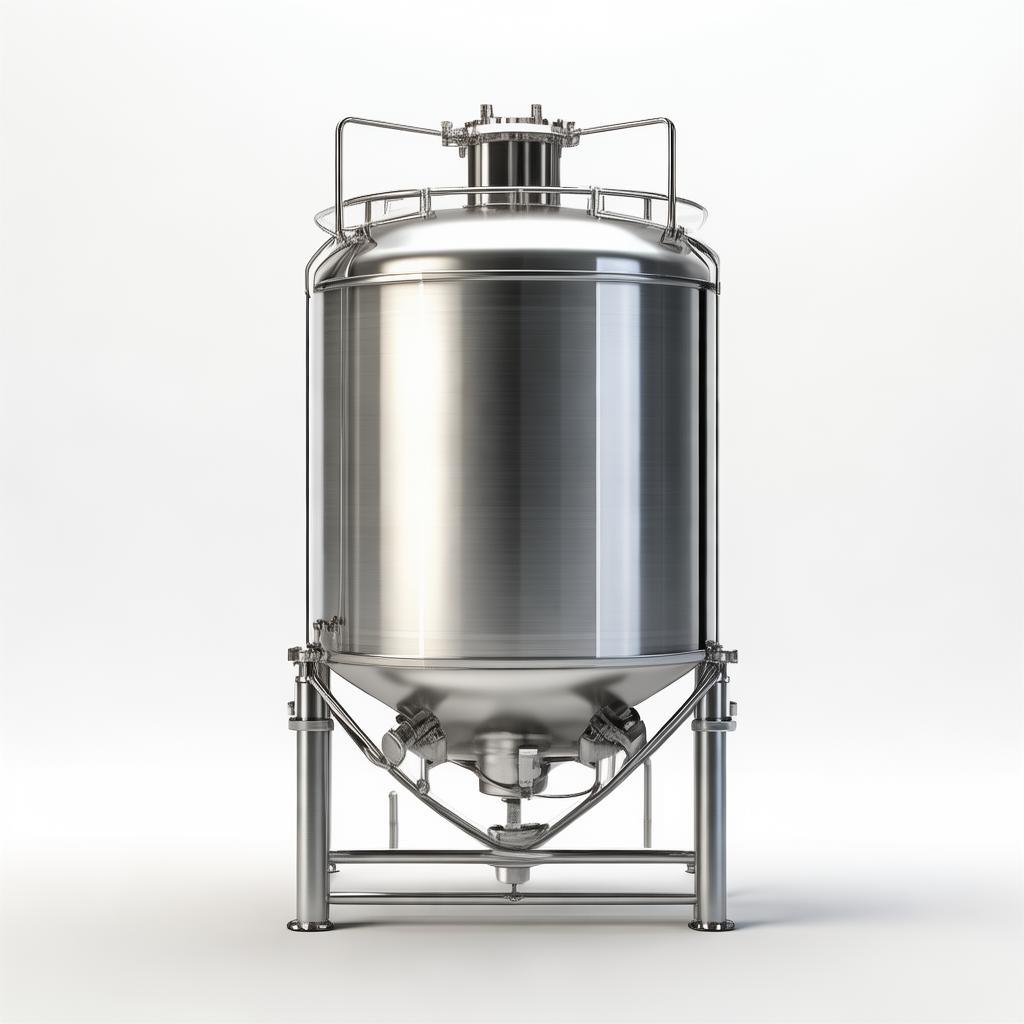
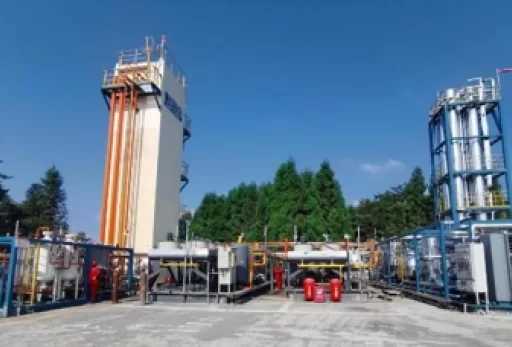
Custom 5 MWh molten salt TES system for a U.S. steel plant
Store low-cost off-peak electricity or excess solar/wind energy as heat/cold, then discharge during peak hours. Example: A 10 MW data center in Texas reduced its energy bills by 42% using our ice storage system for HVAC.
ROI: Typical payback period of 2-5 years (IEA, 2025).
By shifting to renewable-powered TES, our clients in Europe and North America have achieved Scope 2 emissions reductions of 60%+. For industrial heat, TES enables waste heat recovery (e.g., capturing 30% of flue gas heat in cement kilns).
Case Study: A German chemical plant using our molten salt TES reduced natural gas consumption by 70% by storing excess heat from exothermic reactions.
TES systems provide instantaneous discharge (unlike batteries, which have ramp-up times). Ideal for:
Our systems are compatible with existing infrastructure:
Example: A U.S. food processing plant integrated our thermal oil TES to maintain 250°C fryer temperatures during power outages, avoiding $1M/year in downtime losses.
Unlike batteries (which degrade after 5,000 cycles), our TES systems:
Lifespan: 25-30 years with 95%+ efficiency retention.
We offer three core TES technologies, each tailored to specific use cases:
| Parameter | Water-Based | Molten Salt | Rock Bed |
|---|---|---|---|
| Temperature Range | 0°C–100°C | 200°C–600°C | 200°C–800°C |
| Energy Density | 50–80 kWh/m³ | 80–120 kWh/m³ | 60–100 kWh/m³ |
| Efficiency | 85–95% | 85–90% | 80–90% |
| Best For | HVAC, chilled water | Industrial process heat, CSP | High-temp industrial heat |
| Lifespan | 20–25 years | 25–30 years | 30+ years |
Ideal for narrow temperature ranges (e.g., food cold chain, data center cooling).
Long-duration storage with no heat loss (ideal for seasonal storage).
 ,
,  ).
).Thermal energy storage is transforming industries by reducing costs, improving reliability, and cutting emissions. Here’s how our clients use TES:
Challenge: Cement production requires 1,450°C clinker temperatures, consuming 3.5 GJ/ton of coal.
Solution: Our molten salt TES stores waste heat from kiln exhaust (300°C–400°C) and preheats raw materials, reducing fuel use by 25%.
Client:  (Mexico) – 1.2 MW TES system at Cuernavaca plant.
Savings: $1.8M/year in fuel costs; 60,000 tons CO₂/year reduction.
Challenge: Reheating furnaces consume 2–5 GJ/ton of natural gas, with 30% heat loss.
Solution: Rock bed TES captures furnace exhaust heat (800°C–1,000°C) and reuses it for preheating.
Client:  (France) – 5 MW TES system at Dunkirk steel mill.
Results: 20% natural gas reduction; $2.5M/year savings.
Challenge: Data centers use 1–2% of global electricity, with 40% consumed by cooling.
Solution: Ice storage shifts cooling load to off-peak hours, reducing electricity costs by 40%.
Client:  (Texas, USA) – 3 MW ice storage for 50,000 sq. ft. facility.
PUE Improvement: Reduced from 1.8 to 1.3 (28% efficiency gain).
Challenge: HVAC accounts for 50% of energy use in hotels; hospitals require 24/7 reliability.
Solution: Chilled water storage + solar thermal integration.
Client:  (Singapore) – 1 MW chilled water TES for Marina Bay property.
Savings: 35% electricity cost reduction; LEED Platinum certification.
Challenge: CSP plants need 10–15 hours of storage to provide dispatchable power.
Solution: Molten salt TES (60% NaNO₃, 40% KNO₃) stores heat at 565°C for turbine generation.
Client:  (Spain) – 50 MW TES for Solúcar PS10 plant.
Capacity: 7.5 hours of full-load storage.
Challenge: 15–20% of wind energy is curtailed due to grid congestion.
Solution: Electrical-to-thermal storage uses excess wind power to heat water or molten salt.
Client:  (Germany) – 10 MW TES paired with 50 MW wind farm.
Result: 90% curtailment reduction; €1.2M/year in additional revenue.
TES systems capture and store thermal energy (heat or cold) for later use. There are three main types:
When energy is needed, the stored heat/cold is discharged to provide process heat, space heating/cooling, or power generation.
Payback typically ranges from 2 to 5 years, depending on:
Example: A 1 MW ice storage system for a data center in California may cost $1.5M but save $400K/year in energy costs, yielding a 3.75-year payback.
Yes. Our TES systems are designed for plug-and-play compatibility with:
We provide custom engineering to ensure seamless integration with your infrastructure.
Our systems are built to last:
Key advantage: Unlike batteries, TES systems do not degrade with use. Efficiency remains stable over the entire lifespan.
thermal energy storage efficiency thermal energy storage what is thermal energy storage
| Factor | Thermal Energy Storage (TES) | Lithium-Ion Batteries |
|---|---|---|
| Cost per kWh | $20–$50 | $130–$250 |
| Lifespan | 25–30 years | 8–12 years |
| Temperature Range | -50°C to 1,000°C | 0°C–45°C (requires cooling) |
| Safety | Non-flammable, non-toxic | Fire/explosion risk |
| Recyclability | 95%+ (steel, salts, water) | 50–70% (complex recycling) |
| Best For | Industrial heat, HVAC, long-duration storage | Electrical storage, short-duration |
TES is a game-changer for industries with:
Data: The IEA projects TES could supply 20% of industrial heat demand by 2050 (IEA Gas 2025).
TES systems require minimal maintenance compared to batteries or generators:
Cost: $0.01–$0.05/kWh/year (vs. $0.10–$0.20/kWh/year for batteries).
Yes. We partner with global financial institutions to offer:
Example: A $2M TES system in Texas could qualify for a 30% federal tax credit ($600K) + 10% state incentive ($200K), reducing net cost to $1.2M.


Join 200+ global leaders who’ve deployed Enric’s thermal energy storage systems. Here’s how to get started:
Limited-Time Offer: The first 50 inquiries receive a free energy audit (worth $2,500).
Risk-Free Guarantee: If your TES system doesn’t deliver the promised energy savings within 12 months, we’ll refund 100% of your investment or replace it free of charge.

“We integrated Enric’s 50 MW molten salt TES with our CSP plant in Seville. The system stores 7.5 hours of full-load energy, allowing us to deliver dispatchable power 24/7. Efficiency is 92%, and we’ve seen zero degradation in 3 years of operation. Highly recommend for any CSP project.”
⭐⭐⭐⭐⭐

“Our Lille warehouse now uses a 1.5 MW chilled water TES for cooling. During peak hours, we reduce grid electricity use by 60%, cutting costs by €200K/year. The system also helped us achieve BREEAM Excellent certification. Enric’s team was responsive and professional throughout the installation.”
⭐⭐⭐⭐⭐

“At our Jamshedpur plant, we installed a 10 MW rock bed TES to recover waste heat from our blast furnaces. The system preheats combustion air to 800°C, reducing coke consumption by 15%. This translates to ₹12 crore/year in savings and a 100,000-ton CO₂ reduction. The ROI was under 2 years.”
⭐⭐⭐⭐⭐

“Shell’s Hydrogen Refueling Station in Rotterdam uses Enric’s PCM TES to store excess renewable energy as heat. This allows us to increase hydrogen production by 25% during low-wind periods. The system’s 95% efficiency and 20-year lifespan make it a core part of our green hydrogen strategy.”
⭐⭐⭐⭐⭐

“Our Shenzhen factory deployed a 5 MW ice storage system for cooling server rooms. During peak hours, we shift 70% of cooling load to off-peak, saving ¥3M/year in electricity costs. The system also reduces our carbon footprint by 2,000 tons/year. Enric’s after-sales support has been excellent.”
⭐⭐⭐⭐⭐

Dr. Zhang Wei
Senior Thermal Energy Engineer | Shijiazhuang Enric Gas Equipment Co., Ltd.
Dr. Zhang holds a Ph.D. in Thermal Engineering from Tsinghua University and has 20+ years of experience in industrial heat storage and renewable energy integration. He has led 50+ TES projects globally, including molten salt systems for CSP plants and waste heat recovery for steel mills.
Expertise: Thermal energy storage, industrial decarbonization, renewable energy integration, and energy efficiency optimization.
Publications: Author of 15+ peer-reviewed papers on TES technologies, including studies cited by the IEA and IRENA.
Contact: zhangwei@enricgroup.com | LinkedIn
Disclaimer: The views expressed in this article are those of the author and do not necessarily reflect the official policy of Shijiazhuang Enric Gas Equipment Co., Ltd. For technical specifications, always refer to the latest product documentation or contact our sales team.
-Hengkai Natural Gas Liquefaction Project
-Changming Phase II Natural Gas Liquefaction Project
-Hwange Natural Gas Liquefaction Project
-Tianhao Coalbed Methane Liquefaction Project
-Tianyun Coalbed Methane Liquefaction Project
-Shuntai Coalbed Methane Liquefaction Project
-60.000 cubic meters/day
-60.000 cubic meters/day
-60.000 m3/day*2 sets
-200.000 cubic meters/day



Trusted by Global Leaders in Energy & Manufacturing
🏆 Certifications & Compliance
ISO 9001
Quality Management
ASME
Pressure Vessel Standard
CE
EU Compliance
DOT
U.S. Transportation
PED
Pressure Equipment Directive
🤝 Client Logos
💬 Client Testimonials
VP of Sustainability, Siemens Energy
“Enric’s molten salt TES system helped us reduce natural gas consumption by 30% at our turbine testing facility in Berlin. The system’s 95% efficiency and 25-year lifespan made it a no-brainer investment.”
Director of Energy Efficiency, CEMEX
“We installed a 1.2 MW waste heat recovery TES at our Cuernavaca plant. The payback was under 3 years, and we’ve cut 60,000 tons of CO₂ annually. Enric’s team provided seamless integration with our existing kiln.”
Global Data Center Operations, Dell
“Our Texas data center now uses 3 MW of ice storage for cooling. Energy costs dropped by 42%, and we achieved a 28% improvement in PUE. The system has zero downtime in 2+ years of operation.”